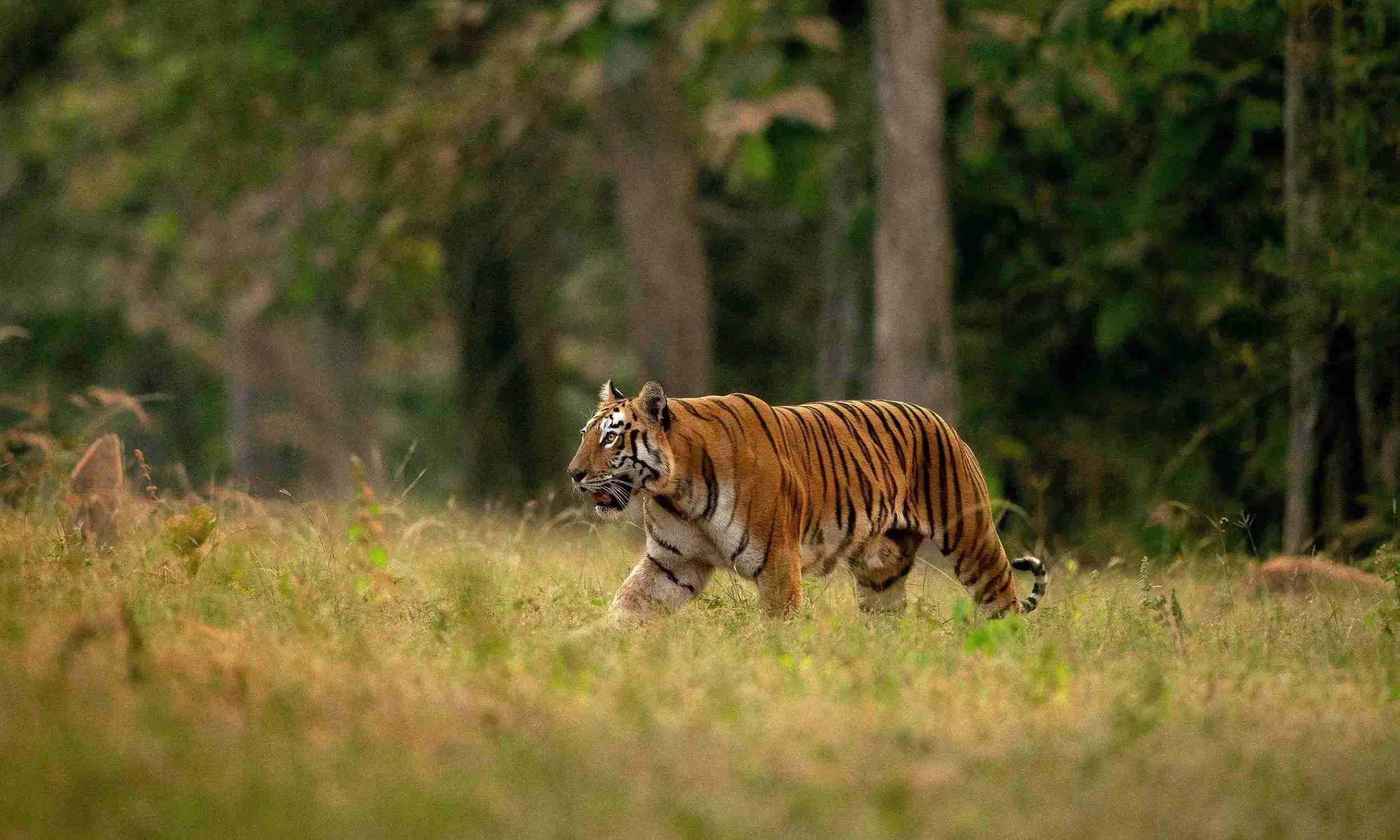
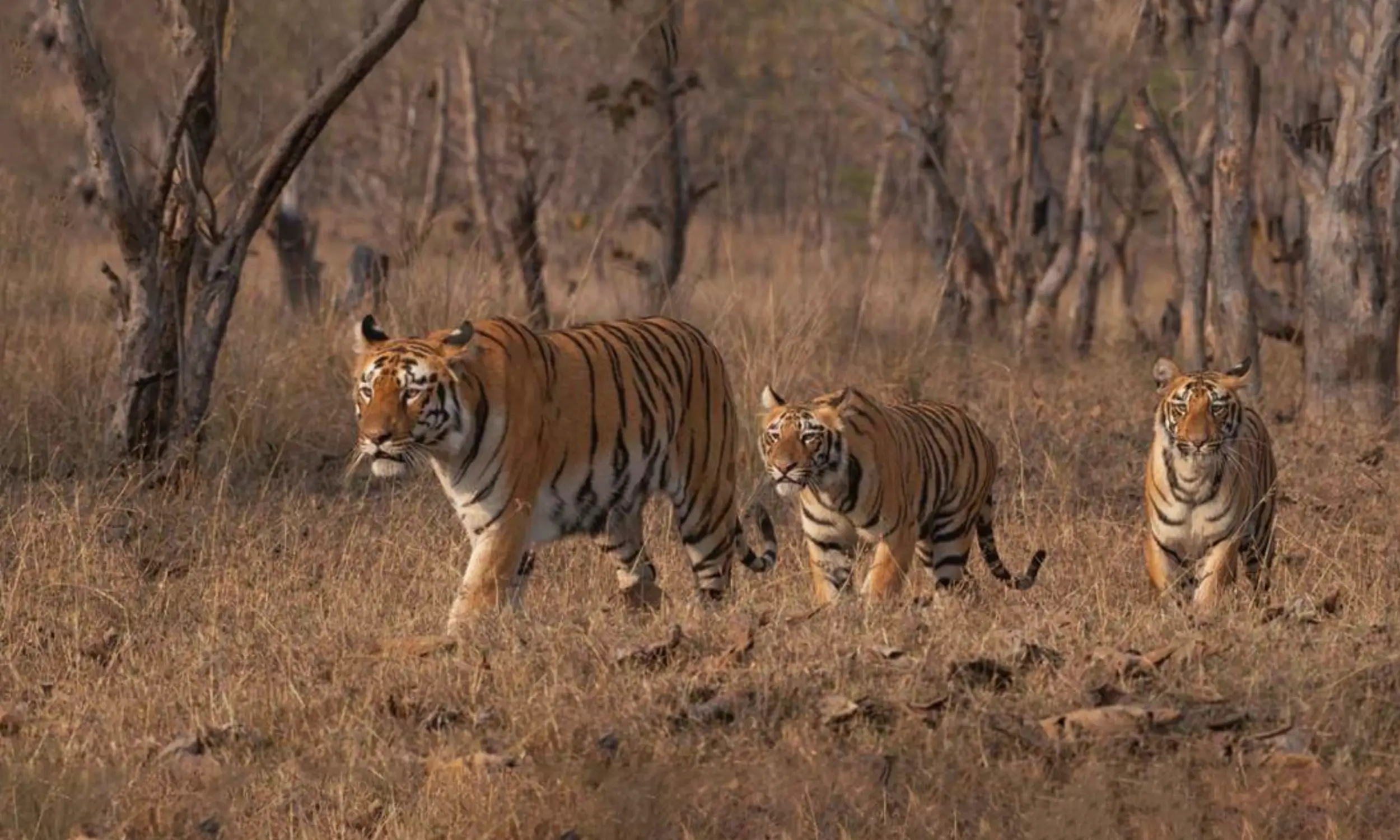
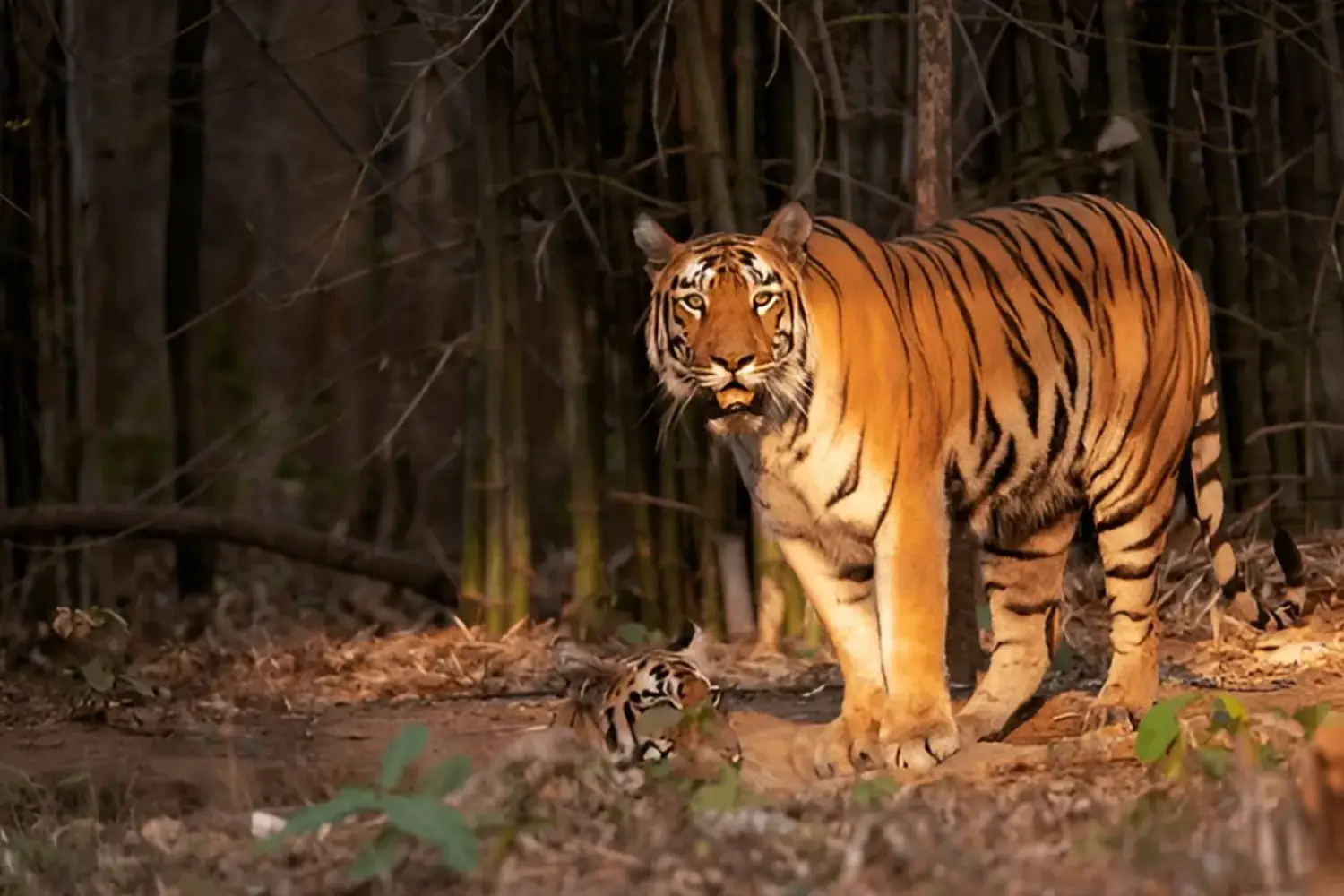
About Tadoba National Park

Notably Maharashtra's oldest and largest National Park, the "Tadoba National Park", also known as the "Tadoba Andhari Tiger Reserve" is one of India's 47 project tiger reserves existing in India. It lies in the Chandrapur district of Maharashtra state and is approximately 150 km from Nagpur city. The total area of the tiger reserve is 1,727 Sq.km, which includes the Tadoba National Park, created in the year 1955. The Andhari Wildlife Sanctuary was formed in the year 1986 and was amalgamated with the park in 1995 to establish the present Tadoba Andheri Tiger Reserve. The word 'Tadoba' is derived from the name of God "Tadoba" or "Taru," which is praised by local tribal people of this region and "Andhari" is derived from the name of Andhari river that flows in this area. Read More

Tadoba Wildlife Tourism Guide: Travel Tips, Safari Info & Best Time to Visit

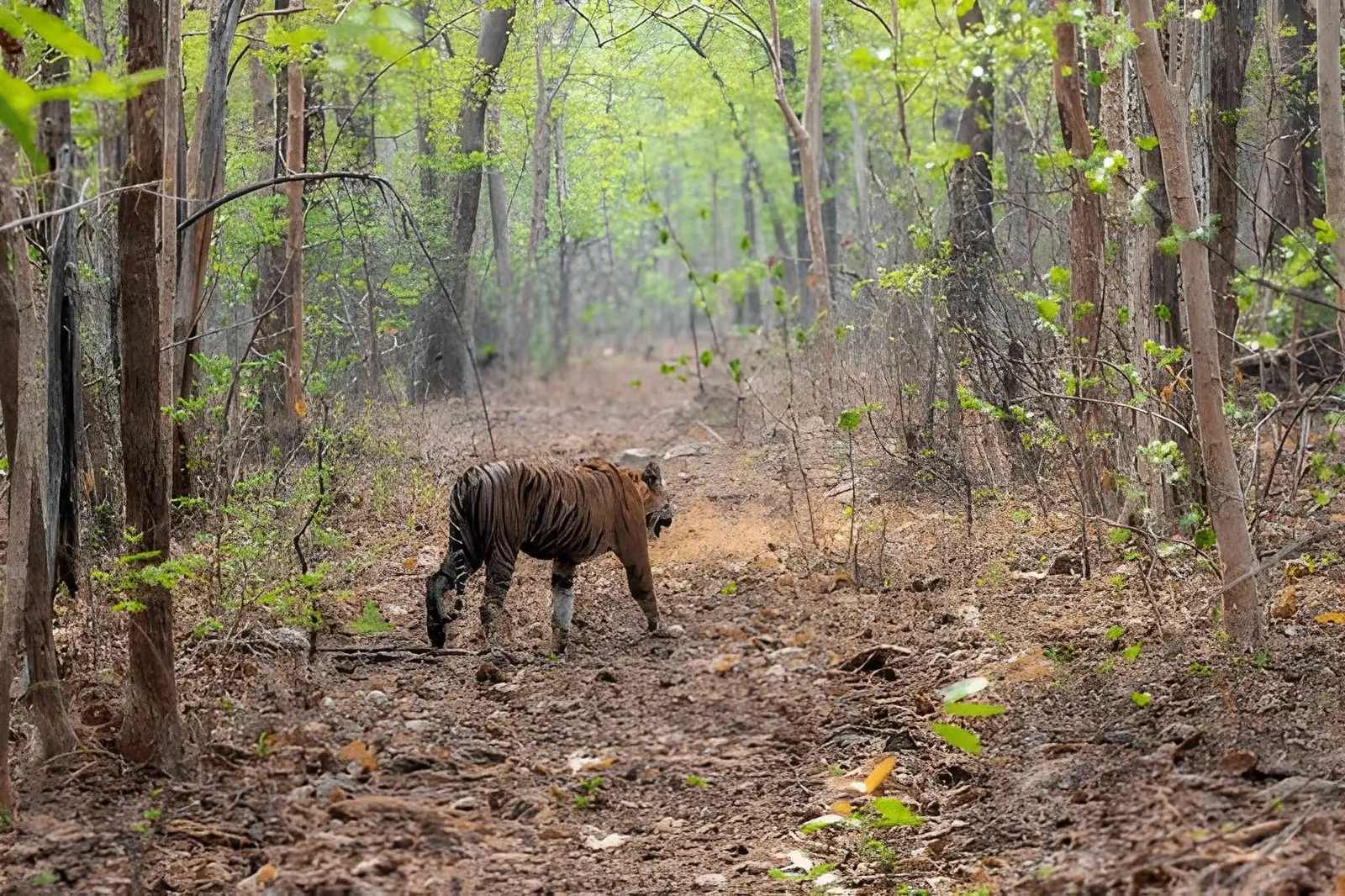
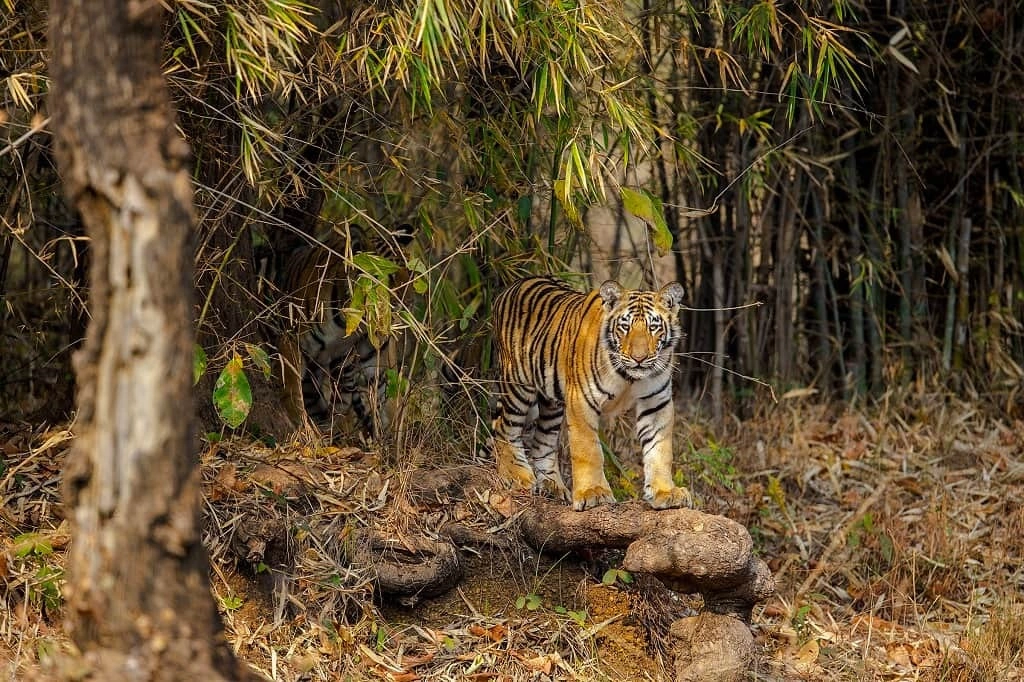
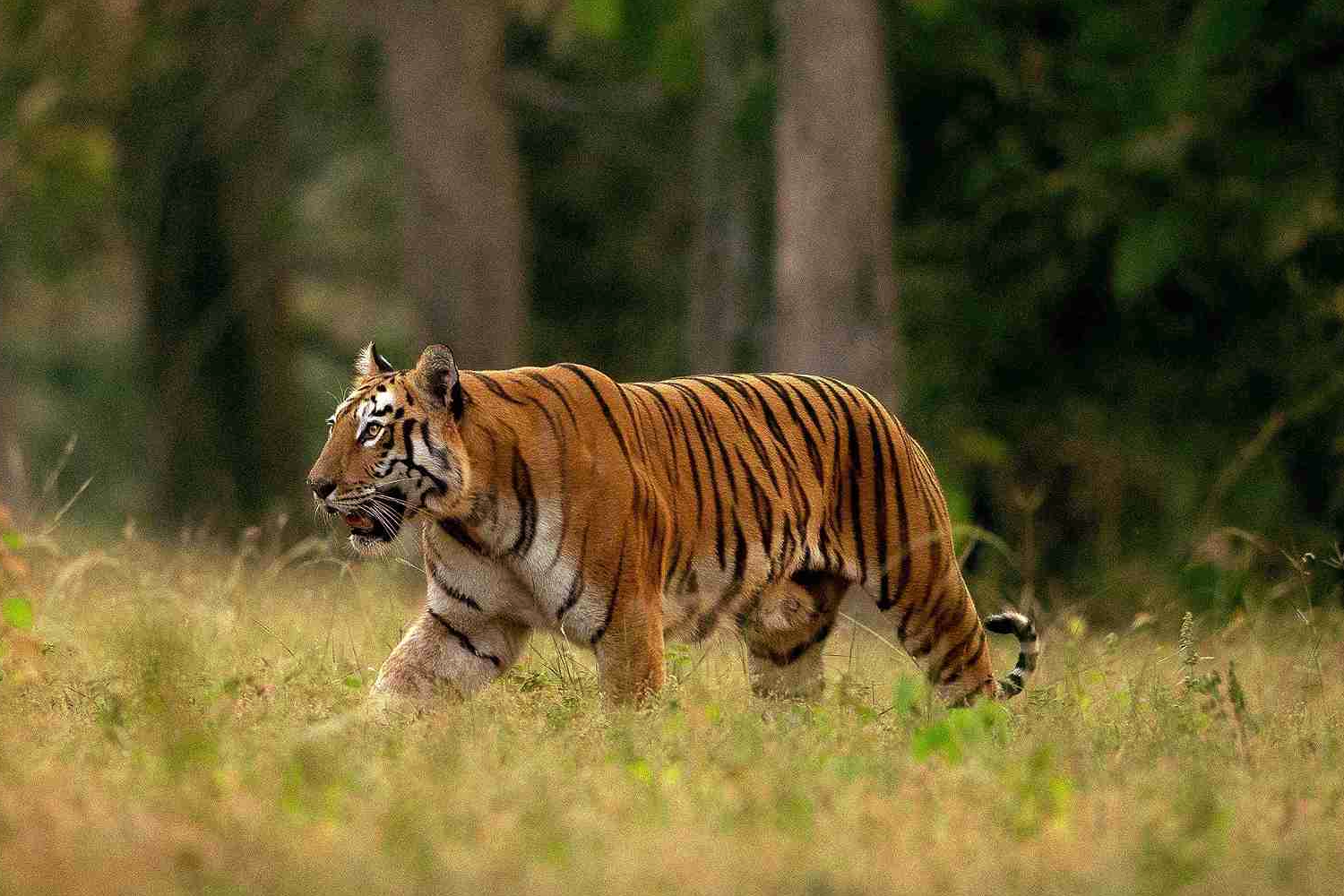
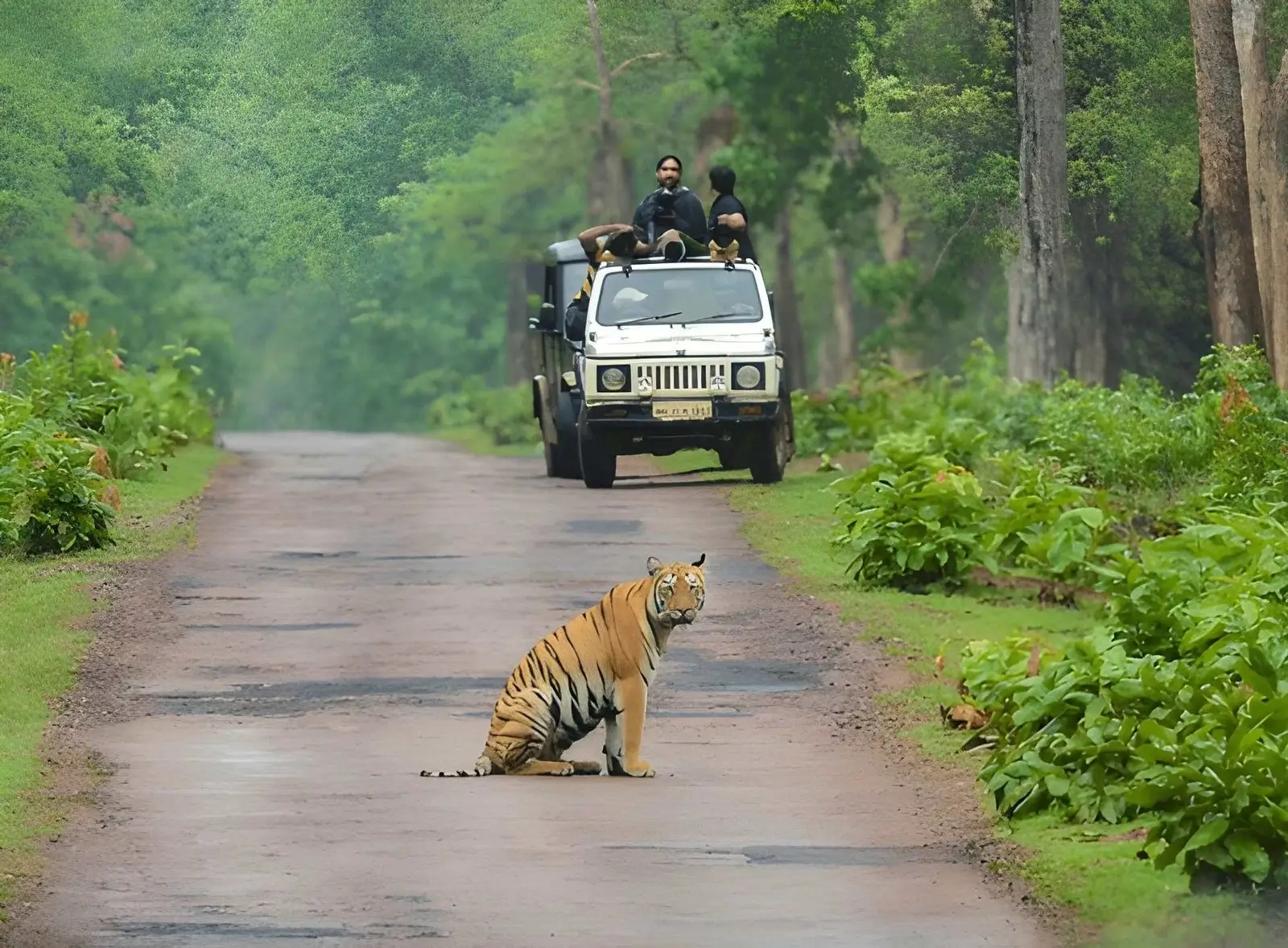
According to the latest tiger census report, the reserve’s core area is home to approximately 93 to 115 tigers - one of the highest tiger populations in India.

The largest and oldest national park of Maharashtra, Tadoba National Park is situated in the district of Chandrapur. This remarkable wildlife sanctuary is mostly referred to as Tadoba Andhari Tiger Reserve, which is one of the country’s most prominent tiger reserves. Basically, the reserve consists of two parts, Tadoba National Park and Andhari Wildlife Sanctuary. It is spread over an area of 577.96 square kilometres of reserve forests and 32.51 square kilometres of protected forest.

The name of the national park, Tadoba, is derived from the deity ‘Tadoba’ or ‘Taru,’ who is worshipped by the tribes living in and around the forests. The name, Andhari, came from the Andhari River, which flows through the forest. The total area of Tadoba Andhari Tiger Reserve is 625.4 square kilometres whereas the national park is spread over 116.55 square kilometres of area and Andhari Wildlife Sanctuary covers an area of 508.85 square kilometres. The tiger reserve is home to a diverse range of flora and fauna including Bengal Tigers and other animals like Indian leopards, sloth bears, jungle cats, chital etc. The nearest airport to this national park is in Nagpur, 140 kilometres away, Dr. Babasaheb Ambedkar International Airport and the nearest railway junction is Chandrapur Railway Junction, 45 kilometres away.

History of Tadoba National Park & Tiger Reserve

Tadoba - Andhari Tiger Reserve is considered as one of the most preferred tiger reserves in the world. It is now home to around 80 tigers (in the reserve) and 200 around the larger landscape. However, its history dates back to the time before the Gond kings ruled the area. Legend has it, there was a village headman, Taru, who fought with a mighty tiger at a lake in his village and died like a hero. He is worshipped by the tribes living in Tadoba and Andhari regions and a shrine was erected on the bank of that lake, which is now known as Tadoba Lake. The surrounding forest also came to bear his name; from Taru - it becomes Tadoba.

Then came the Gond rulers, who ruled the region in the 17th century, after them, Marathas and British followed them about a century later. In 1879, the forest and the whole region were declared a reserve forest. In 1935, the 45 square kilometres area surrounding Tadoba Lake was declared a sanctuary. Though, before that, in 1905, shooting of big cats (except with special permission) and in 1931, shooting of all animals were stopped. After it was declared a game reserve in 1942, there were some designated shooting blocks such as Moharli, Karwa, Kalsa and Mul. Finally, in the 1970s these four blocks were closed and in 1986, the area was notified as a wildlife sanctuary. In 1993, the Andhari Wildlife Sanctuary and Tadoba National Park were merged and became Maharashtra's largest national park.

Flora in Tadoba Tiger Reserve

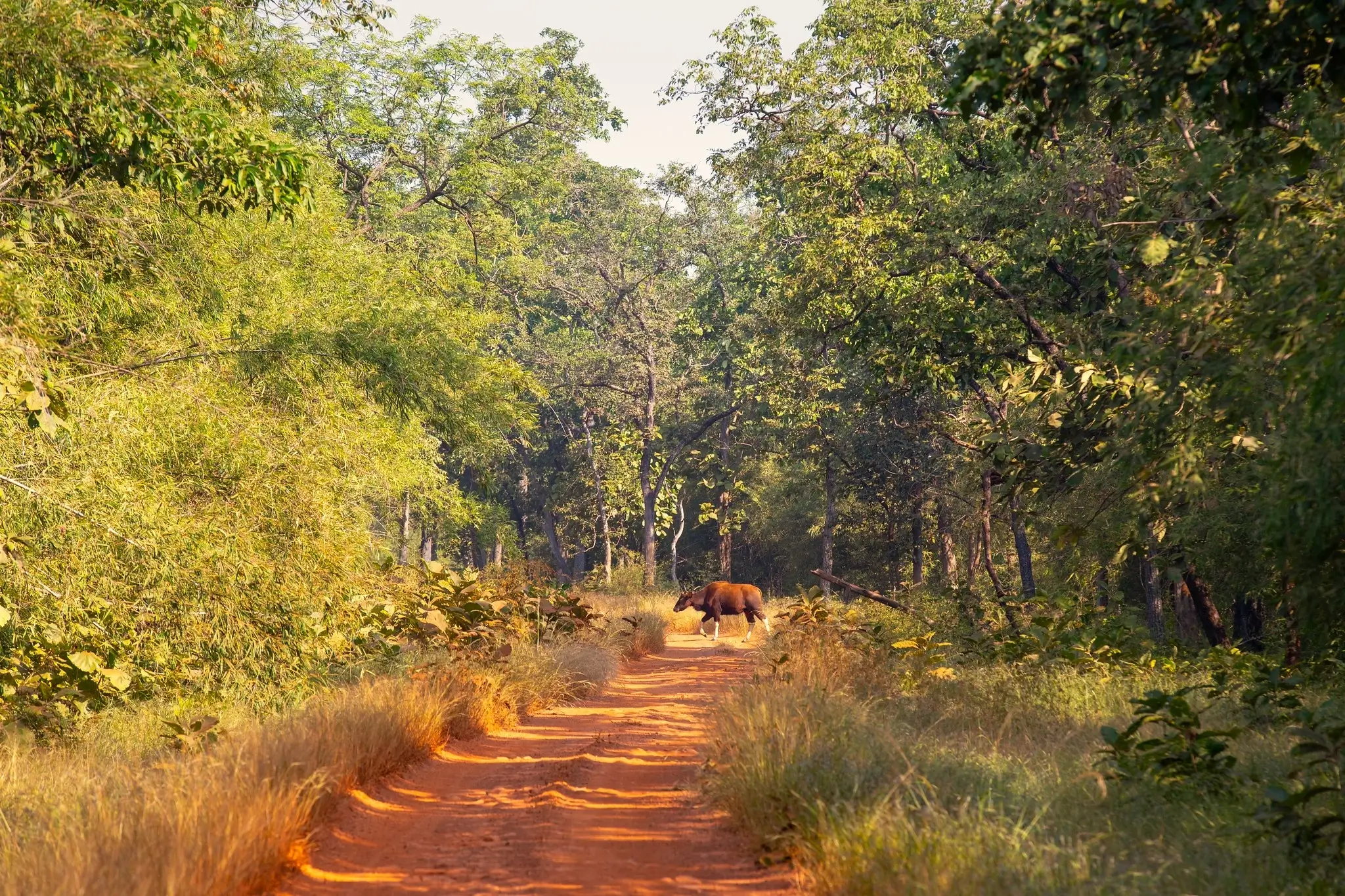
Tadoba Andhari Tiger Reserve is a quintessential example of the rich, predominantly Southern tropical dry deciduous forest, where dense woodlands are found over approximately eighty-seven percent of this protected sanctuary. Teak is the spotlight here as the dominant tree species, while other species of deciduous companions such as ain (known for its crocodile-like bark), bija, dhauda, hald, salai, semal, and tendu also form the forests. In this reserve, one can also find plants like Beheda, hirda, the precious karaya gum, mahua madhuca (known as the crepe myrtle), palas (referred to as the flame-of-the-forest, or Butea monosperma), and the esteemed Lannea coromandelica, which help the reserve to be a vibrant ecosystem. 

Moreover, throughout the reserve, scattered patches of lush grasses add a touch of green to the landscape. Abundant bamboo thickets are also found across the expanse, providing a sanctuary for diverse wildlife. Among the treasures of this habitat is the climbing plant known as kach kujali, or velvet bean, used for its medicinal properties in the treatment of conditions like Parkinson's disease. Bheria leaves double as a natural insect repellent, and bija boasts its medicinal gum. Beheda, too, holds a significant place as a valuable medicinal resource within these hallowed grounds.

Fauna in Tadoba Tiger Reserve

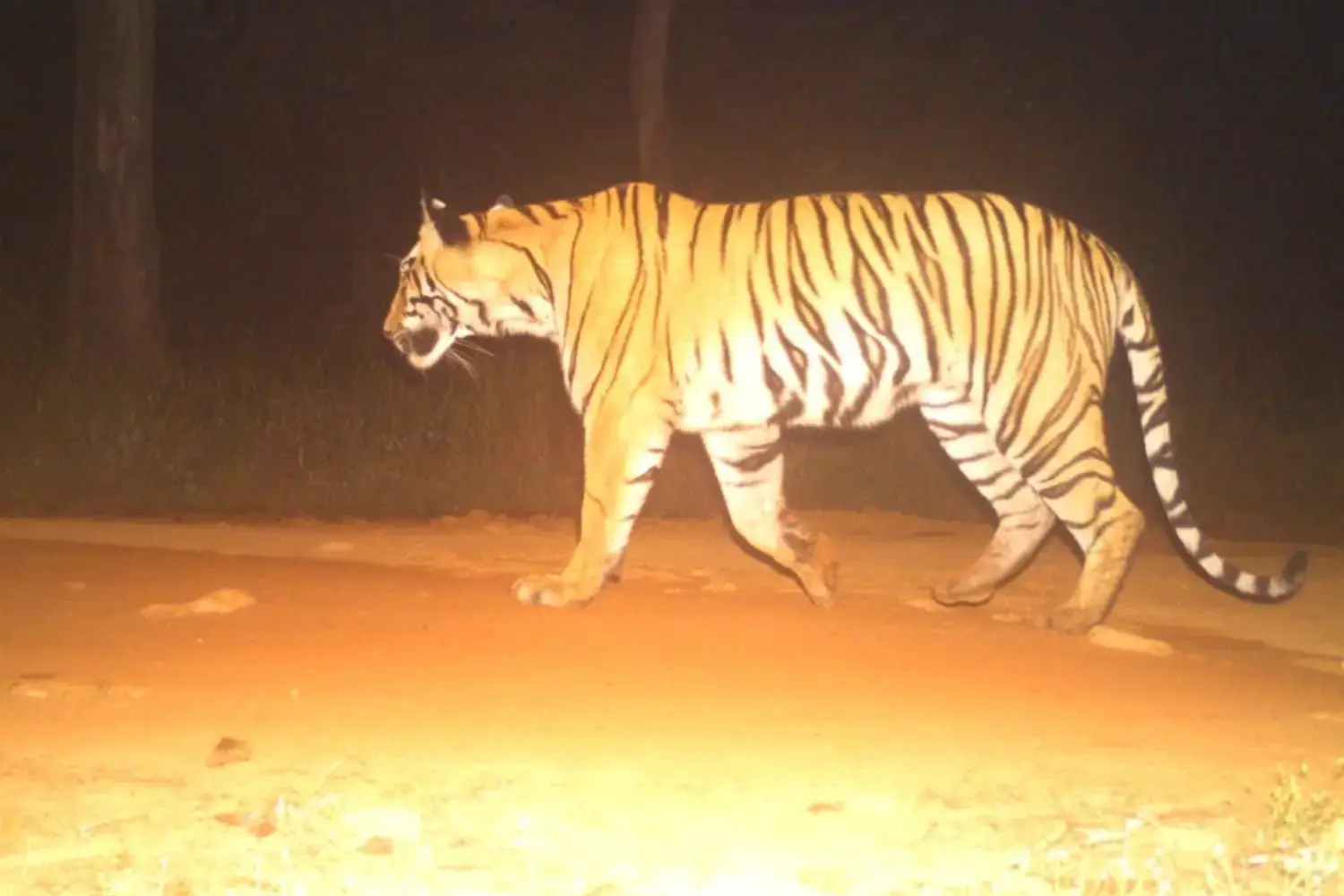
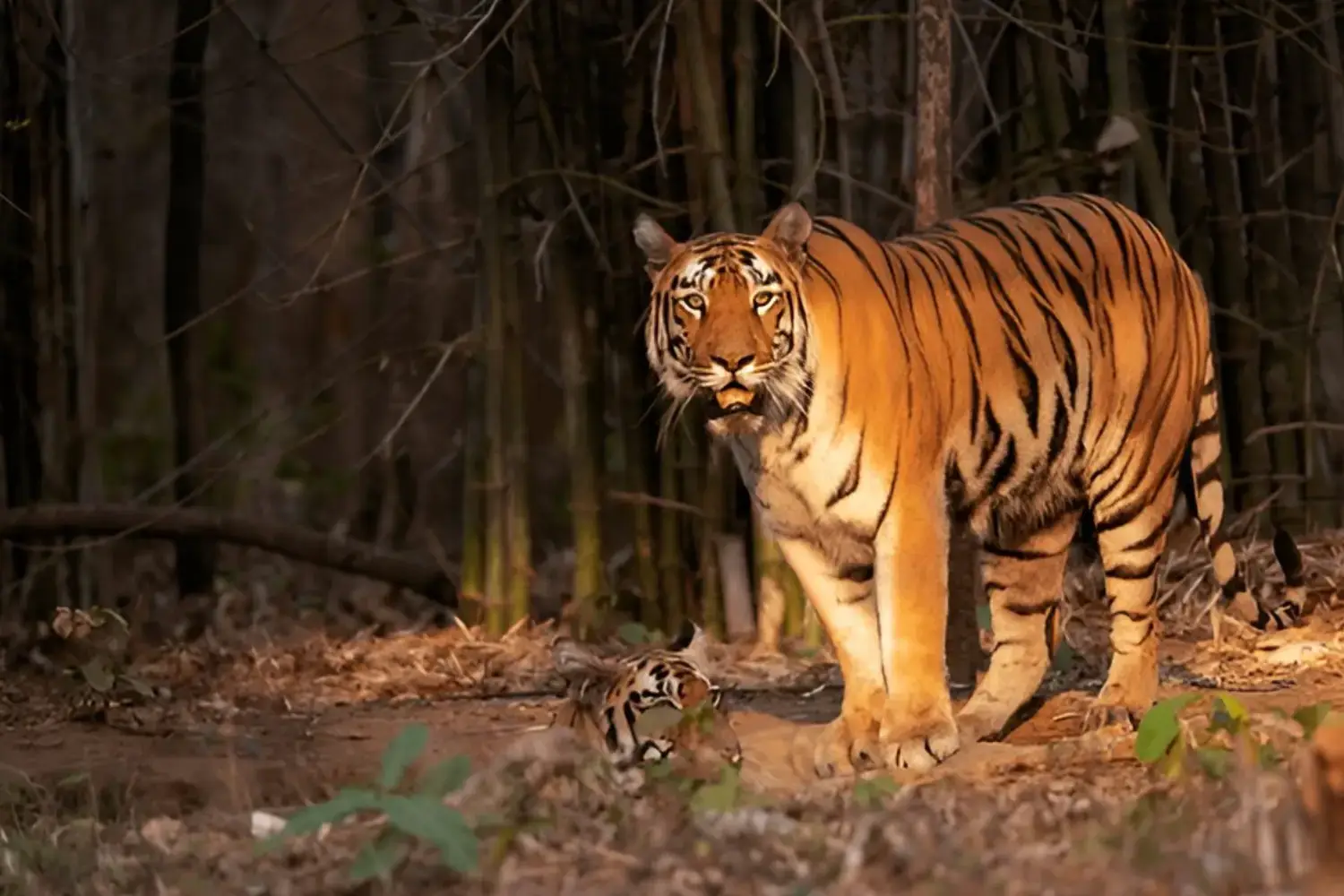
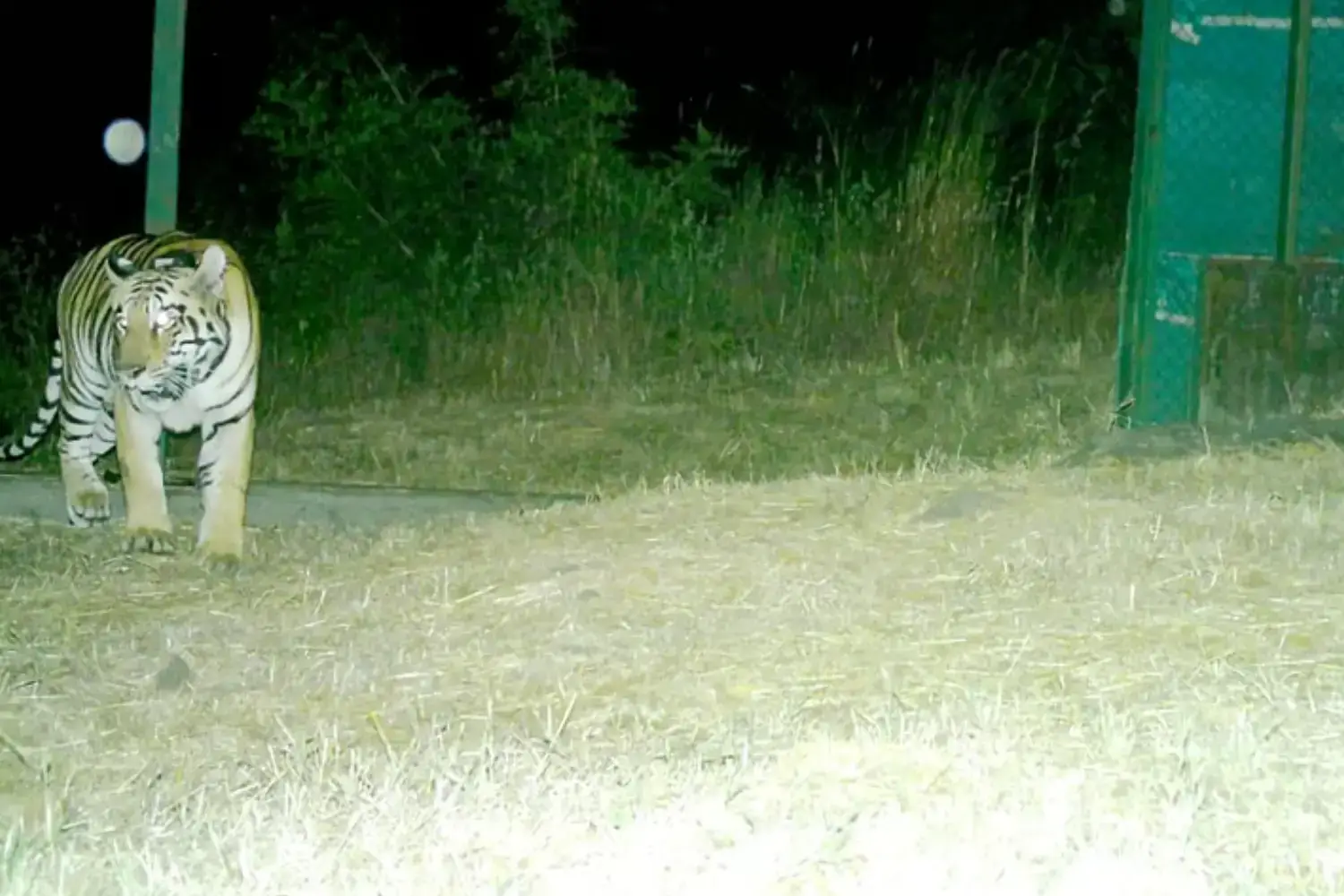
Apart from flora, Tadoba National Park is famous for its diverse population of animals. According to the Head of Wildlife Institute of India’s Department of Animal Ecology and Conservation Biology, Dr. Bilal Habib, the tiger reserve is home to 88 individual tigers (counted using SECR technology in 2020). Among them, 44 big cats are recorded in the core zone and 44 in the buffer zone. Moreover, as per the survey, there are about 115 tigers live in Tadoba, whereas 88 recorded in the forest and 27 are found outside the reserve.

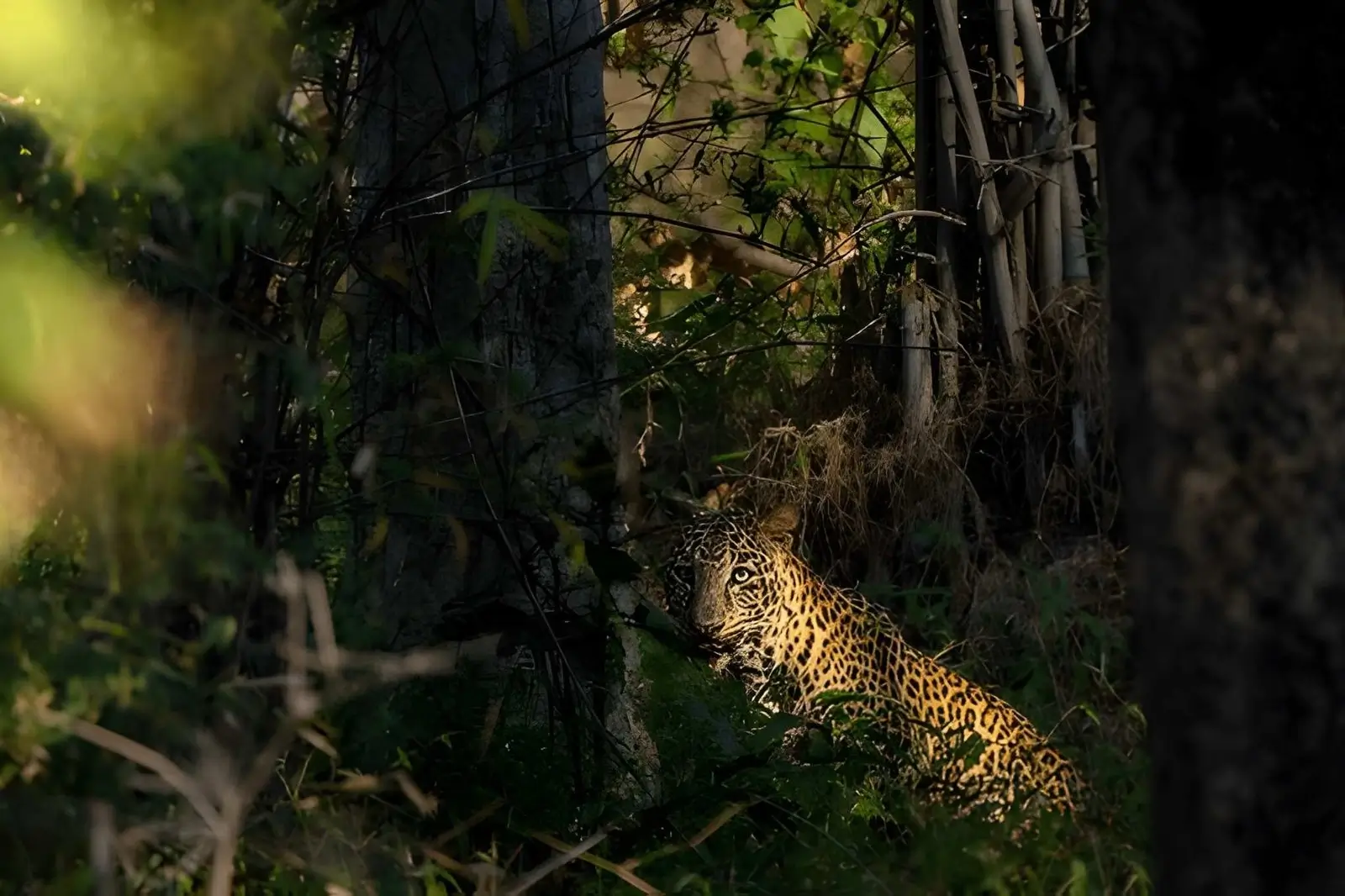
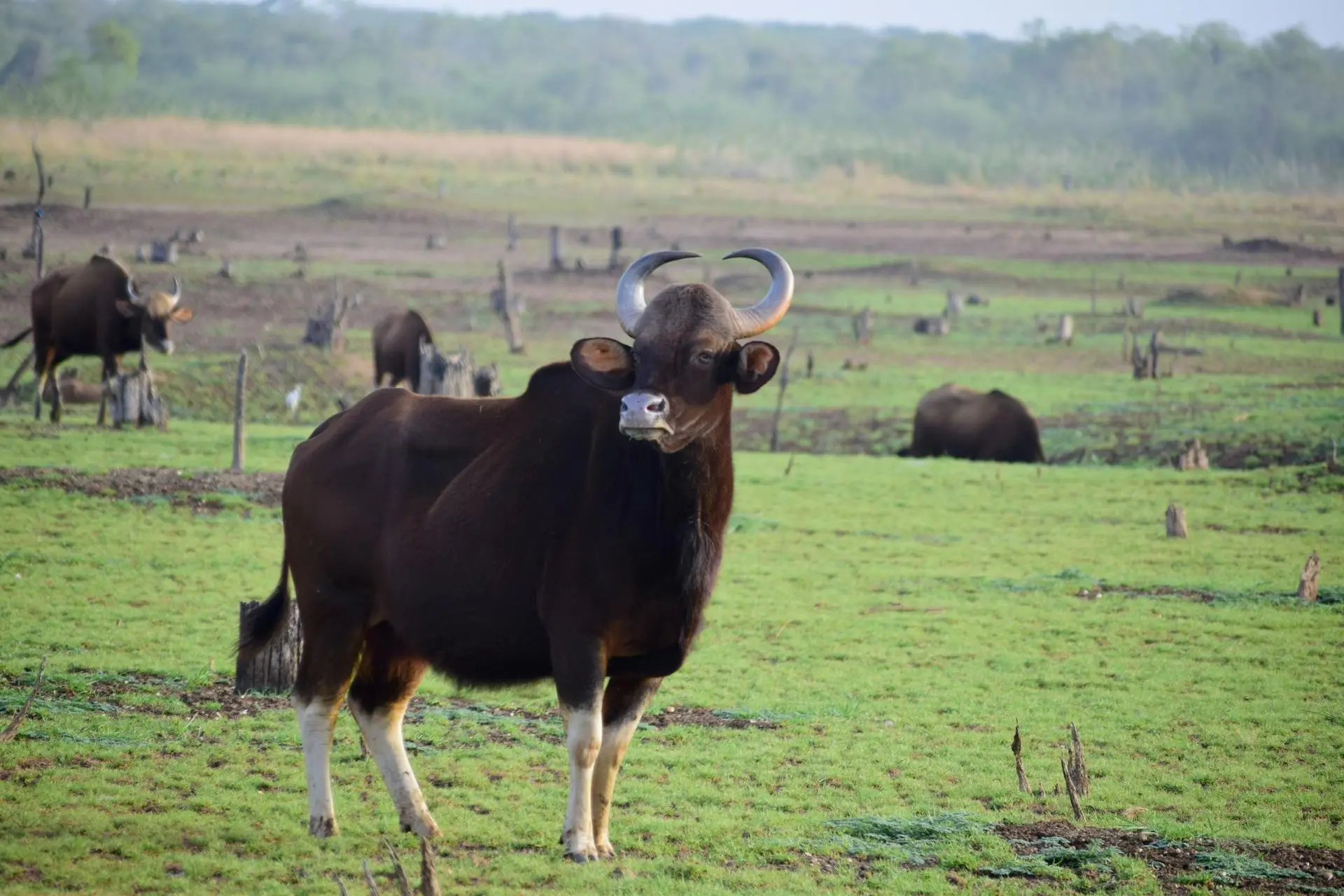
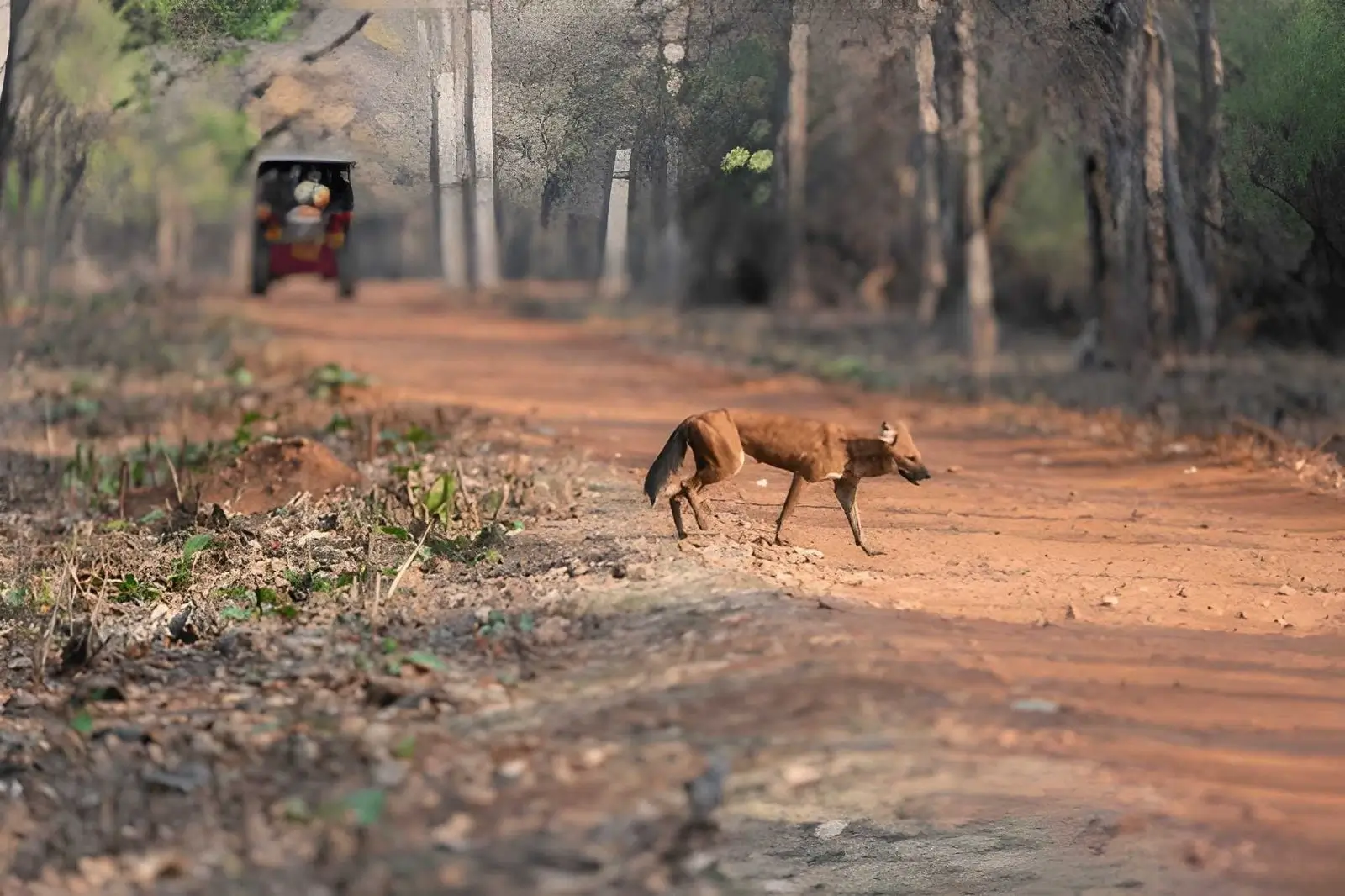
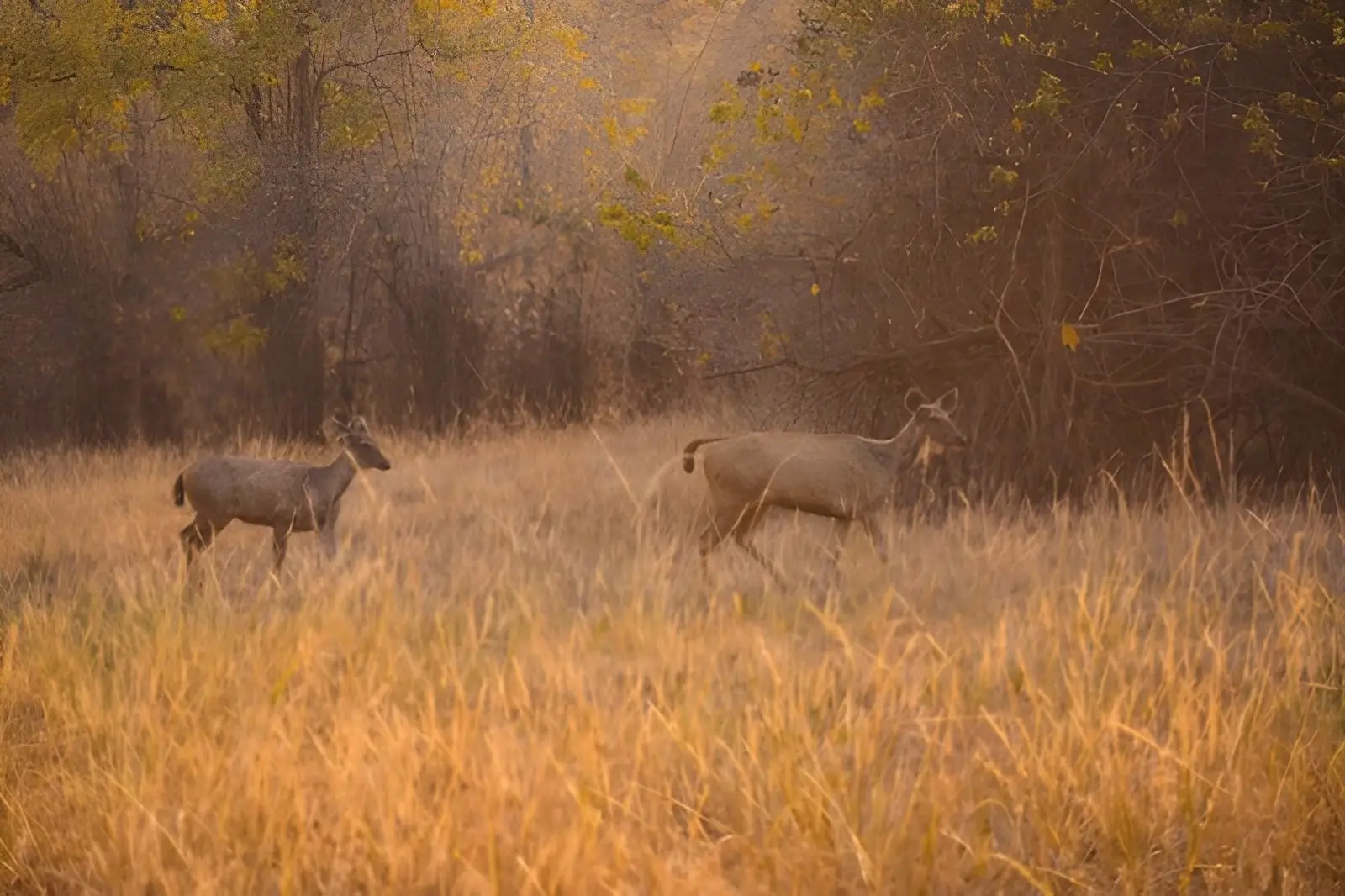
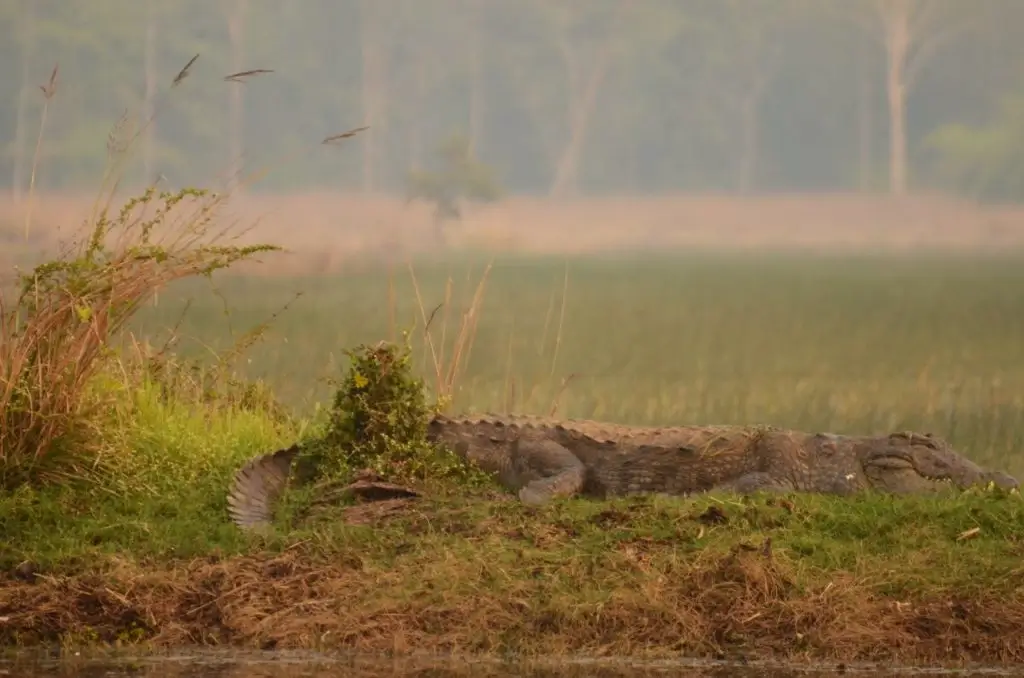
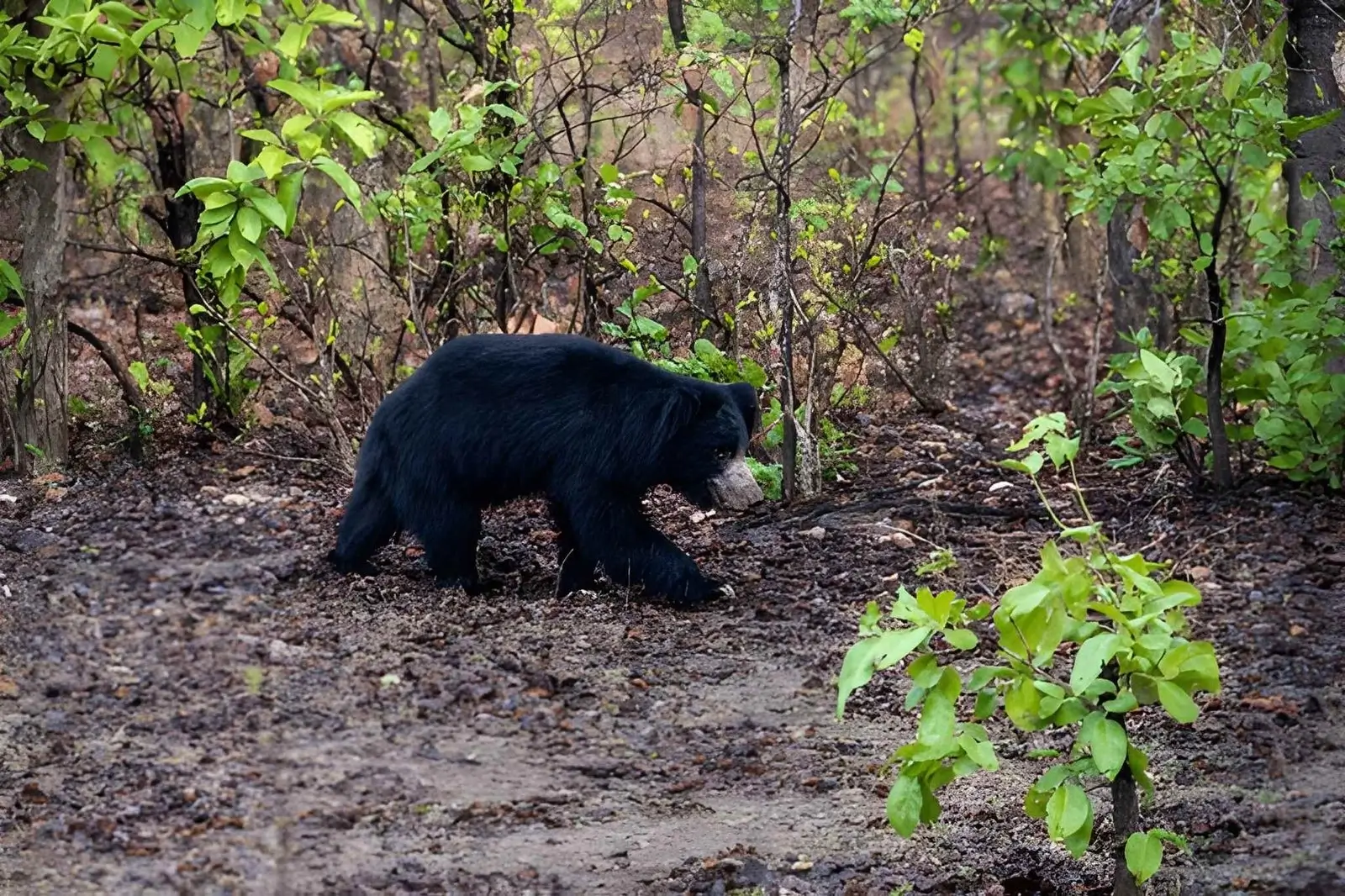
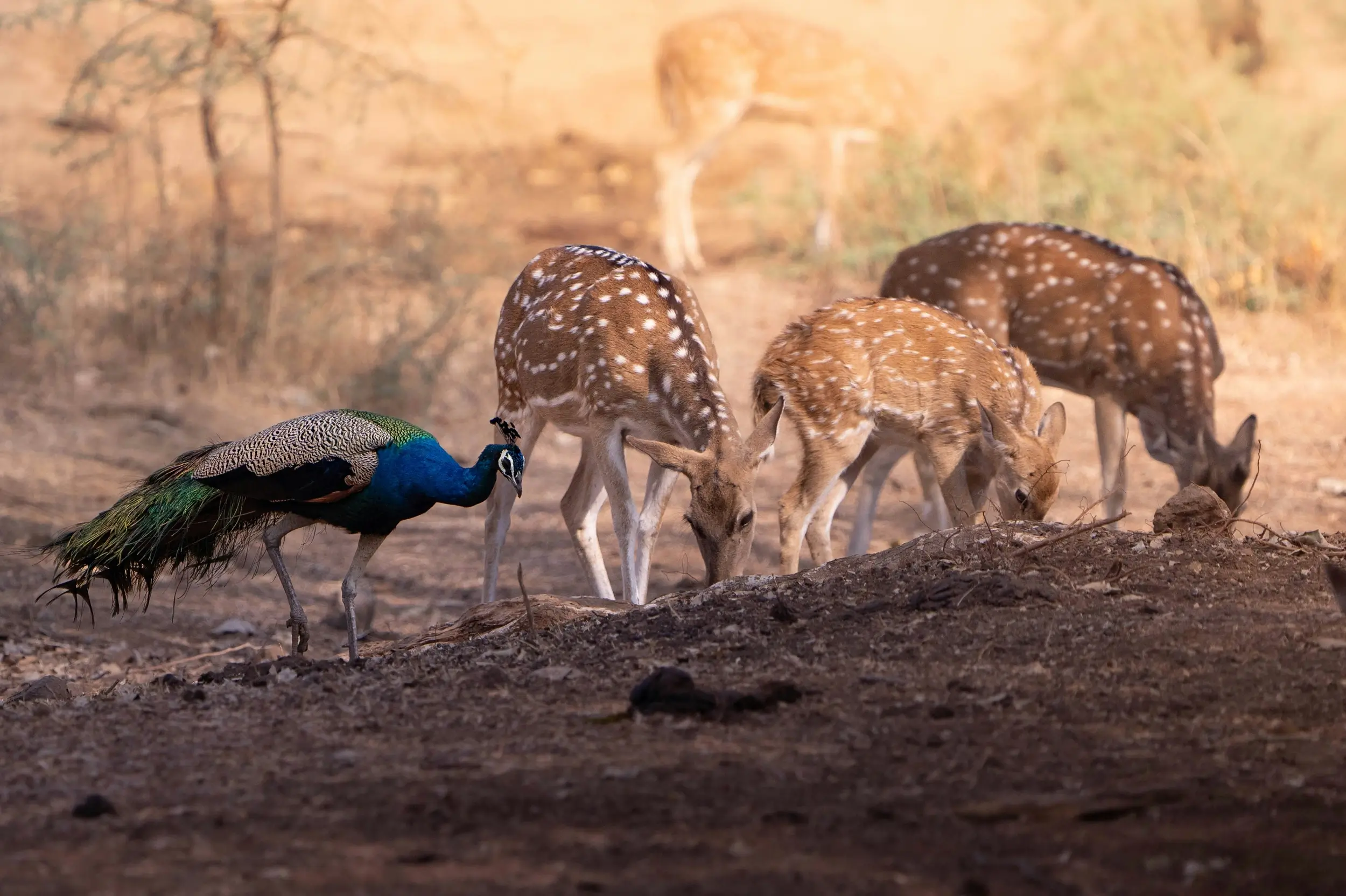
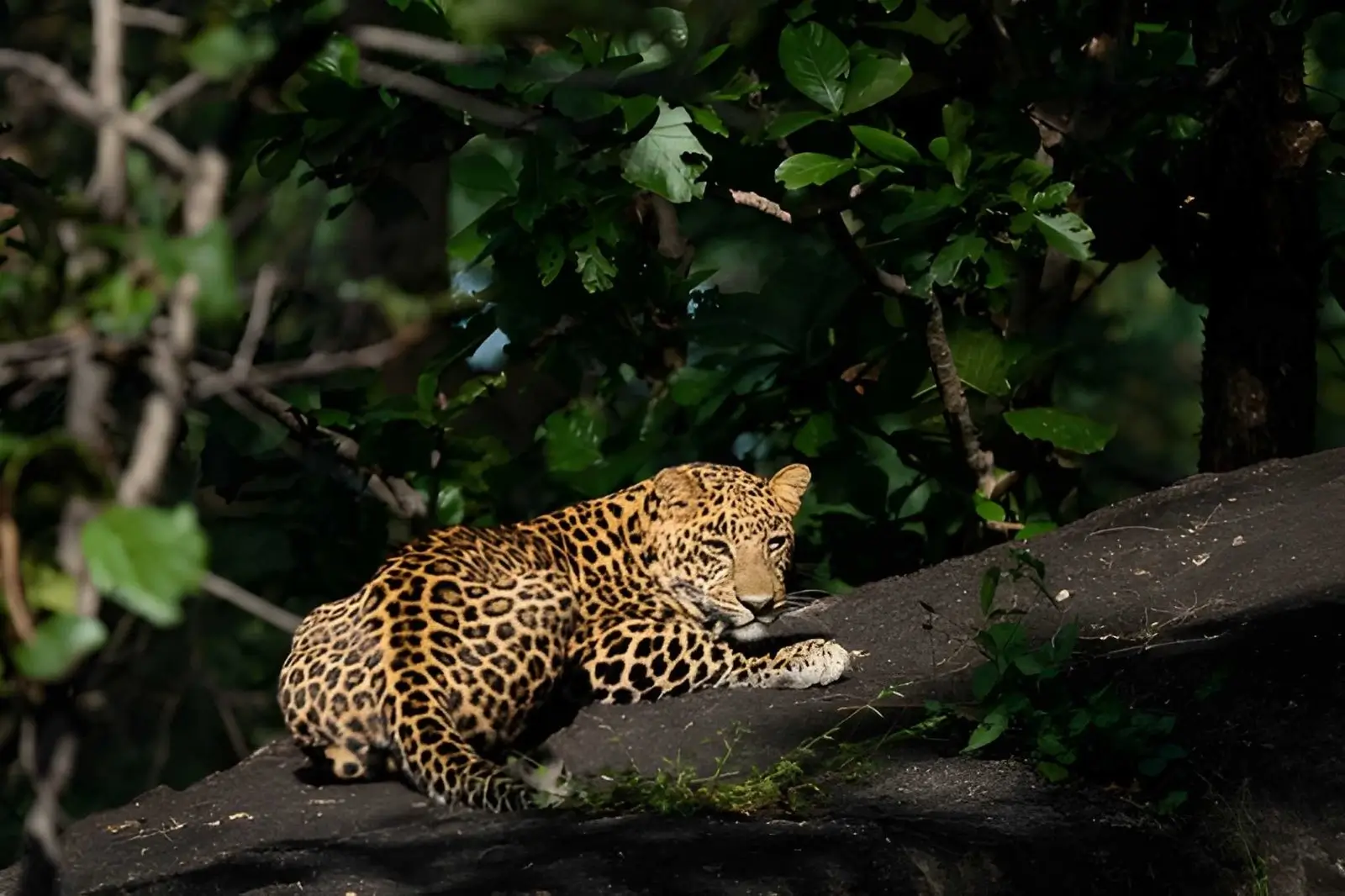
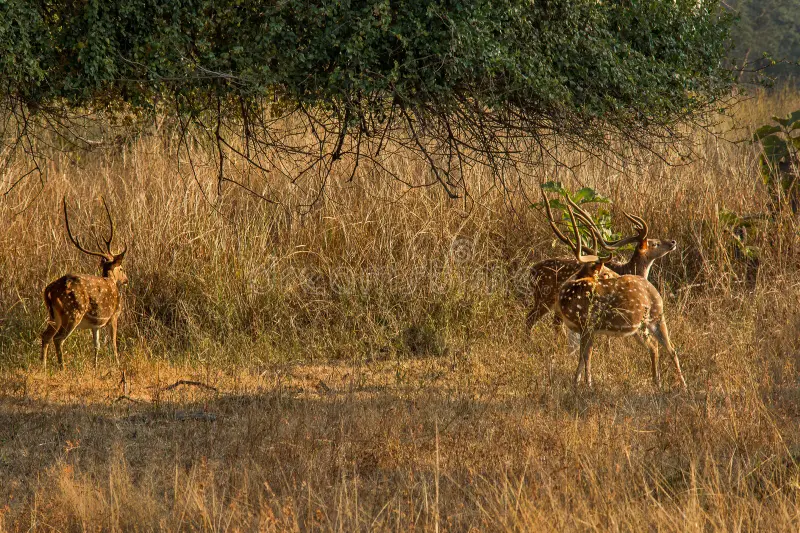
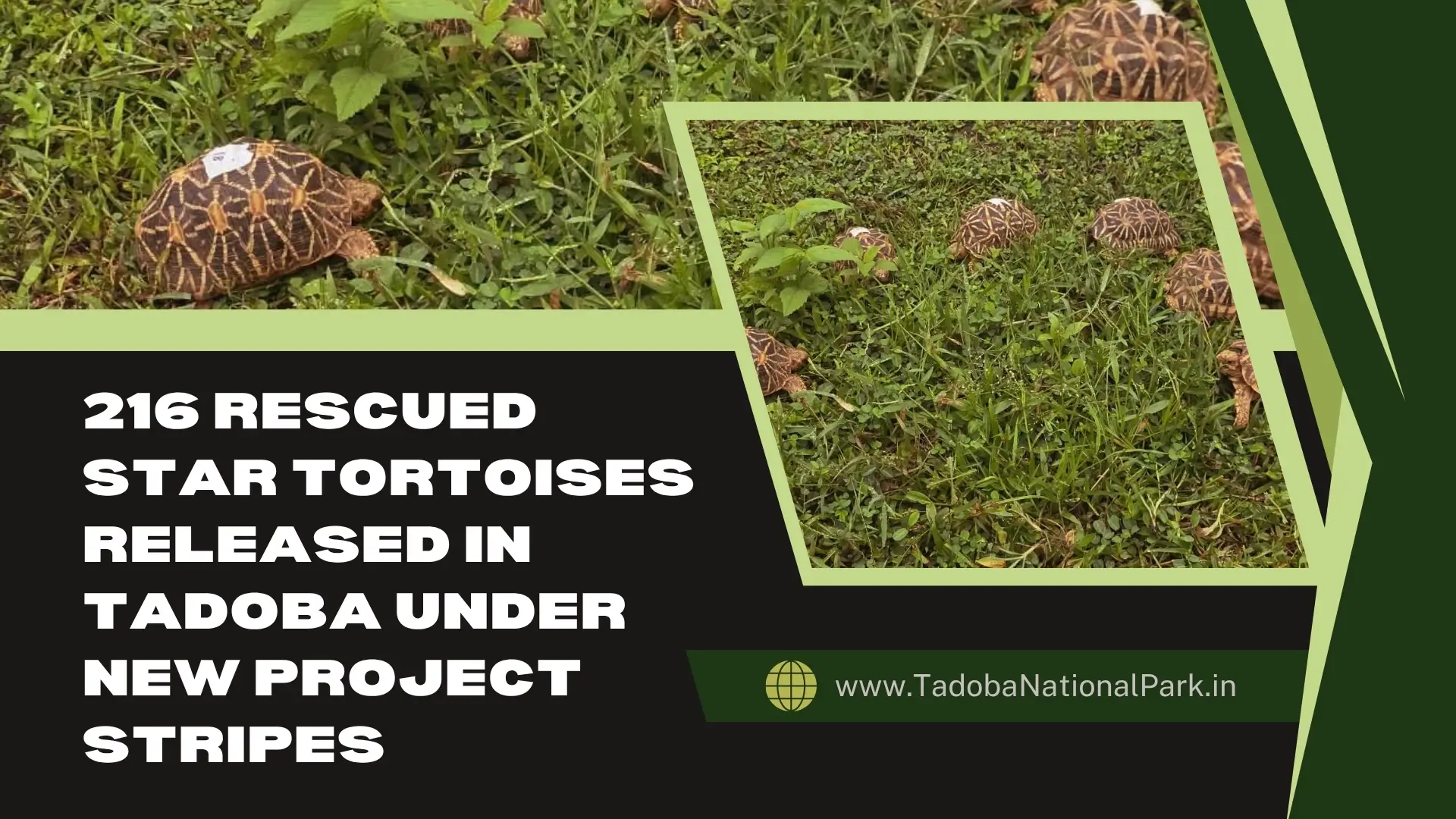
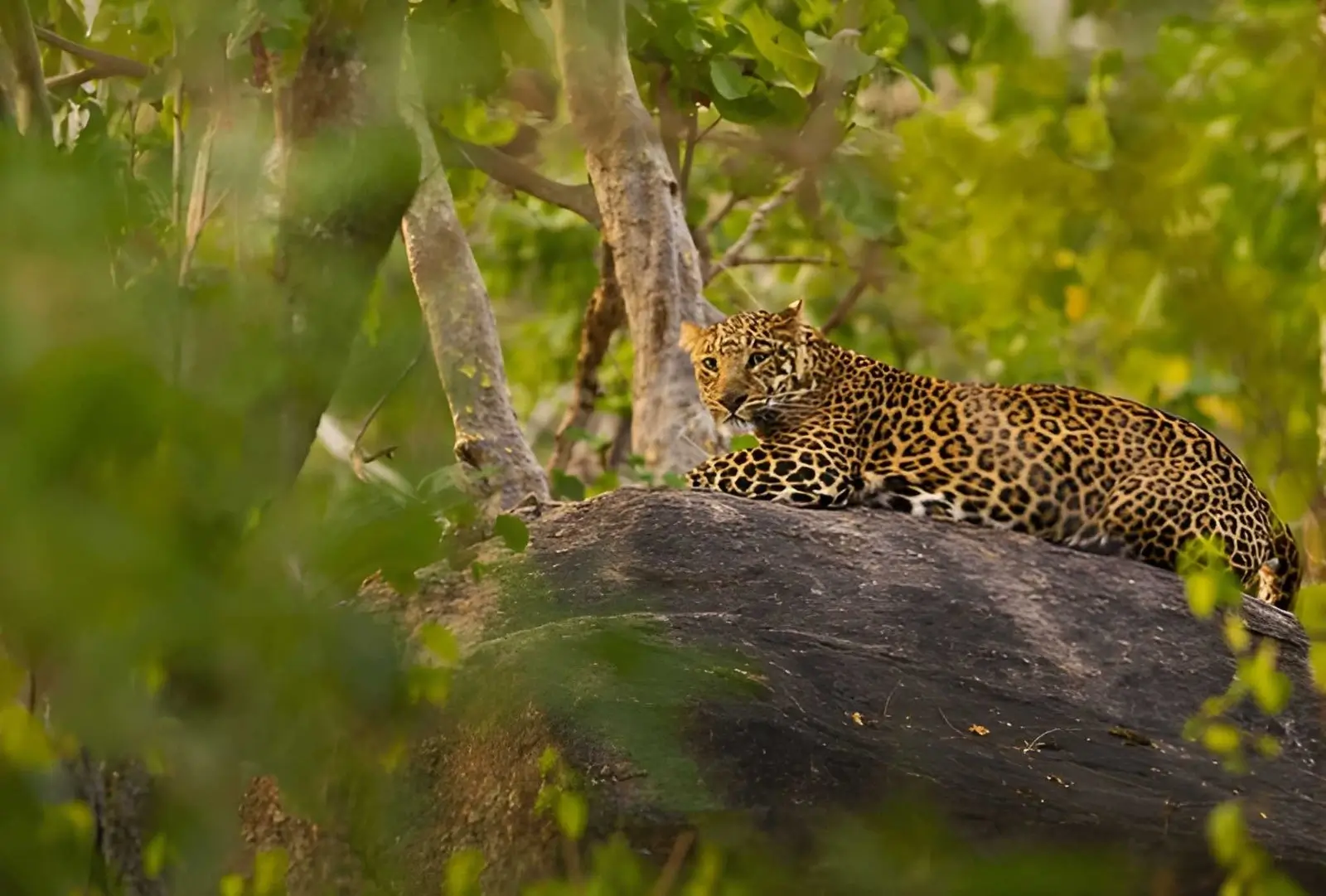
However, Tadoba National Park is not only famous for being home to the Bengal tigers, but its vibrant ecosystem also gives shelter to other mammals, such as sloth bears, Indian leopard, nilgai, guar, small Indian civet, dhole, sambar, jungle cats, chausingha, barking deer, chital and honey badger. Moreover, marsh crocodiles are found in Tadoba Lake along with water birds and raptors. Other classification like reptiles include common Indian monitor, Indian python, Indian cobra, Indian star tortoise, terrapin and Russel’s viper.

Birding in Tadoba Wildlife Sanctuary

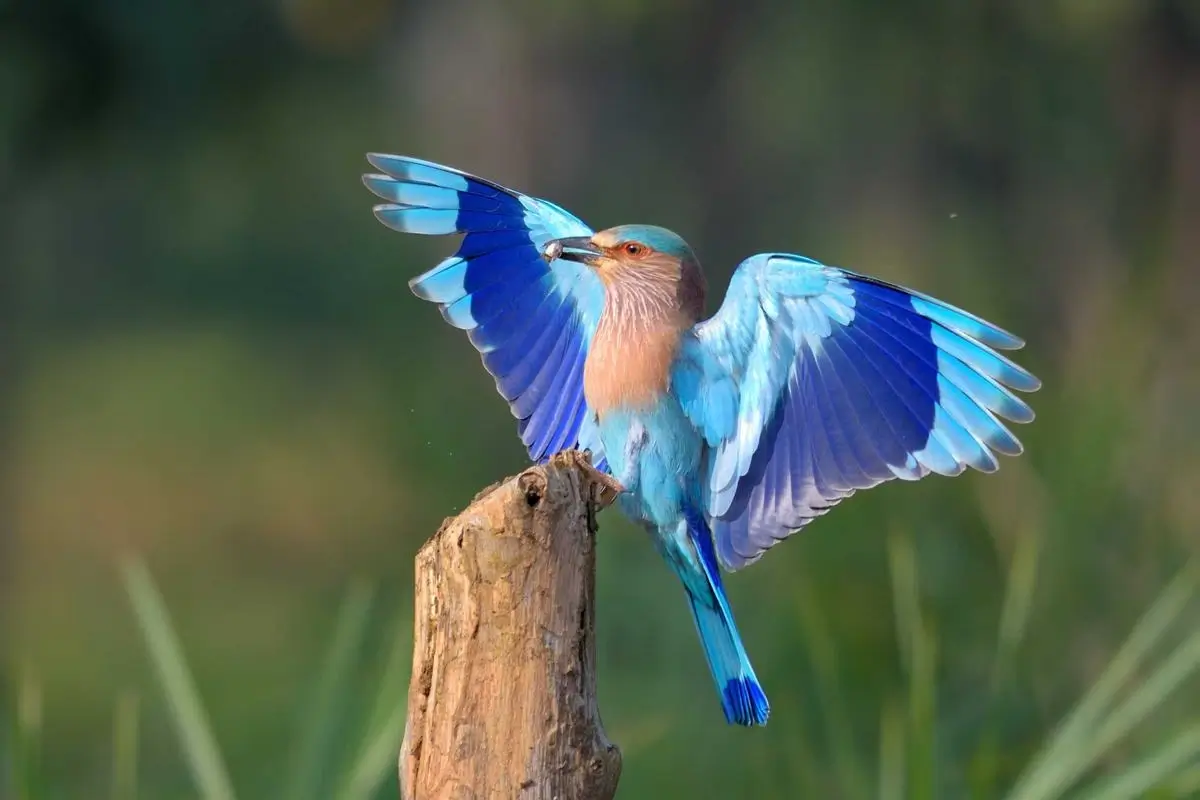
Tadoba National Park is home to around 195 species of birds, all thanks to the existence of River Andhari and Tadoba Lake inside. The list includes three endangered species besides a variety of common birds found all over the state as well as the country. Its dense forest zones, grasslands, bamboo forests, wetlands and waterbodies play a major role to make the national park one of the finest birding destinations in India.

The endangered raptor species found in Tadoba are grey-headed fish eagle, crested serpent eagle and changeable hawk-eagle. Other kinds of birds found here are Indian pitta, orange-headed thrush, Little egret, Black-winged kite, Common hawk-cuckoo, Indian cuckoo, Yellow-wattled lapwing, Mottled wood owl, Painted spurfowl, Lesser and plover, Jungle nightjar, Oriental darter, River tern, Painted francolin, Whiskered tern, Spotted redshank, Woolly-necked stork, Lesser whistling duck, Jacobin cuckoo, Little ringed plover, Bronze-winged jacana and more.

Jungle Safari in Tadoba

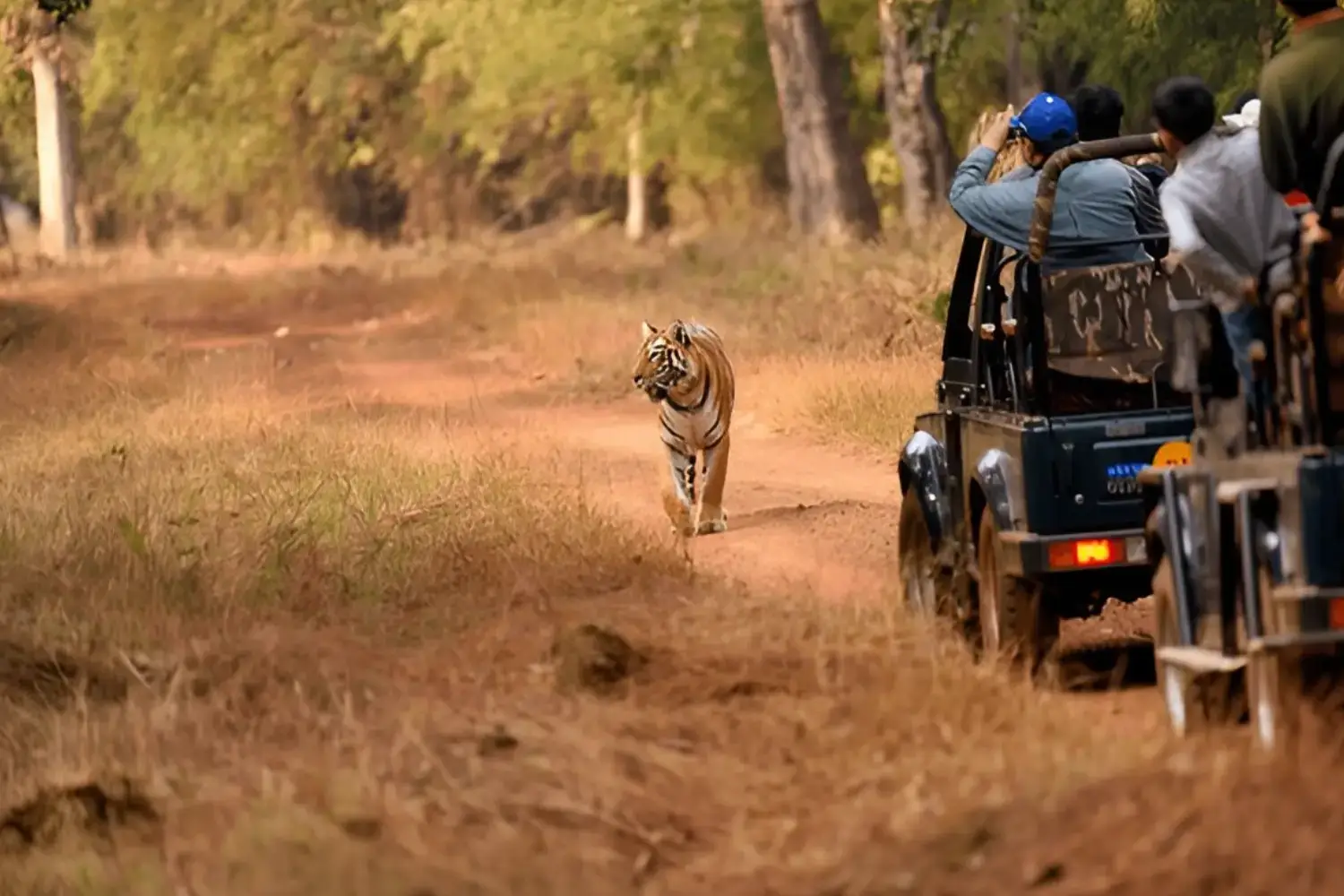
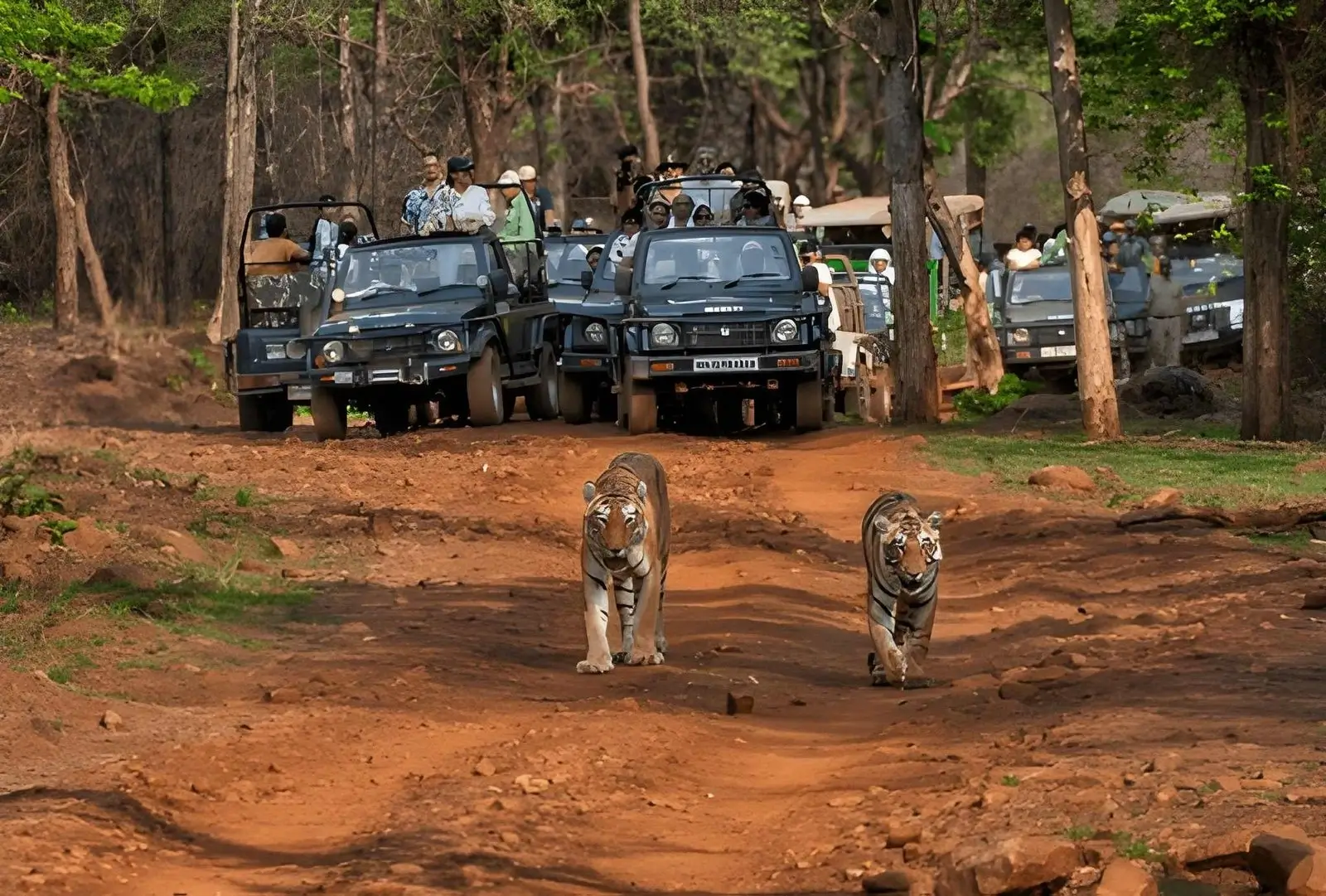
Tadoba National Park allows different types of wildlife safari inside the park. The trips are conducted in two shifts, morning and afternoon, as these are times when the animals are active. Both trips are guided by experienced guides who are experts in sharing knowledge about the park’s wildlife. The safari is categorised as follows:

  • Jeep Safari : This is the normal jeep safari where a maximum of six people are allowed per vehicle. The safari provides a close encounter with nature and wildlife for around three to four hours per shift.
  • Canter Safari : Canter Safari allows a maximum of 18 people per vehicle and it lasts for around two and a half hours. It is the budget-friendly option and suitable for larger groups and families. However, it is only available for the Moharli Core Gate.
  • Tatkal Safari : Tatkal Safari in Tadoba opens three days before the actual date and it is only available for Core Gates only.
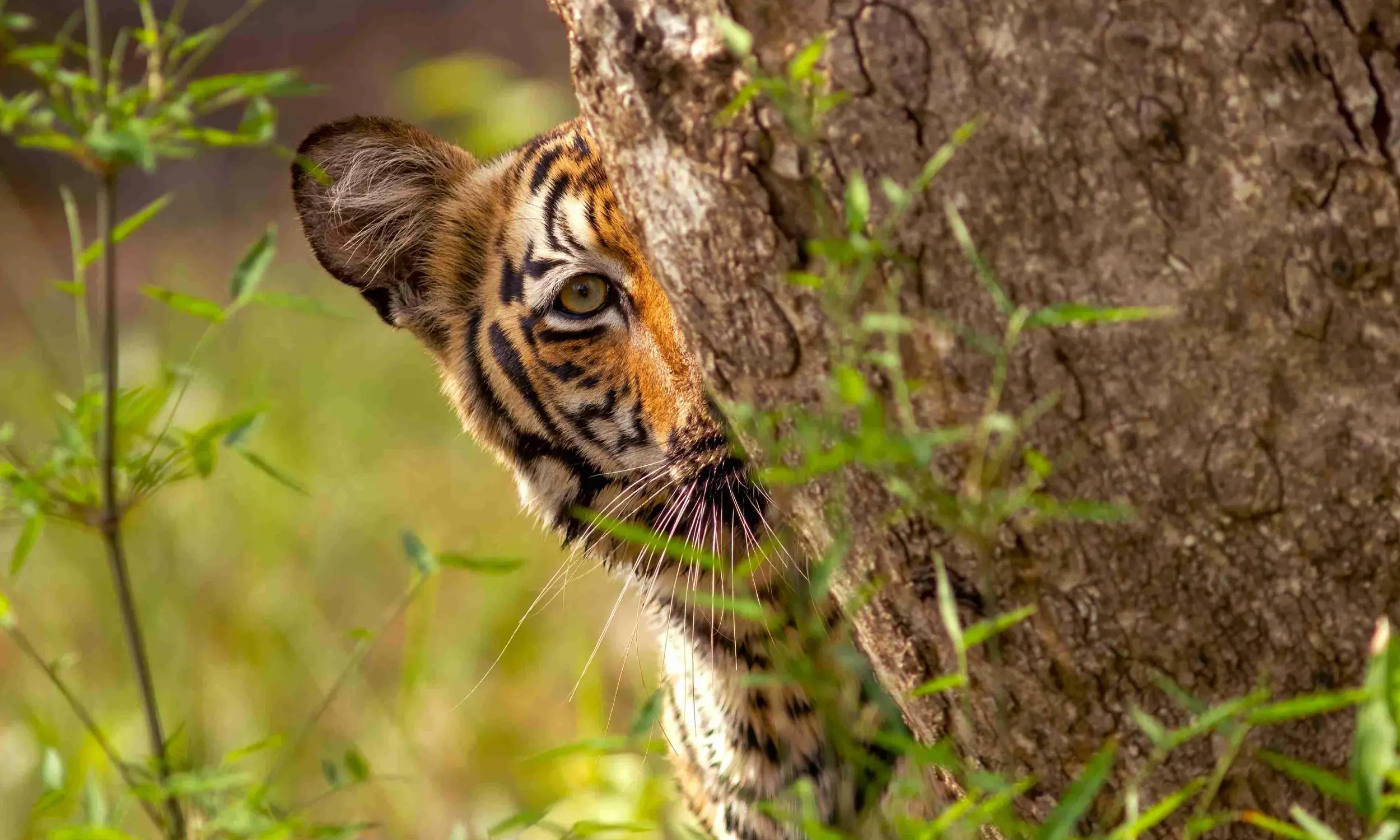
Tadoba Wildlife Safari Timings

Safari Timings in Tadoba National Park depend on the season. The park remains closed in the monsoon.

Date Morning Shift Afternoon Shift
October 1st to 31st 6 AM to 10 AM 2:30 PM to 6:30 PM
November 1st to February 28th 6:30 AM to 10:30 AM 2 PM to 6 PM
March 1st to April 30th 6 AM to 10 AM 2:30 PM to 6:30 PM
May 1st to June 30th 5:30 AM to 9:30 AM 3 PM to 7 PM

Safari Zones in Tadoba

Tadoba National Park has three core zones and each zone has two gates. The names of the core zones and their respective gates are:

  • Tadoba Zone : Kolara Gate and Navegaon Gate
  • Moharli Zone : Moharli Gate and Khutwanda Gate
  • Kolsa Zone : Zari Gate and Pangdi Gate

The buffer zones in Tadoba National Park have 16 gates and they are:

  • Agarzari Gate
  • Devada-Adegaon Gate
  • Junona Gate
  • Ramdegi-Navegaon Gate
  • Madnapur Gate
  • Mamla Gate
  • Pangadi Aswal Chuha Gate
  • Sirkada Gate
  • Zari/Peth Gate
  • Palasgaon Gate
  • Kolara Chauradeo Gate
  • Kesalghat Gate
  • Nimdela-Ramdegi Gate
  • Belara Gate
  • Alizanza Gate
  • Adegaon Gate

Best Time to Visit Tadoba National Park

Tadoba National Park remains open from October 1st to June 30 and closed from July 1st to September 30 due to the monsoon. The best time to visit the park is between December and February.

Aslo Read