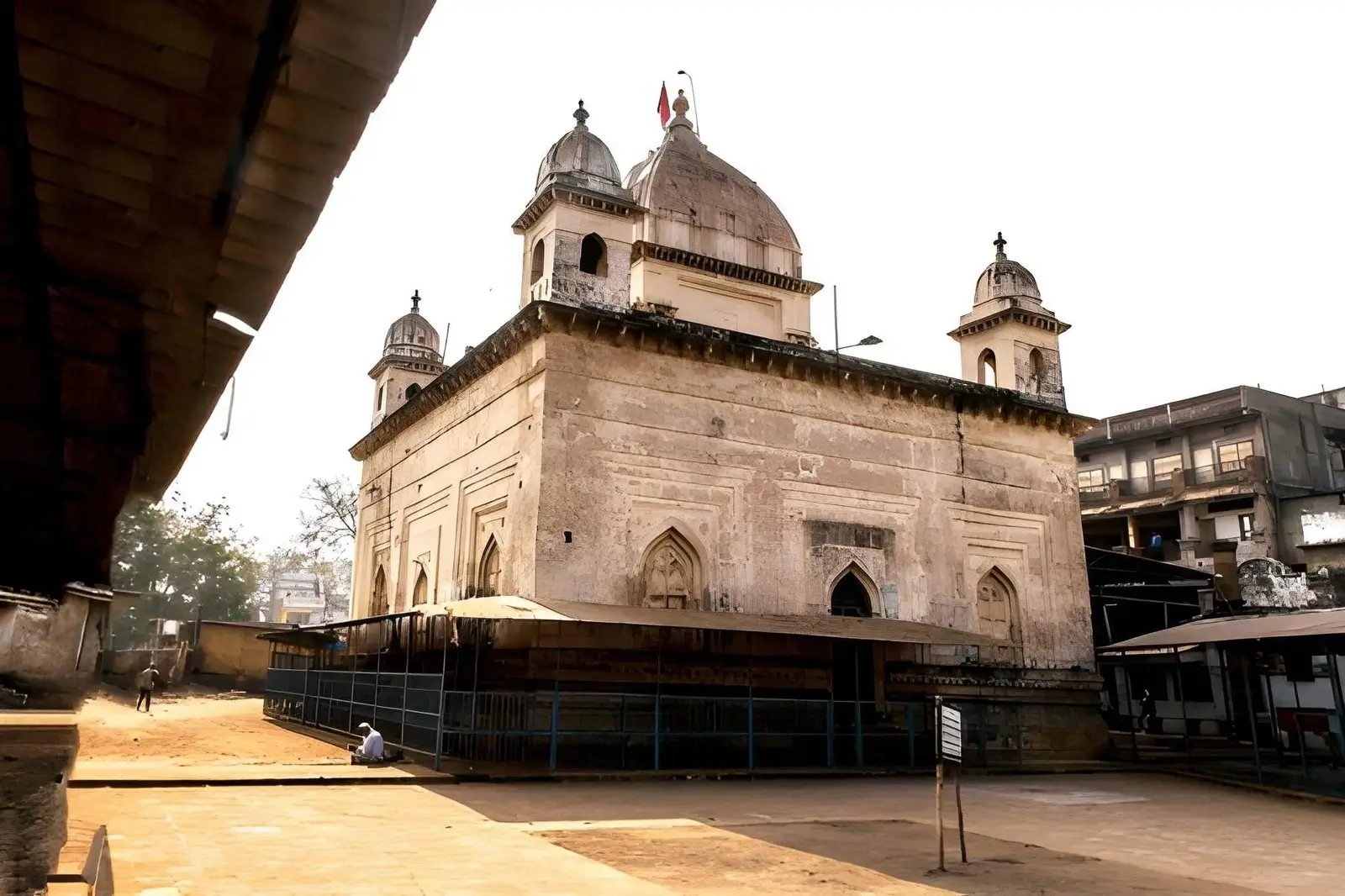
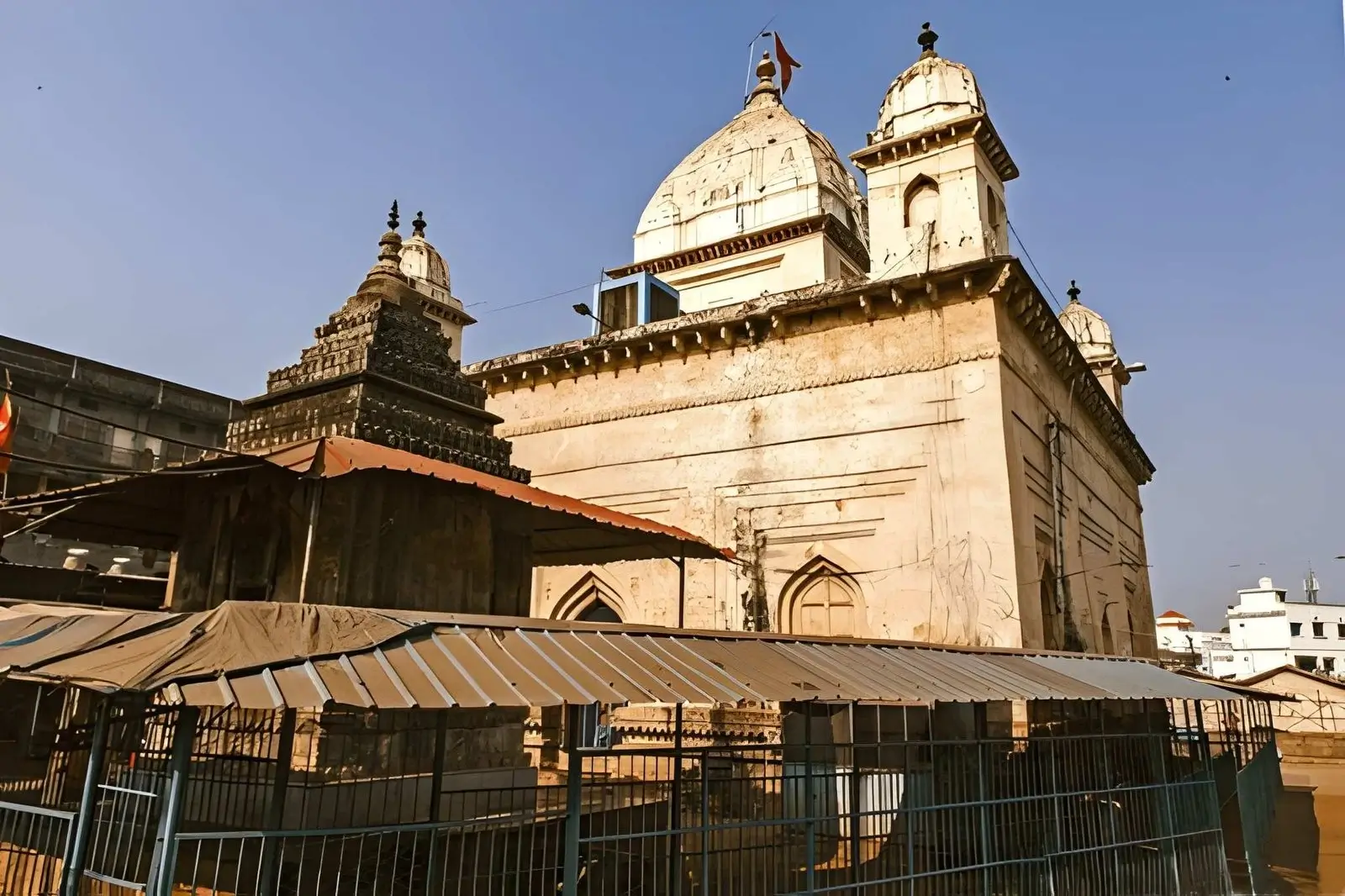
Mahakali Temple is one of the oldest and most revered Hindu temples in the Vidarbha region of Maharashtra. Situated in the heart of Chandrapur city, approximately 35 km from the Moharli Gate of Tadoba-Andhari Tiger Reserve and just 3 km from Chandrapur Railway Station, the temple is dedicated to Goddess Mahakali, the fierce manifestation of Shakti worshipped as the protector and guardian deity of the region. The temple was built by Gond king Dhundya Ram Sah in the 16th century, though its origins trace back to the 13th century and the legend of Gond king Khandkya Ballal, who is said to have discovered the original idol at this site.
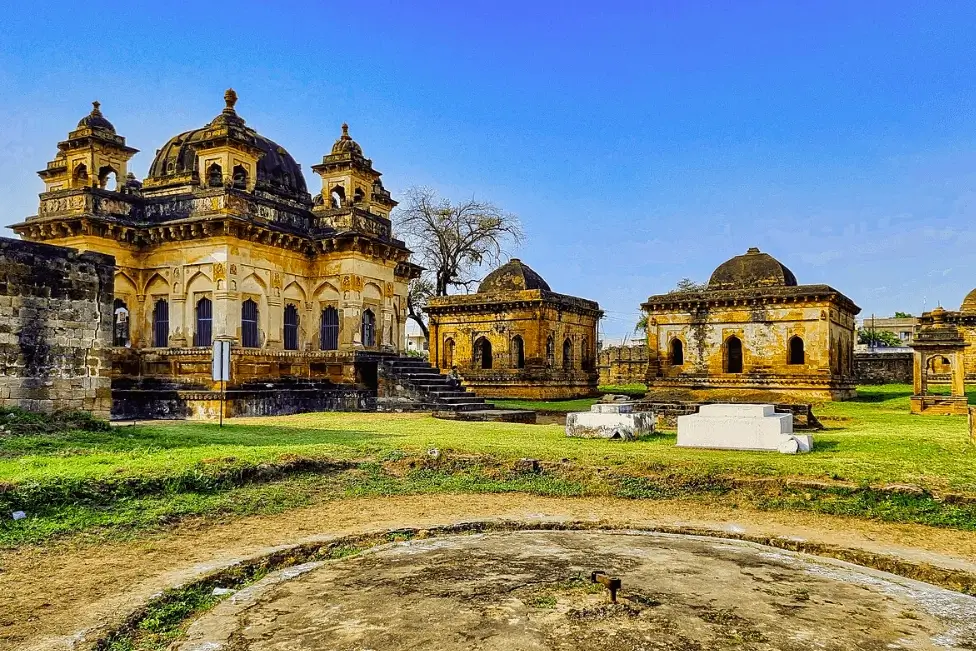
This temple is architecturally distinctive due to the blend of Tibetan and Hindu sculptural traditions on its exterior walls, a style rarely found in other Vidarbha temples. The complex holds two separate idols of Goddess Mahakali: the main standing deity in the upper sanctum, clad in red, yellow, and orange, and a reclining idol housed in an underground chamber accessible only through a narrow tunnel beneath the shrine. This dual-idol arrangement is considered unique among Shakti temples in Maharashtra and is the single most talked-about feature among visiting devotees and travelers alike.
The temple has two entrances. The rear entrance features sub-shrines for Lord Ganesh and Lord Shani (worshipped on Saturdays). The front entrance features a Hanuman shrine. Both entrances are flanked by small shops selling puja supplies: coconut, flowers, cloth, and traditional offerings. Tuesday is the most significant day for worship, drawing the largest weekday crowds. The temple also hosts the annual Mahakali Utsav fair in April, one of the biggest cultural and religious events in the Chandrapur district, alongside the Chaitra and Sharad Navratri celebrations that bring thousands of pilgrims from across Maharashtra, Telangana, and Chhattisgarh.
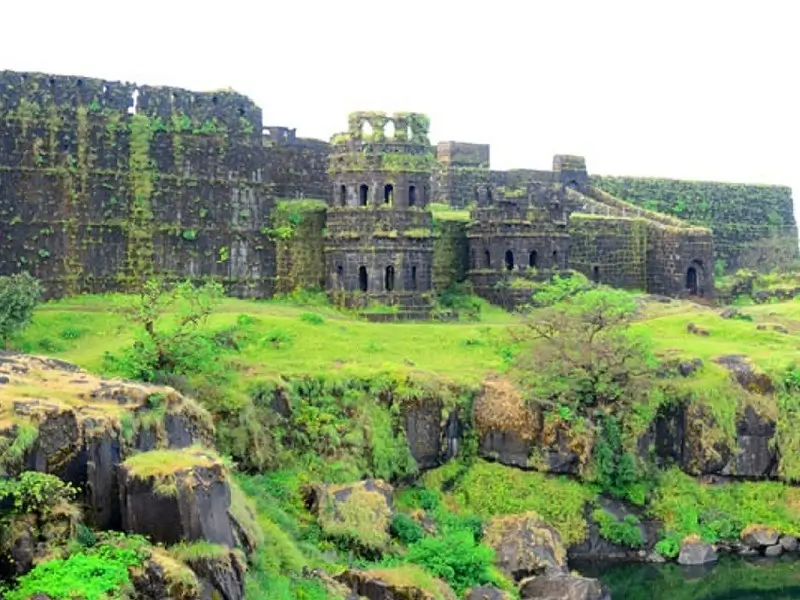
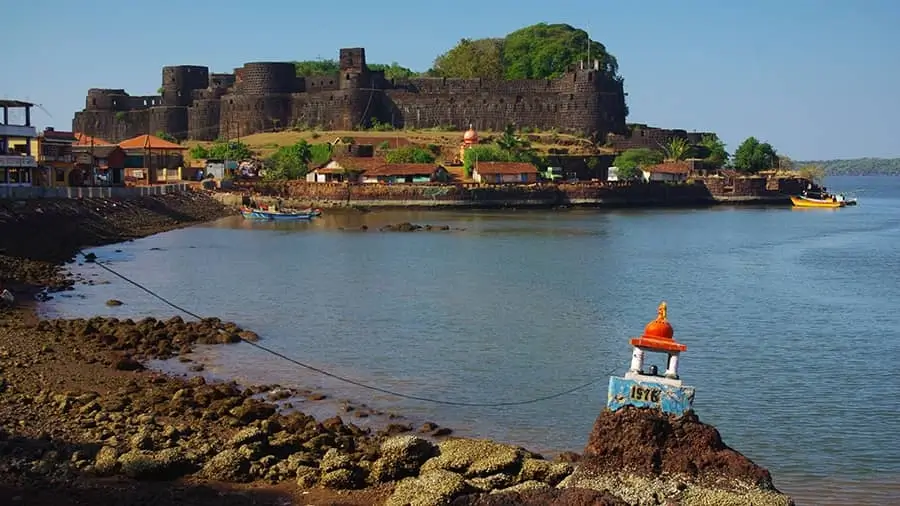
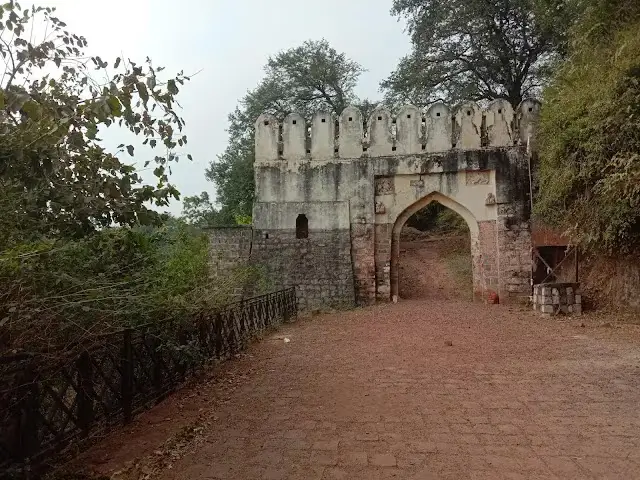
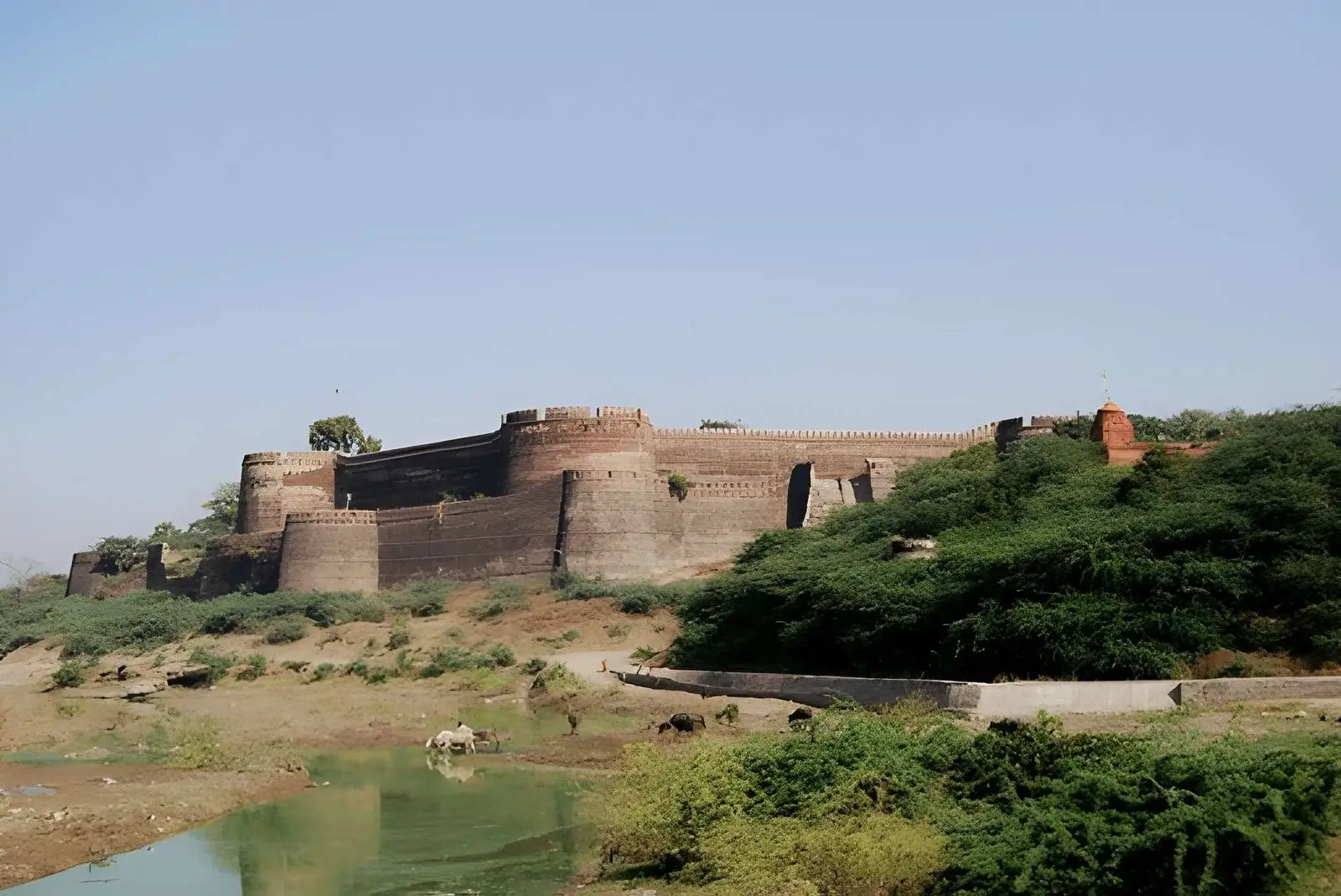
For Tadoba visitors, the temple fits comfortably into the midday safari break or a half-day Chandrapur heritage circuit combined with Chandrapur Fort (5 km away) and Ballarpur Fort (16 km from Chandrapur).
History of Mahakali Mandir
The temple as it stands today was constructed in the 16th century under Gond king Dhundya Ram Sah, who expanded Khandkya Ballal's original shrine into a grand temple complex with fortified gateways, pillared mandapas, the underground tunnel sanctum, and the sub-shrines for Ganesh, Shani, and Hanuman. Dhundya Ram Sah was also responsible for the construction of Chandrapur Fort and the expansion of the Gond capital. The temple complex includes a self-manifested (Swyambu) Lingam connected to the primary idol, reinforcing the site's Shaivite significance alongside its Shakti worship.
Legend
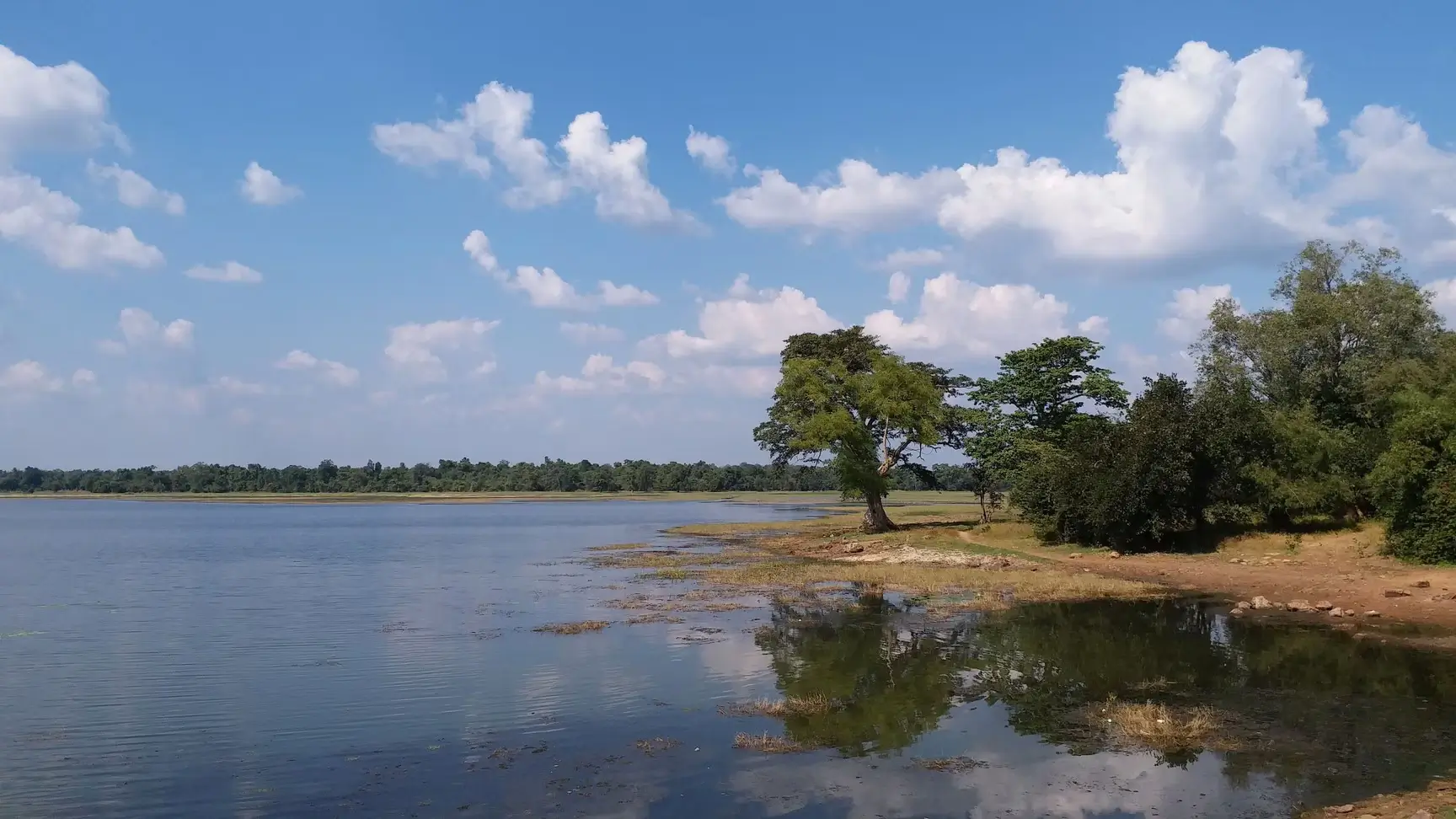
The temple's origin is rooted in the legend of Gond king Khandkya Ballal. According to local legend, Khandkya Ballal, son of Gond king Surja (also known as Ser Sah), came to the throne in the 13th century with his body covered in tumors. No treatment could heal him. On the advice of his wife, he left Sirpur and settled on the northern bank of the Wardha River, where he built the fort of Ballalpur. One day, while hunting northwest of Ballalpur, the king grew thirsty and found water trickling from a hole in the dry bed of the Jharpat River. After drinking and washing his face, hands, and feet, he slept soundly for the first time in his life. By morning, many of his tumors had disappeared. The king attributed his healing to divine intervention and, upon discovering an idol of Goddess Mahakali at the site, built a small shrine in gratitude.
Over the centuries, successive rulers and local communities continued to maintain and renovate the temple. A dharmashala (pilgrim rest house) within the temple premises provides accommodation and prasad distribution for visiting devotees. Today, the temple is not a monument frozen in time but a fully active place of worship, with daily rituals, weekly Tuesday observances, and annual festivals that remain central to Chandrapur's cultural identity.
Timings and Entry Fee
Timings may extend during Navratri, Mahashivratri, the Mahakali Utsav (April), and other major festivals when special puja schedules are observed.
Highlights of Mahakali Temple, Chandrapur
Note : If timing permits, visit on a Tuesday for the busiest and most energetic atmosphere, or during the April Mahakali Utsav for the full festival experience. The Chaitra Navratri (March-April) and Sharad Navratri (September-October) festivals bring elaborate rituals, devotional music, religious processions, and significantly larger crowds. Arrive early during festival periods to avoid long queues.
Best Time to Visit Mahakali Temple
How to Reach Mahakali Mandir?
Mahakali Temple is in the center of Chandrapur city, approximately 35 km from Tadoba's Moharli Gate (about 45 minutes to an hour by road). Chandrapur Railway Station is just 3 km from the temple; auto-rickshaws, taxis, and app-based cabs from the station reach the temple in 10 to 15 minutes. Dr. Babasaheb Ambedkar International Airport, Nagpur, is approximately 150 km away (3 to 3.5 hours by road via NH-353D).
The temple is in the heart of the city, so ATMs, restaurants, pharmacies, and accommodation are all within walking distance. Parking is available near the temple but can get crowded during festivals. If combining with Chandrapur Fort (5 km) and Ballarpur Fort (16 km from Chandrapur), hire a local taxi for the half-day circuit.
Top Recommended Travel Tips