A Complete Guide to Maharashtra's Hidden Wilderness.
Tucked away in the Gondia district of eastern Maharashtra, Nagzira Wildlife Sanctuary remains one of the state's most rewarding yet underrated destinations for wildlife lovers. Away from the crowds that often gather at India's more famous tiger reserves, this sanctuary offers a quieter, more immersive forest experience: dense teak woodlands, shimmering lakes, and a genuine chance of spotting big cats without the long queues of jeeps that mark busier parks. For travellers exploring Maharashtra tourism beyond its cities and coastline, Nagzira is a destination well worth the detour.
History of Nagzira Fitting into Maharashtra's Wildlife Map
Declared a wildlife sanctuary in 1970, Nagzira spans roughly 152 square kilometres across the Gondia and Bhandara districts. In 2012, the Maharashtra state government announced the merger of Nagzira with the neighbouring Navegaon National Park under Project Tiger, and in December 2013 the combined landscape was officially notified as the Nawegaon-Nagzira Tiger Reserve (NNTR), the 46th tiger reserve in India and the fifth in Maharashtra.
The reserve encompasses five protected areas: Nawegaon National Park, Nawegaon Wildlife Sanctuary, Nagzira Wildlife Sanctuary, New Nagzira Wildlife Sanctuary, and Koka Wildlife Sanctuary. This designation has placed Nagzira firmly on the map for serious wildlife travellers, offering an alternative to more heavily visited reserves like Tadoba while still delivering strong sighting potential for tigers, leopards, and a wide range of other species.
The decision to bring these fragmented forest patches under a unified tiger reserve reflects a broader conservation strategy across central India, where connecting smaller protected areas into larger corridors helps support healthier, more genetically diverse wildlife populations.
For tigers, which require large home ranges to thrive, this kind of landscape-level protection has proven far more effective than managing isolated pockets of forest. The NNTR now serves as a critical corridor linking Pench Tiger Reserve in Maharashtra with Indravati Tiger Reserve in Chhattisgarh, facilitating tiger dispersal and genetic exchange across central India. The result is a reserve that, while smaller in scale than some of Maharashtra's flagship parks, punches well above its weight in ecological significance.
Nagzira's Landscape: Forest, Water, and Wildlife Habitat
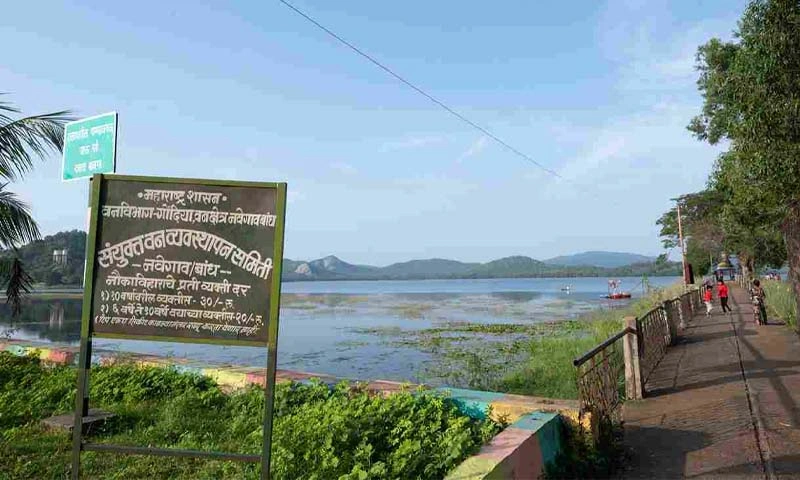
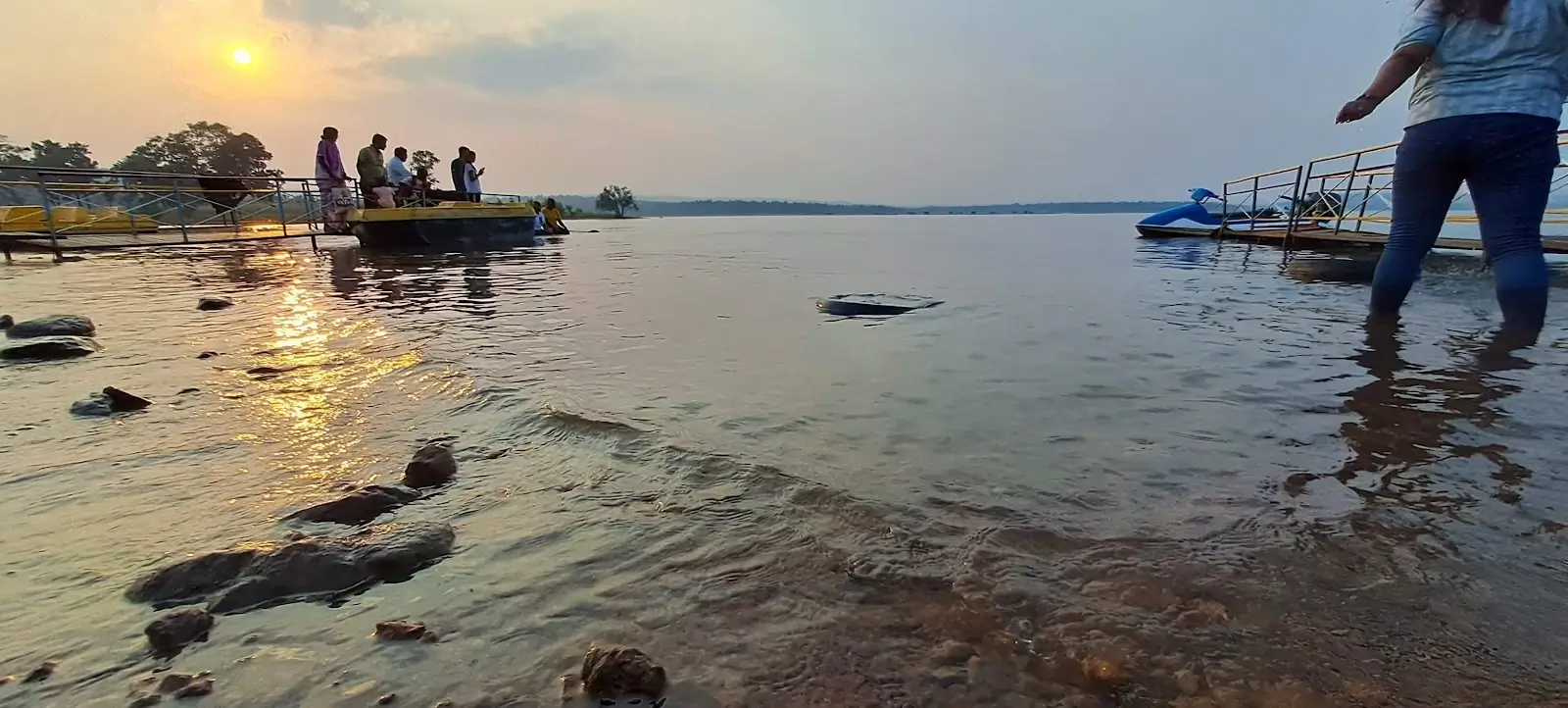
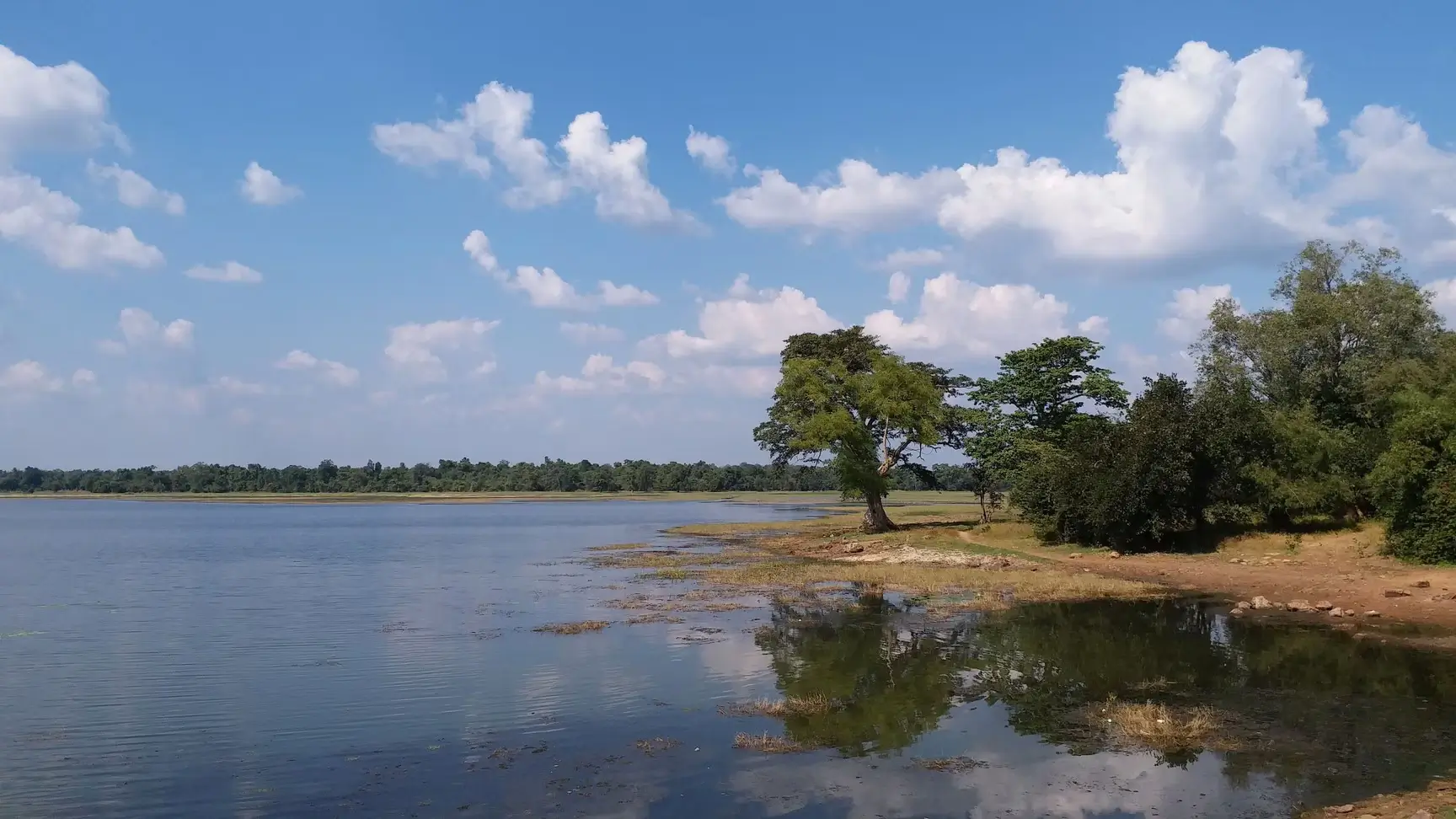
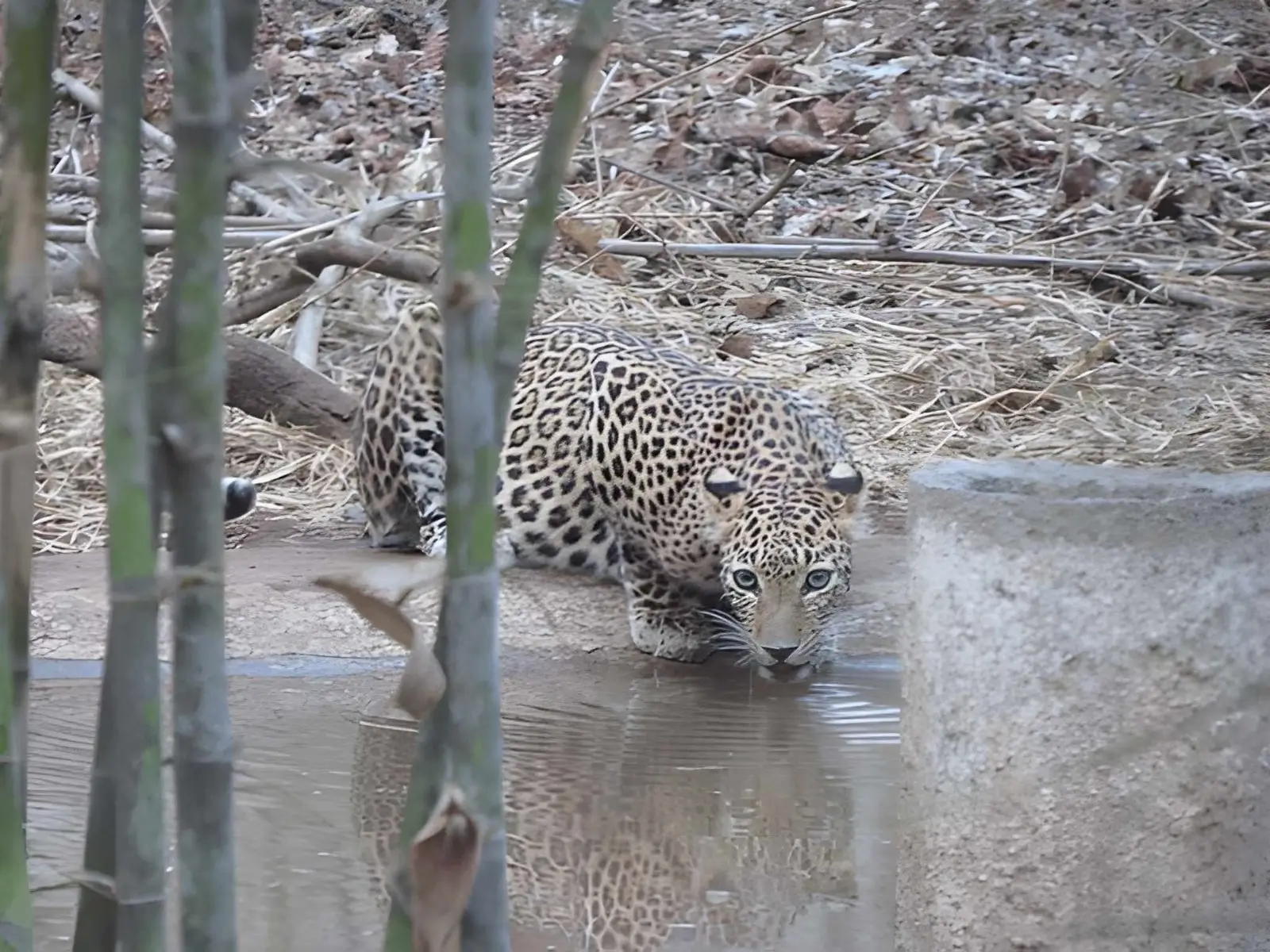
Though many visitors search for it as Nagzira National Park, it is officially classified as a wildlife sanctuary. Regardless of the designation, the terrain delivers. A mix of dry deciduous forest dominated by teak and bamboo is interspersed with small lakes, streams, and rolling hills. Nagzira Lake, at the heart of the sanctuary, serves as a crucial water source for wildlife, particularly during the dry summer months, and is one of the best spots for patient visitors to observe animals coming to drink. The combination of dense forest cover and open water bodies creates a rich mosaic of habitats, supporting a level of biodiversity that surprises many first-time visitors who arrive expecting a more modest reserve.
Flora and Fauna in Nagzira Wildlife Sanctuary
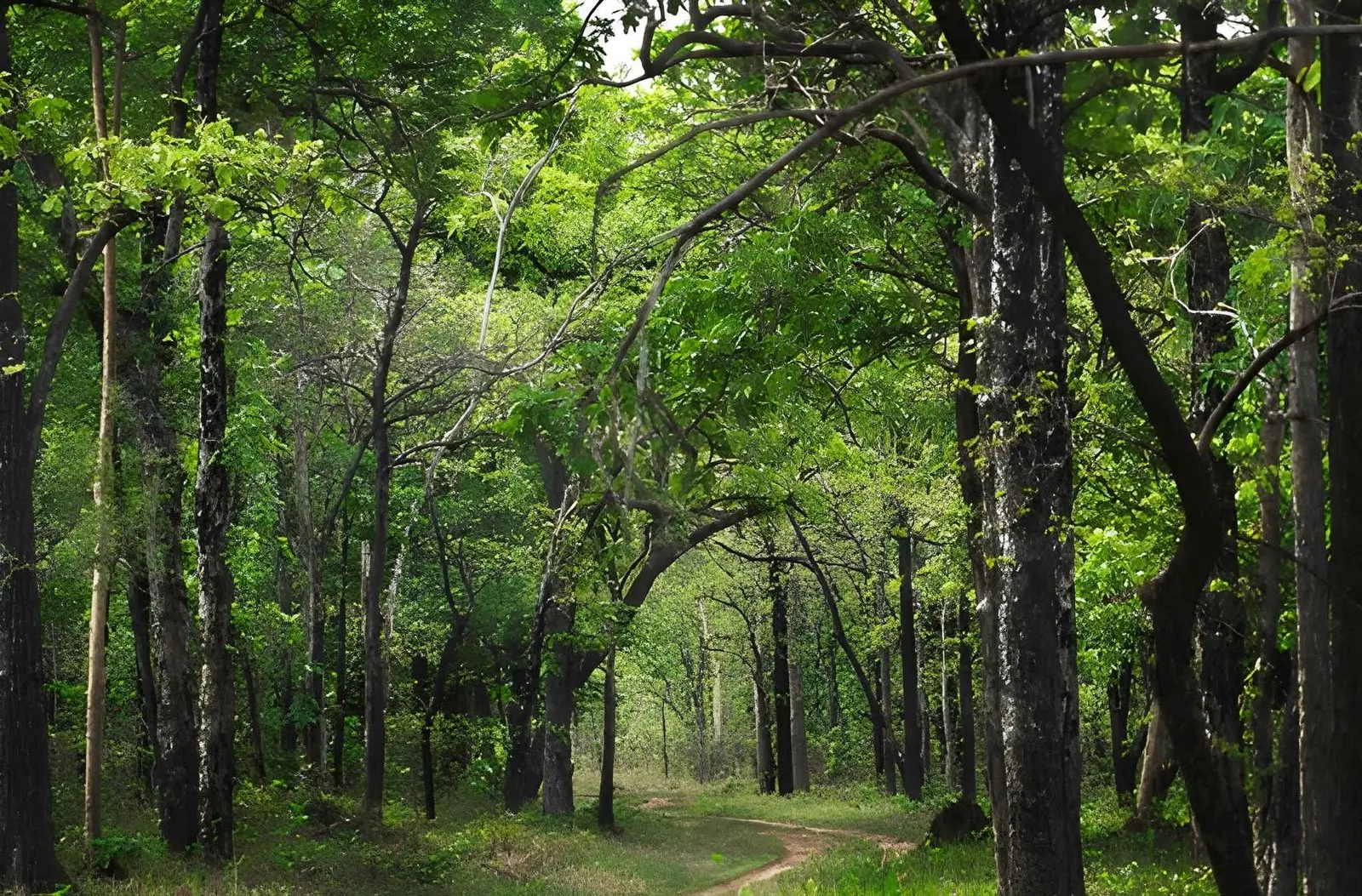
The flora and fauna in Nagzira Wildlife Sanctuary reflect the broader ecology of central India's forest belt. The vegetation is predominantly southern tropical dry deciduous forest, with teak, tendu, mahua, and bamboo forming the dominant canopy, interspersed with grassy meadows that open up sightlines for wildlife viewing.
| Category | Species | Highlights |
|---|---|---|
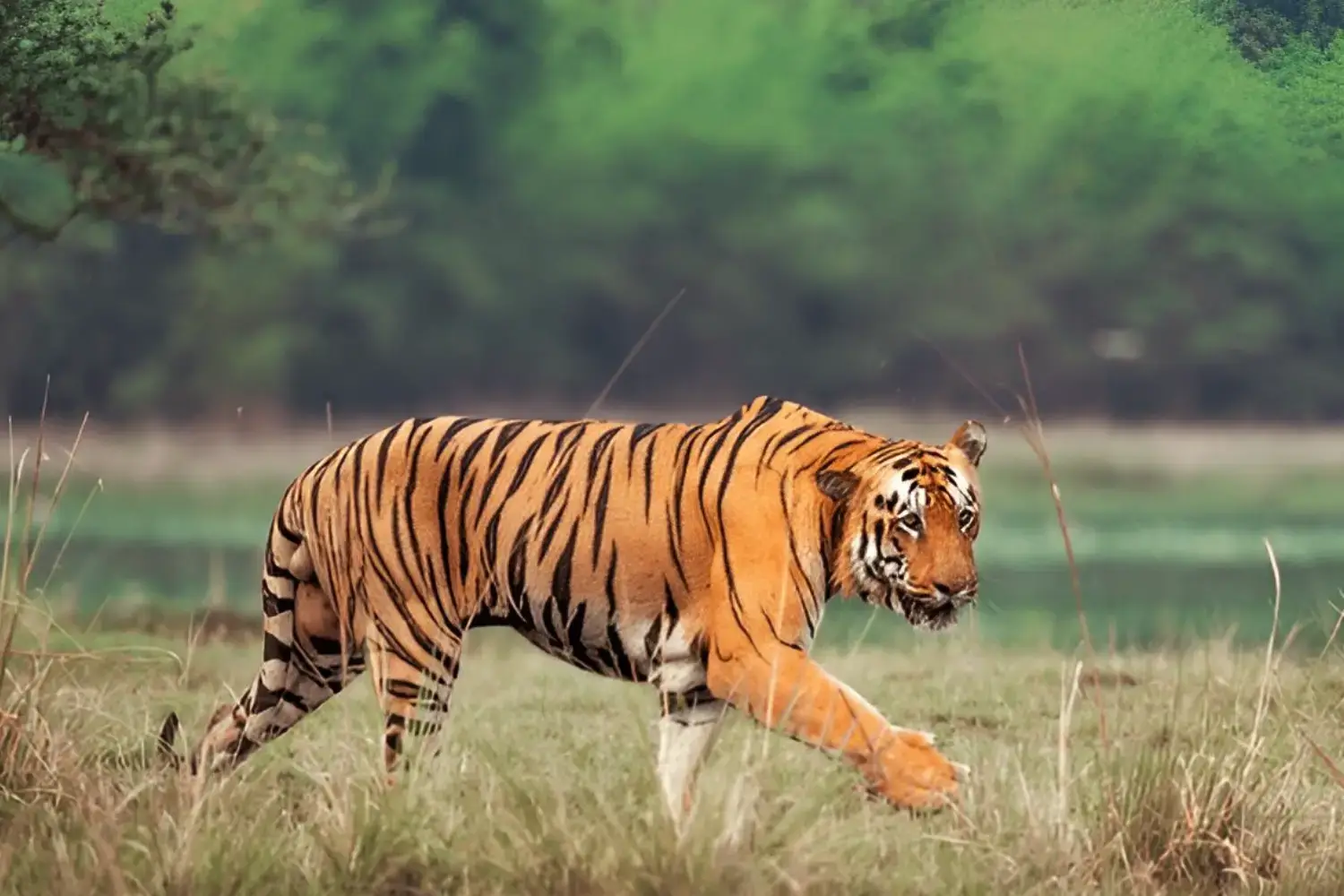
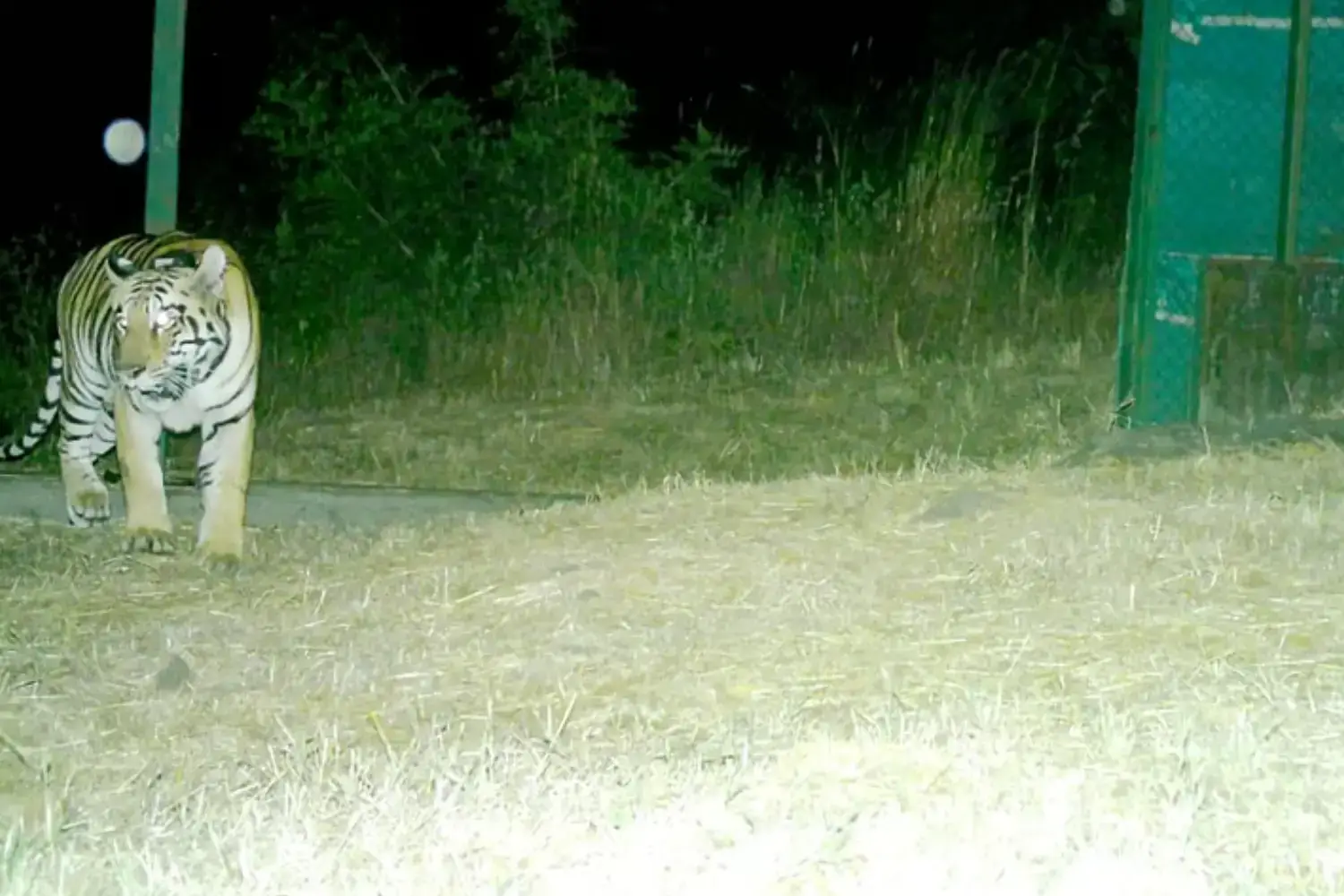
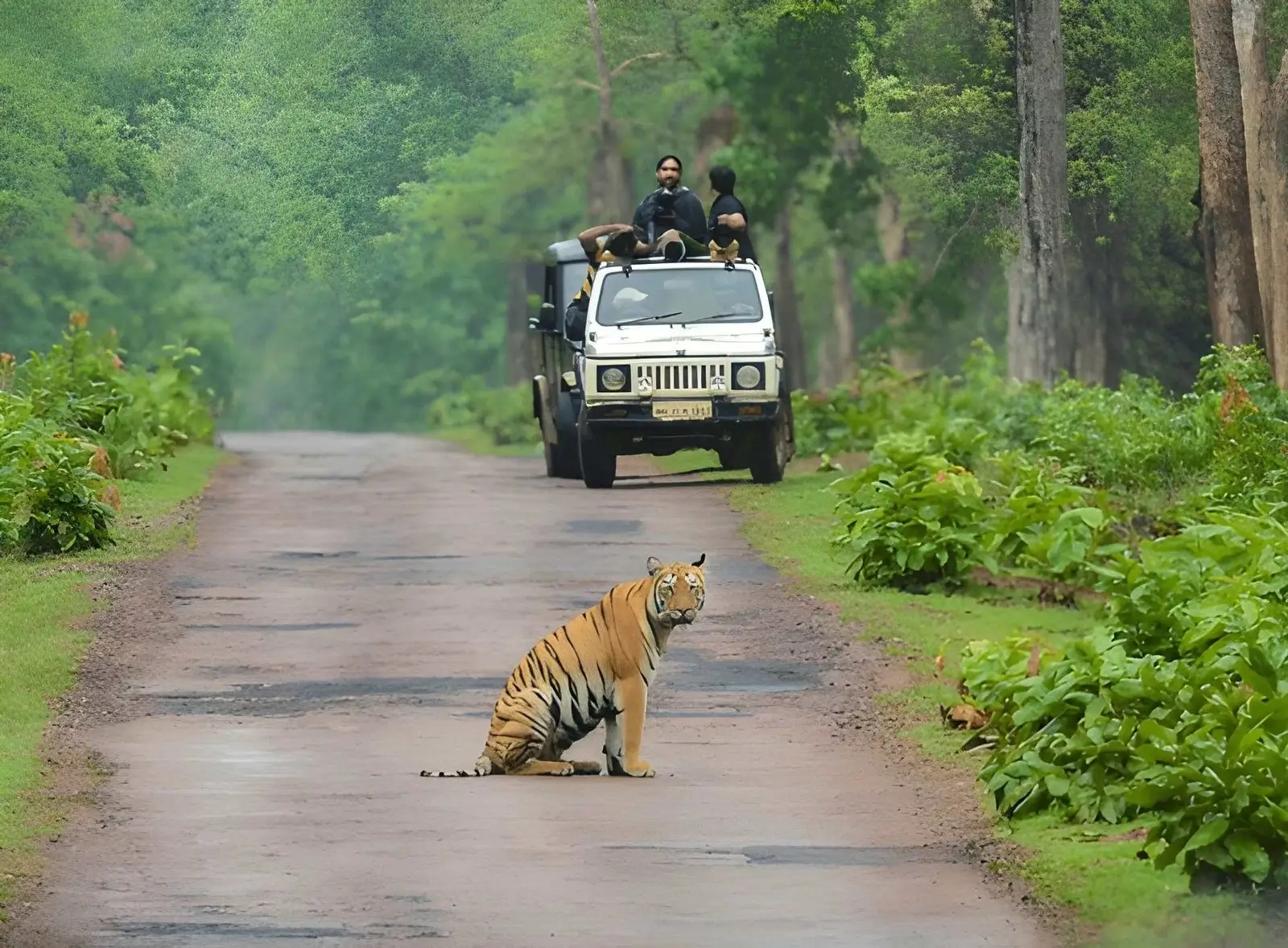
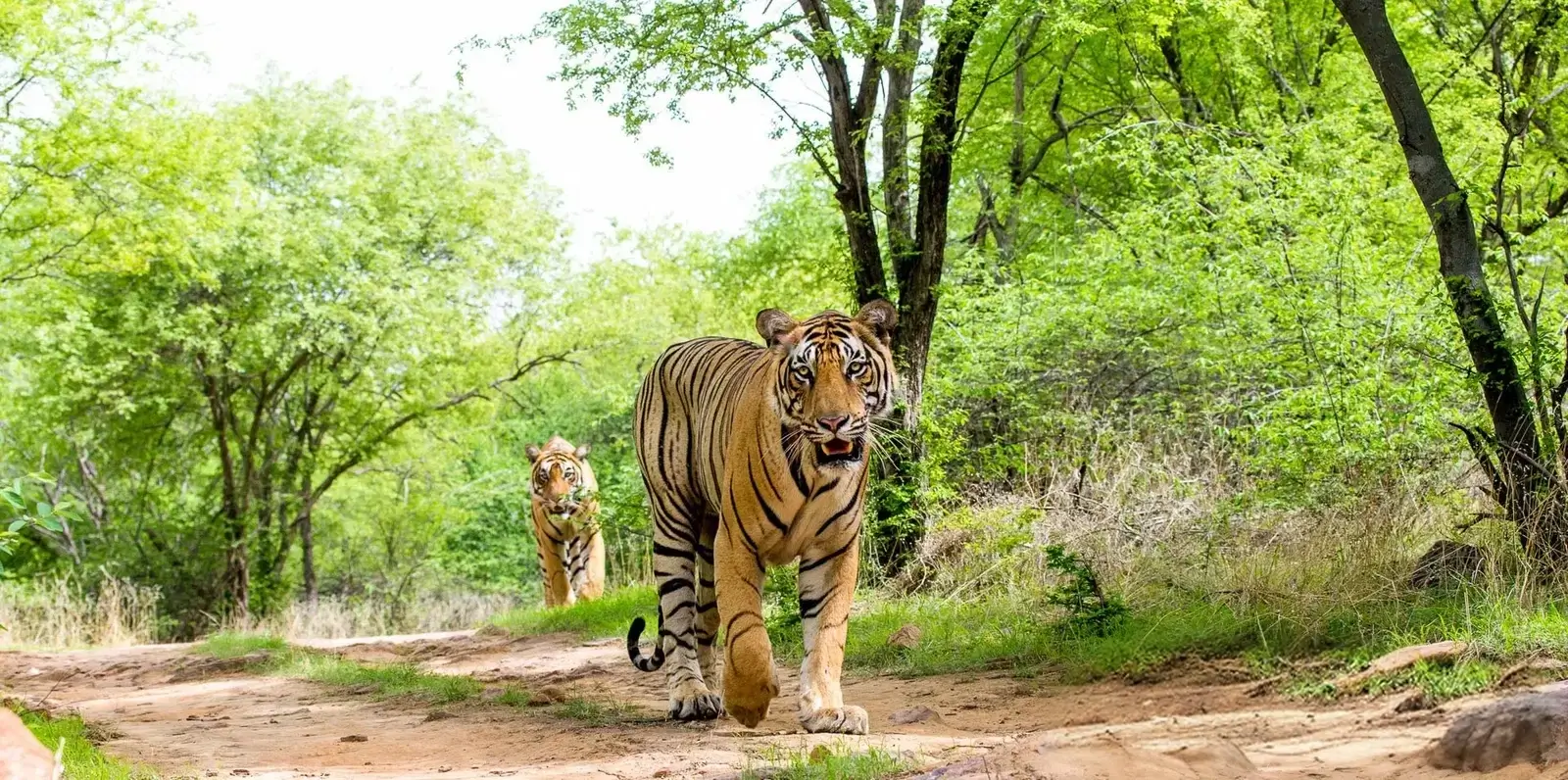
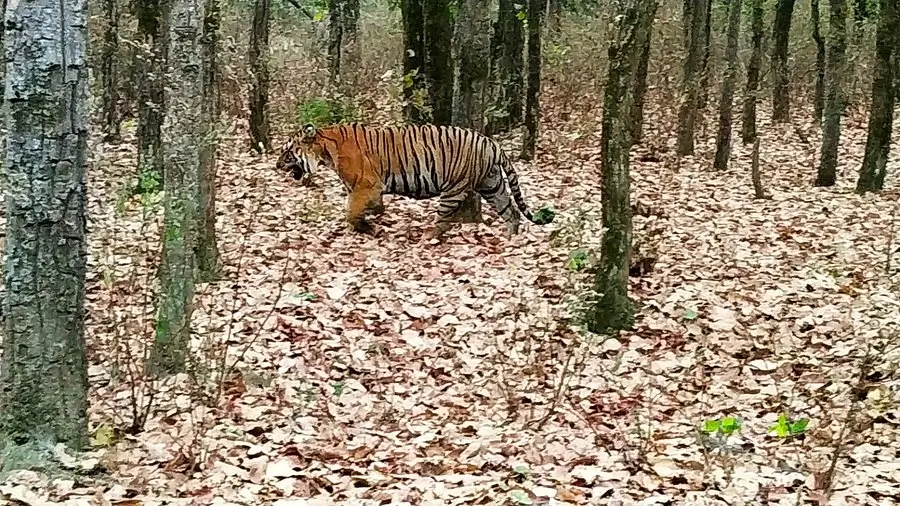
| Apex Predators | Bengal Tiger | Present in healthy numbers relative to the sanctuary's size |
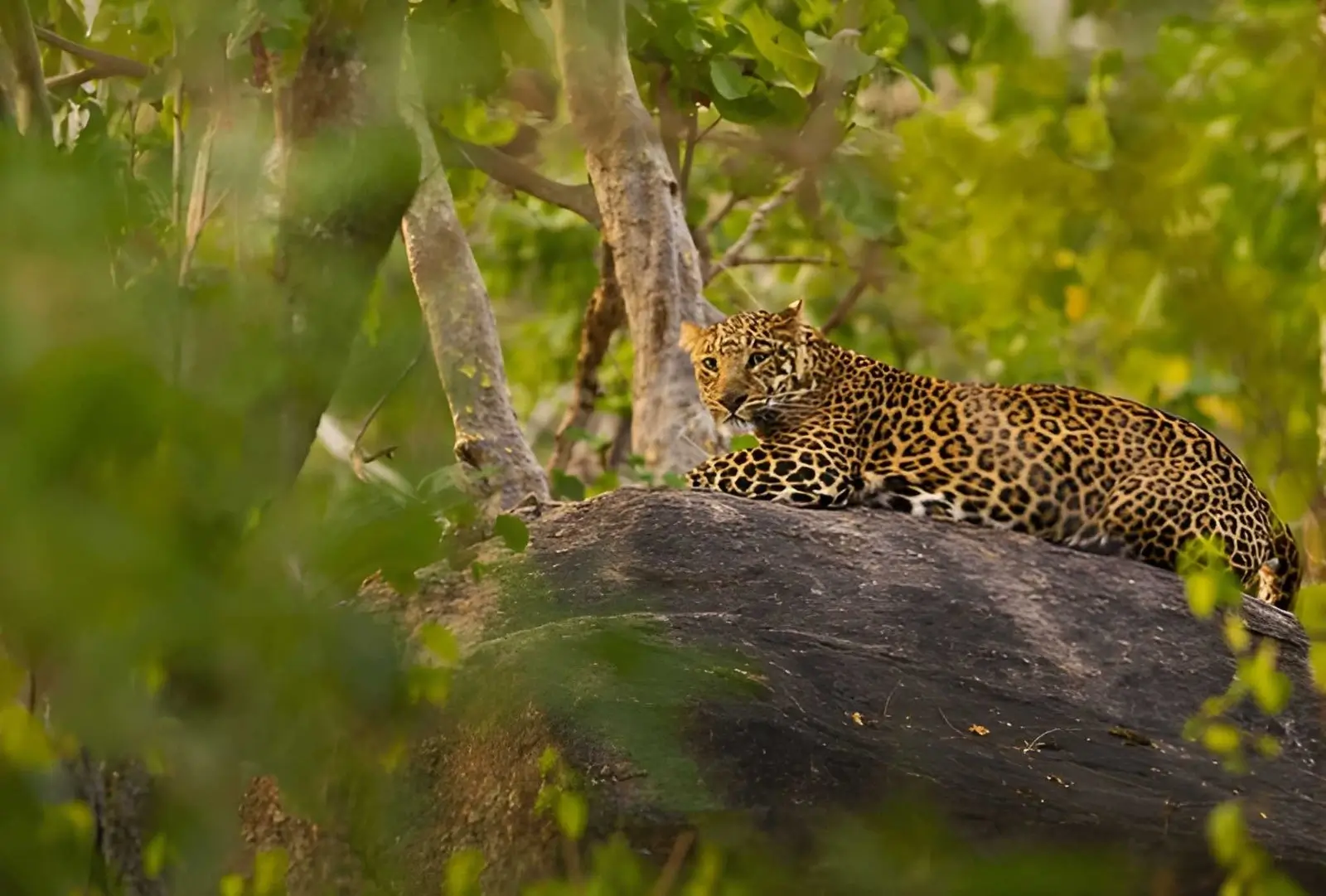
| Apex Predators | Indian Leopard | Frequently sighted across forested zones |
| Apex Predators | Dhole (Indian Wild Dog) | Hunts in coordinated packs; a memorable sighting when spotted |
| Carnivores/Omnivores | Sloth Bear | Common in dry deciduous forest patches |
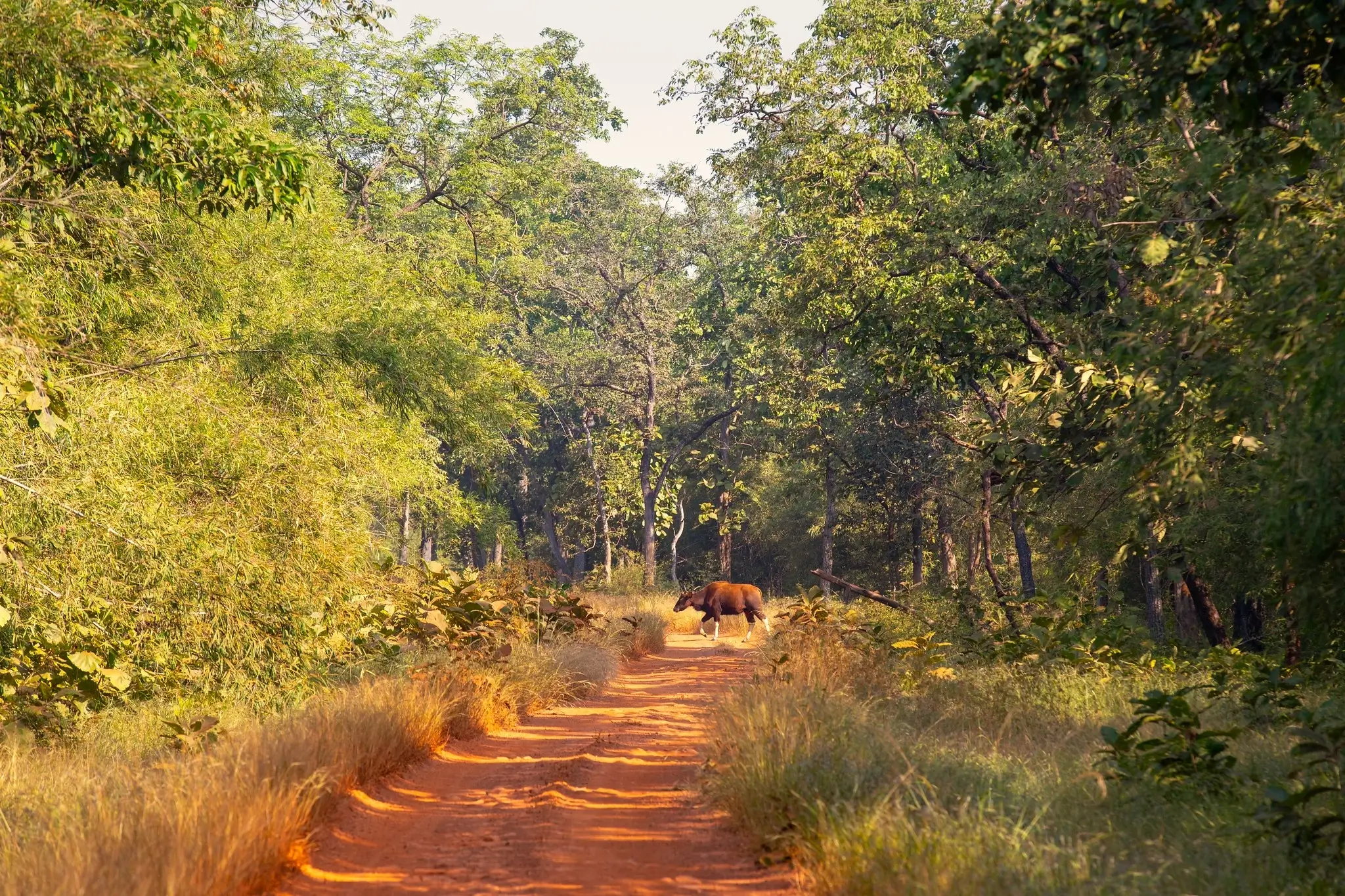
| Large Herbivores | Indian Gaur | The largest wild bovine, seen in forest clearings and meadows |
| Herbivores | Sambar Deer | A major prey species found near waterholes and dense cover |
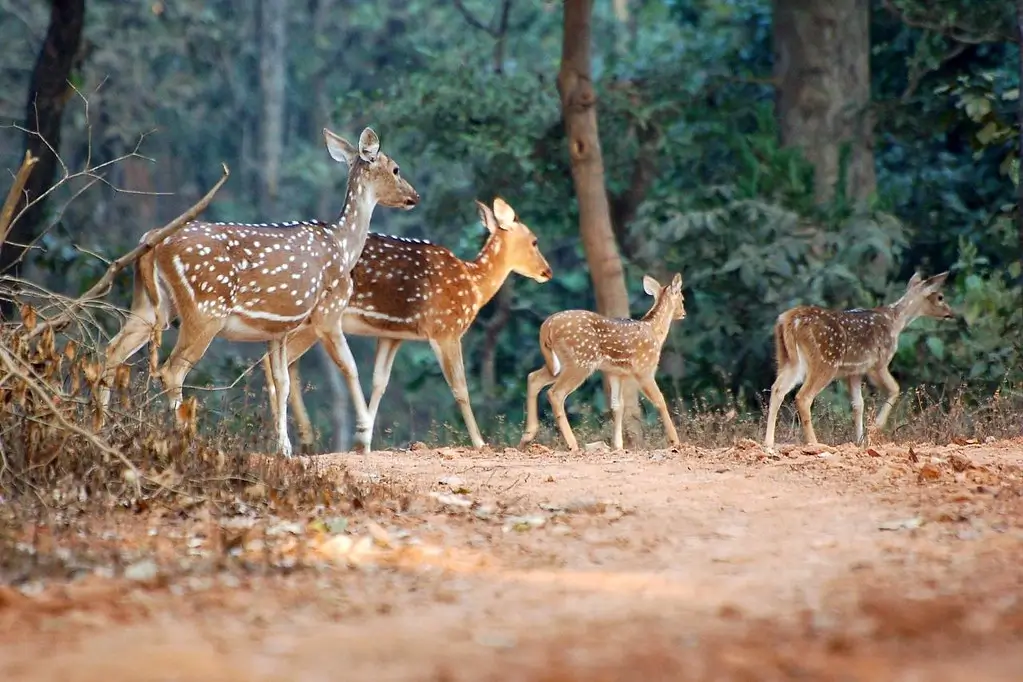
| Herbivores | Chital (Spotted Deer) | One of the most abundant deer species in the sanctuary |
| Herbivores | Barking Deer (Muntjac) | A shy, smaller deer found in thick undergrowth |
| Herbivores | Nilgai | Commonly found in open forest and grassland areas |
| Herbivores | Four-Horned Antelope (Chausingha) | One of the few places in India where this rare species can be reliably seen |
| Birds (166 recorded species) | Indian Pitta | A colorful, ground-dwelling bird spotted in dense undergrowth |
| Birds | Crested Serpent Eagle | A common raptor across forested tracks |
| Birds | Paradise Flycatcher | Known for the male's striking elongated tail feathers |
| Birds | Owls and Woodpeckers | Multiple species thriving in the sanctuary's dense forest cover |
| Reptiles | Marsh Crocodile | Found around Nagzira Lake and other water bodies |
| Reptiles | Monitor Lizard | Sighted across rocky terrain and forest edges |
| Reptiles | Russell's Viper, Indian Cobra | Inhabit the sanctuary's undergrowth and rocky outcrops |
Wildlife Safari in Nagzira Sanctuary
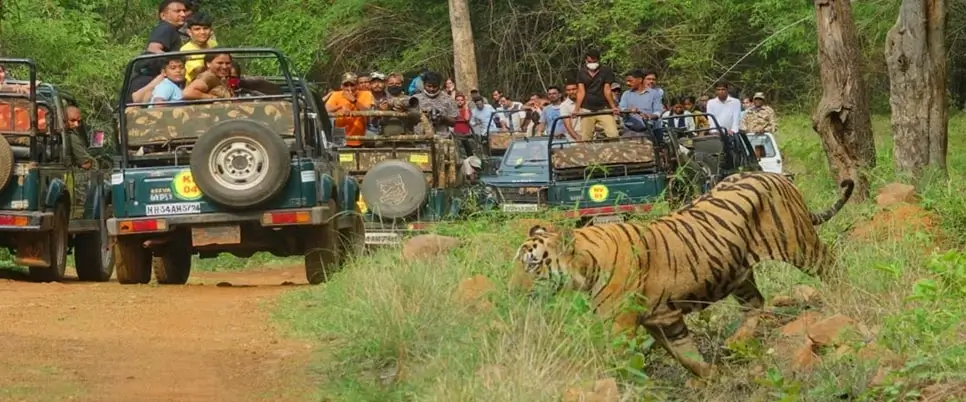
A wildlife safari in Nagzira Sanctuary is conducted as a jeep safari in morning and afternoon sessions, timed to align with peak animal activity when temperatures are cooler and wildlife moves more freely near water sources and open clearings. Unlike some of Maharashtra's more crowded reserves, Nagzira's relatively lower visitor volume means safaris here often feel less rushed, giving guides more room to track animal movement patiently rather than racing between sighting reports.
| Safari Zone | Entry Gate | Terrain | Jeep Capacity |
|---|---|---|---|
| Chorkhamara | Pitezari Gate | Hilly terrain with dry deciduous forests and dense canopy cover | 20 jeeps at a time |
| Umarzai | Jambhadi Gate | Transitional landscapes from dry forest to lush meadows, views of Navegaon Lake | 20 jeeps at a time |
Best Time to Visit Nagzira Wildlife Sanctuary
The best time to visit Nagzira Wildlife Sanctuary is between November and April, when the weather is dry and animals gather more predictably around water sources as forest ponds and streams begin to shrink. The months of March and April, though hot, are often considered prime for tiger sightings, as the dwindling water supply concentrates wildlife activity around Nagzira Lake and a handful of other reliable watering points. The sanctuary typically remains closed to visitors from mid-June to September, both to protect the breeding cycles of resident wildlife and because the terrain becomes difficult to navigate during heavy rains.
How to Reach Nagzira Wildlife Sanctuary?
Where to Stay Near Nagzira?
Accommodation options around Nagzira range from forest department rest houses located within or close to the sanctuary boundary to private eco-resorts and lodges in the surrounding villages, many of which are designed to blend into the natural landscape while offering comfortable amenities. Booking well ahead is advisable during the peak winter and early summer months, when demand for both safari permits and nearby stays rises considerably.
Nearby Attractions Worth Visiting
Travellers with extra time can combine a trip to Nagzira with a visit to Navegaon National Park, now part of the same tiger reserve, known for its scenic lake and rich birdlife, including large congregations of migratory waterfowl during the winter months.