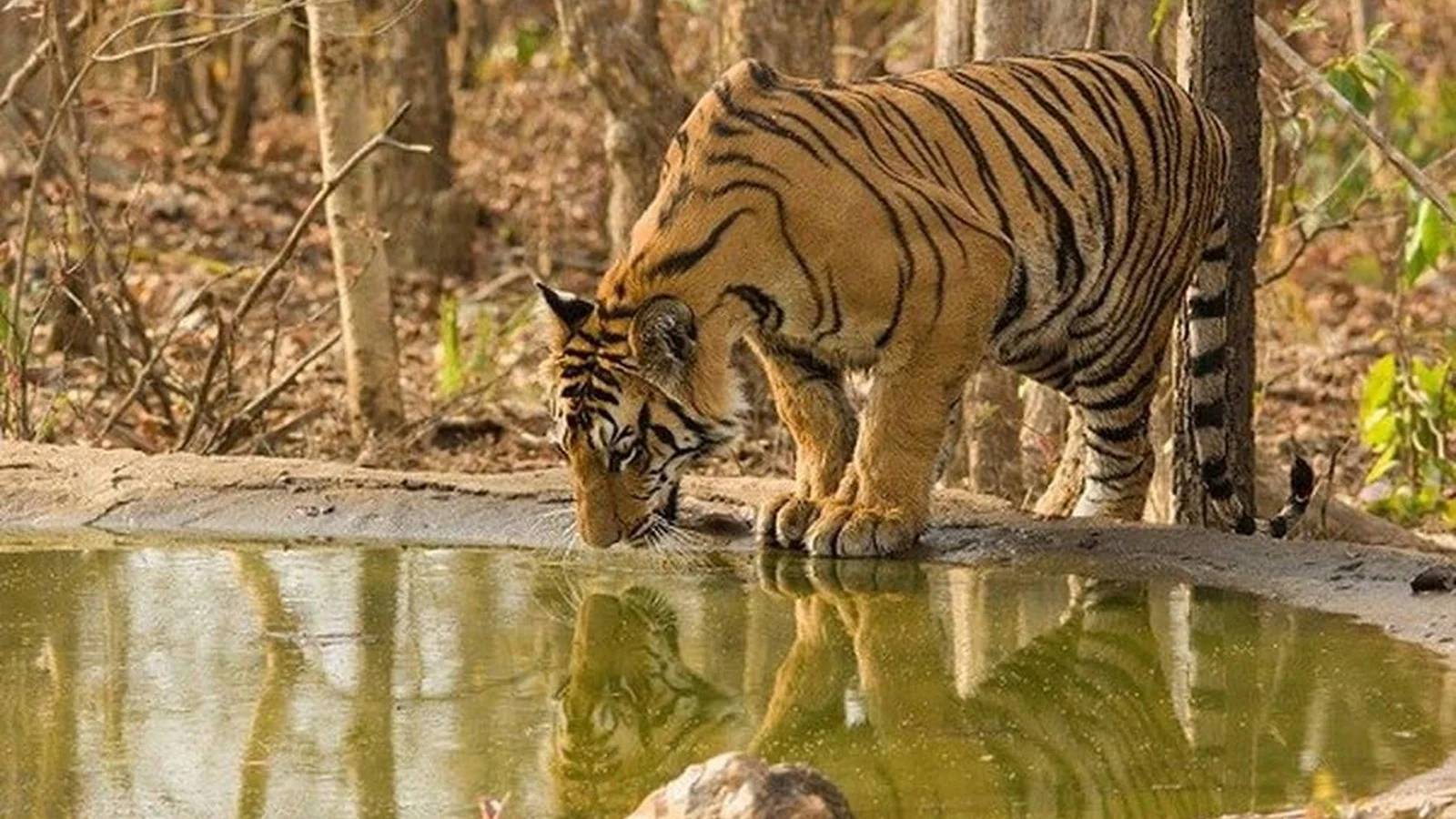
Maharashtra's Lakeside Birdwatching Destination
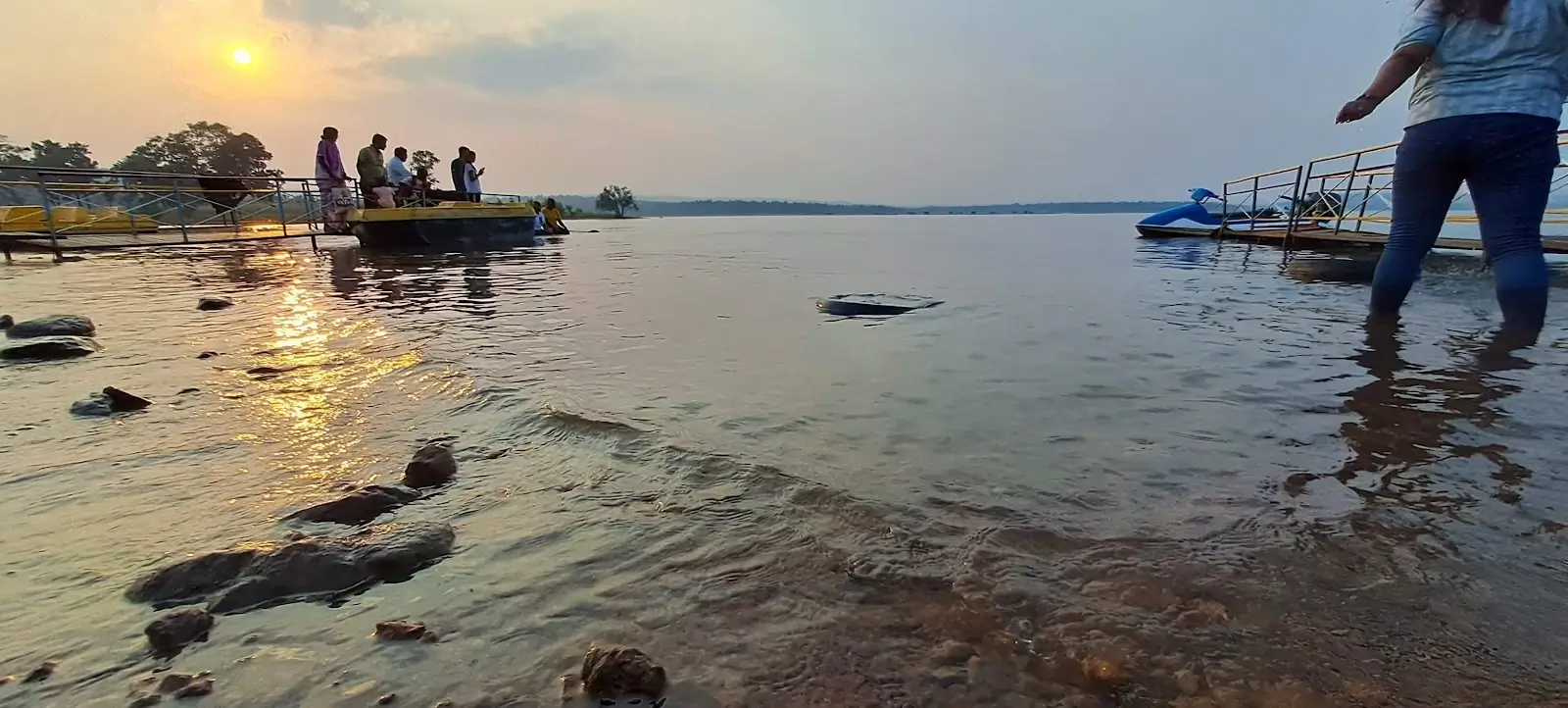
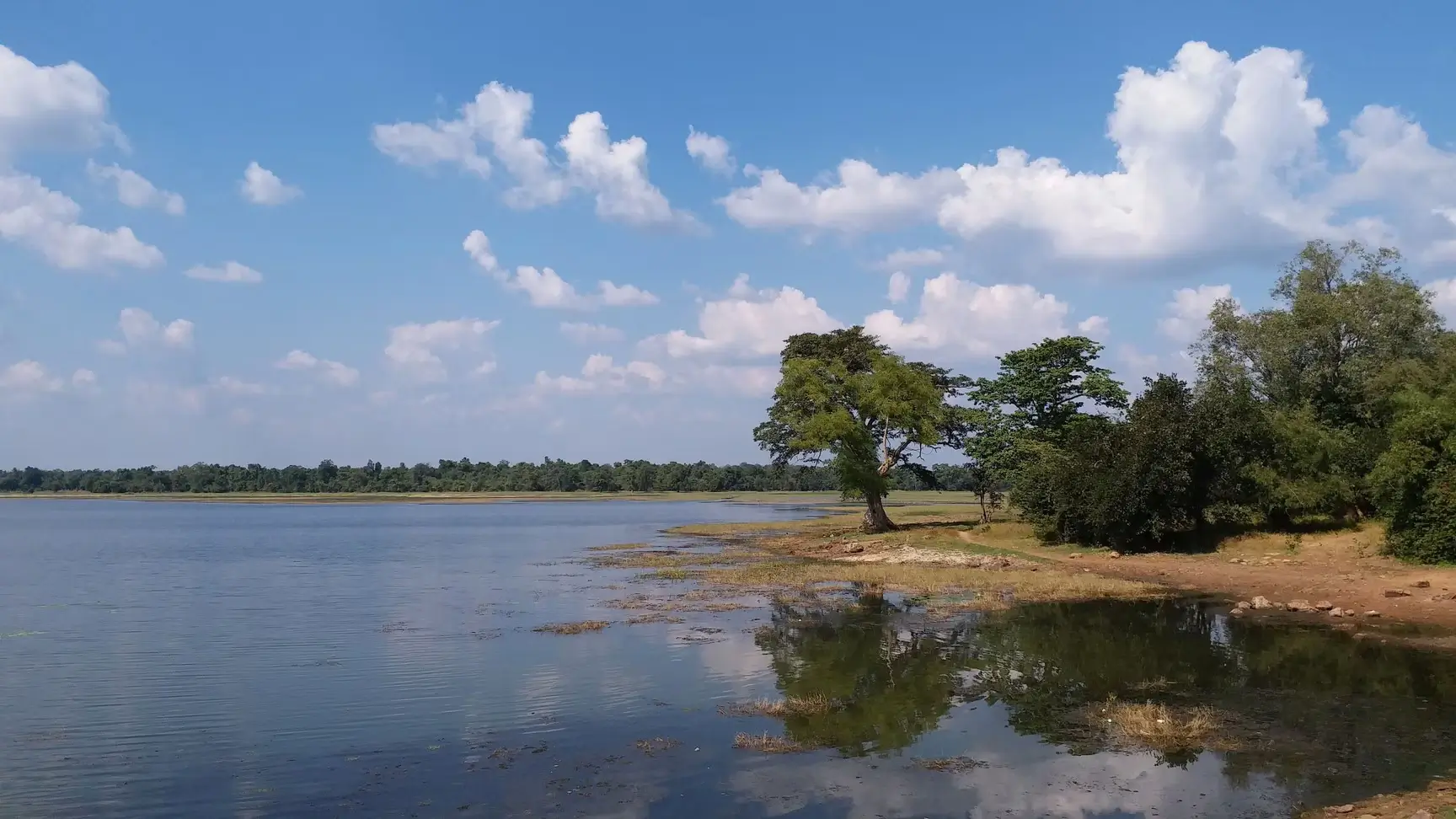
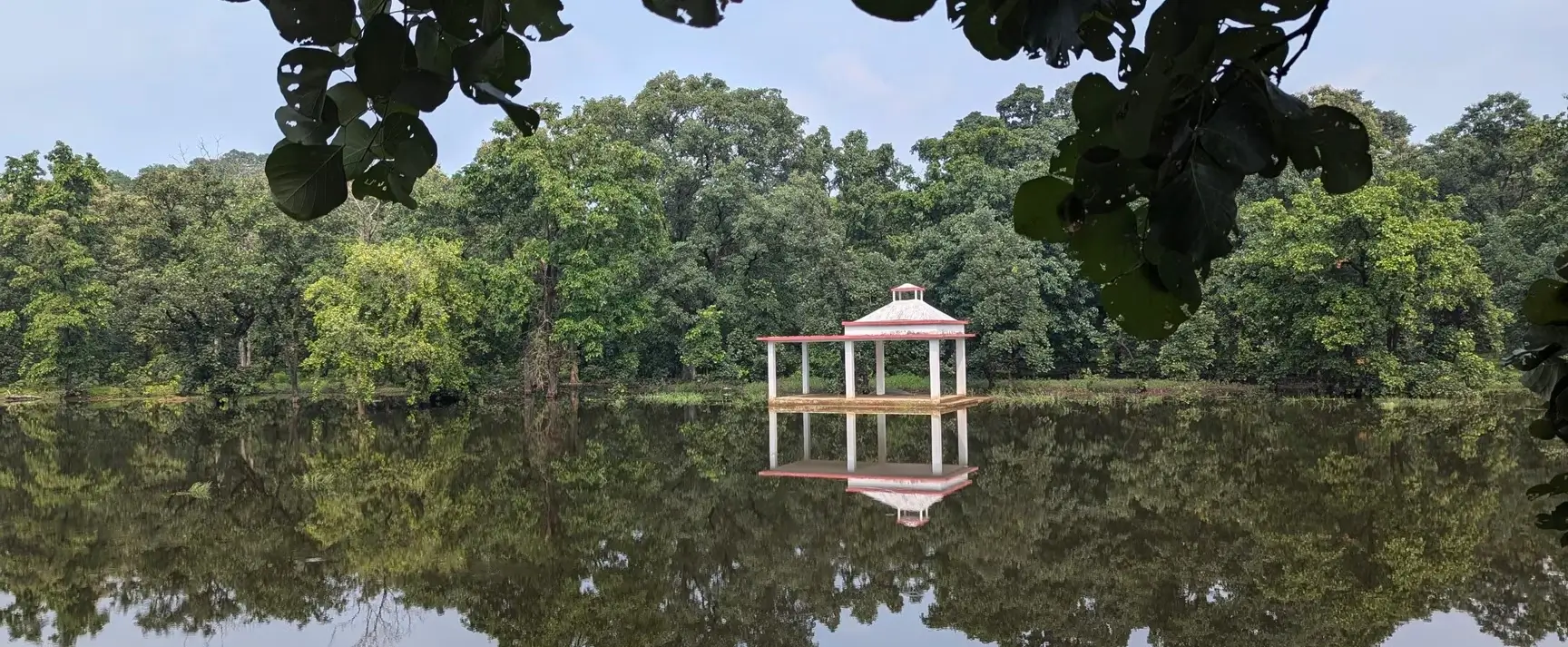
Navegaon National Park is defined by water. At the heart of this protected forest in Gondia district sits Navegaon Lake (locally known as Navegaon Bandh), an 18th-century lake built by the Kohali community under the Gond kings, now surrounded on all sides by lush deciduous forest. While most wildlife destinations in eastern Maharashtra are known for their big cat populations, Navegaon's identity is built around its extraordinary birdlife. The Dr Salim Ali Bird Sanctuary, housed within the park, is home to nearly 60% of the bird species found across all of Maharashtra, and every winter the lake draws large flocks of migratory waterfowl from as far as Central Asia and Siberia. For travellers exploring Maharashtra tourism beyond the tiger safari circuit, Navegaon offers a distinctly different forest experience: one shaped by water, wings, and quiet observation.
History of Navegaon National Park
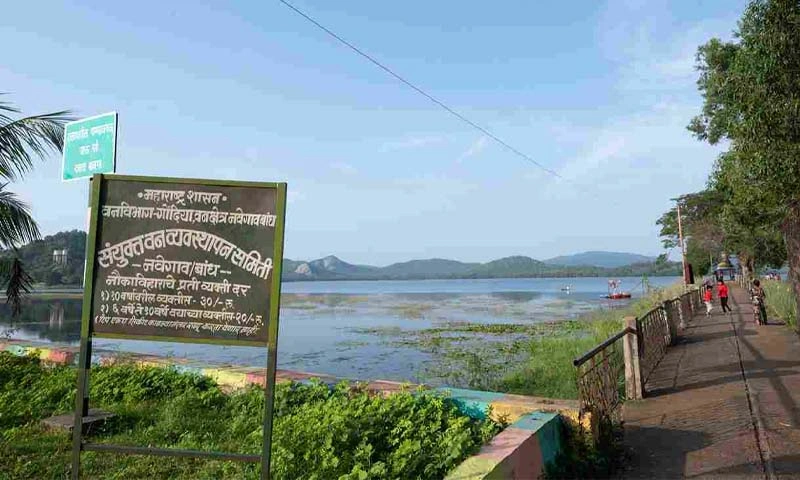
Established on November 22, 1975, Navegaon National Park is located in the Arjuni Morgaon subdivision of Gondia district. The name "Navegaon" comes from the Marathi words "Nave" (new) and "gaon" (village), and the area is locally known as Navegaon Bandh ("bandh" meaning dam) because of the lake at its centre.
Navegaon National Park forms part of the Nawegaon-Nagzira Tiger Reserve (NNTR), notified in December 2013 as the 46th tiger reserve in India and the fifth in Maharashtra. This designation brought the park under a unified conservation umbrella alongside Nagzira Wildlife Sanctuary, New Nagzira Wildlife Sanctuary, Nawegaon Wildlife Sanctuary, and Koka Wildlife Sanctuary, strengthening habitat connectivity and tiger dispersal corridors across central India.
Navegaon's Landscape
The park's terrain ranges from dry mixed forest to moist deciduous patches, classified as southern tropical dry deciduous forest. However, what sets Navegaon apart from neighbouring protected areas is the lake itself. Navegaon Lake, surrounded by dense forest on all sides, functions as the ecological heart of the park: it attracts waterbirds year-round, provides drinking water for mammals during the dry season, and supports a rich aquatic ecosystem of fish and reptiles. A small island within the lake, known as Mal Dongar, adds to the scenic character and is believed to have been used historically by local villagers as a refuge. A deep swamp of 15 to 20 acres near the lake serves as a nesting ground for waterbirds, though this area is closed to tourists for safety and conservation reasons.
Flora and Fauna at Navegaon National Park
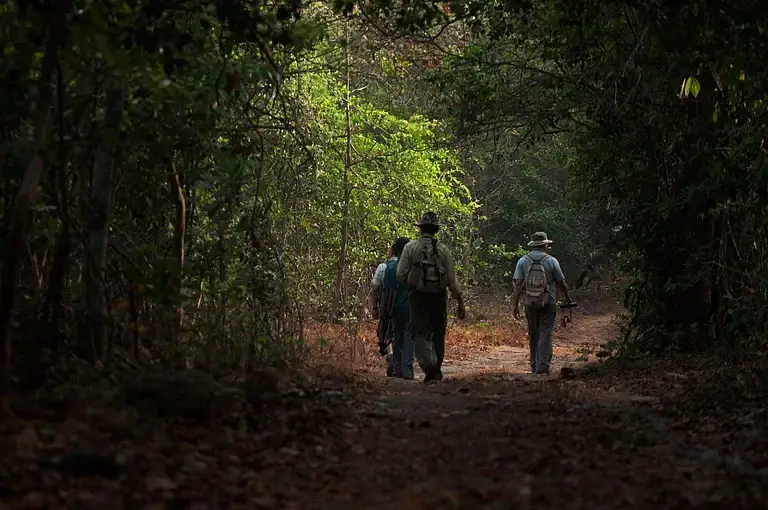
The vegetation includes teak, bamboo, tendu, mahua, and mixed deciduous species, with grassy openings near the lake and along forest trails. The park's fauna spans 26 mammal species, over 209 bird species, and 9 reptile species.
| Category | Species | Highlights |
|---|---|---|
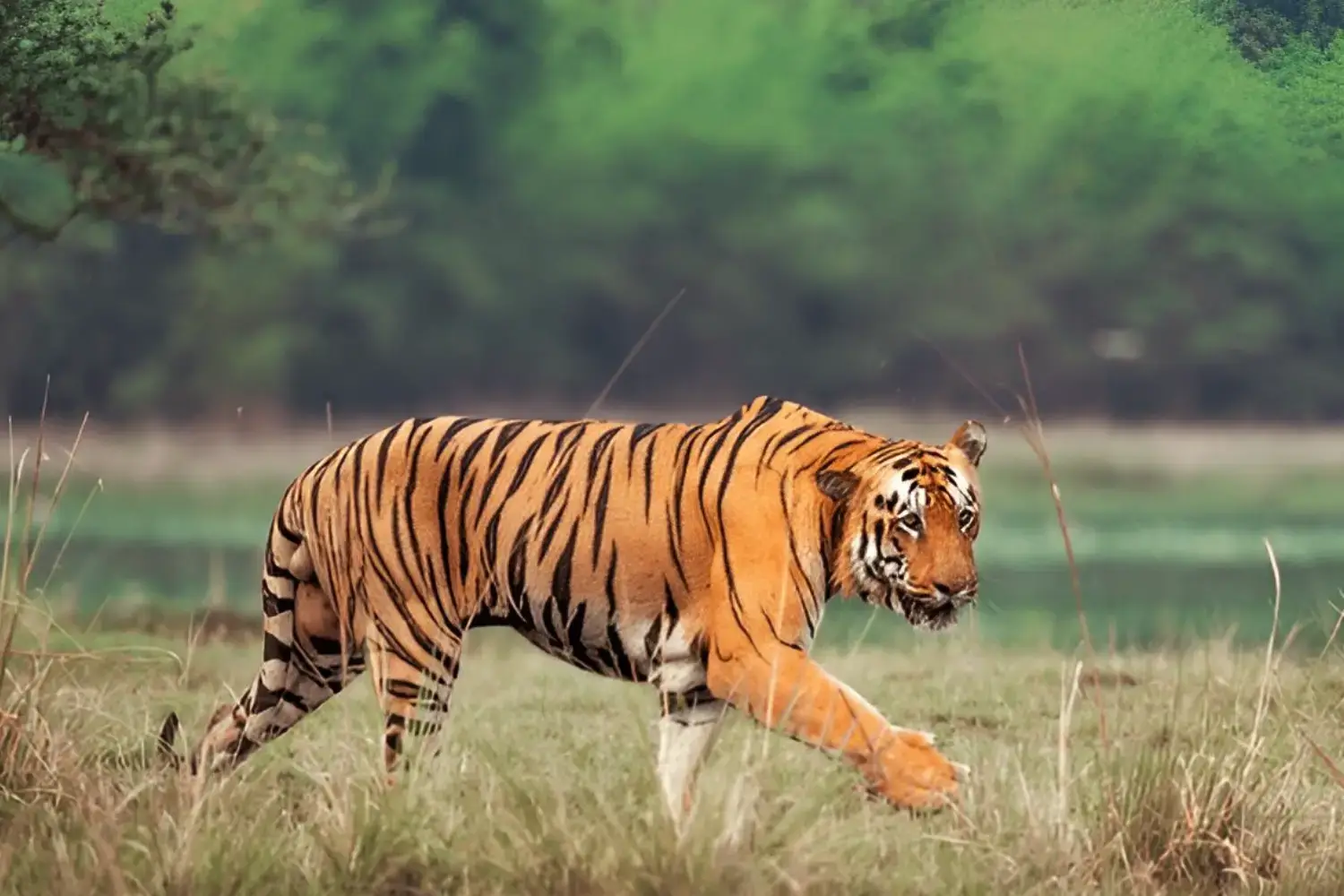
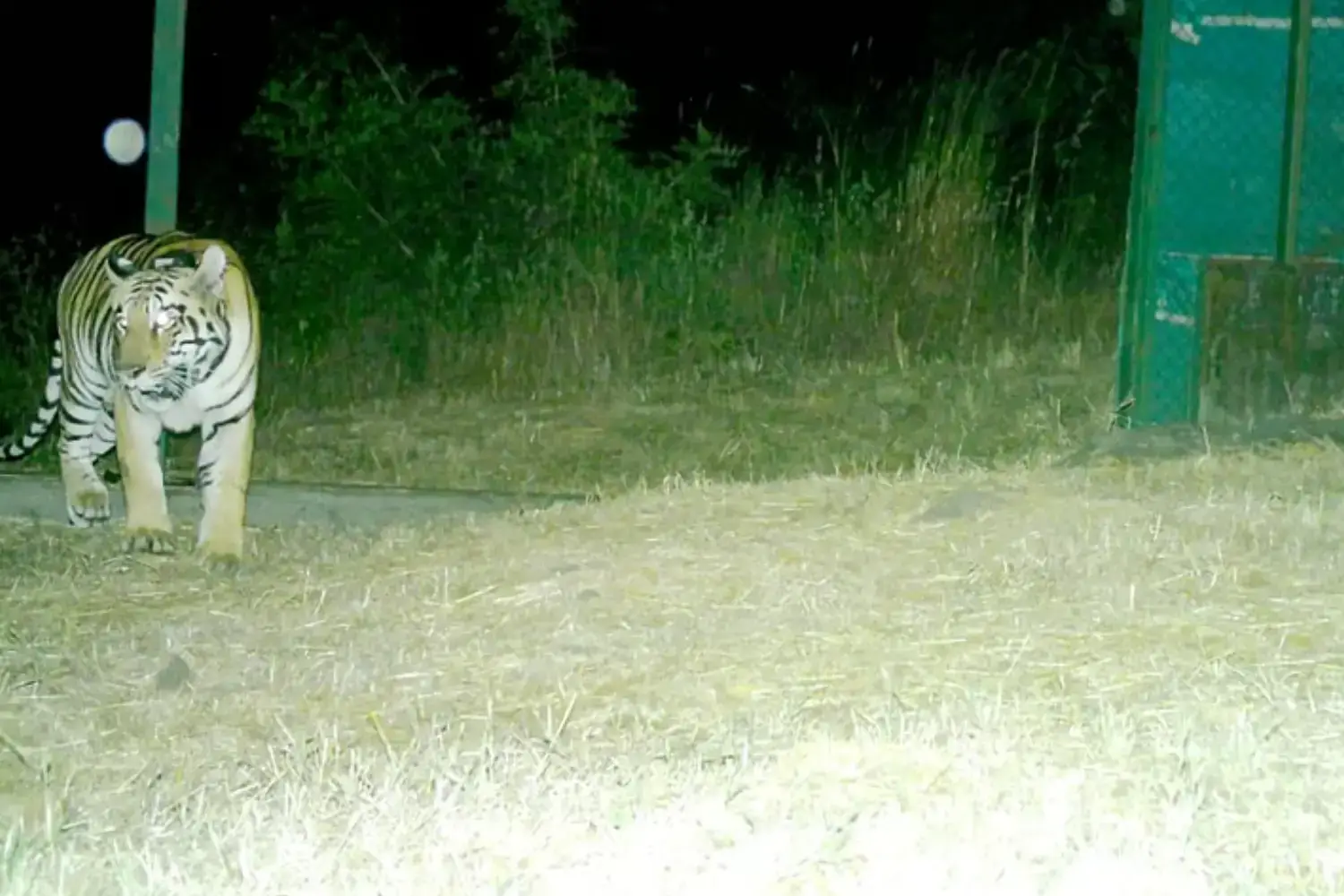
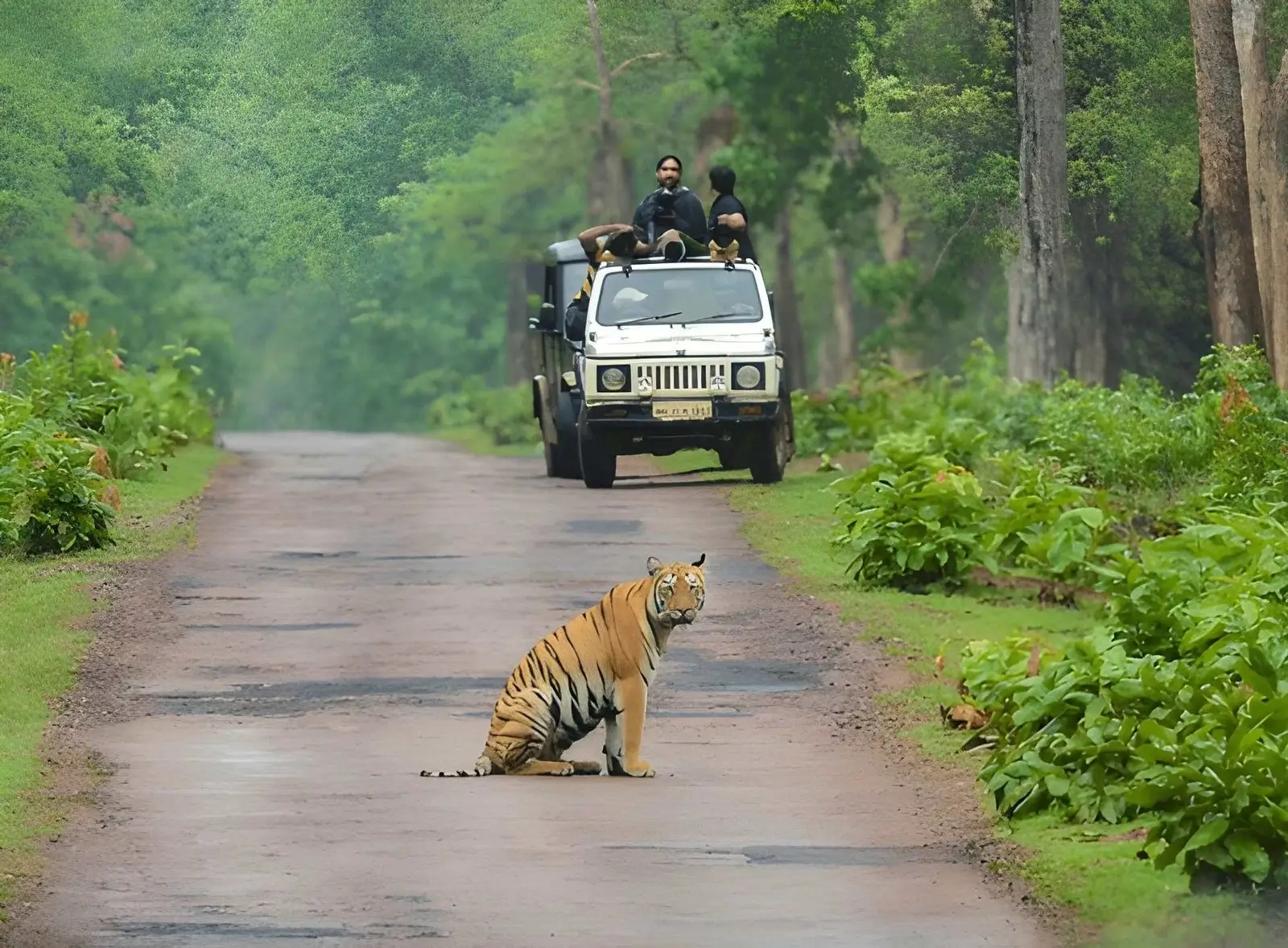
| Apex Predators | Bengal Tiger | Present within the NNTR landscape; sightings less frequent than at Nagzira or Tadoba |
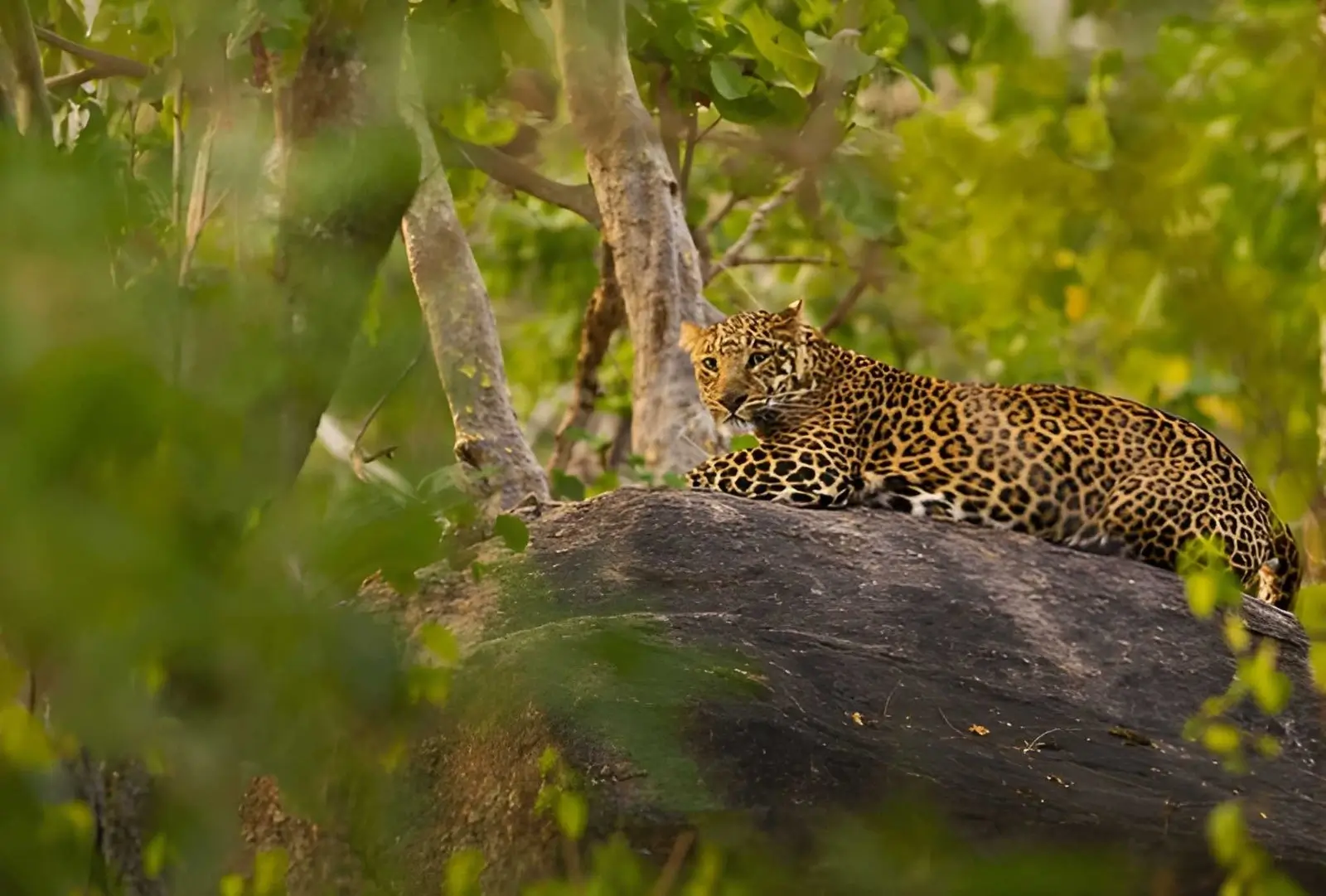
| Apex Predators | Indian Leopard | Sighted across forested zones and rocky terrain |
| Predators | Wolf, Jackal | Found in drier, open forest areas |
| Carnivores/Omnivores | Sloth Bear | Common in deciduous forest patches |
| Carnivores | Jungle Cat, Small Indian Civet, Palm Civet | Smaller predators found across varied habitats |
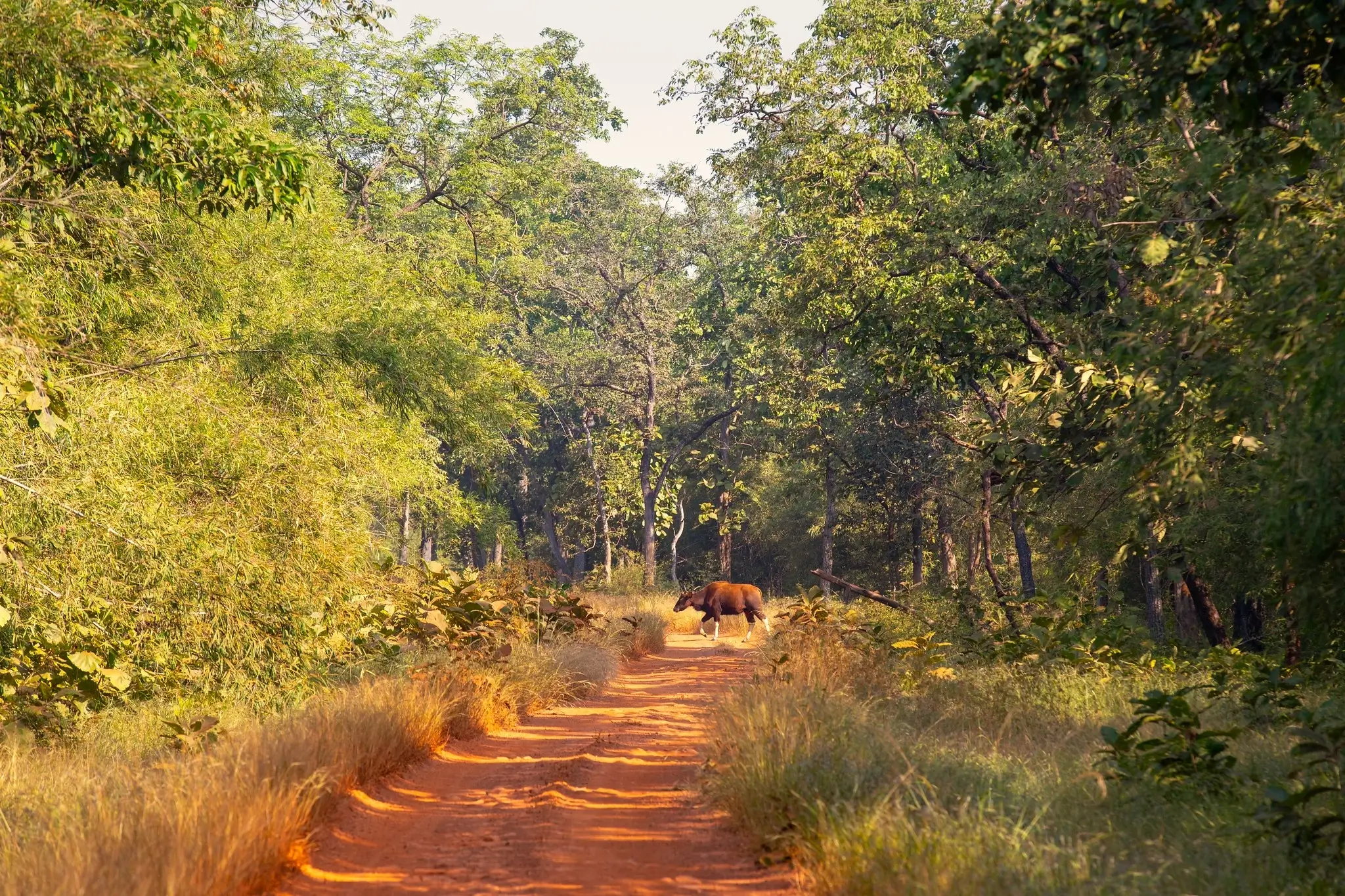
| Large Herbivores | Indian Gaur | Seen grazing in forest clearings and meadows |
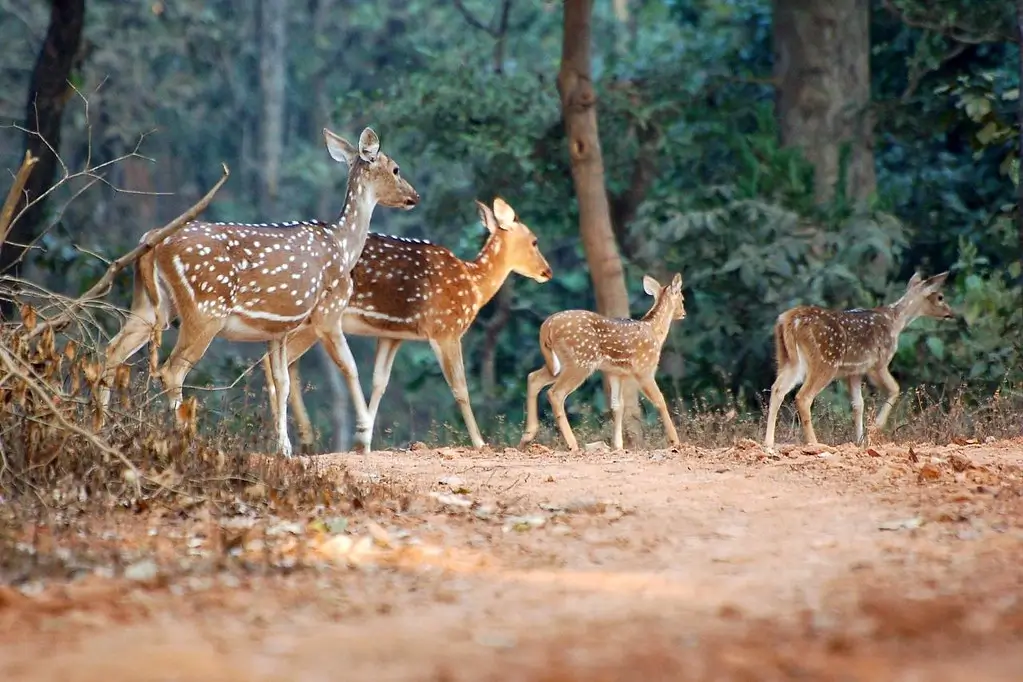
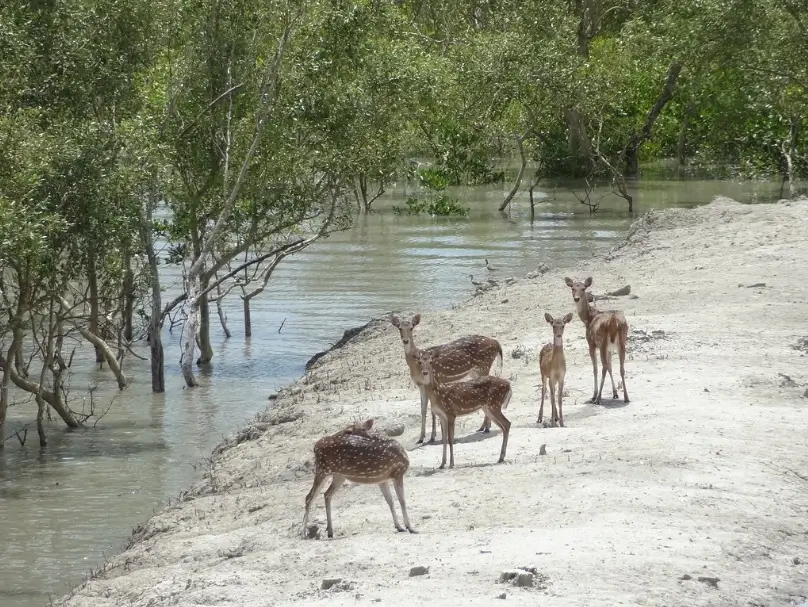
| Herbivores | Sambar, Chital, Nilgai, Barking Deer | Well-represented deer species across the park |
| Herbivores | Wild Boar | Widely distributed across forested areas |
| Primates | Langur | Commonly sighted in the forest canopy |
| Birds (209+ recorded species) | Crested Serpent Eagle | A common raptor across forested tracks |
| Birds | Indian Pitta | A colorful, ground-dwelling bird in dense undergrowth |
| Birds | Malabar Pied Hornbill | Found in moist deciduous and evergreen patches |
| Birds | Scarlet Minivet | Frequently spotted in the forest canopy |
| Birds | Paradise Flycatcher | Known for the male's striking elongated tail feathers |
| Birds | Migratory Waterfowl (ducks, storks, herons) | Large winter congregations on Navegaon Lake |
| Reptiles | Indian Rock Python | Found in the sanctuary's undergrowth |
| Reptiles | Monitor Lizard | Sighted across rocky terrain and forest edges |
Wildlife Safari and Activities at Navegaon
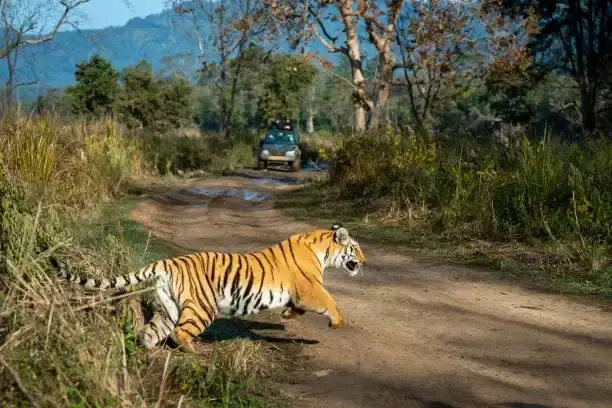
Navegaon offers a wider range of activities than most wildlife destinations in the region, shaped by the lake at its centre.
The park is accessed through four gates: Jambhadi, Kholi, Baki, and Pitambartola. The forest department also runs a small museum, interpretation centre, and library within the park complex.
Best Time to Visit Navegaon National Park
The best time to visit is between November and April. Winter (November to February) is ideal for birdwatching, when migratory waterfowl arrive in large numbers at Navegaon Lake, and the weather remains pleasant for safaris and boating. March to May is hotter but concentrates wildlife around the lake and other water sources. The park typically remains closed during the monsoon season from mid-June to September. The park operates from 6:00 AM to 6:00 PM, with safari slots in early-morning and late-afternoon sessions.
How to Reach Navegaon National Park?
Where to Stay Near Navegaon?
The Maharashtra Tourism Development Corporation (MTDC) operates accommodation within the Navegaon tourist complex, including treehouse units, deluxe rooms, standard rooms, and dormitory options. Private eco-resorts and lodges in surrounding villages offer additional choices. Booking well ahead is advisable during the peak winter birdwatching season, when demand for both accommodation and safari permits rises.
Nearby Attractions Worth Visiting
Travellers with extra time can combine a visit to Navegaon with nearby destinations that complement the park's forest and lake experience.
| Attraction | Distance | Highlights |
|---|---|---|
| Nagzira Wildlife Sanctuary | 60 km | Tiger and leopard safaris in dry deciduous forest; part of the same NNTR |
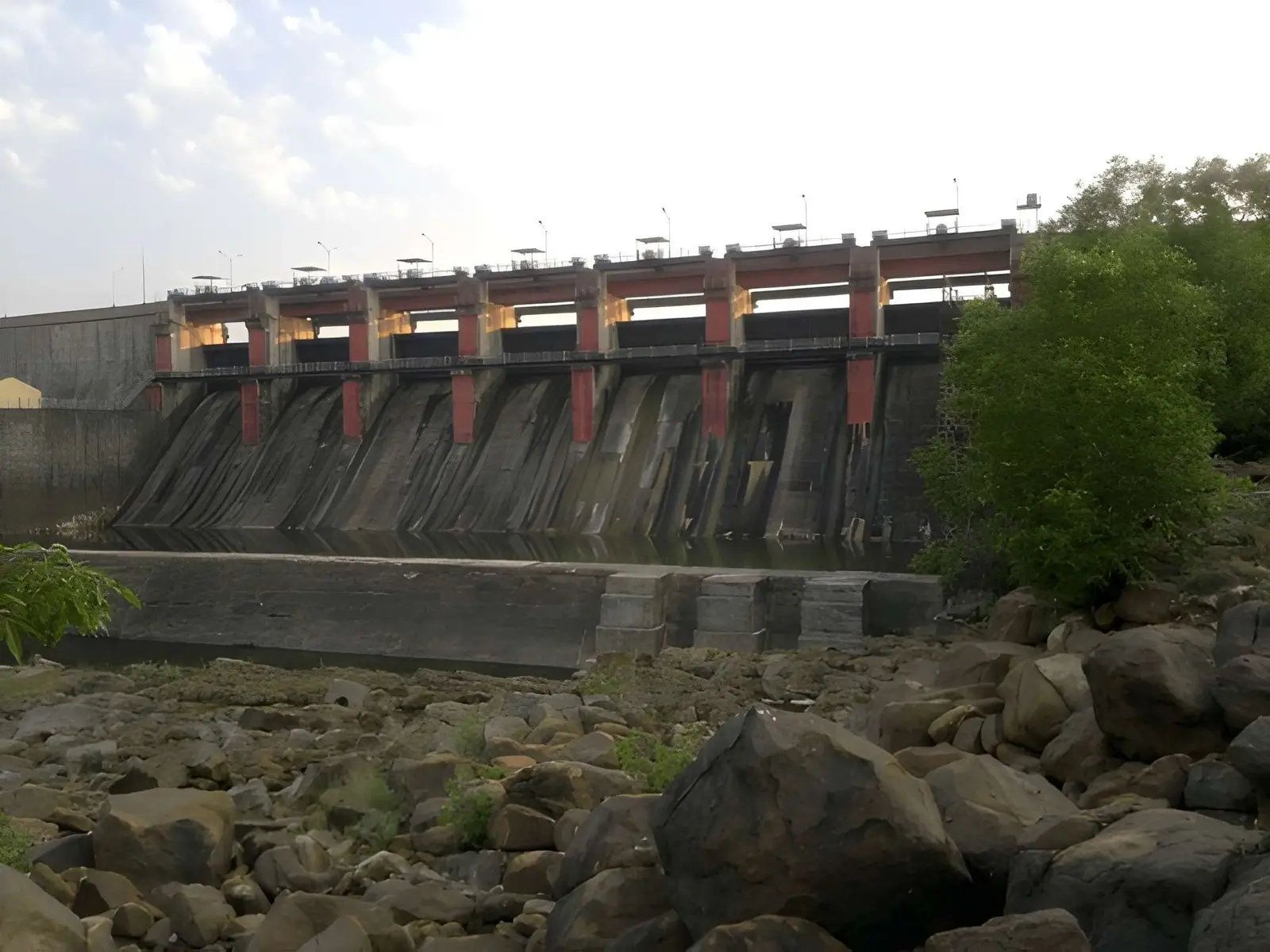
| Itiadoh Dam | 20 km | One of Maharashtra's largest earthen dams; scenic reservoir views and a peaceful half-day excursion |
| Tibetan Camp, Gothangaon | 15 km | A small Tibetan settlement with a Buddhist temple; a cultural side trip |
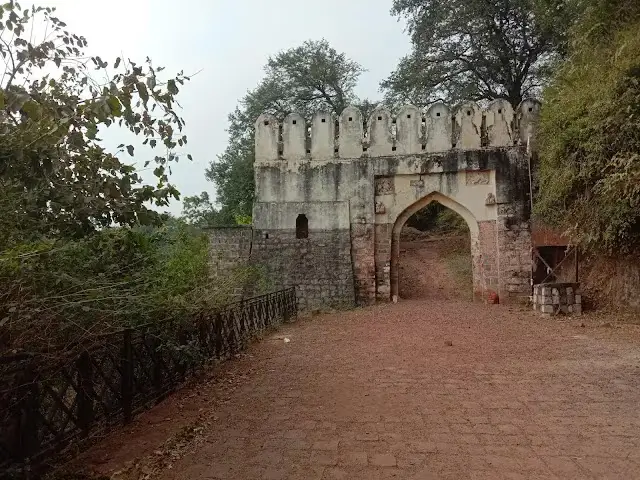
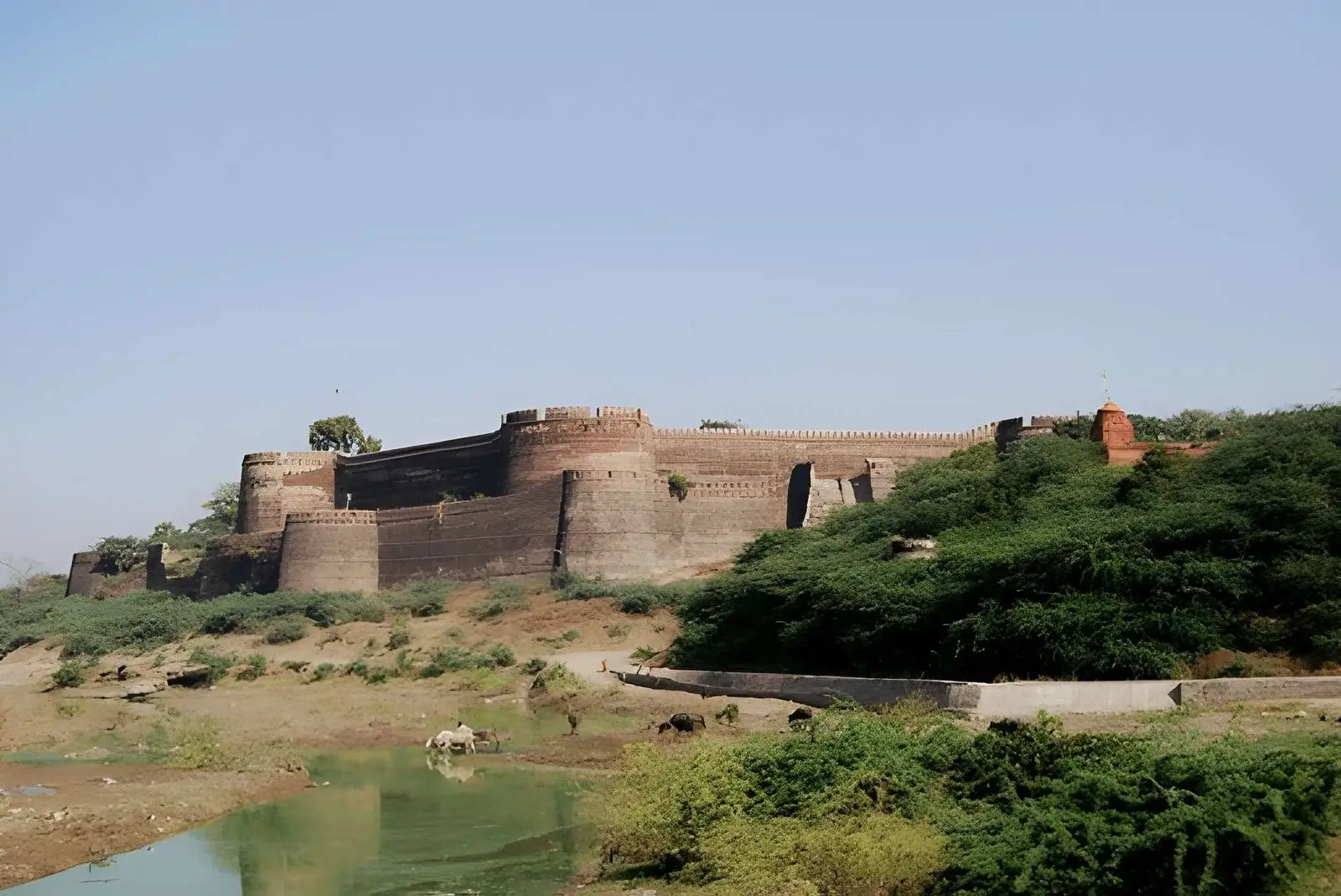
| Pratapgad | 15 km | A historical site near the park worth a short visit |
| Kachargadh Caves | 55 km | Ancient caves, believed to be over 25,000 years old; draws history and adventure enthusiasts |