Tadoba Safari with Pench,
Kanha & Bandhavgarh
Duration - 12N & 13D
Duration - 12N & 13D
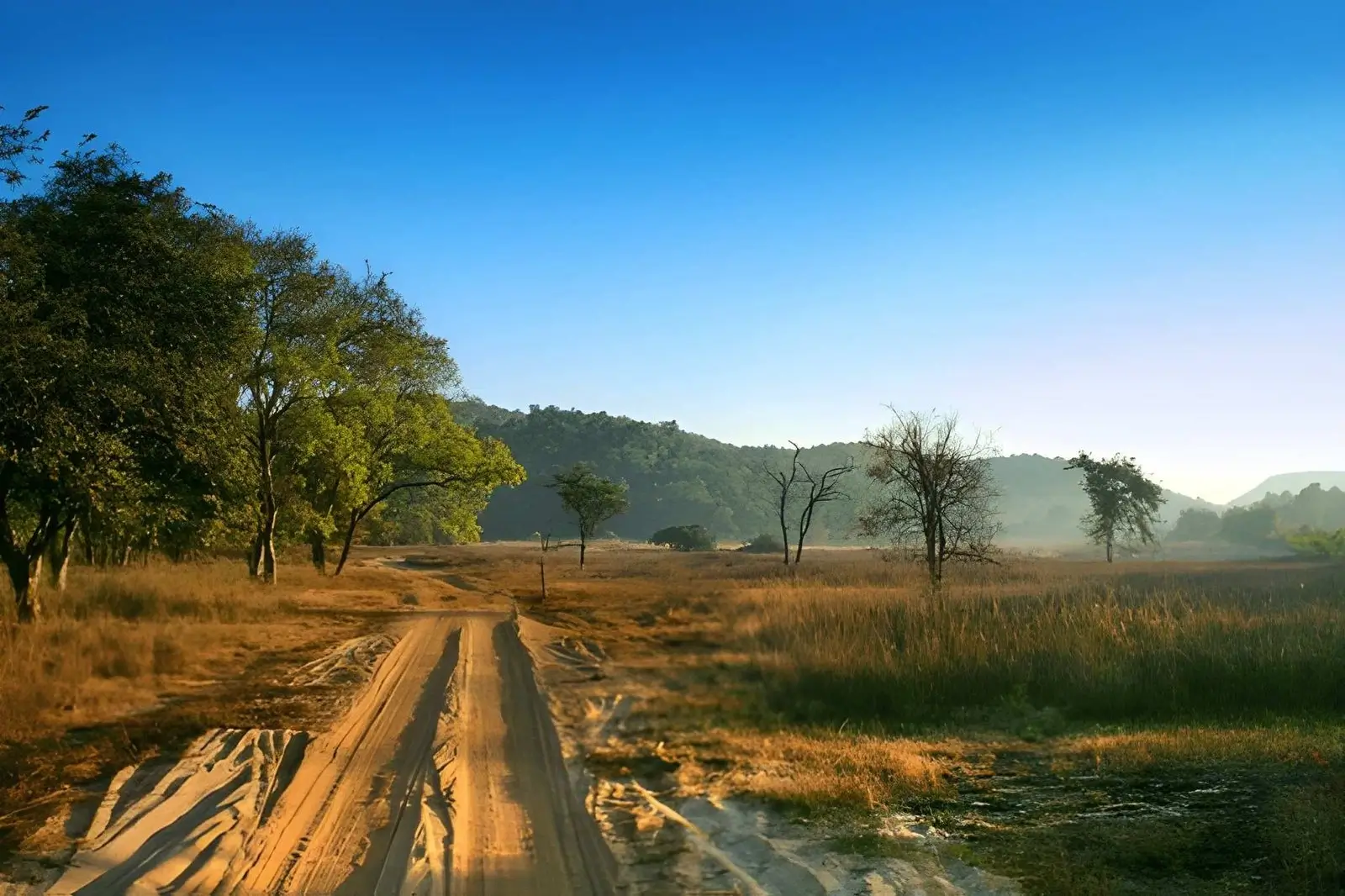
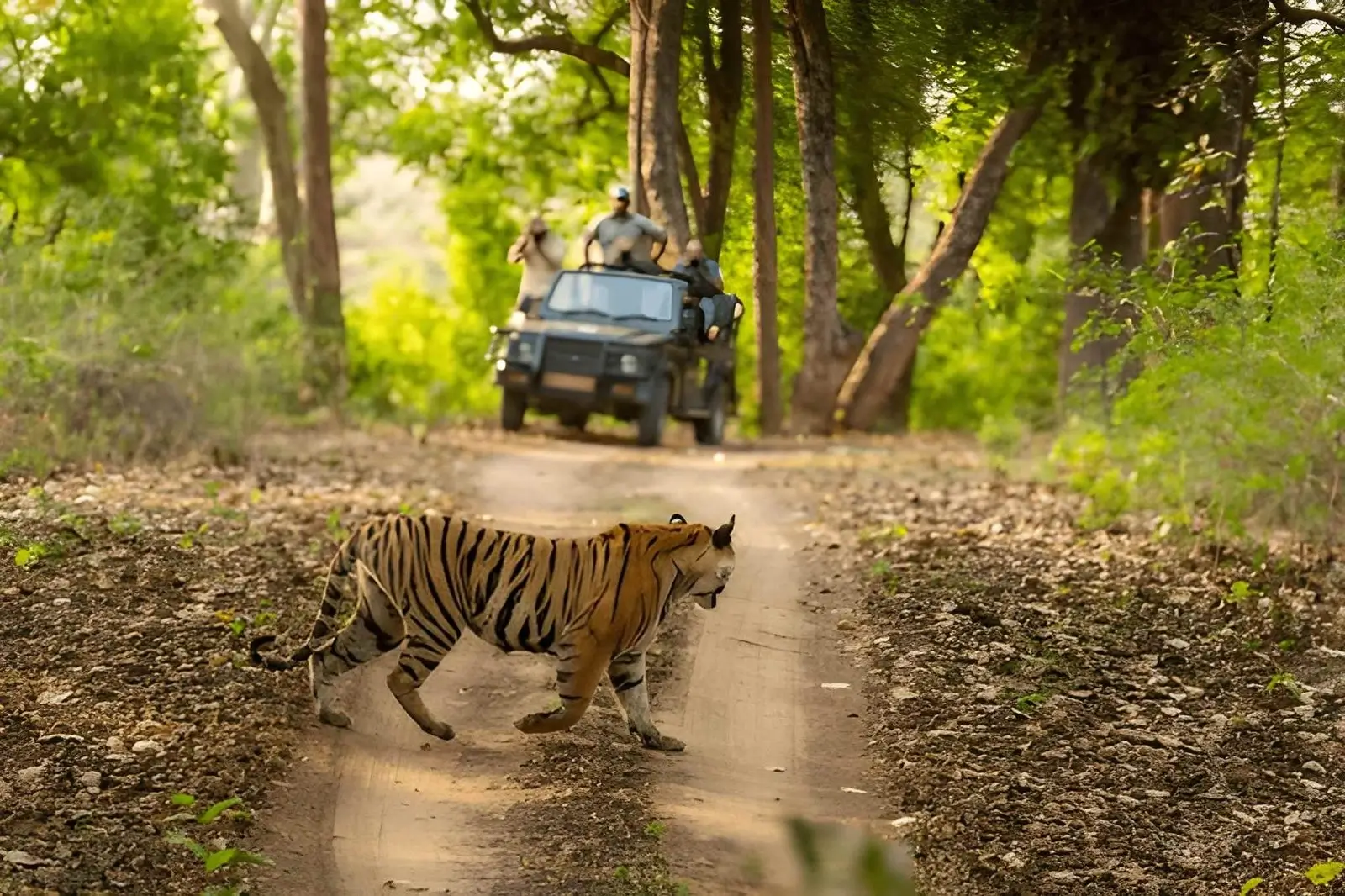
Four Reserves, One Safari Experience: Tadoba, Pench, Kanha and Bandhavgarh in 13 Days
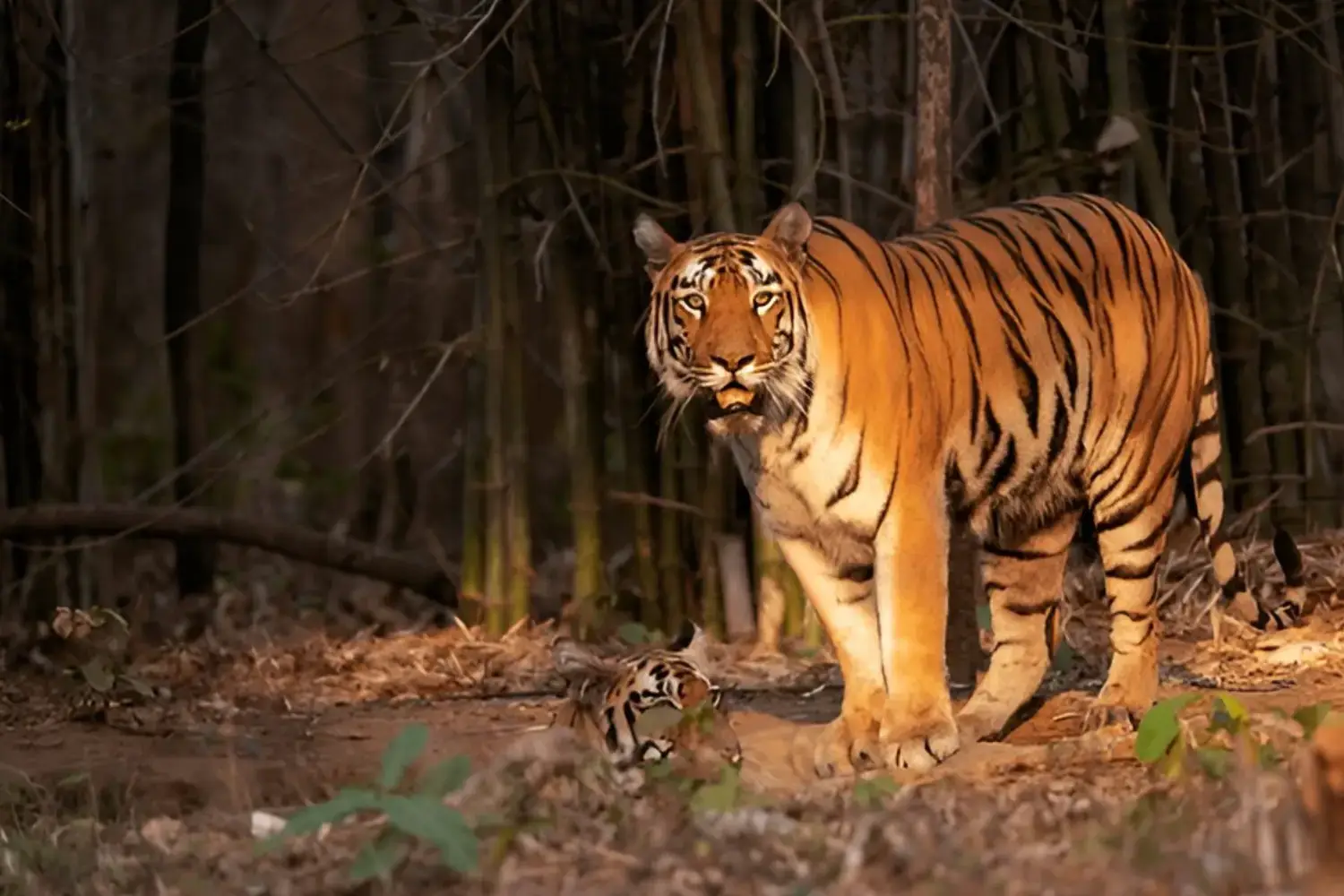
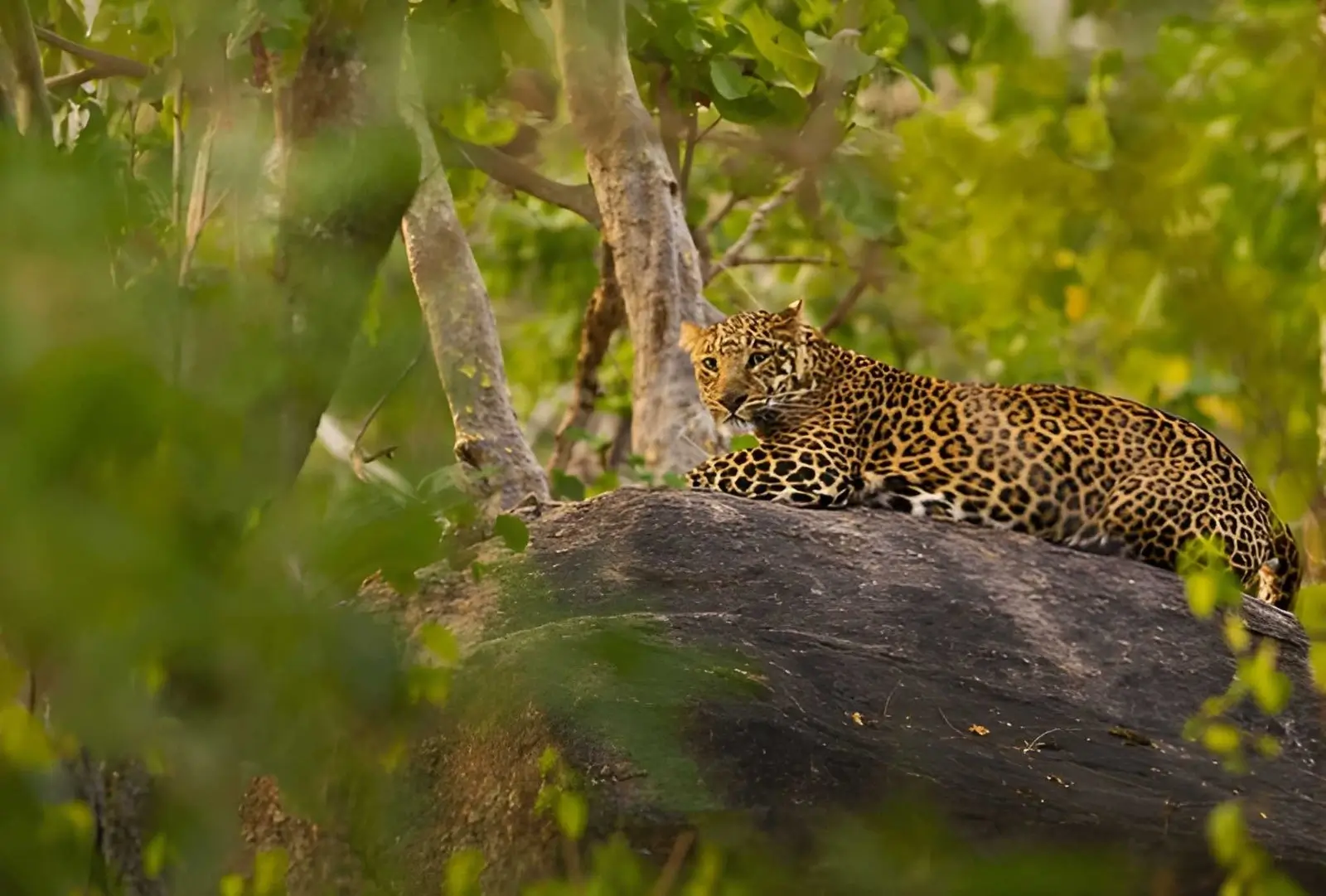
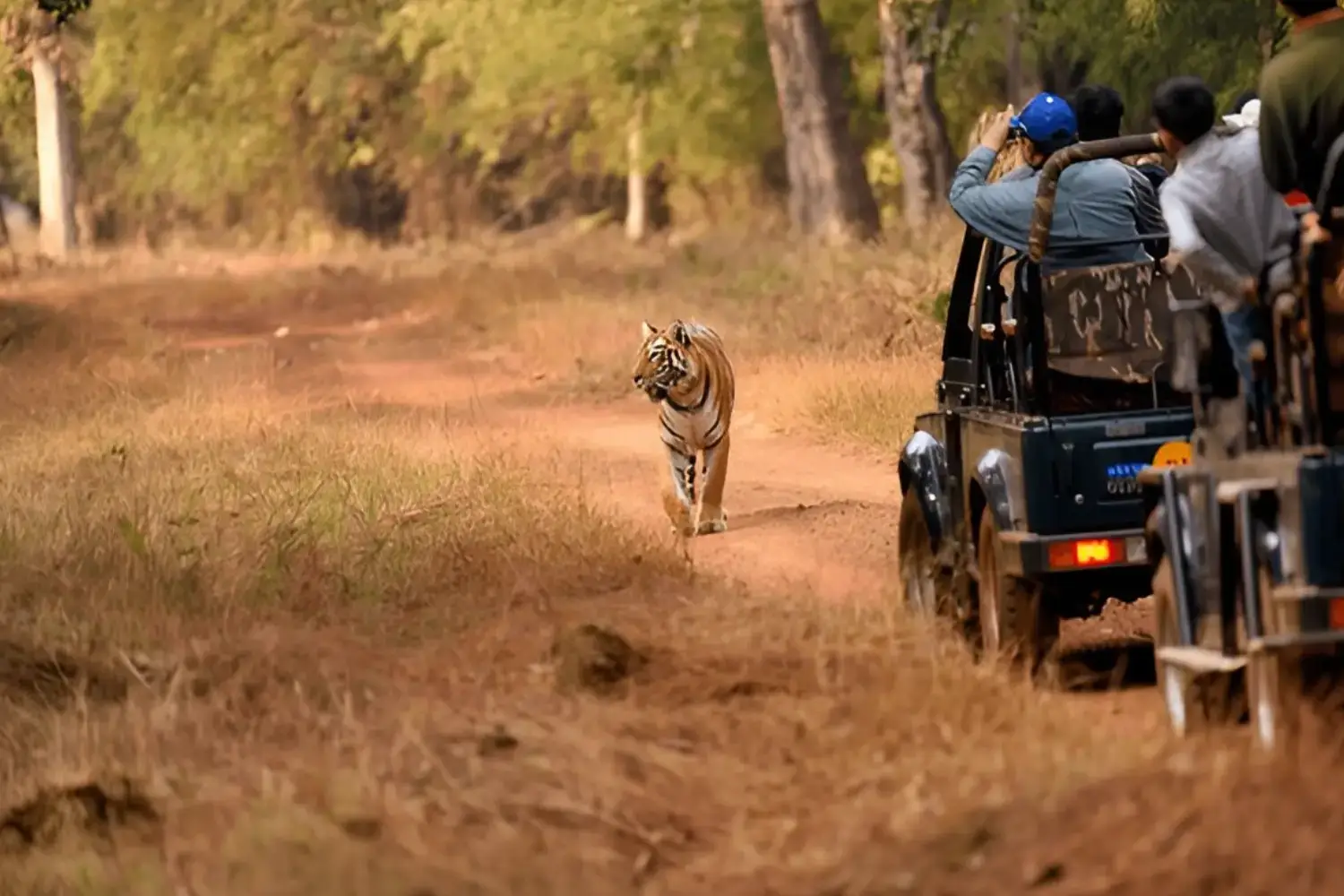
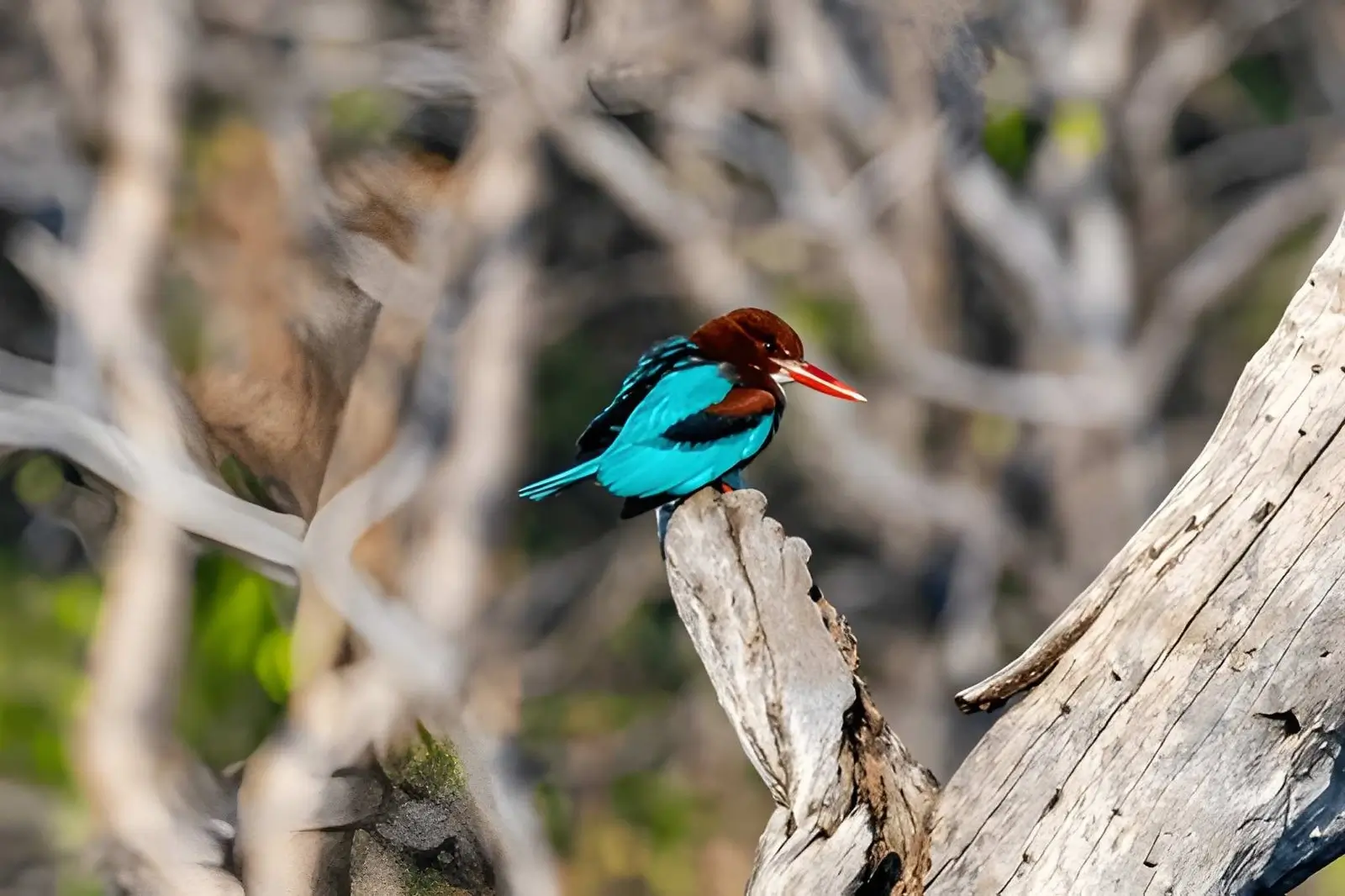
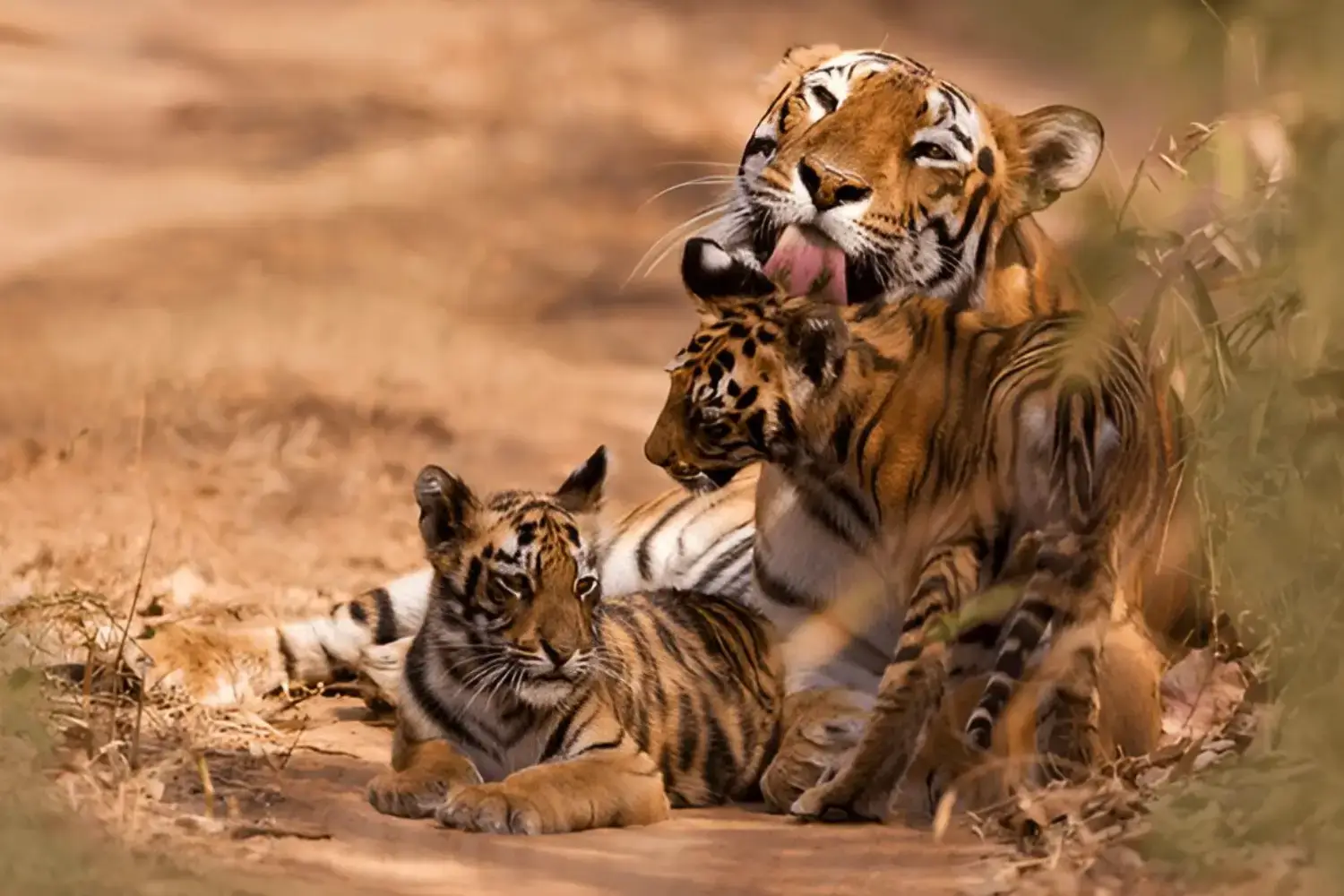
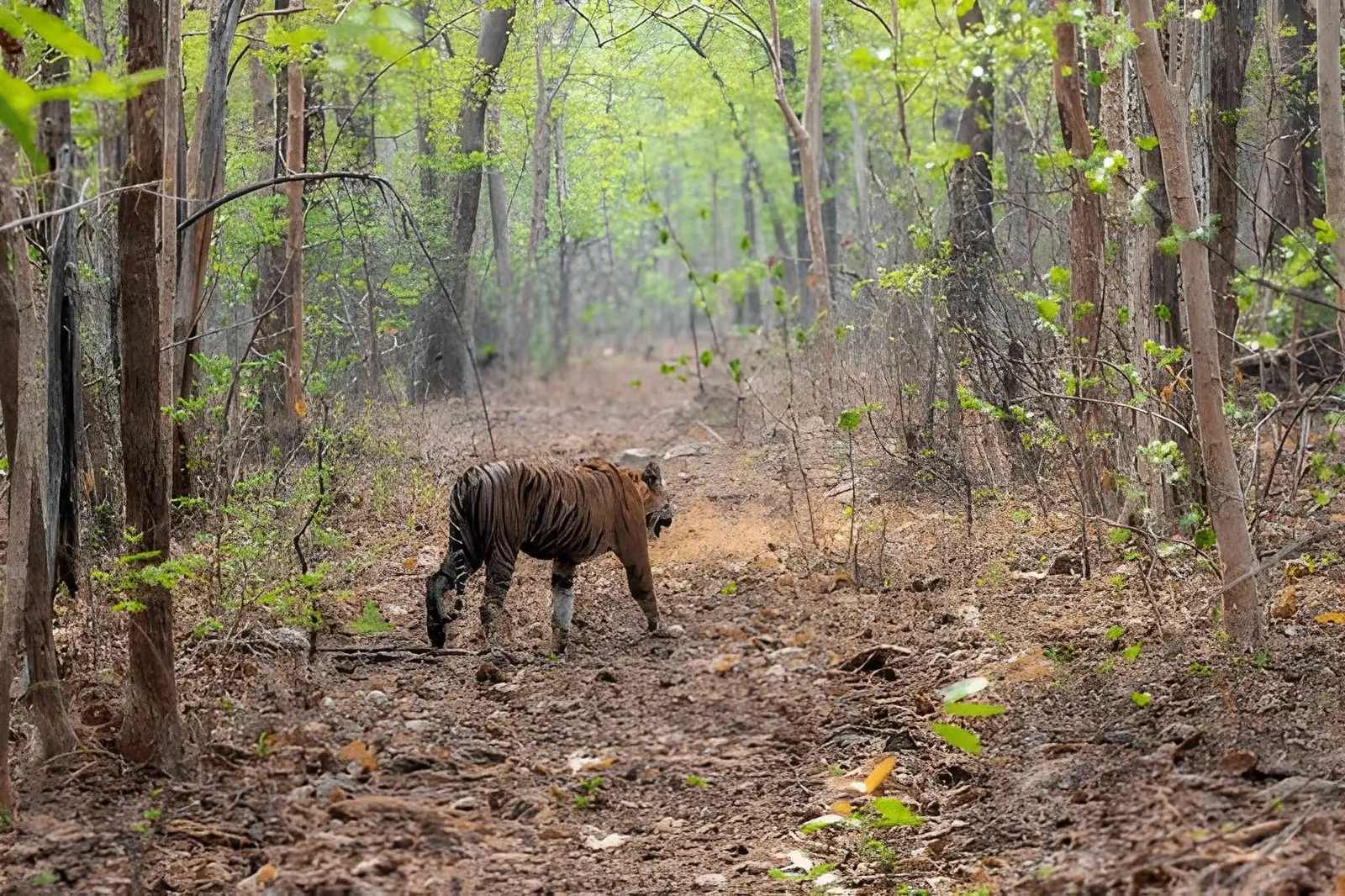
Four national parks, sixteen safaris, and nearly two weeks inside central India's tiger belt, starting and ending at Nagpur. The route is sequenced so each park changes the rules on you. Tadoba's dry teak forest and permanent waterholes make tiger tracking a game of patience at known corridors. Pench shifts to mixed woodland along a river, where leopards share the billing with tigers, and the birding alone justifies the stop.
Kanha spreads into open sal meadows where you can watch a Barasingha herd graze three hundred meters from a tiger that hunts in grassland, not cover. Bandhavgarh compresses 135-plus tigers into three compact zones beneath an ancient fort, and sighting odds here are high enough that naturalists track individual tigers by name across consecutive drives.
Two full safari days at each park, morning and afternoon, with transfer days kept free so you arrive at the next gate rested, not wrecked. Permits at all four reserves are locked before you land in Nagpur. Resorts sit at the buffer edge. Naturalists know which tiger moved where last week. The only thing we cannot pre-book is the tiger itself.
Arrive Nagpur – Tadoba National Park (150 km / 3 hrs drive)
On arrival at Nagpur airport or railway station, our representative meets you for the drive south to Tadoba Andhari Tiger Reserve, Maharashtra's oldest and largest national park and one of India's 50 Project Tiger reserves. Upon reaching, check into the wildlife resort near the park's buffer zone. The rest of the day is left open so you can settle into forest surroundings before the safaris begin. An evening briefing covers tomorrow's safari zones and timings, followed by dinner and overnight stay at the resort.
Tadoba National Park – Safari Day One
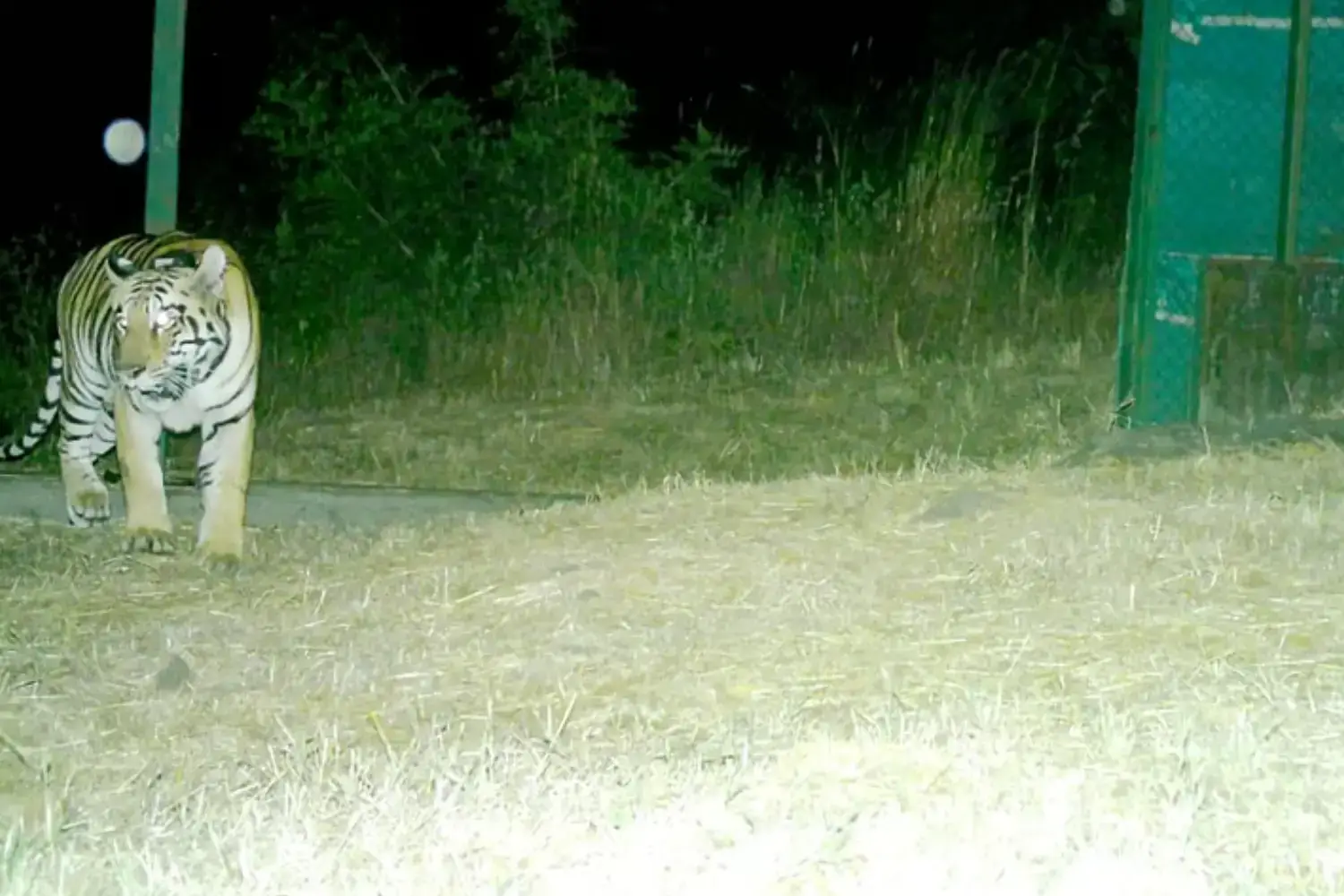
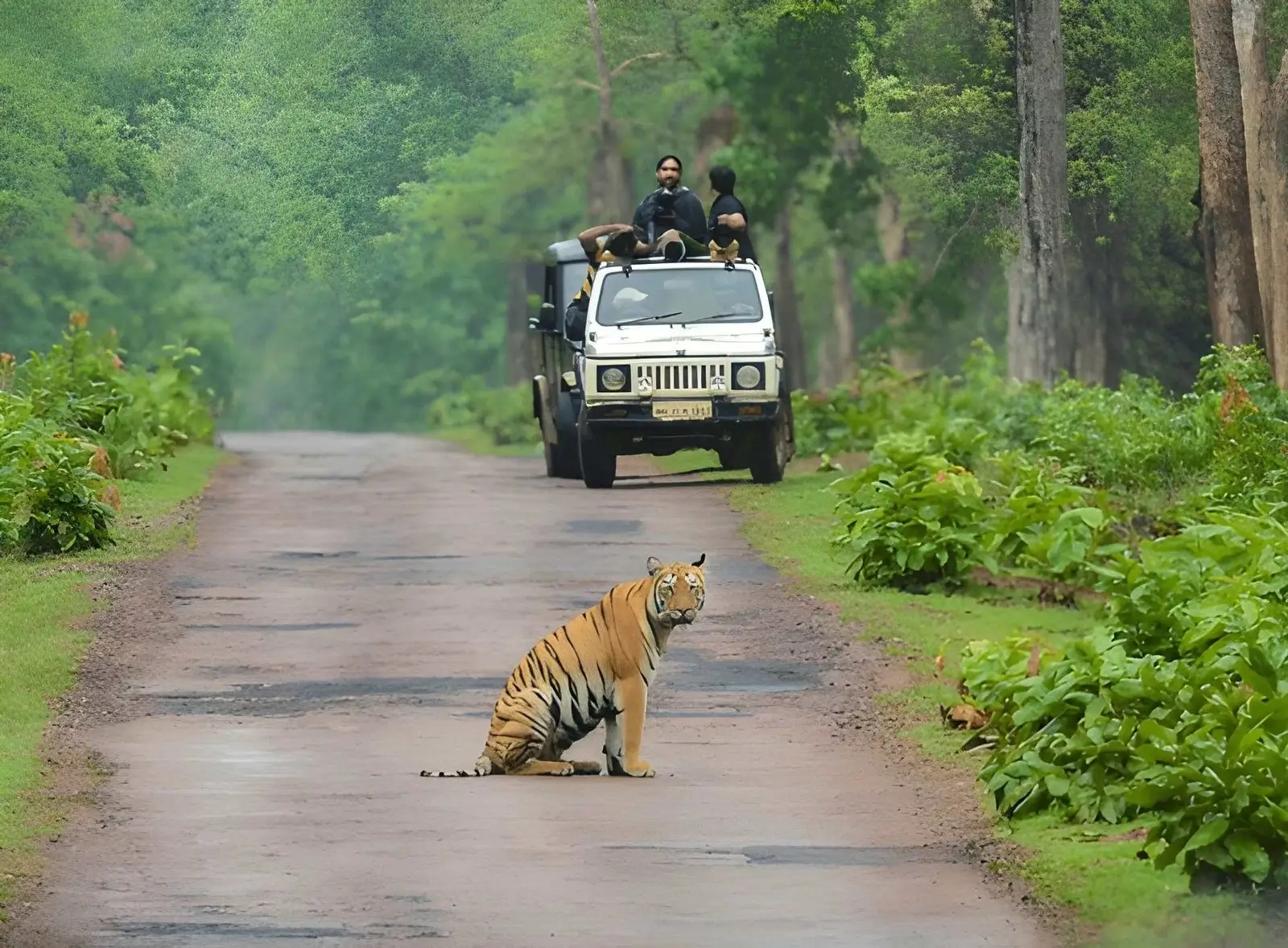
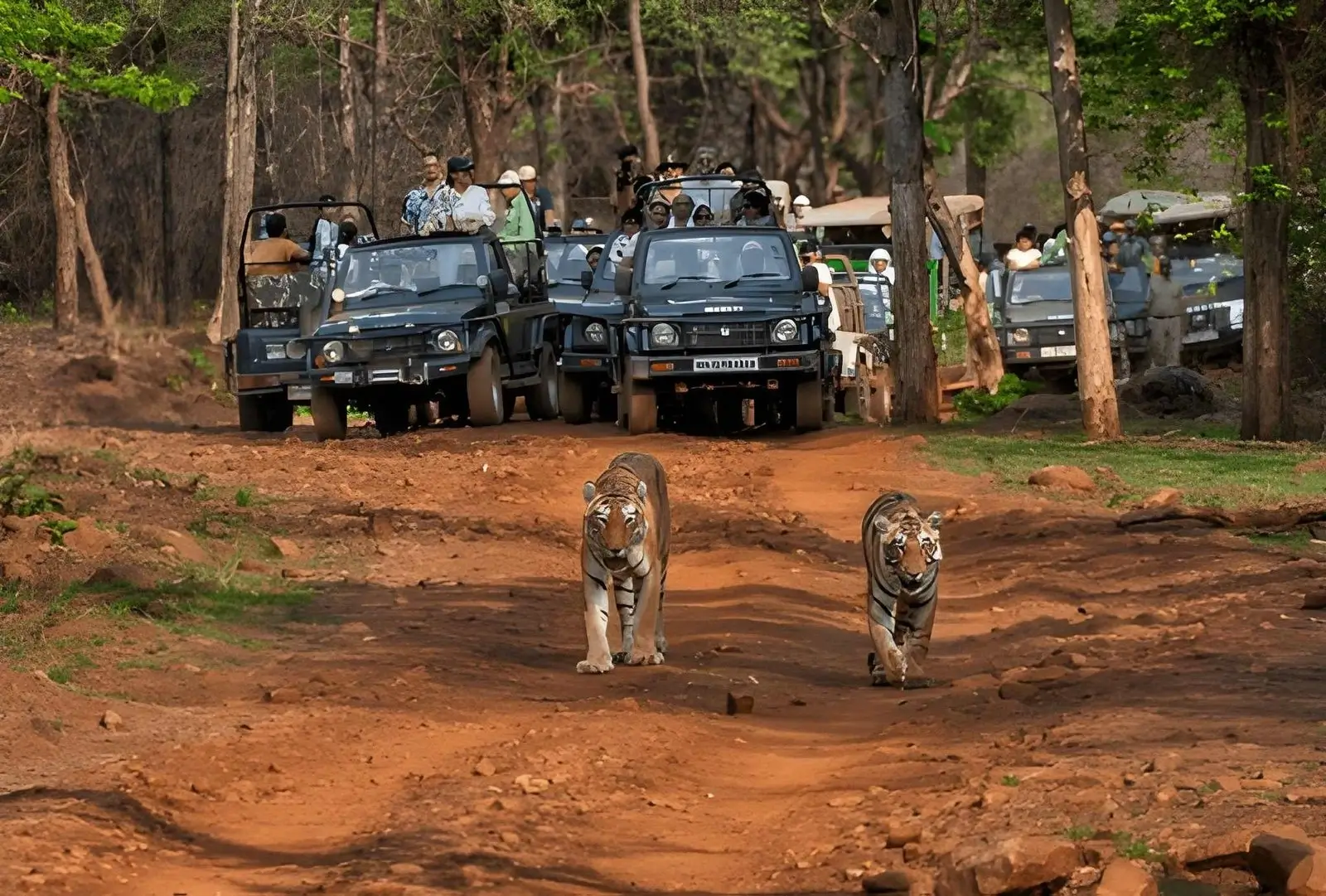
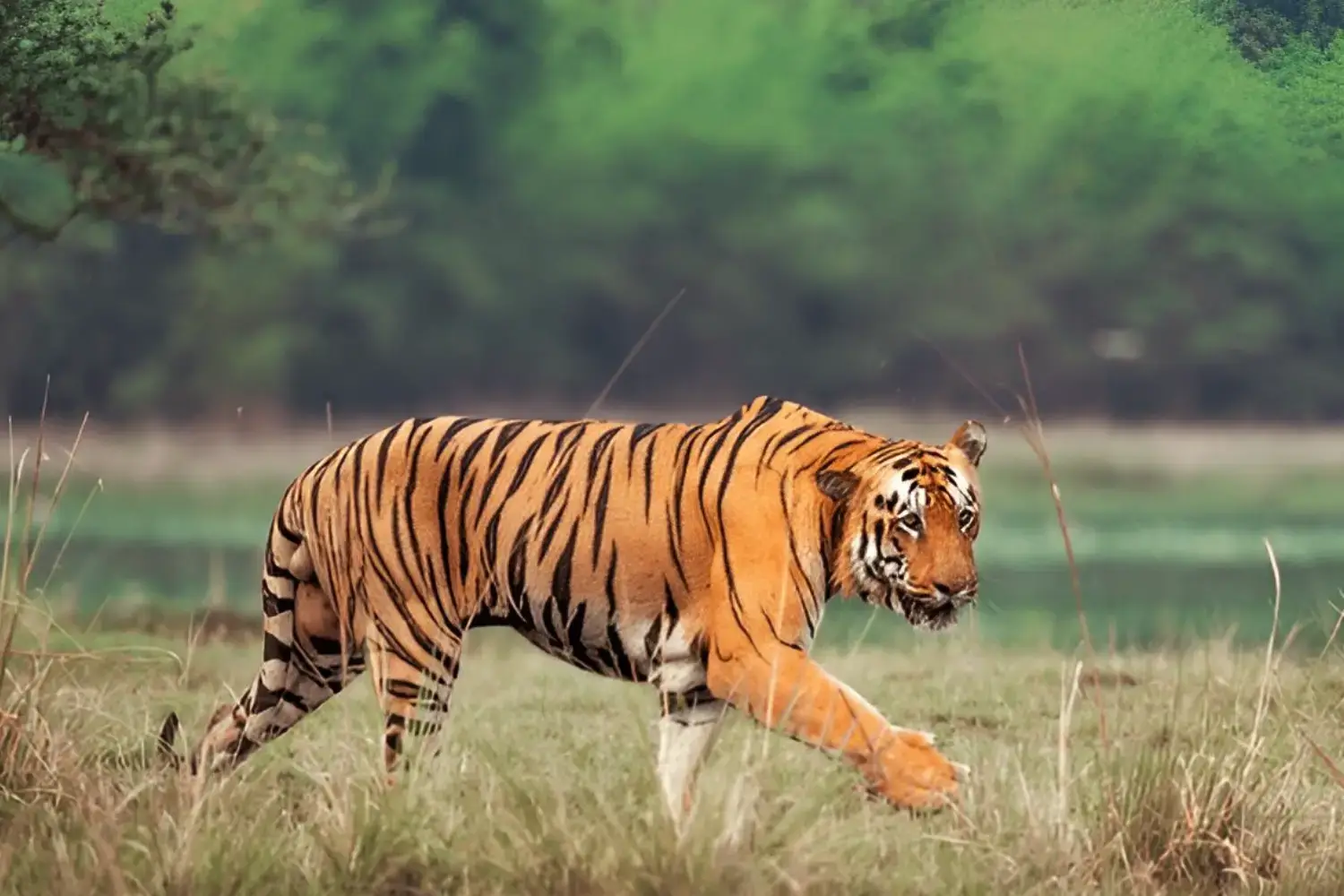
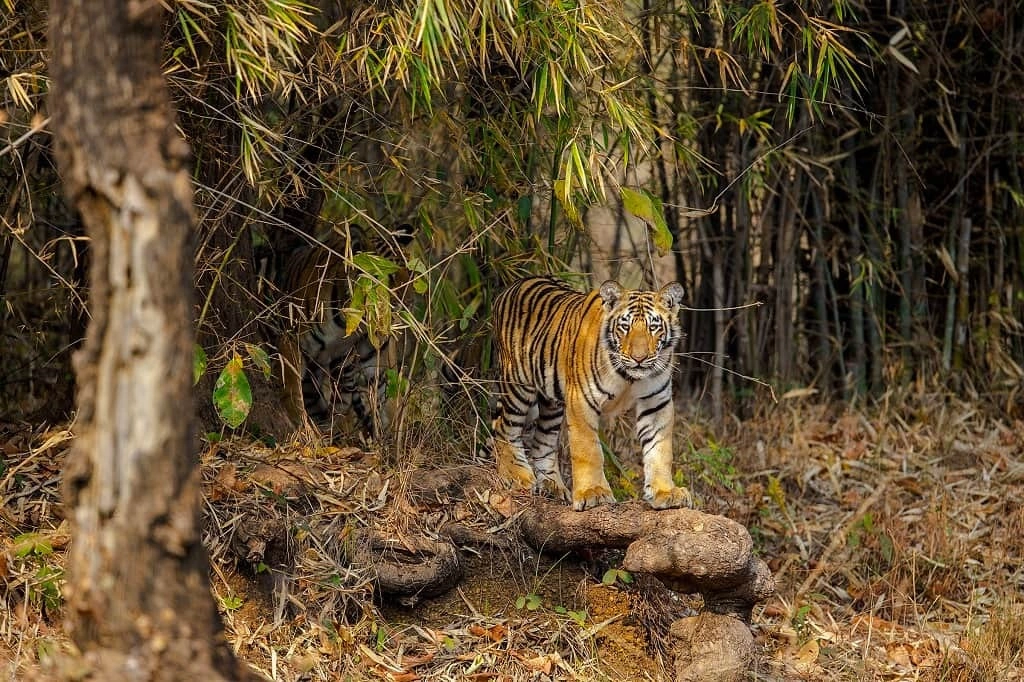
Early morning pickup from the resort for the first jeep safari into Tadoba's core zone through the Moharli gate, the entry point with the highest historical frequency of tiger encounters. The park's dry deciduous teak forests, bamboo patches, and open grasslands give it one of the strongest tiger sighting records in central India. Return to the resort for breakfast and rest through the midday heat.
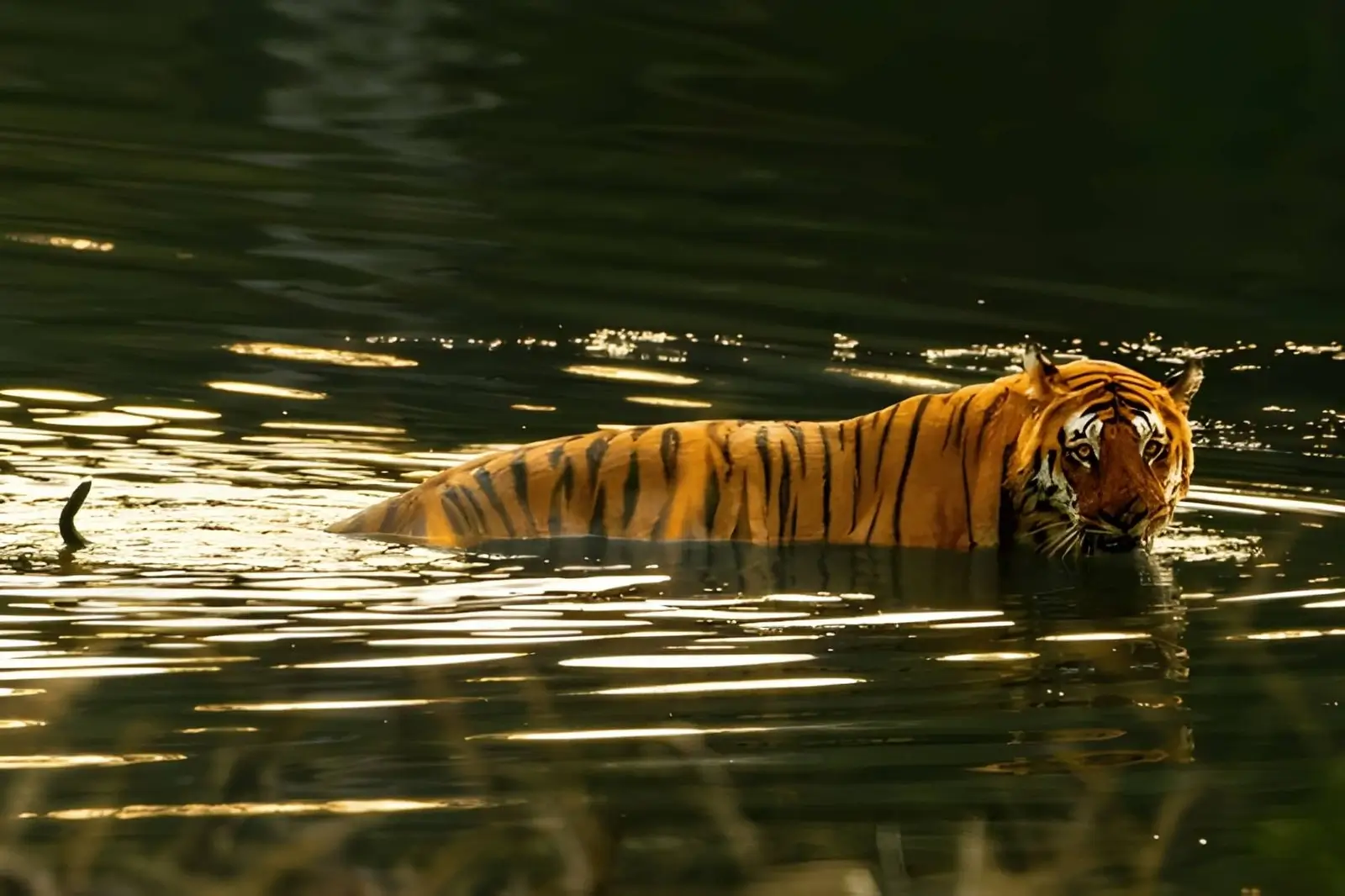
After lunch, head out for an afternoon safari on a different route, often near Tadoba Lake, where Bengal tigers are regularly seen cooling off in the shallows during the warmer months and crocodiles bask along the far bank. Return to the resort for the evening naturalist briefing, followed by dinner and overnight stay.
Tadoba National Park – Safari Day Two
Routes are rotated on this second day to cover fresh territory. Tadoba's naturalists track known resident tigers by name, and movement patterns and territorial shifts are shared before each drive. The afternoon may cover the Kolsa range on the park's southern side, known for denser canopy and quieter forest roads. Four drives across two full days give genuine familiarity with Tadoba's terrain rather than a rushed pass-through. Dinner and overnight stay at the resort.
Tadoba National Park – Pench National Park (250 km / 5 hrs drive)
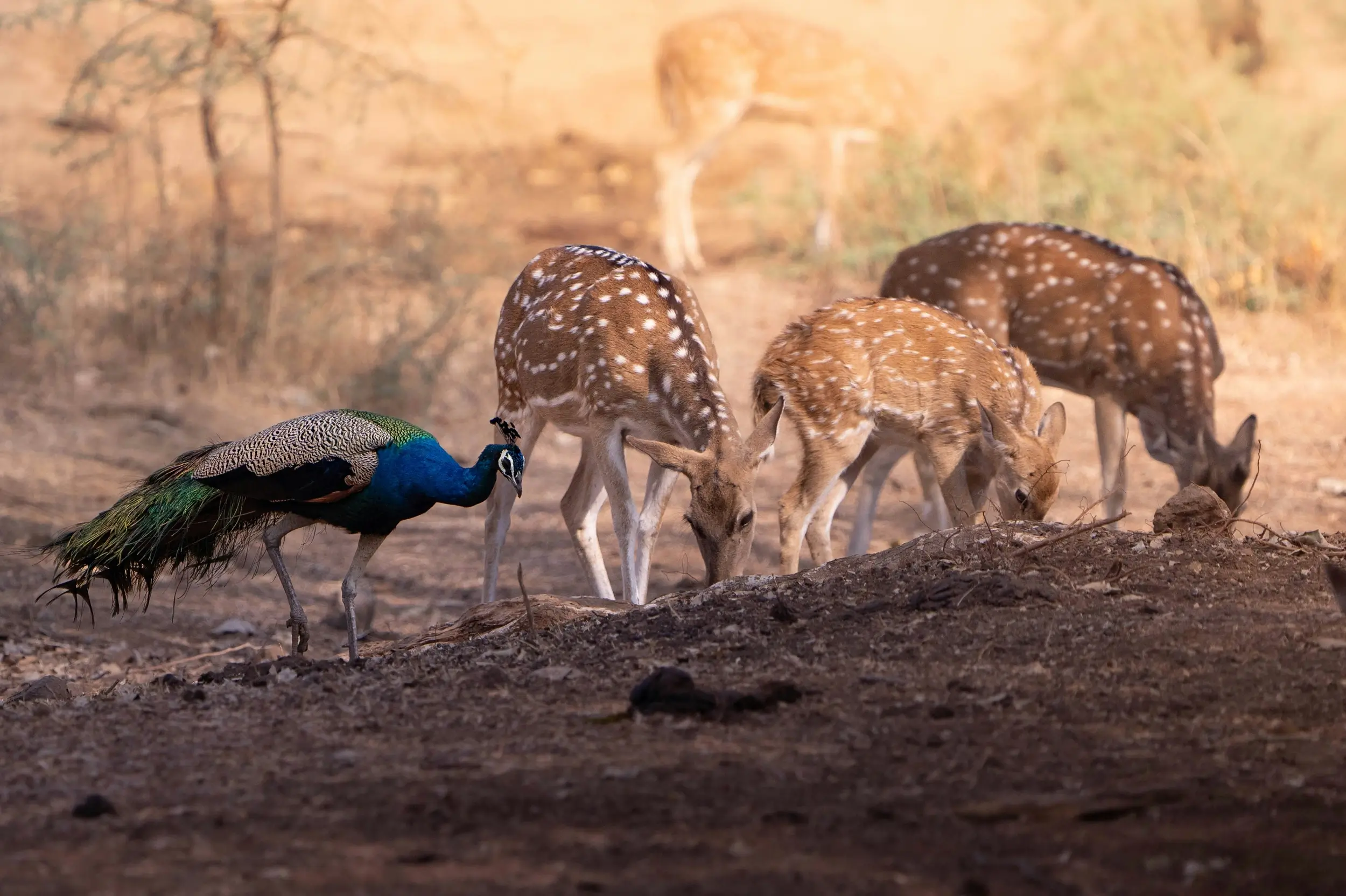
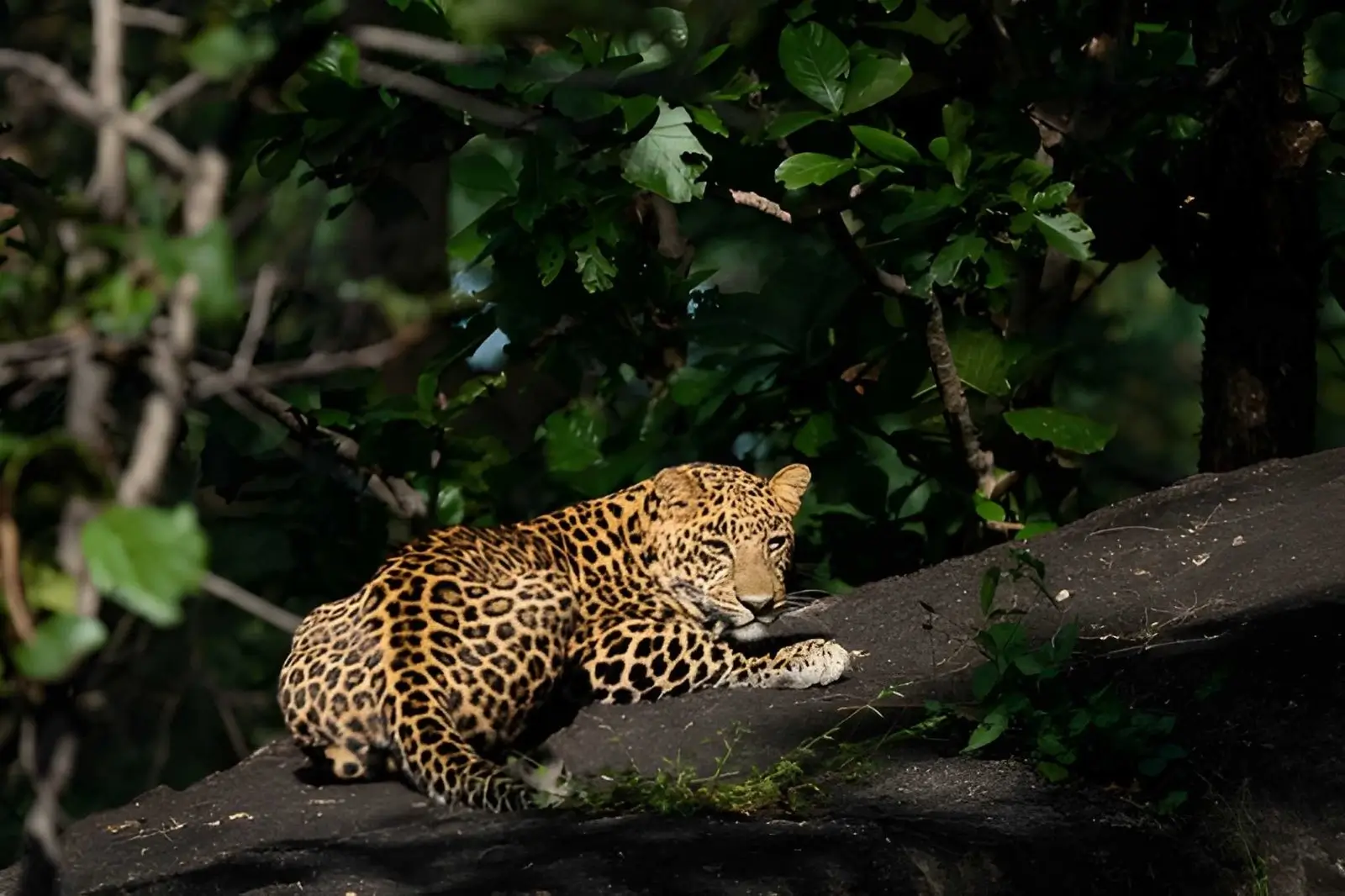
After a morning breakfast, check out and drive northwest to Pench National Park, straddling the Madhya Pradesh-Maharashtra border. Pench sits in the Seoni hills, the landscape where Rudyard Kipling set The Jungle Book. The forest here is a mix of teak and bamboo threaded by the Pench River, and the park holds strong tiger and leopard numbers alongside large gaur and chital herds. Upon arrival, check into the wildlife resort near the buffer zone. Evening at leisure, followed by dinner and overnight stay.
Pench National Park – Safari Day One
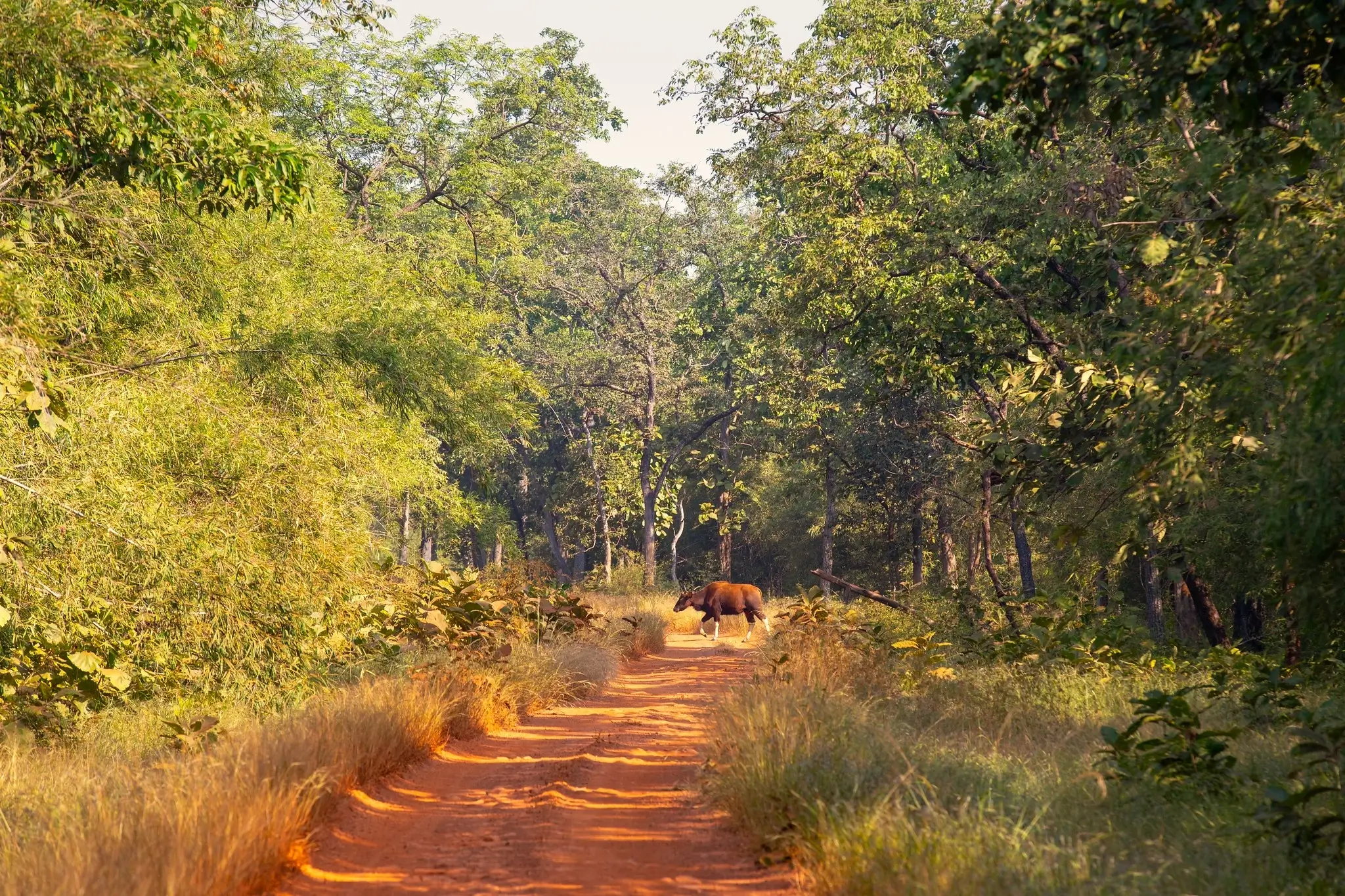
The morning safari focuses on Pench's core zone meadows, where gaur and chital herds are commonly spotted and tiger movement follows the prey. Return to the resort for breakfast and rest through midday. The afternoon drive shifts to the riverbank belt, where leopard sightings are more frequent and the birdlife is at its densest, with over 285 recorded species across the reserve, including grey-headed fish eagles and Indian pittas. Return to the resort for the evening naturalist briefing, dinner, and overnight stay.
Pench National Park – Safari Day Two
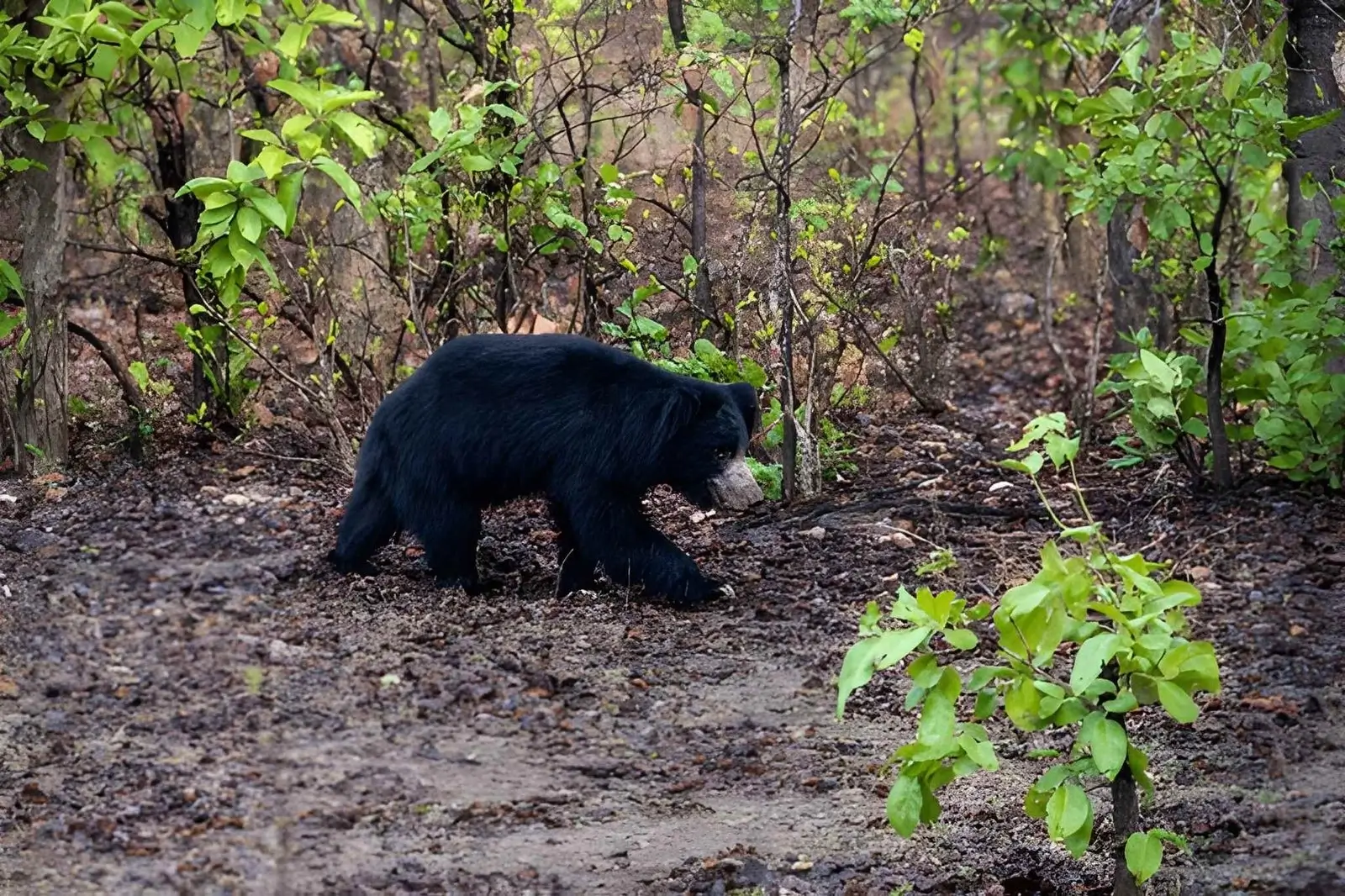
A rotated route today broadens the terrain covered and improves the chance of spotting sloth bears, which favors Pench's rockier patches rather than open ground. Dhole packs are also regularly seen at Pench, often in coordinated hunts that are among the most dramatic wildlife encounters in central India. Dinner and overnight stay at the resort.
Pench National Park – Kanha National Park (200 km / 5 hrs drive)
After breakfast, check out and drive east to Kanha National Park, set in the Maikal Hills of the Satpura range. The drive trades river forest for open sal woodland and rolling grass meadows. Kanha is where the hard-ground Barasingha, a swamp deer subspecies once on the edge of extinction, was successfully brought back and now thrives. Upon arrival, check into the wildlife resort. Evening at leisure, dinner, and overnight stay.
Kanha National Park – Safari Day One
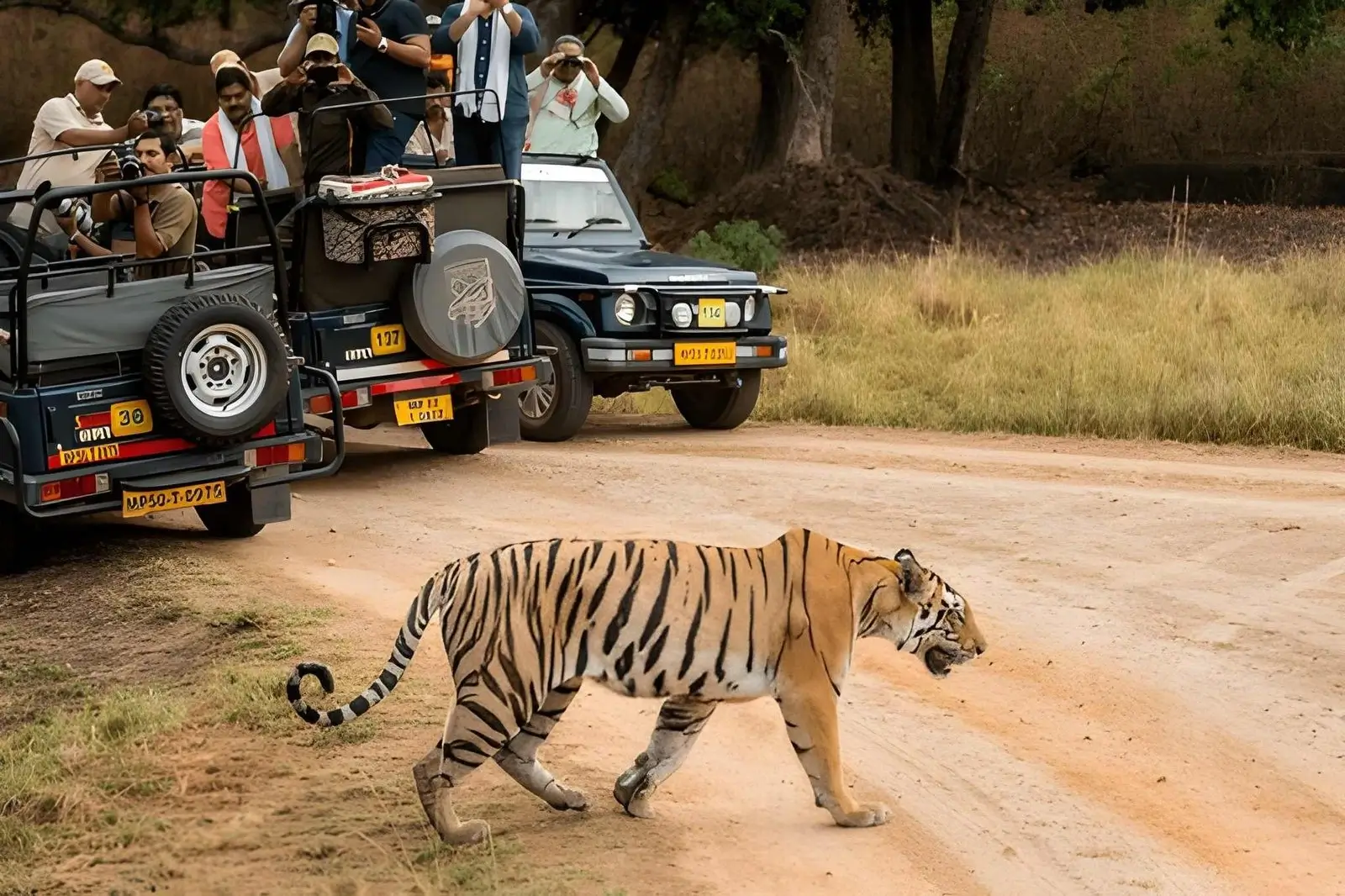
The morning safari runs through the open meadows and sal forests where Barasingha herds graze in the early light. Return to the resort for breakfast and rest. The afternoon drive focuses on waterhole zones where tiger sightings become more frequent as the day heats up, especially during the drier months from March onward. Evening naturalist briefing, dinner, and overnight stay at the resort.
Kanha National Park – Safari Day Two
Today's route often shifts toward the Mukki zone on Kanha's southern side, typically quieter and less crowded than the main Kisli gate, with a higher concentration of bamboo thickets and waterhole activity. By this point in the trip, naturalists are sharing a broader picture of tiger territories across the season rather than just recapping the day. Dinner and overnight stay at the resort.
Kanha National Park – Bandhavgarh National Park (250 km / 6 hrs drive)
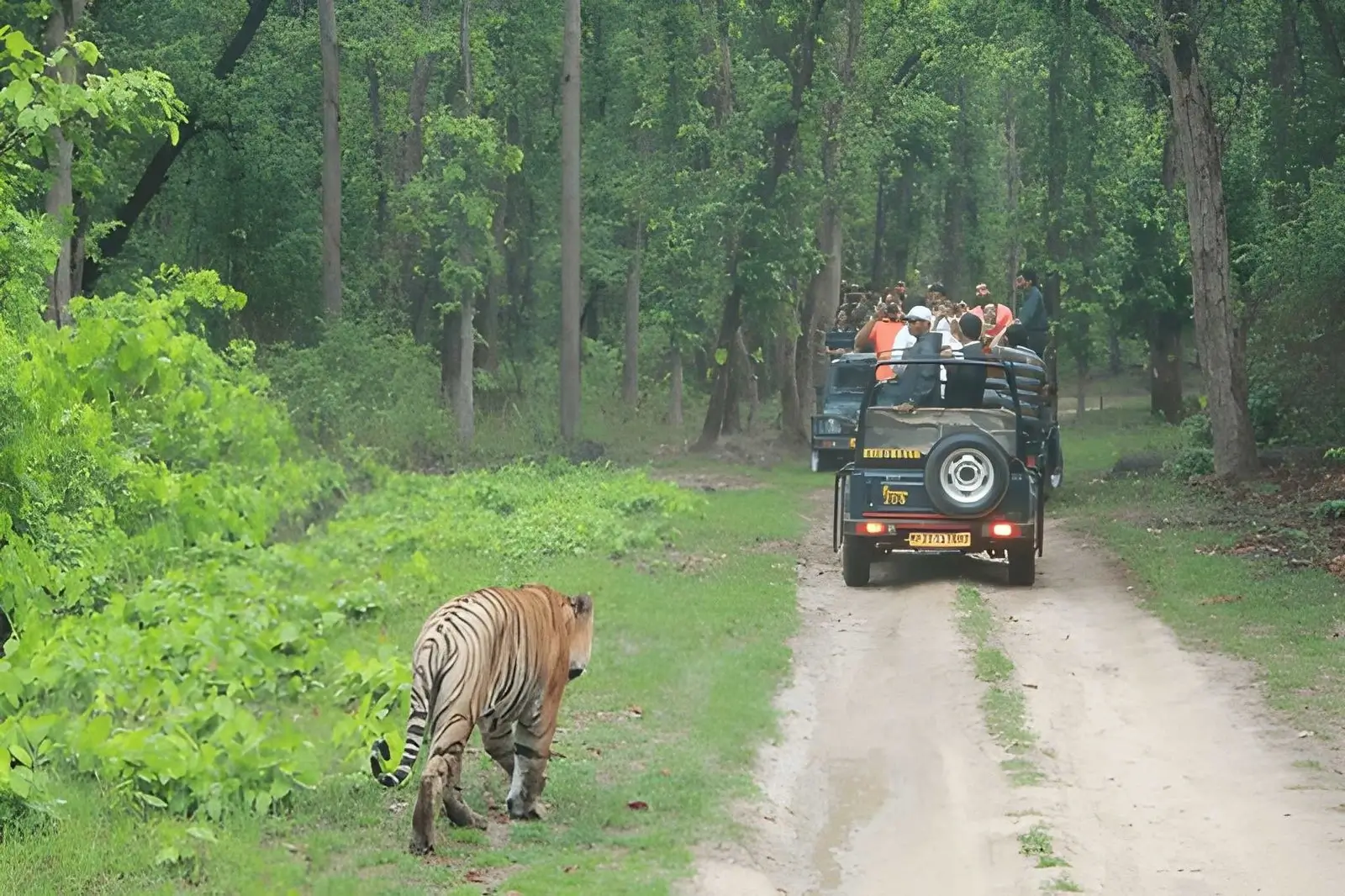
The final park transfer leads northeast to Bandhavgarh National Park in the Vindhya hills of the Umaria district. Bandhavgarh's three core zones, Tala, Magadhi, and Khitauli, sit beneath the ruins of a two-thousand-year-old fort that local legend traces to the Ramayana, where Lord Rama is said to have given it to his brother Lakshmana. The park also holds the distinction of being the origin of all captive white tigers worldwide, descended from a cub named Mohan found in the former princely state of Rewa. Upon arrival, check into the wildlife resort near the buffer zone. Dinner and overnight stay.
Bandhavgarh National Park – Safari Day One
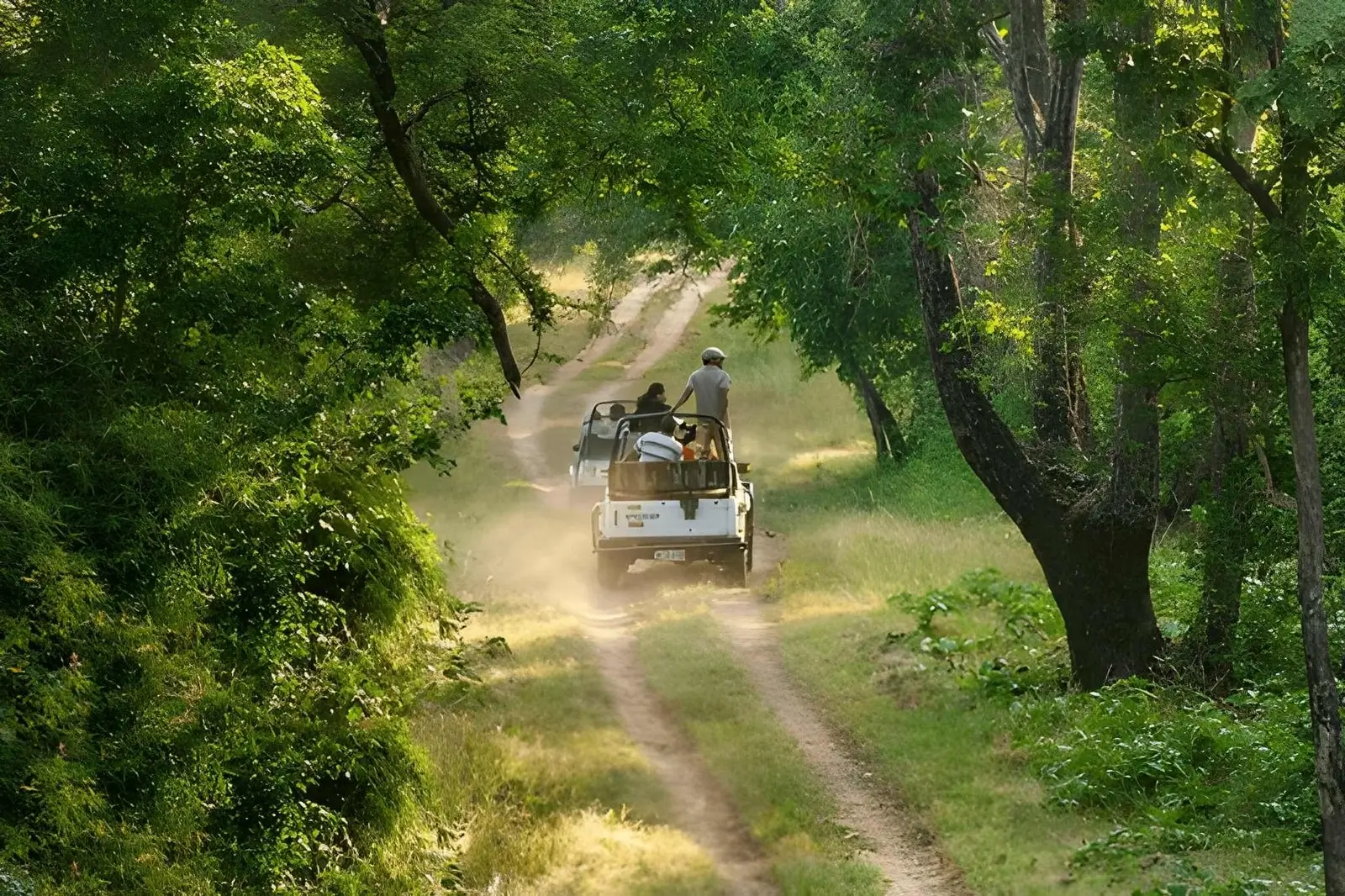
Early morning pickup for the safari into the Tala zone, Bandhavgarh's most famous and most sighting-productive core area, set beneath the fort's cliffs. Open meadows like the celebrated Chakradhara, ringed by hillocks, have produced some of central India's most consistent tiger sightings for decades. Return for breakfast and rest. The afternoon drive covers the Magadhi or Khitauli zone, depending on the current rotation, both known for strong leopard and tiger encounters. Evening naturalist briefing, dinner, and overnight stay.
Bandhavgarh National Park – Final Safari Day
The circuit's sixteenth and final safari rotates through Bandhavgarh's remaining zones. With sal and mixed deciduous forest, bamboo-filled ravines, twelve natural waterholes, and grassy meadows compressed into a relatively compact core, Bandhavgarh concentrates its 135-plus tigers into smaller territories than most reserves, which is what makes sighting odds here consistently high. Dinner and overnight stay at the resort.
Departure from Bandhavgarh (Jabalpur 170 km / 4 hrs drive or Umaria 32 km / 45 min drive)
After breakfast, check out from the resort. Drive to either Jabalpur airport for an onward flight or Umaria railway station for a train connection. Our representative ensures a smooth transfer, closing thirteen days across four of central India's strongest tiger reserves.
Tour and services ends.
Duration : 06Night & 07Days
Location : Nagpur - Tadoba - Nagzira - Pench - Nagpur

Duration : 15Night & 16Days
Location : Delhi - Agra - Umaria - Bandhavgarh - Kanha - Pench - Tadoba - Delhi
Duration : 12Night & 13Days
Location : Delhi - Agra - Umaria - Bandhavgarh - Kanha - Pench - Tadoba - Delhi