Best Time for Wildlife Holidays in India
India does not run on one wildlife calendar. Central Indian tiger reserves and the Rajasthan circuit run from October to June and close through peak monsoon. Kaziranga and the Northeast follow a similar November to April window shaped by Brahmaputra flooding. The Sundarbans is at its best in the cool, dry months. The Western Ghats national parks in Kerala and Karnataka stay open through the monsoon by design and are at their most cinematic in those months. Gujarat's Gir mirrors the central Indian rhythm. Ladakh's Hemis inverts everything, with its most sought-after species reliably tracked only in the depths of winter. Each season below carries a distinct character and rewards a different kind of traveler.
Summer (March to June)
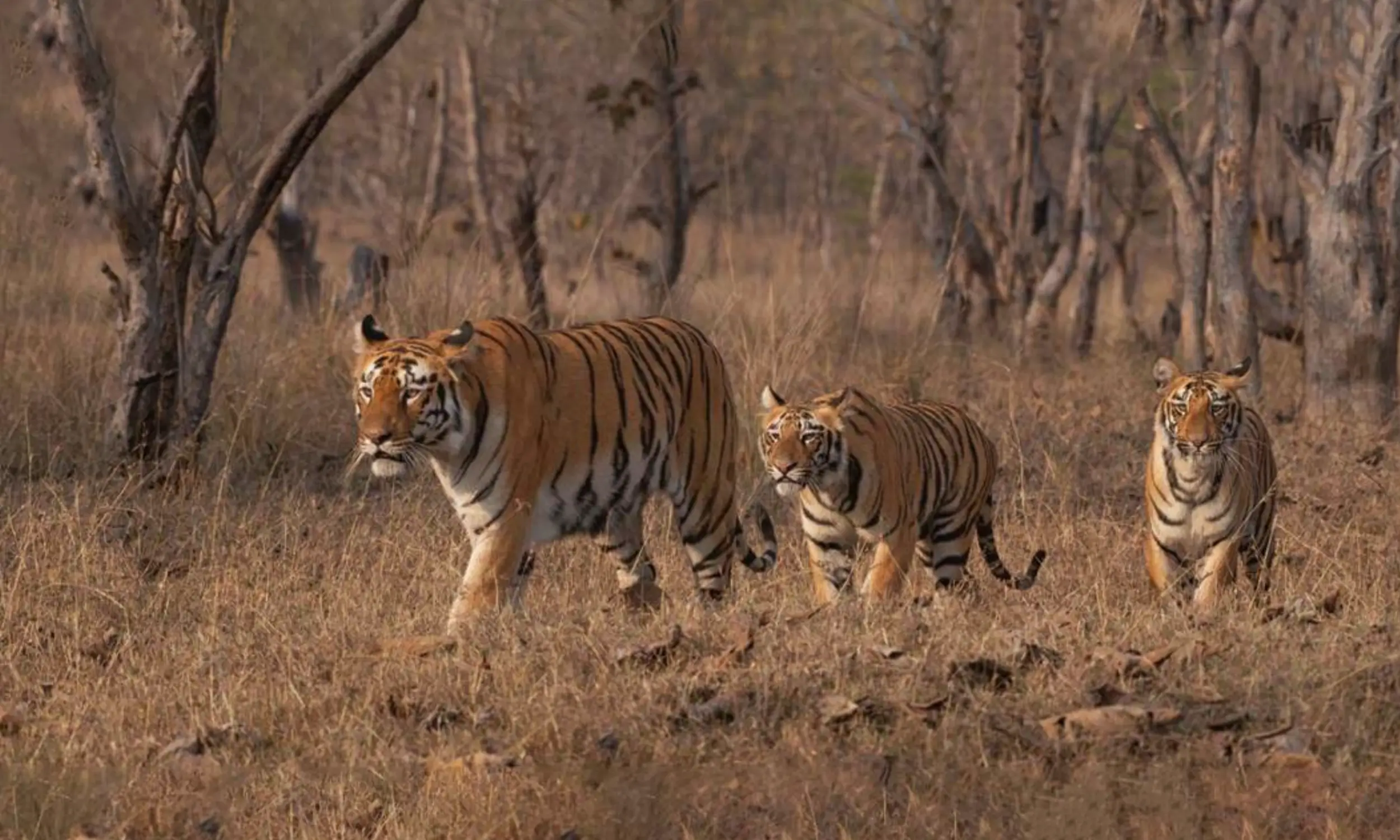
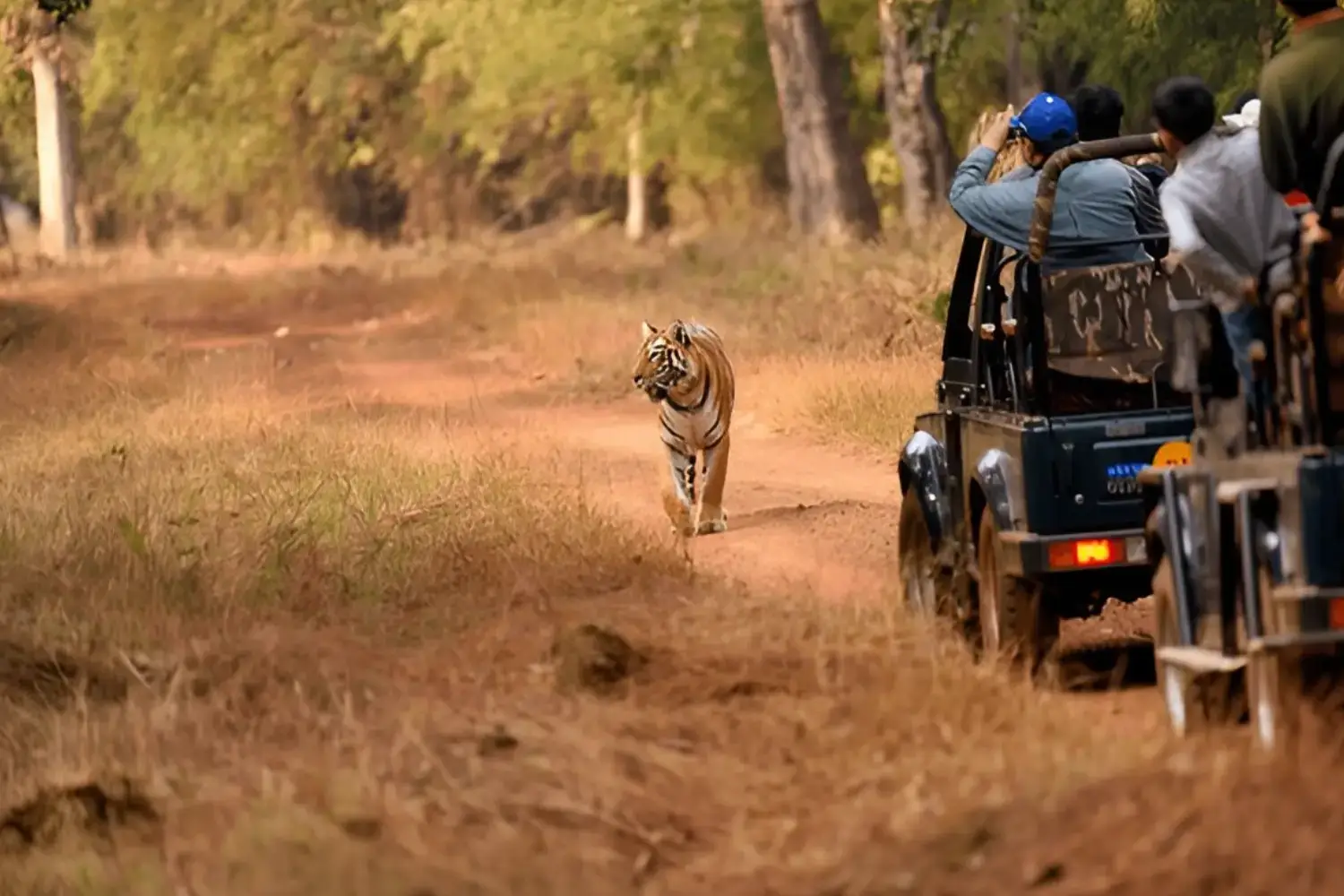
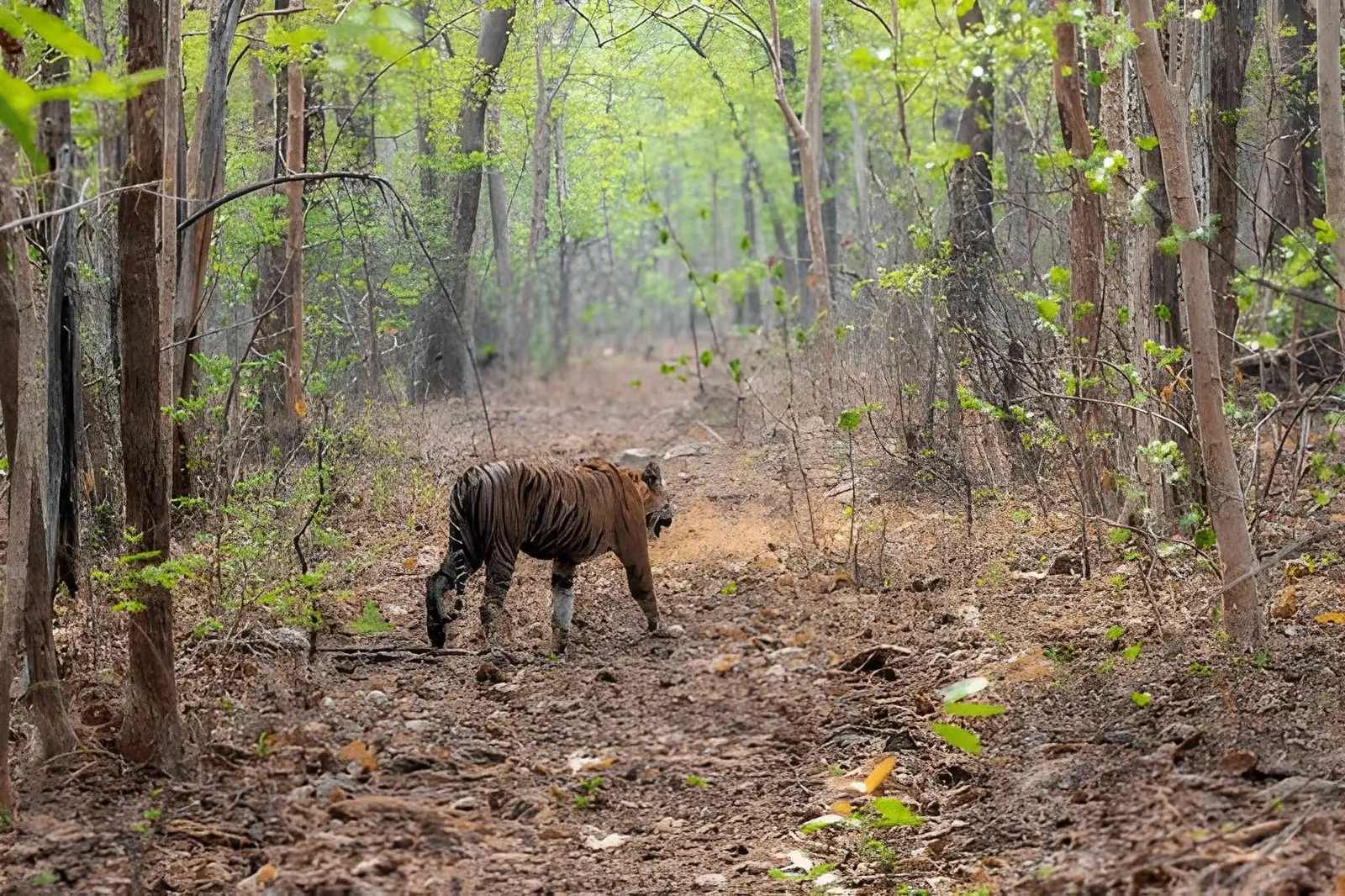
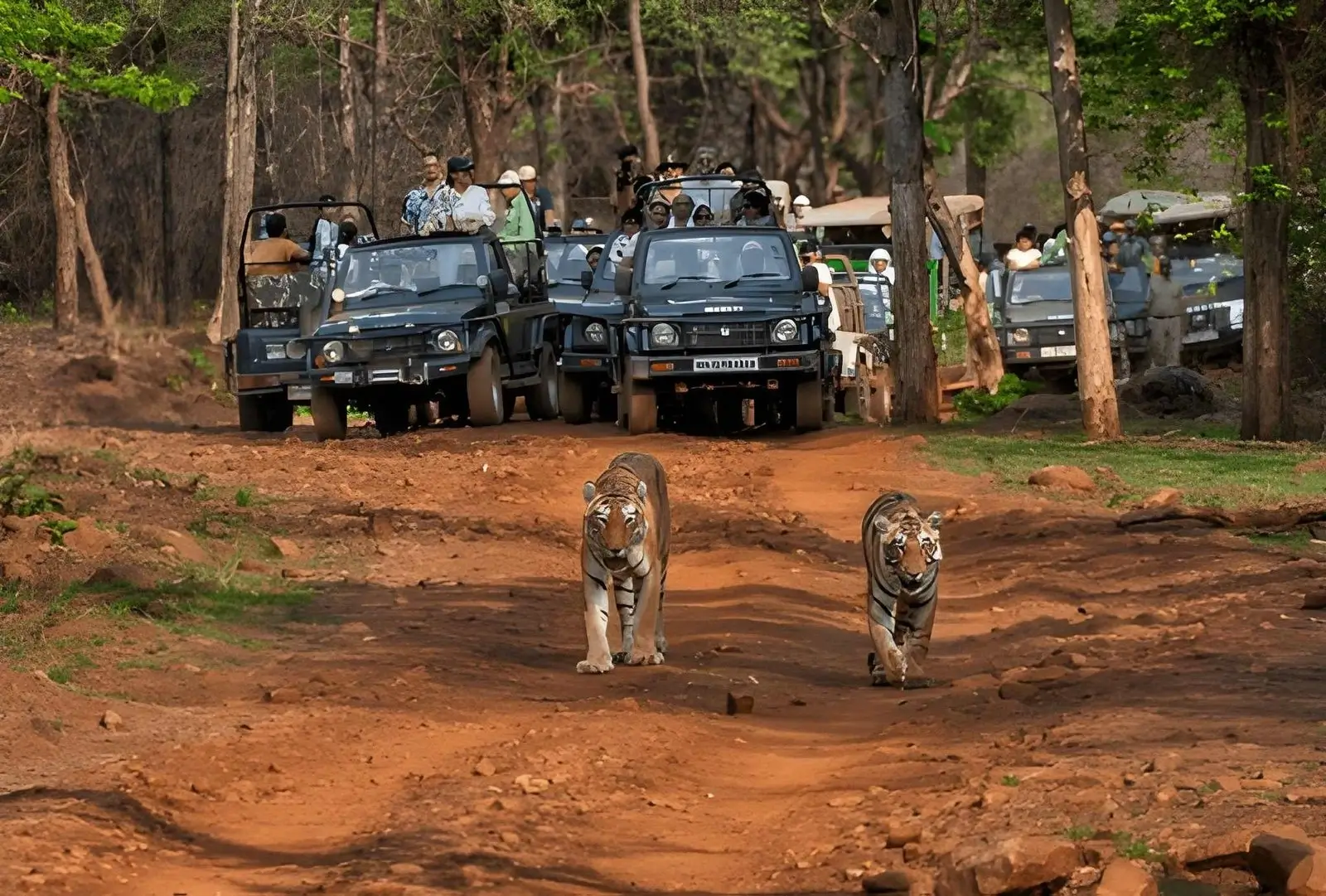
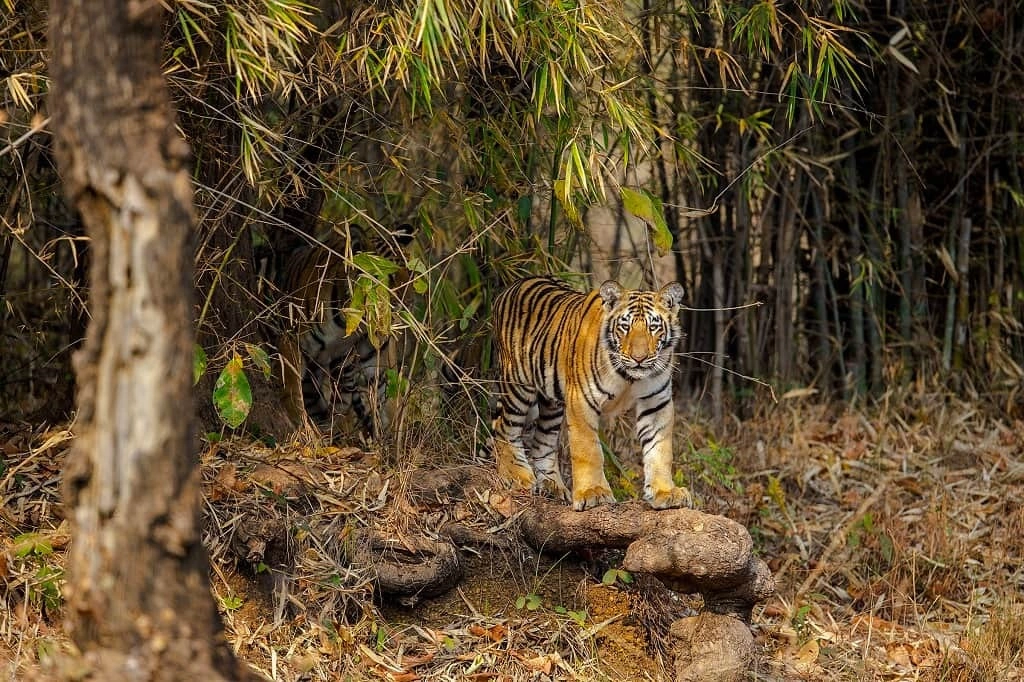
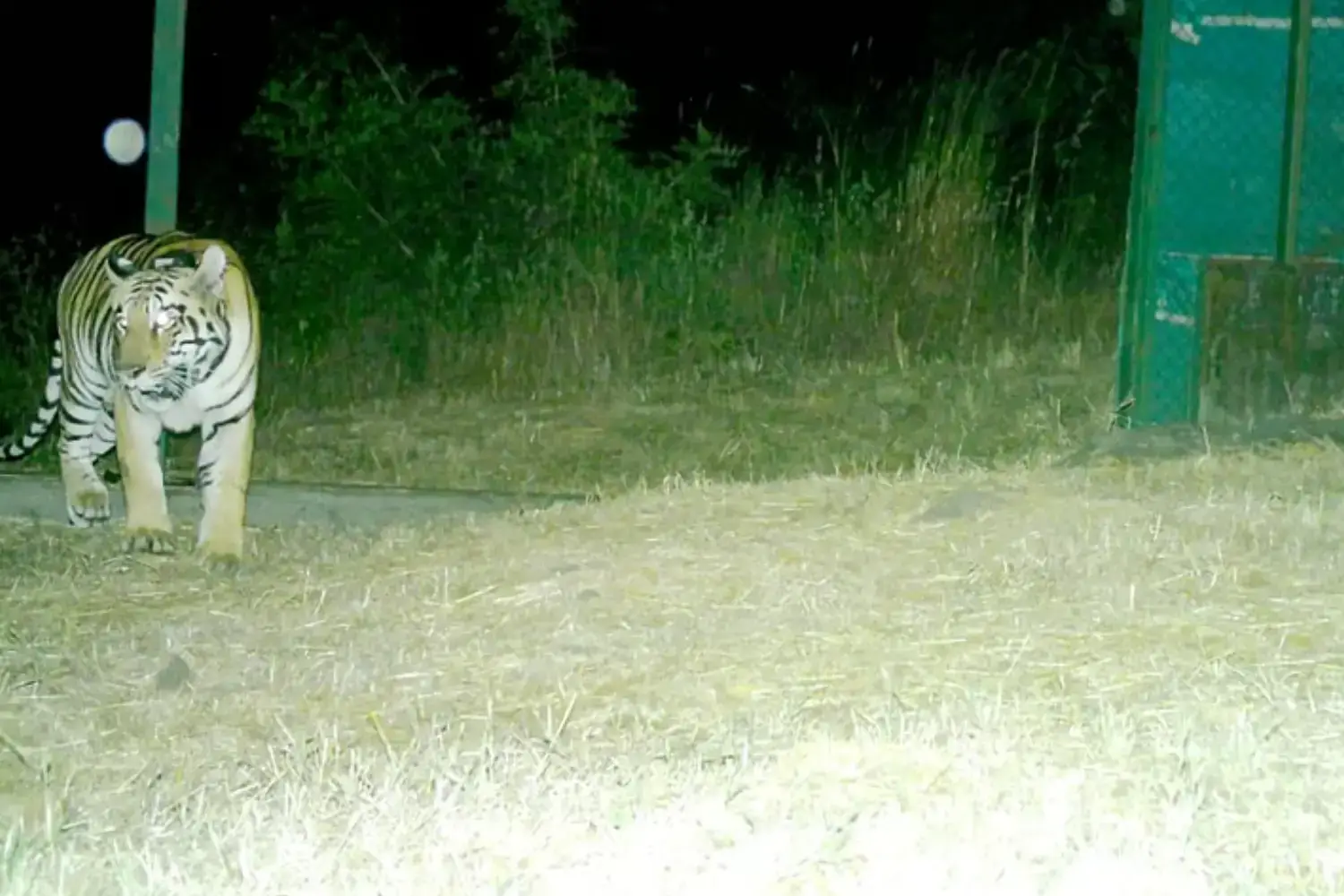
Summer is the highest-probability window of the year for tiger sightings across central India, Rajasthan, and Gujarat. Water sources shrink, undergrowth thins, and animals concentrate around the remaining waterholes, which pulls tigers, leopards, and large herbivores into open, predictable positions. This is the season that drives serious wildlife photography tours in India, with April and May delivering the sharpest sightings across Bandhavgarh, Tadoba, Kanha, Ranthambore, and Gir.
Afternoon temperatures routinely cross 40°C, so early-morning and late-afternoon drives are essential. Corbett stays noticeably cooler than the plains through March and April thanks to its Himalayan foothill setting.
Kaziranga remains open until mid-April and often delivers its strongest rhino sightings in the final weeks before closure, as receding grass cover opens long lines of sight across the floodplain. Hemis becomes practically accessible in summer for high-altitude trekking, wildflower blooms, and blue sheep sightings, though the snow leopard itself is a winter target.
Monsoon (July to September)
Monsoon closes the core zones of most tiger reserves in northern, central, western, and eastern India, including Tadoba, Bandhavgarh, Kanha, Pench, Ranthambore, Sariska, Gir, Kaziranga, and Manas, from around July 1 to October 1 each year.
The closure is a firm regulatory shutdown that protects breeding cycles and allows tracks and grasslands to recover under heavy rain, not a soft advisory. India's monsoon wildlife calendar therefore splits along regional lines.
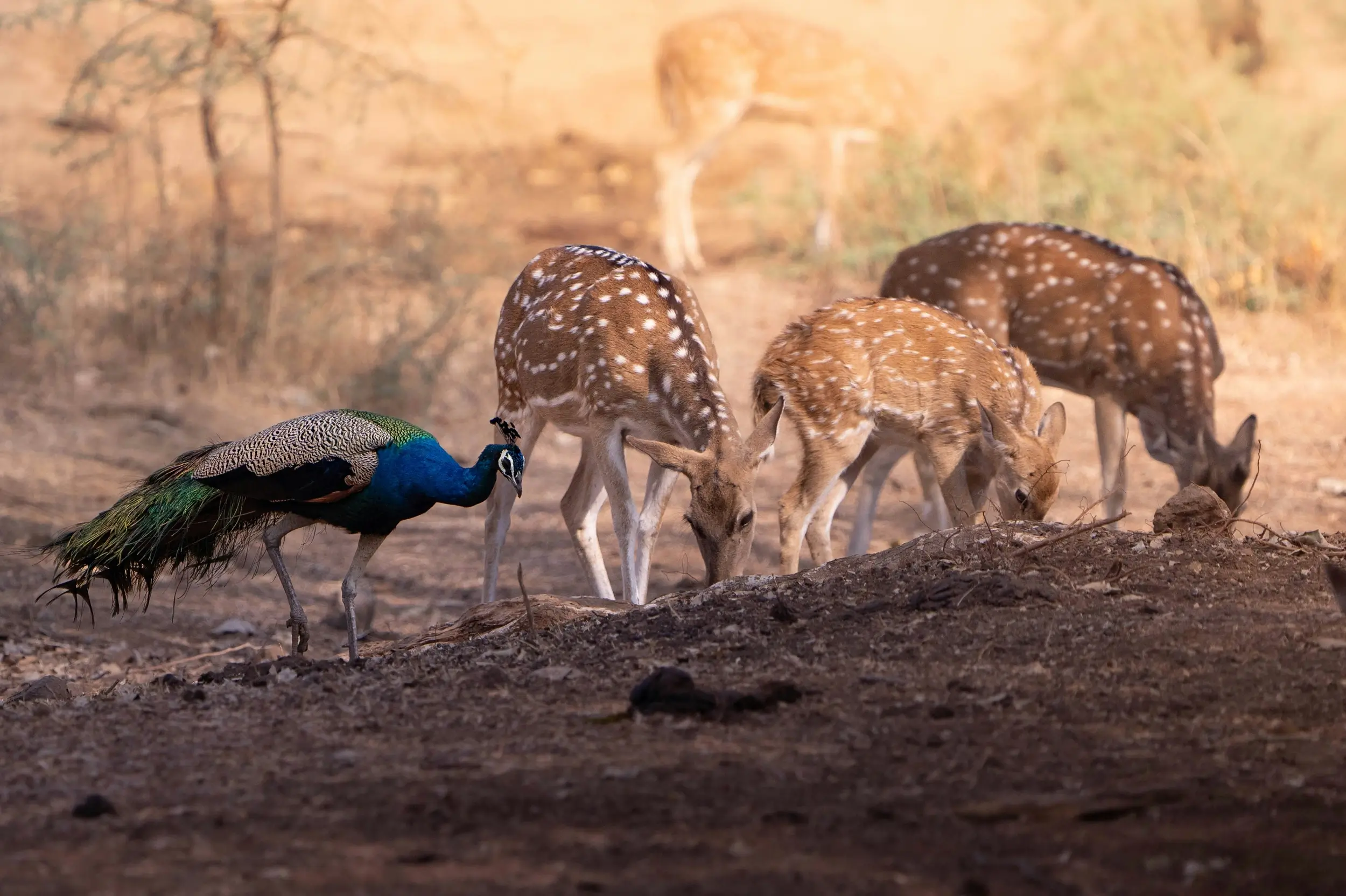
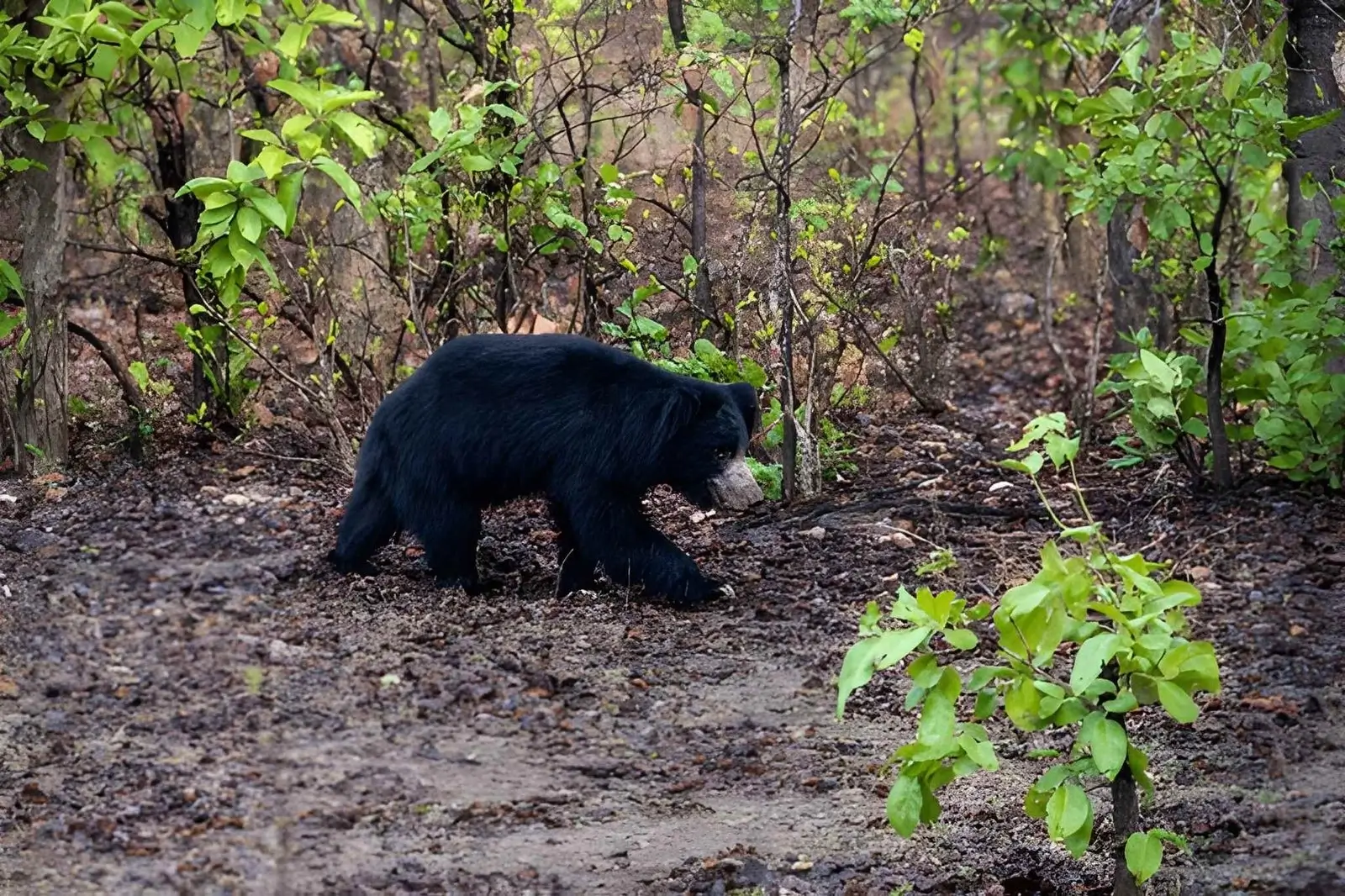
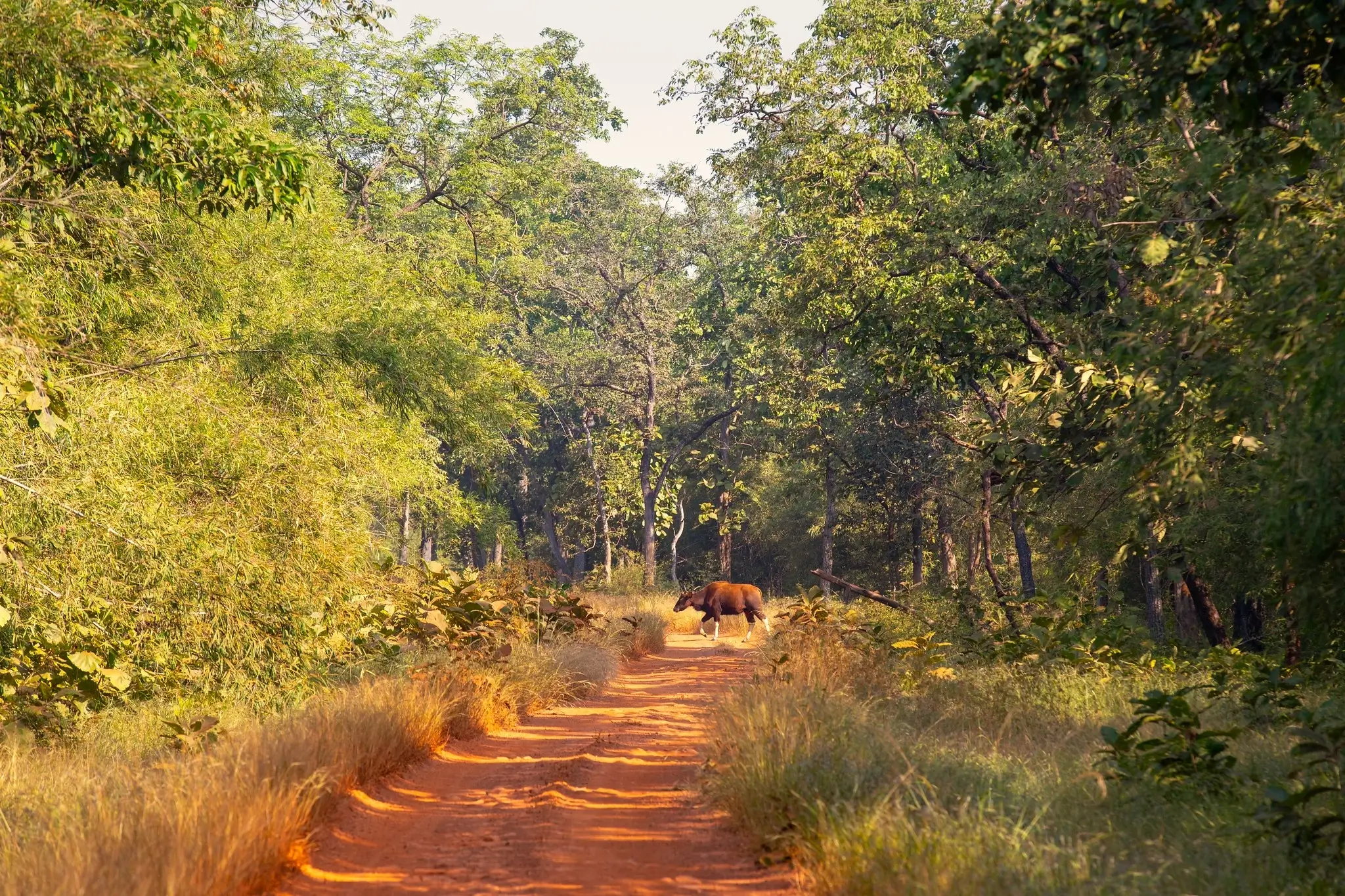
The Western Ghats parks, including Periyar in Kerala and Nagarhole and Bandipur in Karnataka, stay open through the monsoon by design and are at their most cinematic in these months, with mist-wrapped shola forests, thundering waterfalls, and dense undergrowth supporting elephants, gaur, sambar, and a rich birdlife. Periyar in particular runs its boat cruises on Periyar Lake through the monsoon, which is a distinct wildlife experience from the jeep-safari format of the north.
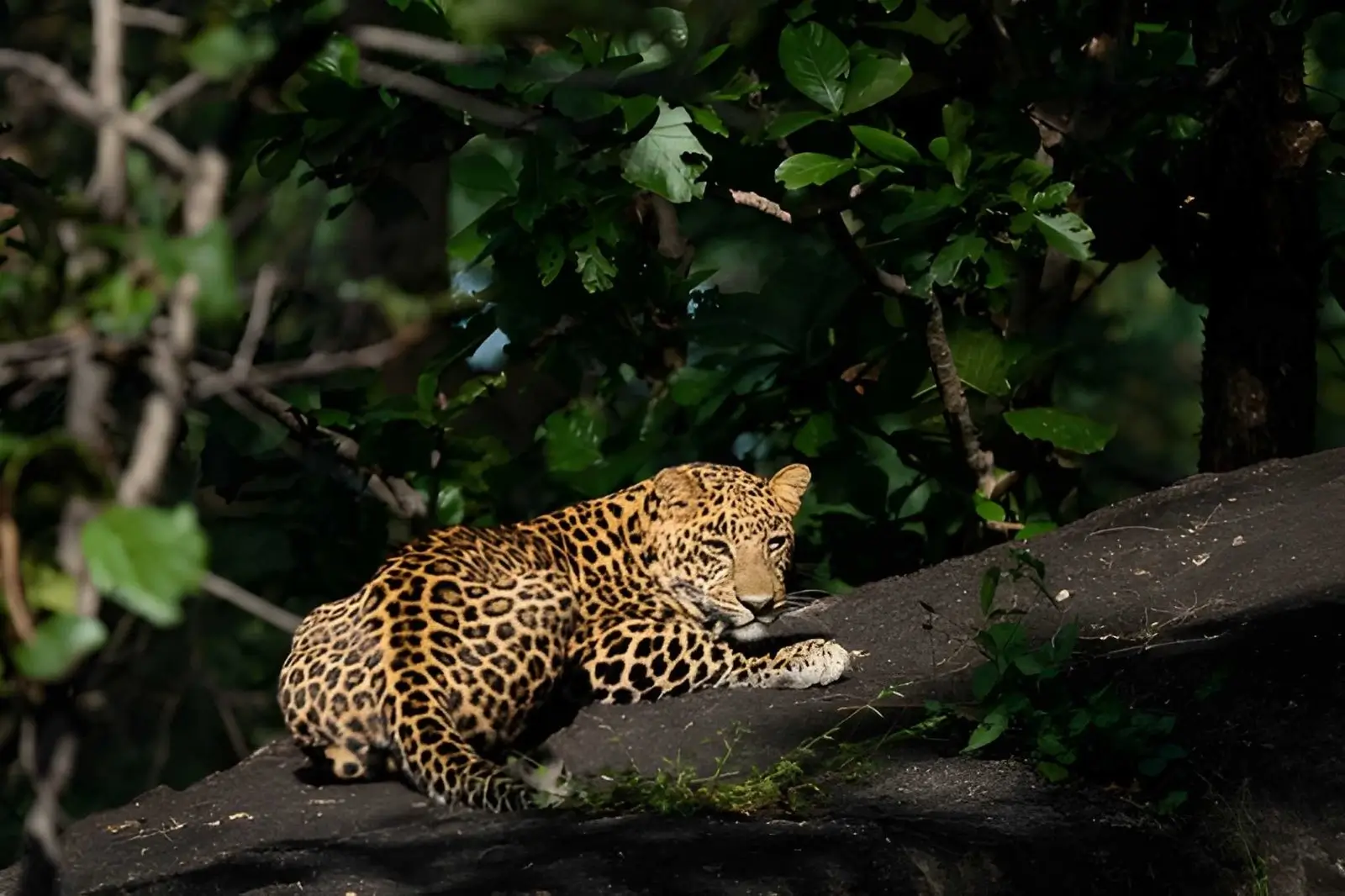
Select buffer zones at Tadoba, Bandhavgarh, and Pench continue to operate on a rotating basis, Corbett's Jhirna and Dhela zones stay open year-round, and both Jhalana and Jawai in Rajasthan remain accessible for leopard sightings. Sighting frequency drops overall in exchange for green landscapes, dramatic light, and near-empty parks.
Winter (November to February)
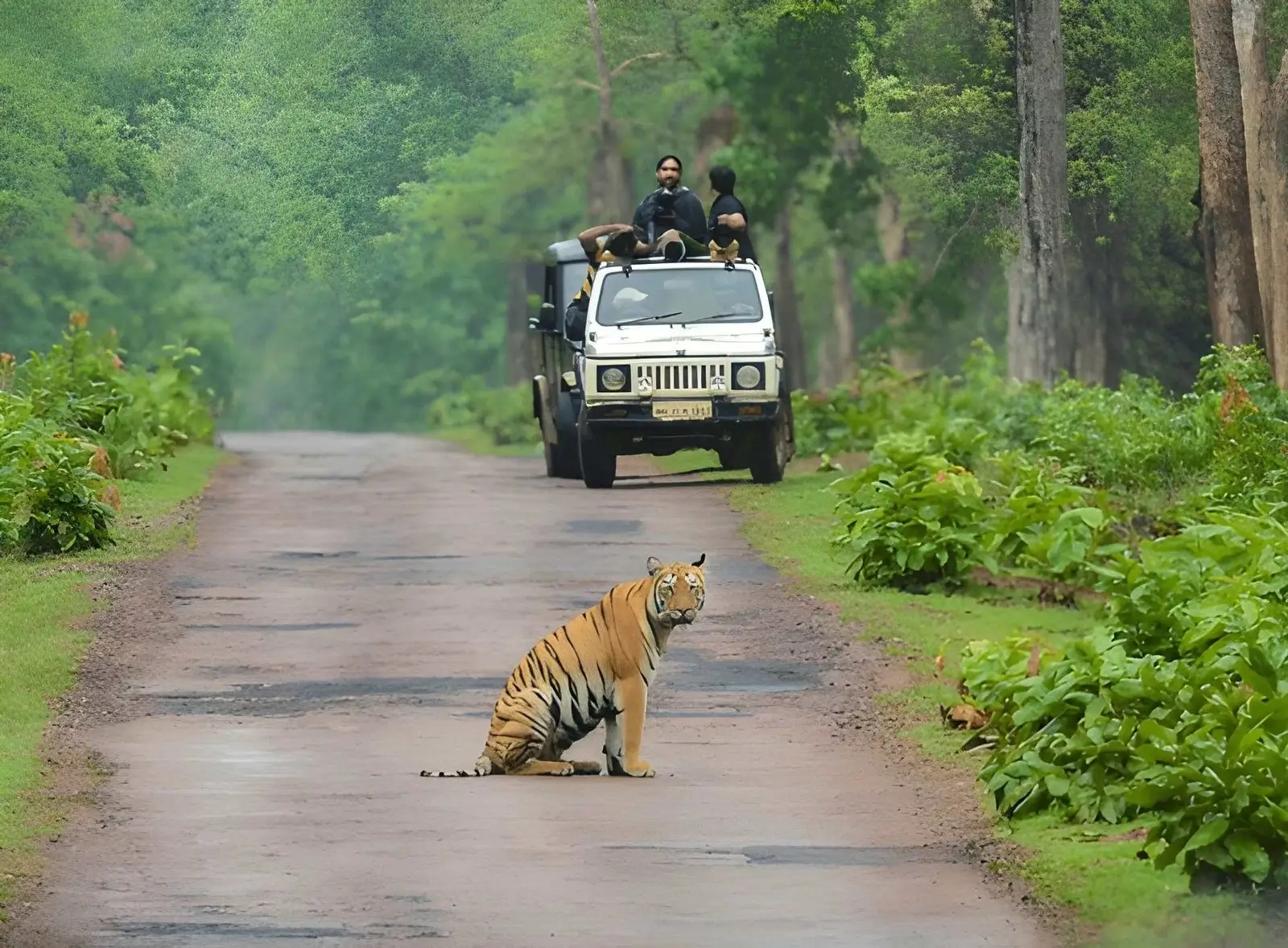
Winter is the best time for wildlife tours in India and the best suited one for first-time visitors, families, and travelers on longer multi-park itineraries. Cool mornings, mild afternoons, and clear light make for pleasant drives across central India, Rajasthan, Gujarat, and the Terai belt.
Kaziranga is at its peak from November to February, with dry ground for jeep safaris across the Kaziranga Range, elephant-back safaris in Bagori, and boat cruises on the Brahmaputra all running reliably. Manas becomes accessible in the same window and delivers a quieter, wilder alternative for travelers combining rhinos and tigers with the Bhutan foothill landscape.
The Sundarbans in West Bengal delivers its best wildlife experience in winters, when cooler air, calmer creeks, and easier boat navigation make Royal Bengal tiger, saltwater crocodile, and estuarine bird sightings possible in a mangrove landscape unlike anywhere else in India. Fog can delay the earliest drives at Bandhavgarh, Kanha, Pench, and Corbett through December and January, and Rajasthan's parks stay warmer and drier through winter.
This is also the season for snow leopards. Hemis National Park in Ladakh runs its dedicated snow leopard expeditions from January to March, when the cats descend from the higher ranges to hunt blue sheep at accessible altitudes, delivering one of the rarest wildlife sightings on earth to travelers prepared for extreme cold.