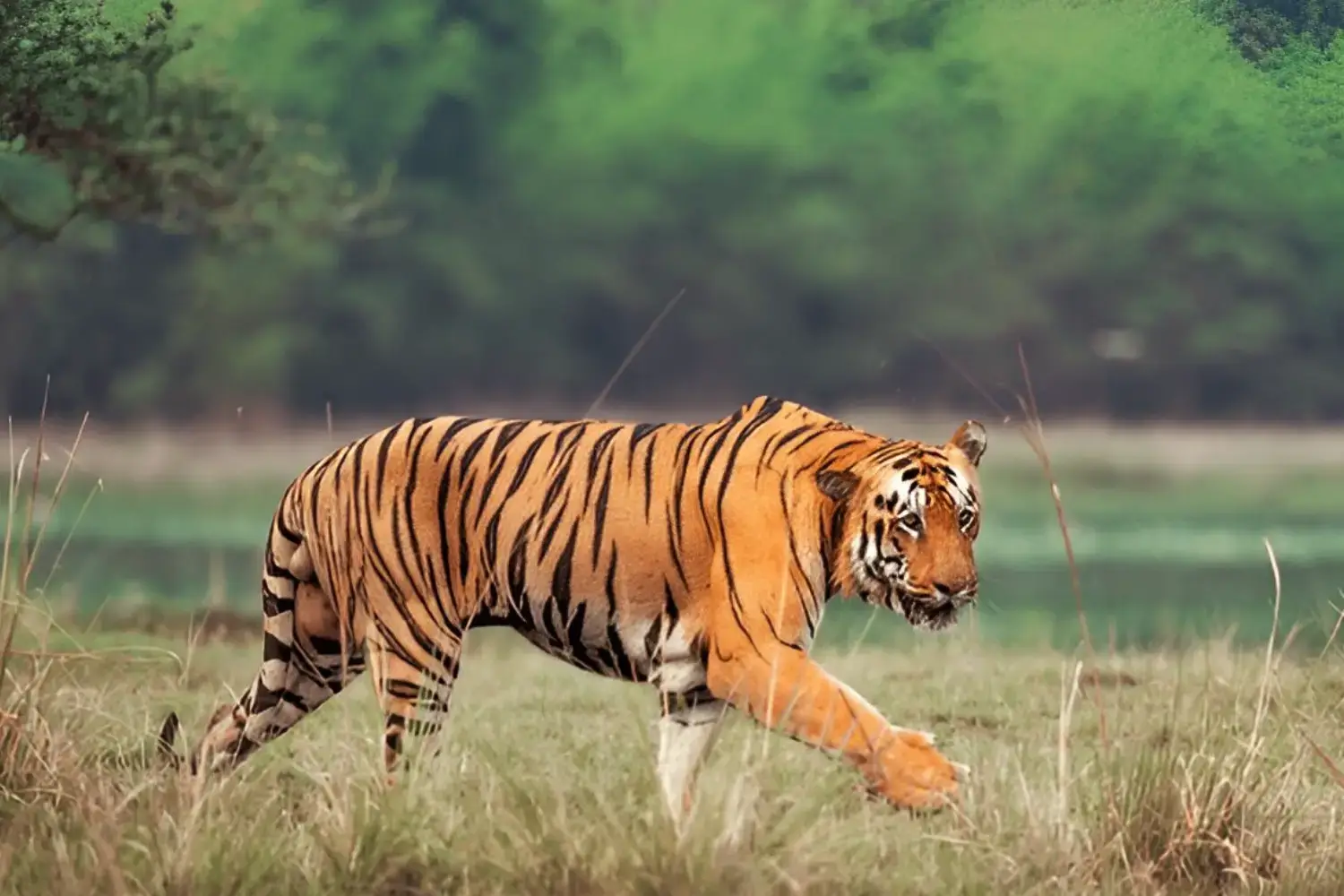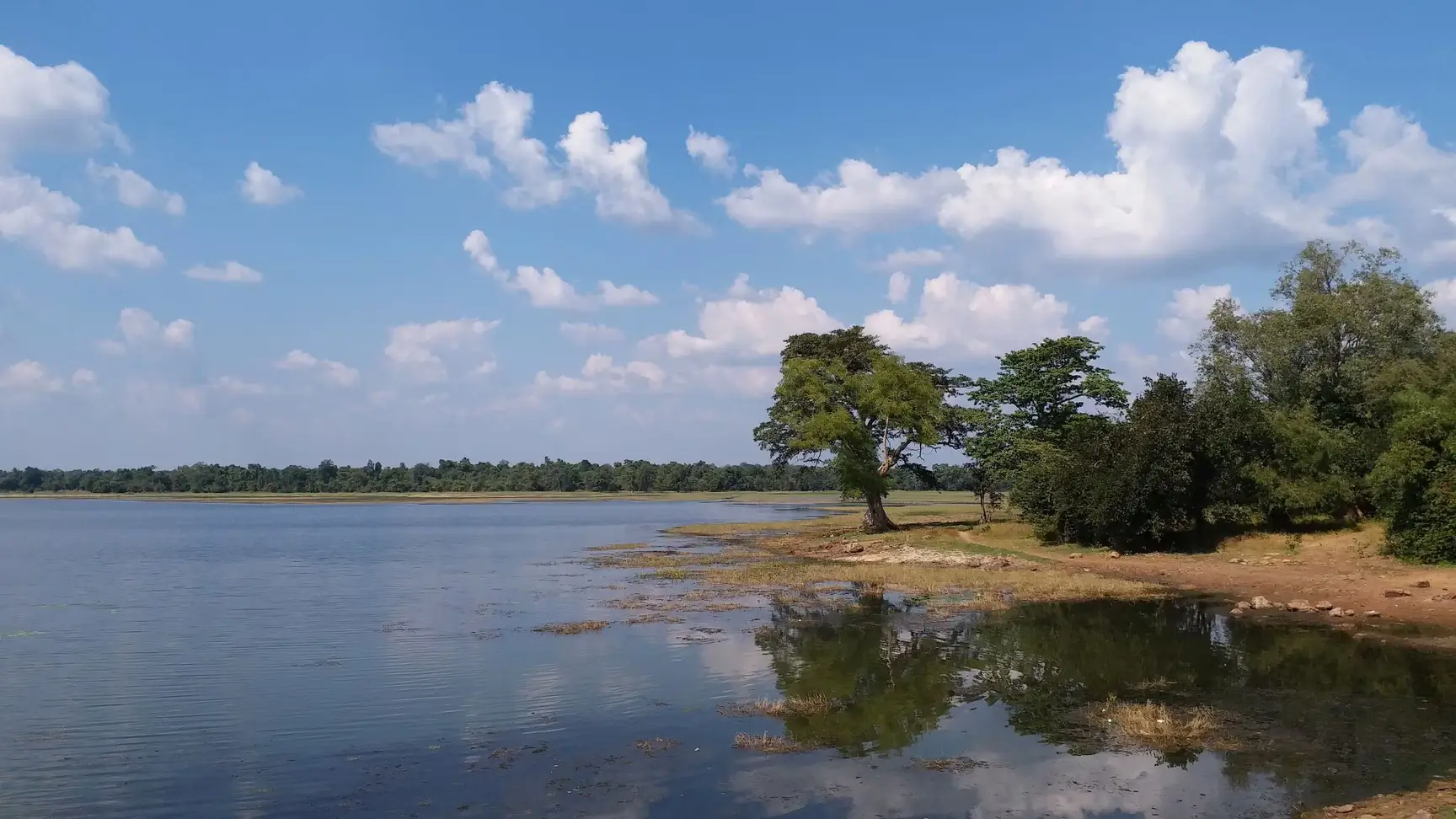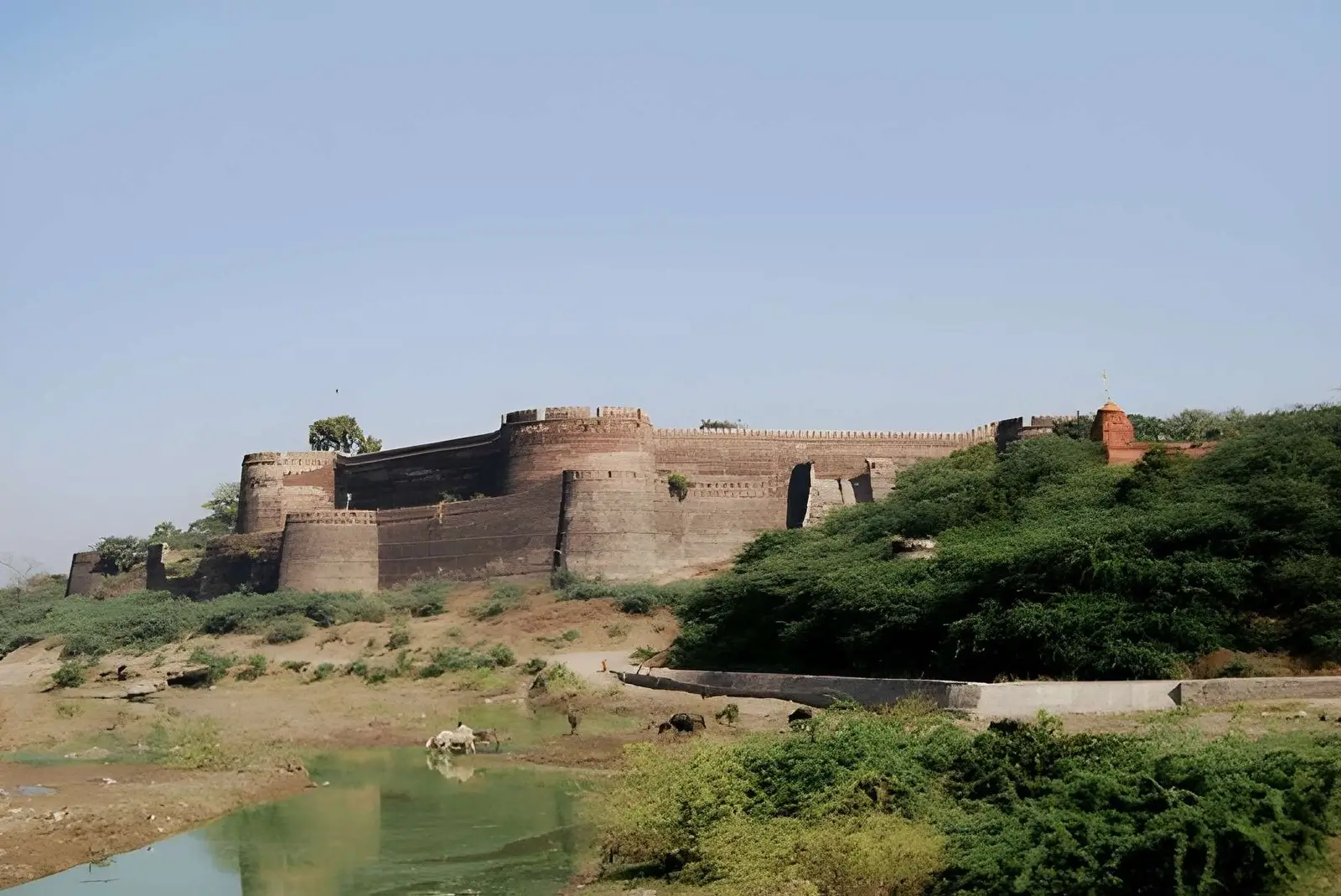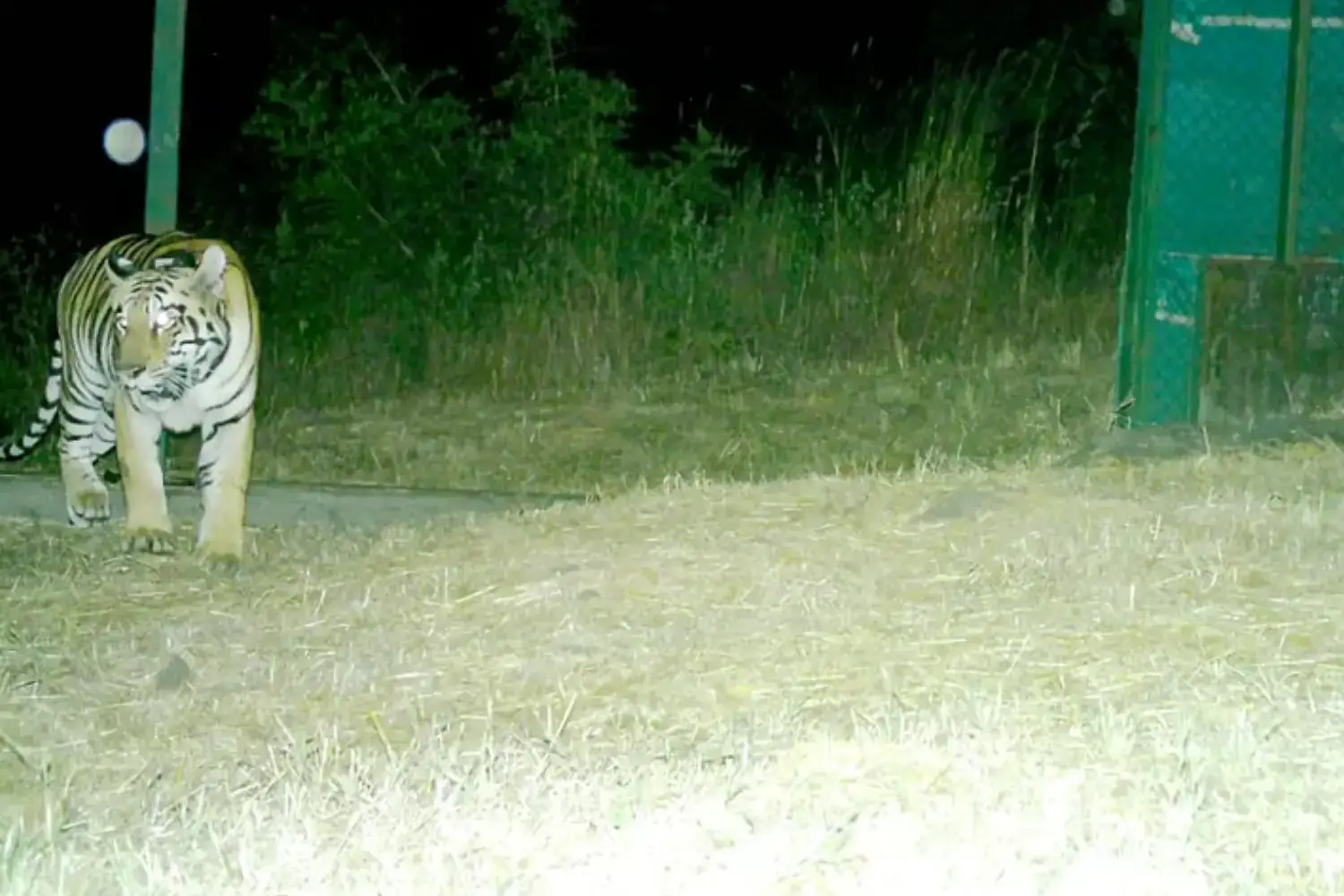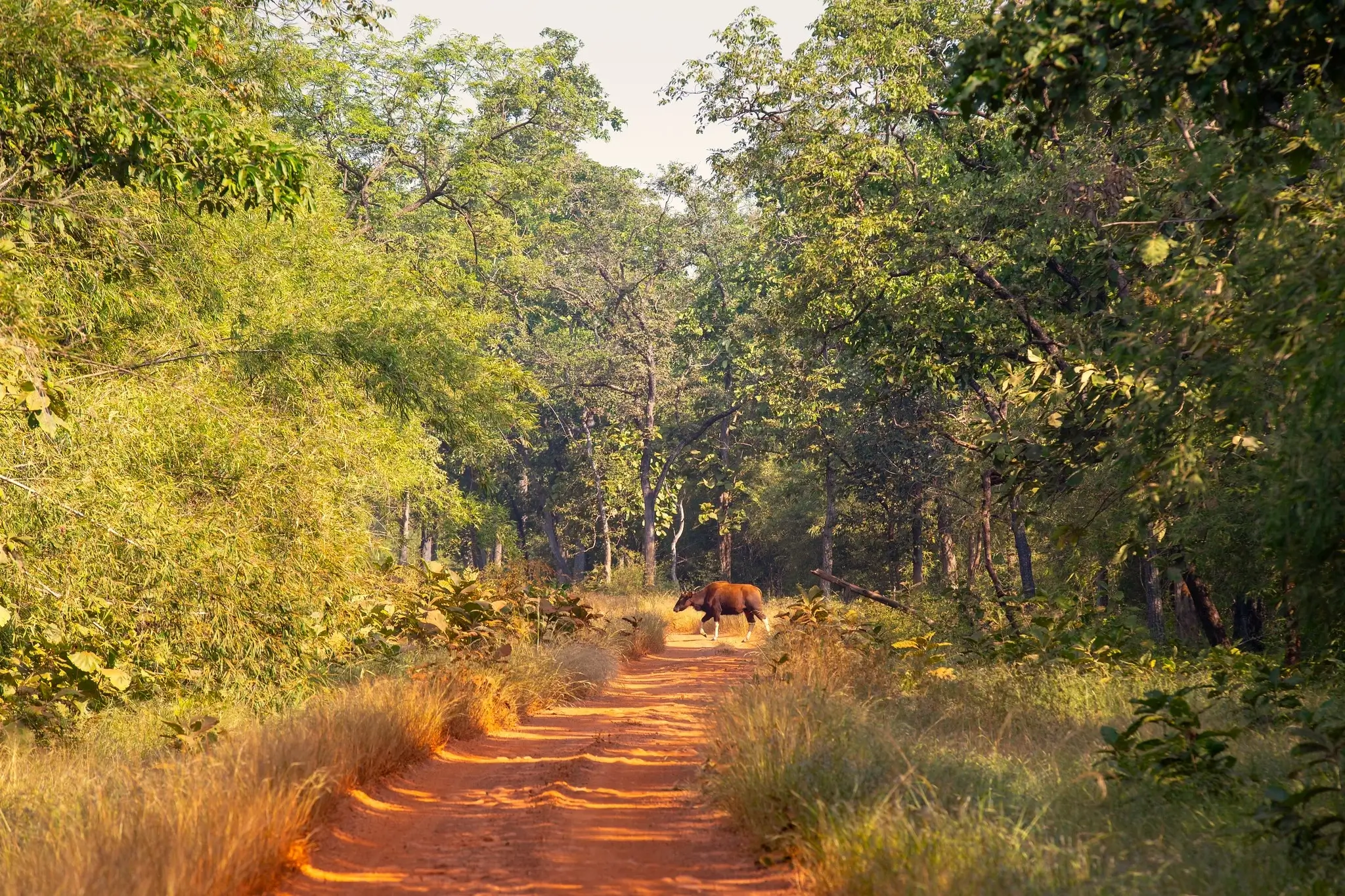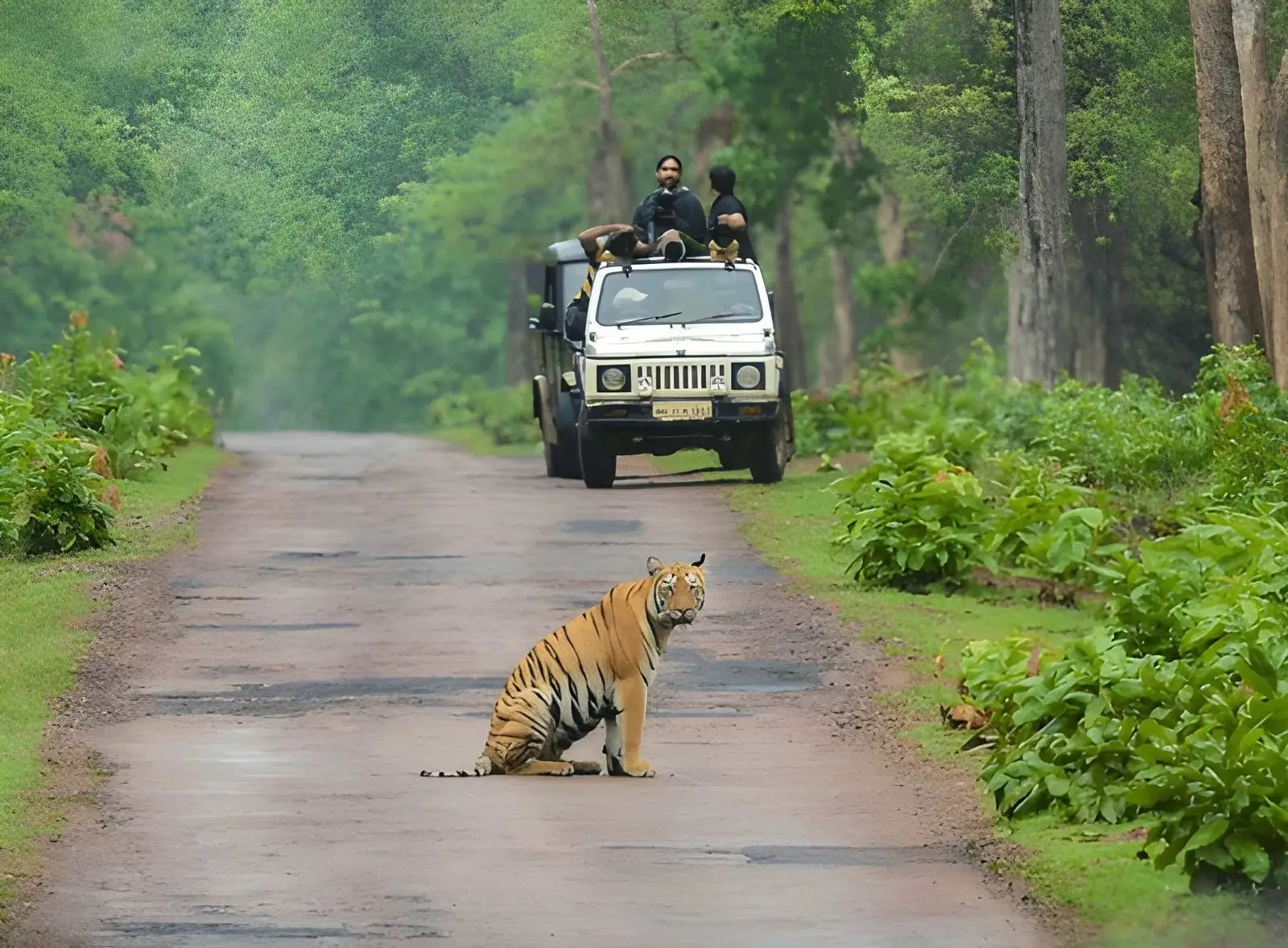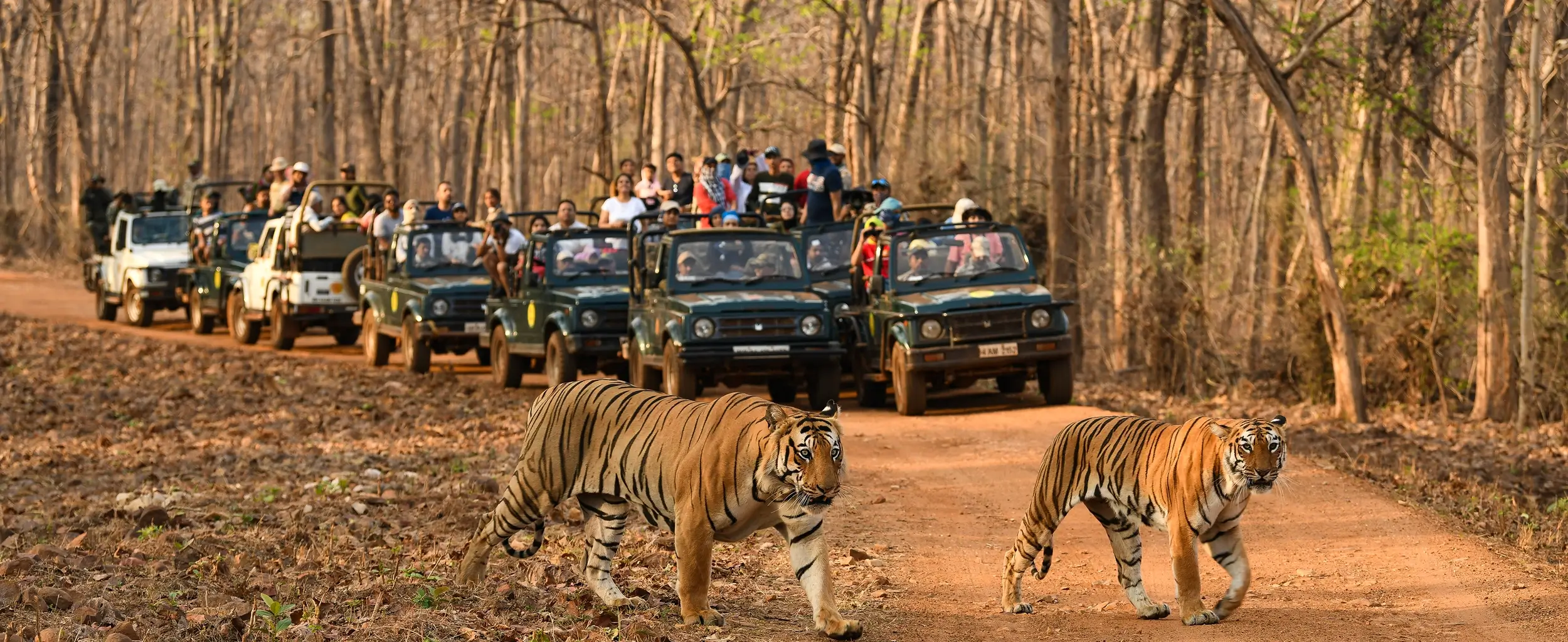
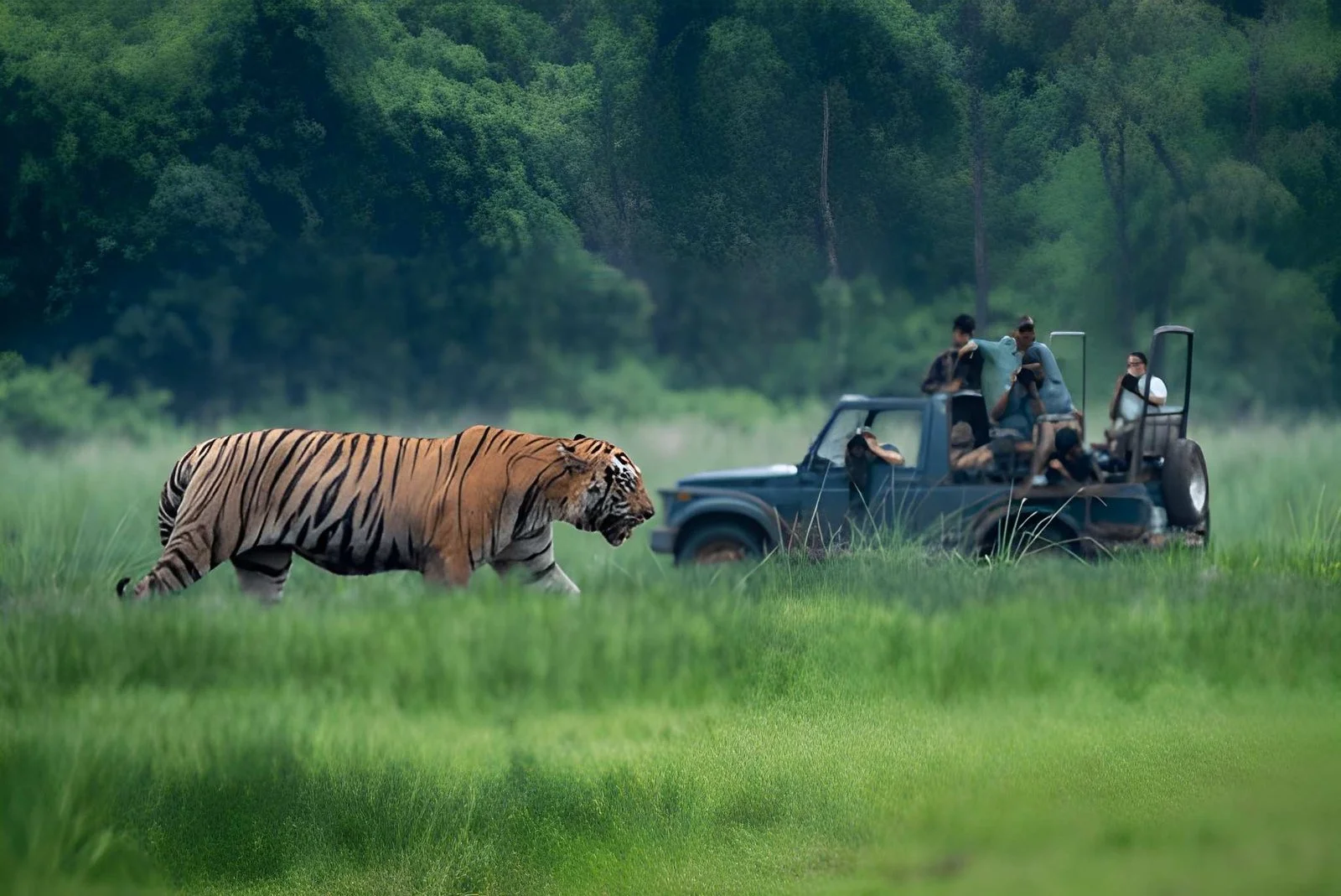
Maharashtra has a wide network of protected forests that are on a par with the best safari destinations in India. The most recent All India Tiger Estimation shows that the state is home to a healthy number of 444 Bengal tigers, a major conservation achievement. The area's geography is basically divided between the rugged, rain-fed Western Ghats in the west and the dry deciduous areas of the Vidarbha region in the east.
The eastern area functions as the main centre for wildlife tourism in Maharashtra. It acts as a key tiger habitat in central India, linking up with forests in adjacent Madhya Pradesh. The western area, which is a UNESCO World Heritage Site, offers a completely different ecological focus on species that are found only in that region, amphibians, and dense evergreen habitats.
The tourism facilities are managed by the Maharashtra Forest Department via the official safaribooking.mahaforest.gov.in portal (with Tadoba operating its own dedicated platform at mytadoba.mahaforest.gov.in), ensuring visitor access is kept under control, open and transparent, and directly beneficial to local conservation initiatives.
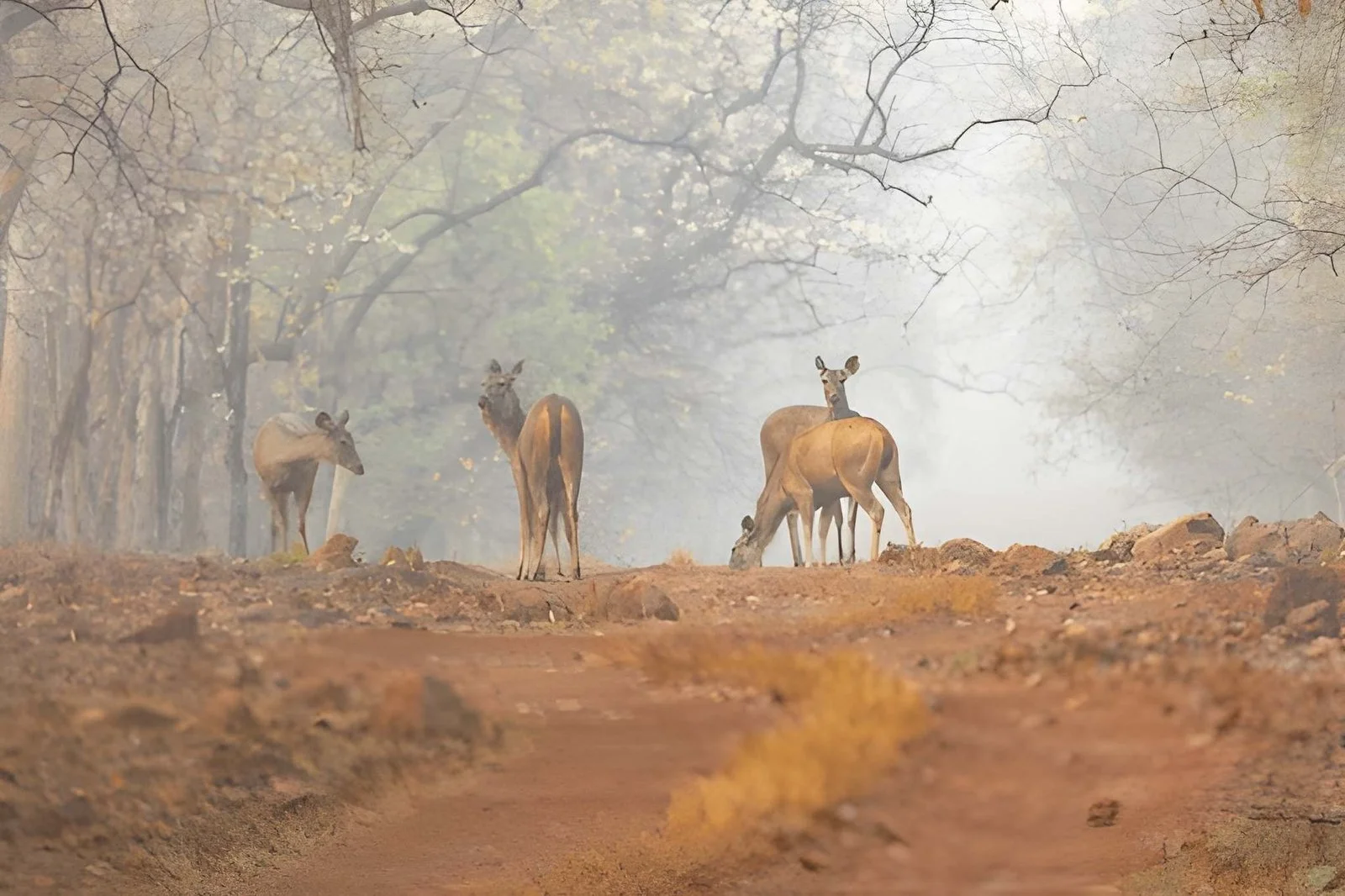
Choosing Maharashtra for a safari adventure ensures great predator sightings along with clear forest management. The state features high-density tiger corridors and rich biodiversity across two different landscapes, providing both serious wildlife enthusiasts and casual travellers with a rewarding natural experience. Exploring Maharashtra wildlife offers several key benefits:
National Parks in Maharashtra
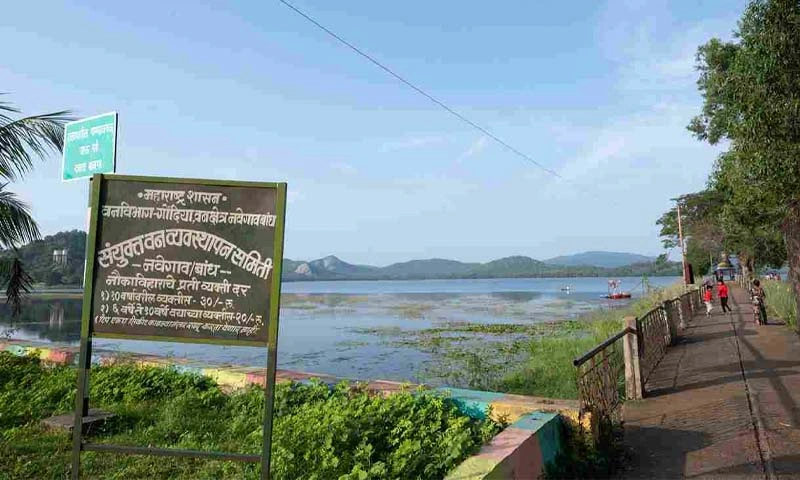
The state has established core areas that are heavily protected and designated as national parks, serving to guard important habitats against industrial and urban development. They make up the main part of the popular national parks in Maharashtra, providing strictly regulated areas in which biodiversity can thrive without any human interference. Most of these parks have well-kept safari routes and strict limits on the number of visitors to reduce stress on the local wildlife.
Note: In Maharashtra, several National Parks function as the heavily protected 'core zones' of larger Tiger Reserves. For example, Tadoba National Park is the core of the Tadoba-Andhari Tiger Reserve, and Gugamal National Park forms the core of the Melghat Tiger Reserve. They are separated by designation below, but travellers should view them as interconnected ecological landscapes when planning itineraries.
| National Park | Location | Famous For |
|---|---|---|
| Tadoba National Park | Chandrapur | High density of Bengal tigers, sloth bears, and wild dogs. |
| Sanjay Gandhi National Park | Mumbai | Leopards, Kanheri Caves, and unique urban forest ecosystems. |
| Pench National Park | Nagpur | Bengal tigers, Indian leopards, and dense teak forests. |
| Navegaon National Park | Gondia | Avian diversity, migratory winter birds, and spotted deer. |
| Gugamal National Park | Amravati | Rugged terrain, Indian gaur, and part of the Melghat tiger landscape. |
| Chandoli National Park | Sangli/Satara | Sahyadri forest ecosystems, endemic bird species, and leopards. |
Tiger Reserves in Maharashtra
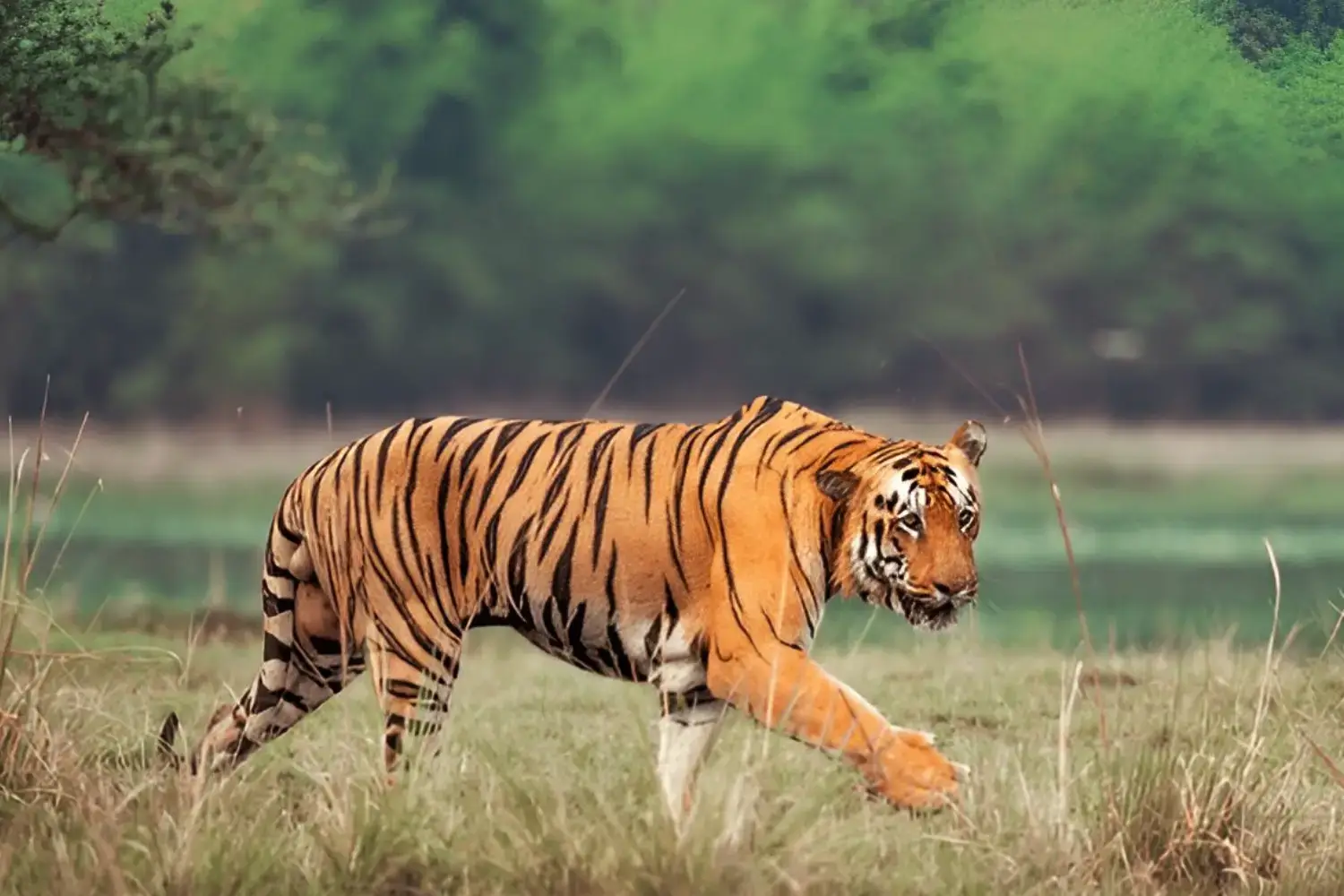
The tiger reserves in eastern Maharashtra are a key component of India's Project Tiger network and enjoy the highest degree of protection, with special management aimed at increasing the number of Bengal tigers as well as their natural prey population. When planning a trip to the National Parks & Tiger Reserve in Maharashtra, the Vidarbha area is presented as the best place to see apex predators, because it has effective anti-poaching measures and is connected by active wildlife corridors.
| Tiger Reserve | Location | Famous For |
|---|---|---|
| Tadoba-Andhari Tiger Reserve | Chandrapur | Exceptional tiger sighting rates and large waterhole habitats. |
| Pench Tiger Reserve | Nagpur | Classic dry deciduous forests and frequent predator sightings. |
| Melghat Tiger Reserve | Amravati | Deep valleys, sloth bears, and dense populations of Indian gaur. |
| Sahyadri Tiger Reserve | Western Ghats | Endemic Western Ghats flora and elusive big cats. |
| Nawegaon-Nagzira Tiger Reserve | Gondia/Bhandara | Scenic lakes, wild dogs, and healthy leopard populations. |
| Bor Tiger Reserve | Wardha | India's smallest tiger reserve, serving as a vital genetic corridor. |
Wildlife Sanctuaries in Maharashtra
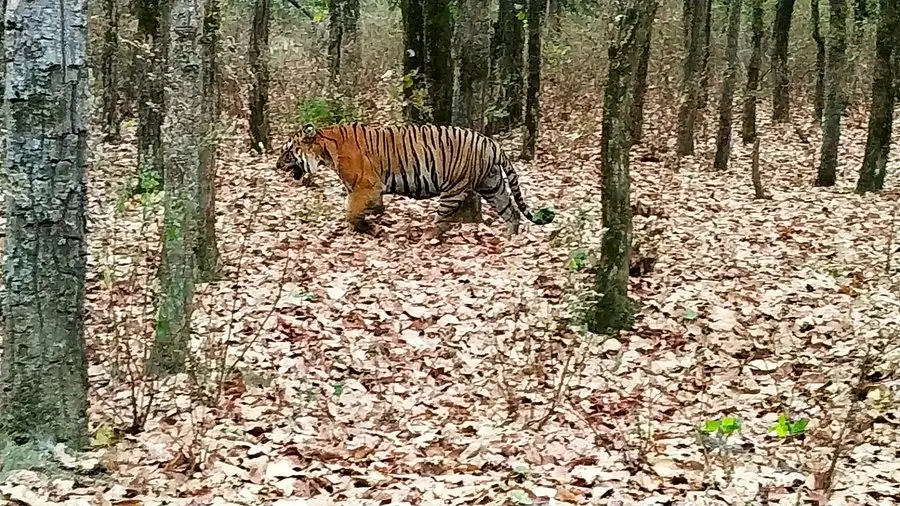
In addition to the well-known tiger habitats, the state has several sanctuaries aimed at protecting particular ecosystems and endemic species. The different wildlife sanctuaries in Maharashtra act as important ecological buffer zones. When travellers are putting together a travel plan, their list of must-visit national parks & wildlife reserves in Maharashtra should also include these sanctuaries to offer quieter, more concentrated opportunities for observation, away from the large number of tourists found in the main reserves.
| Wildlife Sanctuary | Location | Famous For |
|---|---|---|
| Bhimashankar Wildlife Sanctuary | Pune | The Indian Giant Squirrel (Shekru) and dense evergreen canopies. |
| Koyna Wildlife Sanctuary | Satara | UNESCO World Heritage status and rich endemic biodiversity. |
| Radhanagari Wildlife Sanctuary | Kolhapur | Indian bison (Gaur) and diverse Western Ghats avifauna. |
| Great Indian Bustard Sanctuary | Solapur | A vast grassland habitat protecting regional flora and fauna. (Note: The Great Indian Bustard is virtually extinct here; birders should not expect sightings). |
| Phansad Wildlife Sanctuary | Raigad | Coastal woodland ecosystems and diverse resident bird species. |
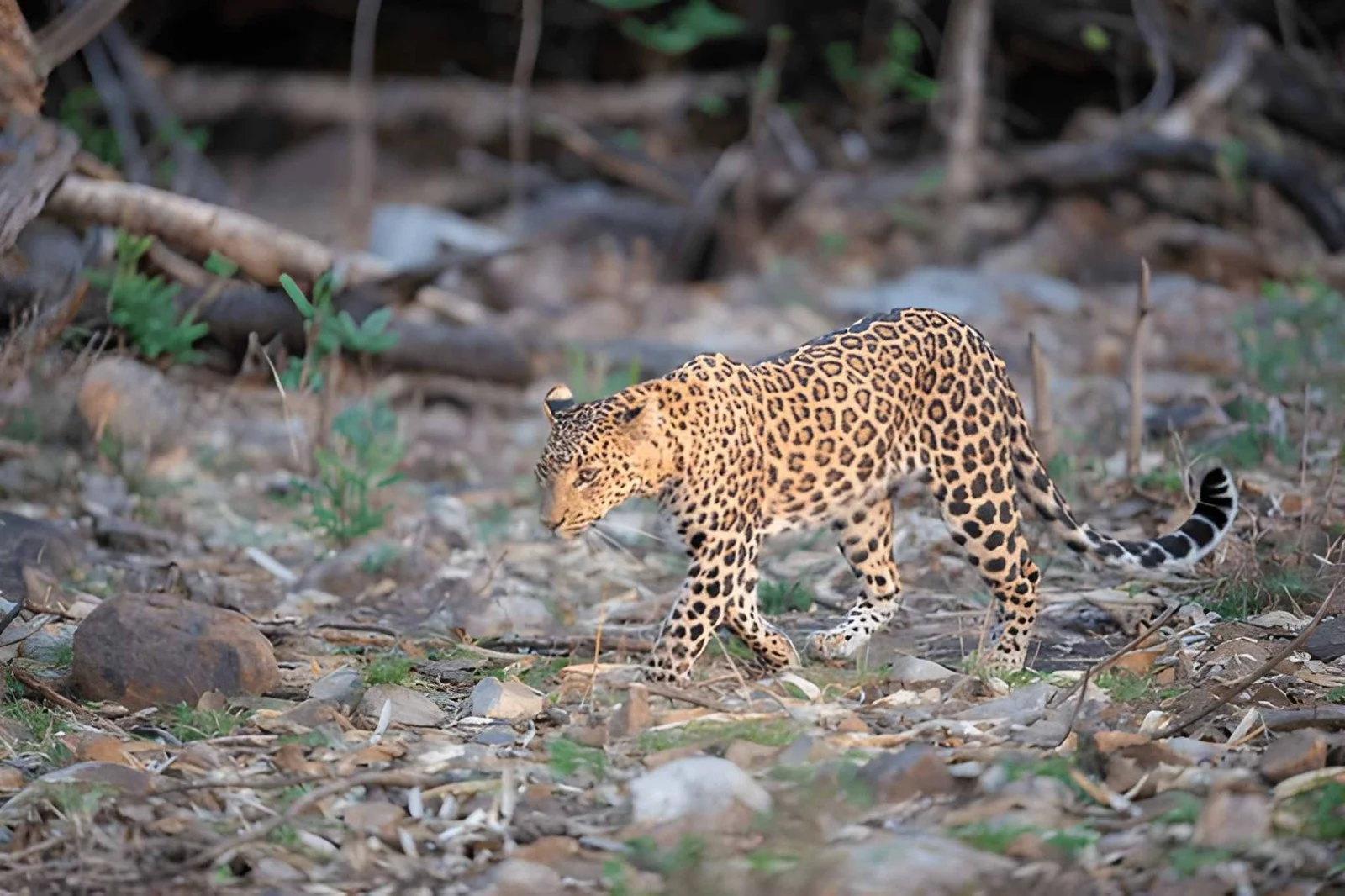
The protected forests of Maharashtra harbour a dense population of mammalian and reptilian species. Visitors exploring the national parks, tiger reserves, and wildlife sanctuaries frequently encounter a well-documented array of apex predators and large herbivores adapted to both the dry eastern forests and the wet western ranges.
| Animal | Category | Status | Highlights |
|---|---|---|---|
| Bengal Tiger (Panthera tigris tigris) | Apex Predator | Protected | Found in Tadoba, Pench, Melghat, Bor and Navegaon-Nagzira Tiger Reserves. Maharashtra is one of India's leading tiger habitats. |
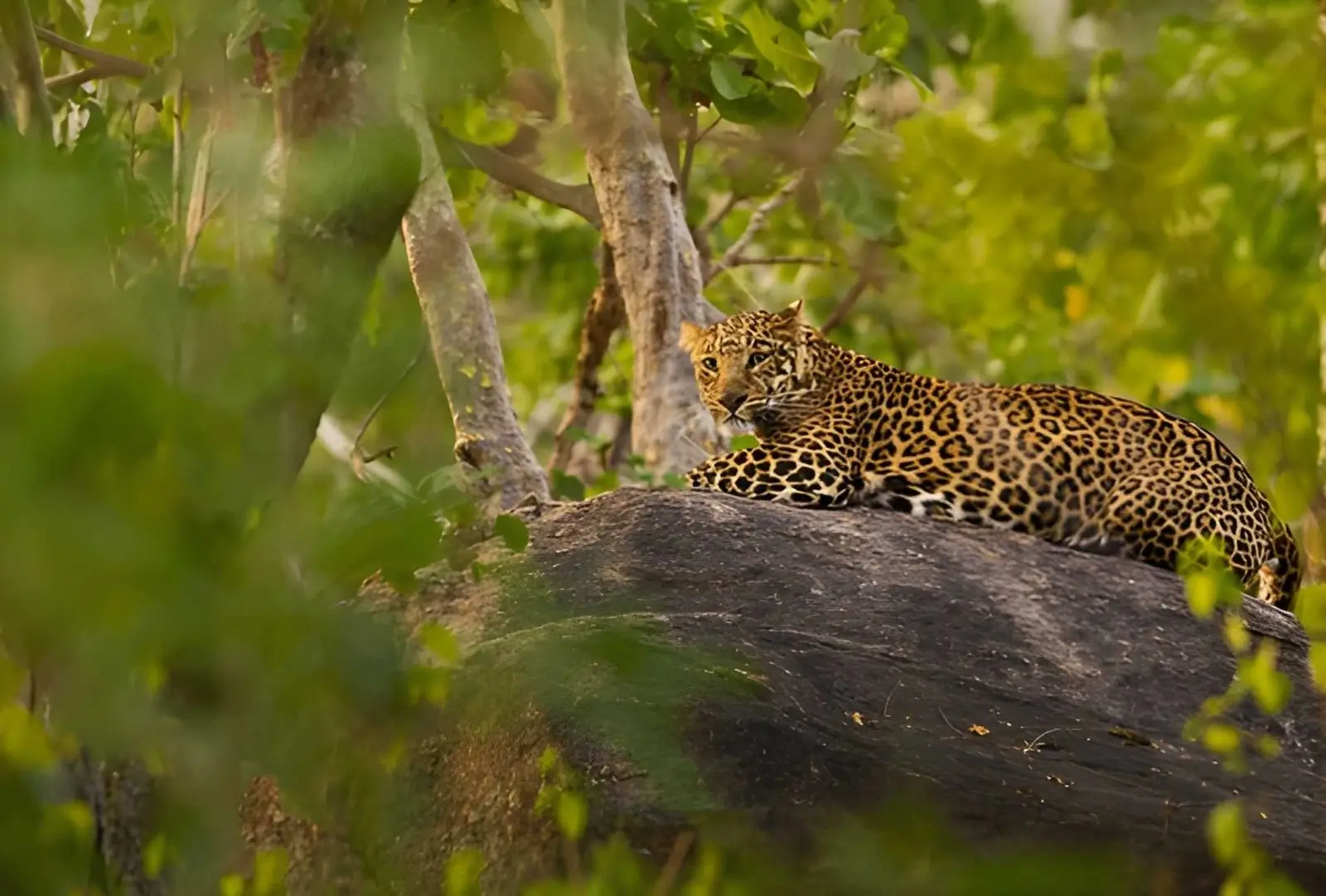
| Indian Leopard (Panthera pardus fusca) | Apex Predator | Protected | Widely distributed across forests and buffer zones throughout the state. |
| Dhole (Cuon alpinus) | Apex Predator | Endangered | Seen in several protected forests; known for hunting in coordinated packs. |
| Sloth Bear (Melursus ursinus) | Omnivore | Vulnerable | Common in dry deciduous forests and tiger reserves across Maharashtra. |
| Indian Gaur (Bos gaurus) | Herbivore | Vulnerable | The largest wild bovine, frequently seen in Tadoba, Pench, and Melghat. |
| Sambar Deer (Rusa unicolour) | Herbivore | Common | A major prey species for tigers and leopards in Maharashtra's forests. |
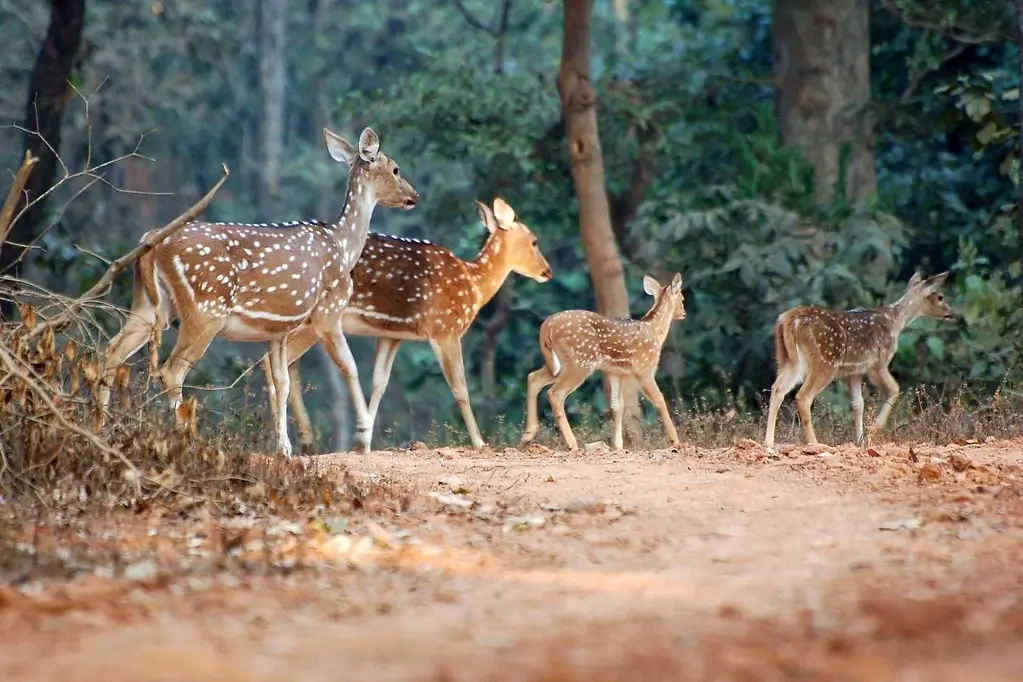
| Chital (Axis axis) | Herbivore | Common | One of the most abundant deer species in protected areas. |
| Nilgai (Boselaphus tragocamelus) | Herbivore | Common | Commonly found in grasslands and open forests. |
| Wild Boar (Sus scrofa) | Omnivore | Common | Widely distributed and an important prey species in forest ecosystems. |
| Mugger Crocodile (Crocodylus palustris) | Reptile | Protected | Found in rivers, lakes, reservoirs, and wetlands across Maharashtra. |
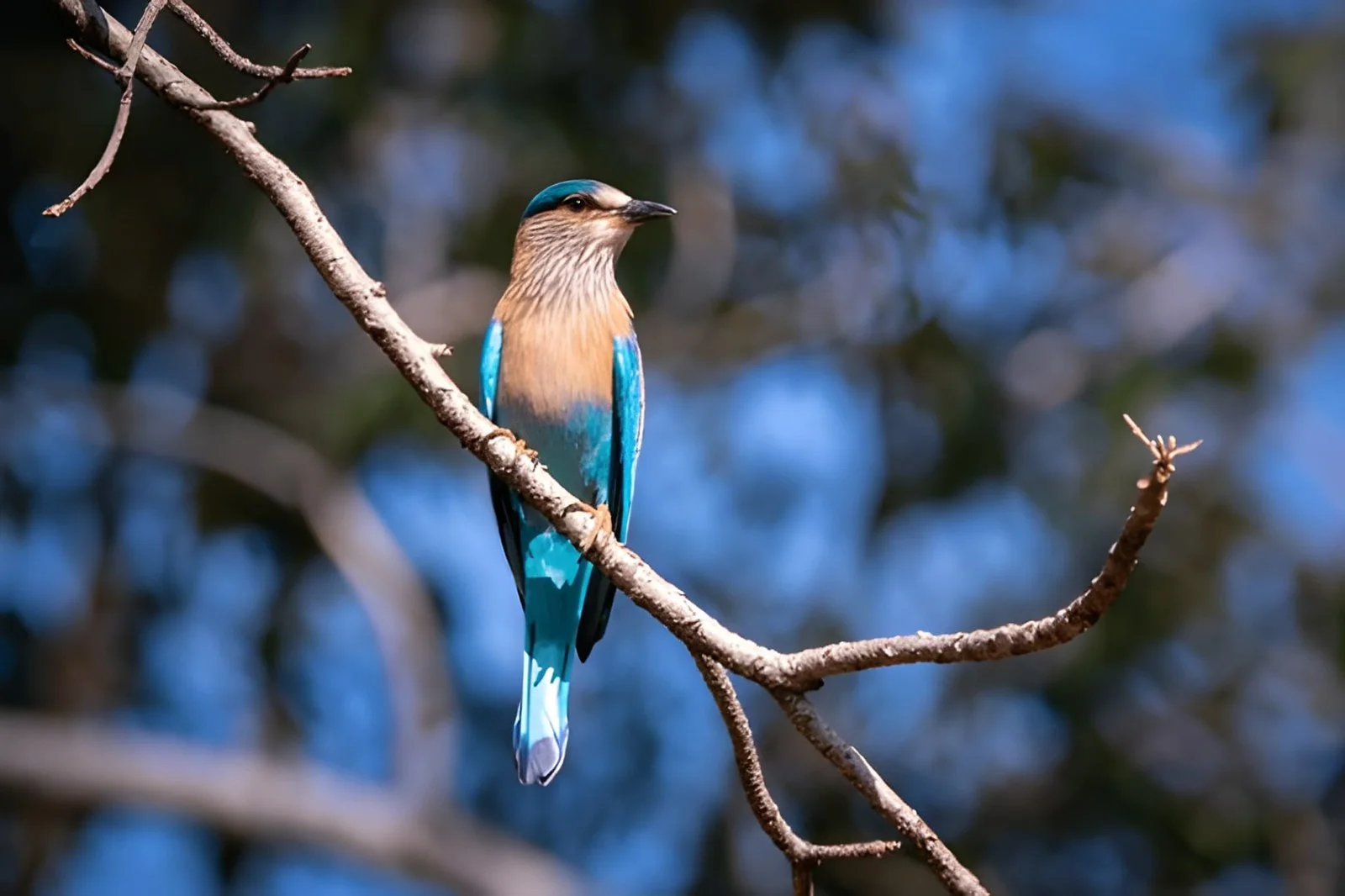
The varied topography, from coastal wetlands to high-altitude forests, creates ideal conditions for resident and migratory bird species. The state acts as a major flyway for winter migrants and a permanent home for several endemic species of the Western Ghats, making it a priority destination for ornithologists.
| Bird Name | Highlights |
|---|---|
| Great Indian Hornbill | Found in the canopy of the Western Ghats; identifiable by its massive yellow-and-black casque. |
| Malabar Pied Hornbill | Frequently sighted in the moist deciduous and evergreen forests of the Sahyadri range. |
| Grey-headed Fish Eagle | Primarily observed near large water bodies, lakes, and reservoirs within protected reserves. |
| Crested Serpent Eagle | A common raptor across forested tracks, easily identified by its piercing call and prominent crest. |
| Indian Paradise Flycatcher | Known for the male's striking elongated tail feathers; found in wooded habitats and shaded streams. |
| Indian Pitta | A colourful, ground-dwelling bird often spotted in dense undergrowth during the breeding season. |
| Indian Peafowl | The national bird is highly abundant in scrublands and dry deciduous forests statewide. |
| Greater Flamingo | Migrates in large flocks to coastal wetlands and specific inland water bodies like Ujani Dam during winter. |
If you are planning wildlife holidays in Maharashtra, you need to match your particular interests with the appropriate terrain and season, since the state has highly specialised experiences for different kinds of tourists.
Going on a forest expedition in Maharashtra offers various ways to interact with nature. From tracking big cats on rugged dirt tracks to studying endemic birds from designated watchtowers, the state provides highly regulated safari formats suited for serious photographers, large families, and solo birdwatchers.
Buffer Zone Safaris & Tatkal Bookings A major advantage of wildlife tourism in Maharashtra is its highly active buffer zones, particularly in Tadoba and Pench. These areas maintain excellent tiger populations and, unlike core zones, remain accessible year-round (including during the monsoon). For last-minute travellers, the Maharashtra Forest Department also operates a 'Tatkal' quota system, releasing a limited number of safari permits online three days prior to the safari date.
| Season | Months | Temperature Range | Recommended | Highlights |
|---|---|---|---|---|
| Winter | October - February | 12°C - 28°C | Highly Recommended | Pleasant weather, lush post-monsoon landscapes, and excellent migratory birdwatching. |
| Summer | March - May | 25°C - 42°C | Recommended for Photography | High heat forces wildlife to specific waterholes, yielding the best tiger and leopard sightings. |
| Monsoon | June - September | 22°C - 30°C | Not Recommended for Safaris | Core zones of tiger reserves close. Suitable only for macro photography and visiting Western Ghats sanctuaries. |
Protecting the state's natural heritage requires constant vigilance and structured landscape management. By combining active community development with strict anti-poaching frameworks, the forest department maintains a sustainable balance between tourism operations and deep-forest ecology.
Practising responsible travel makes sure that safari activities do not disrupt animal behaviour or harm delicate forest ecosystems. Following strict forest guidelines helps protect habitats while ensuring visitor safety and enjoyment: