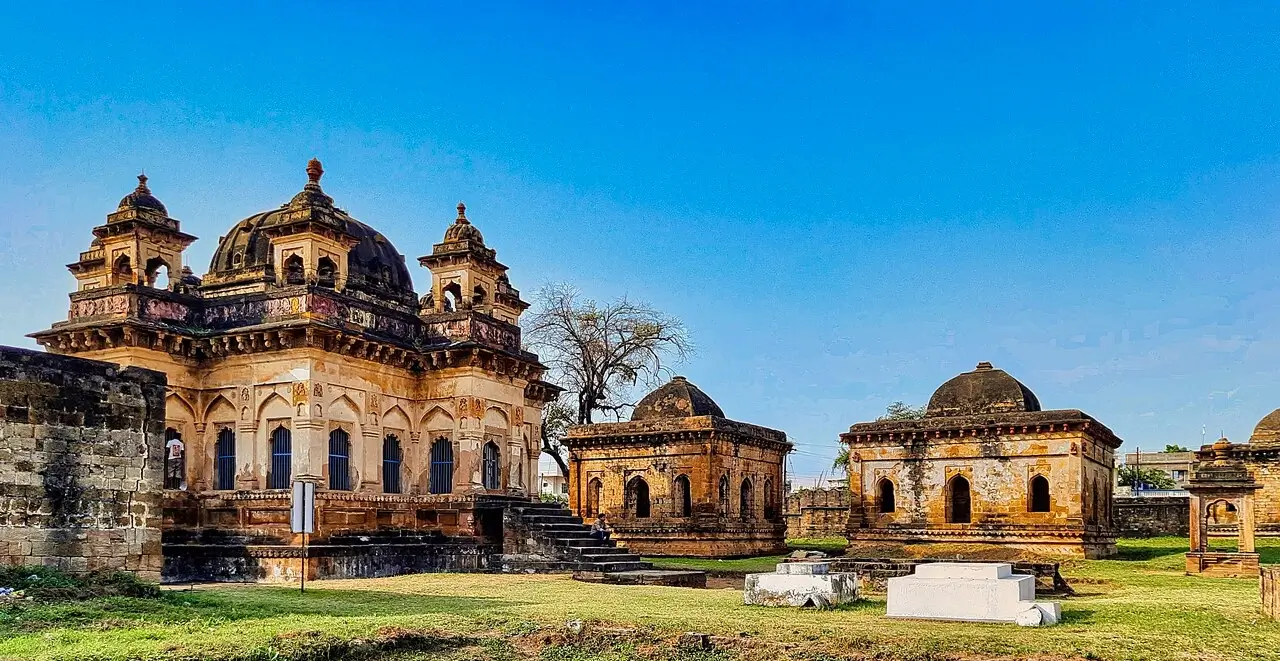
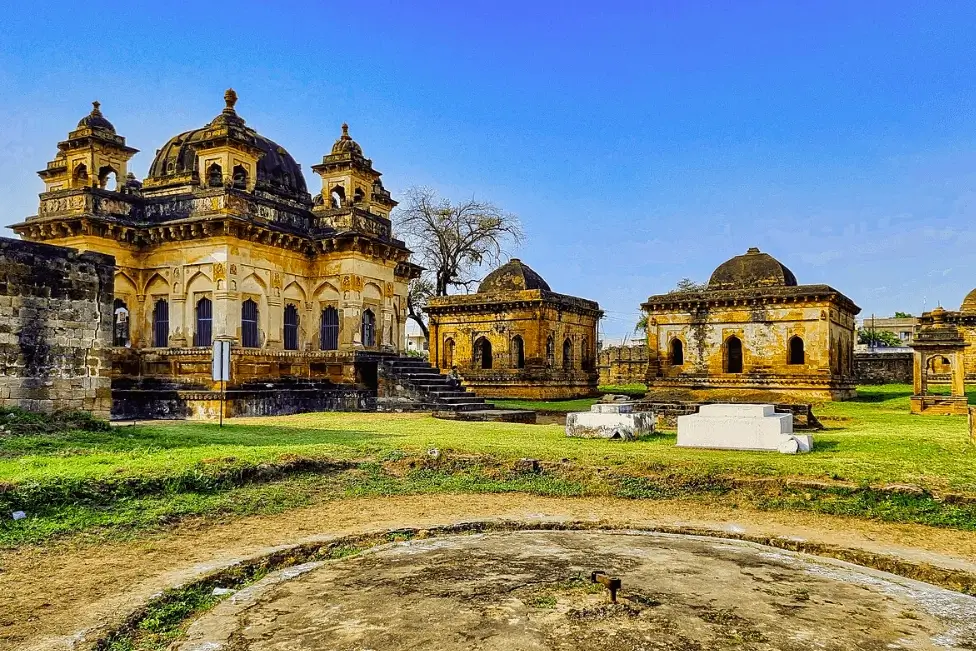
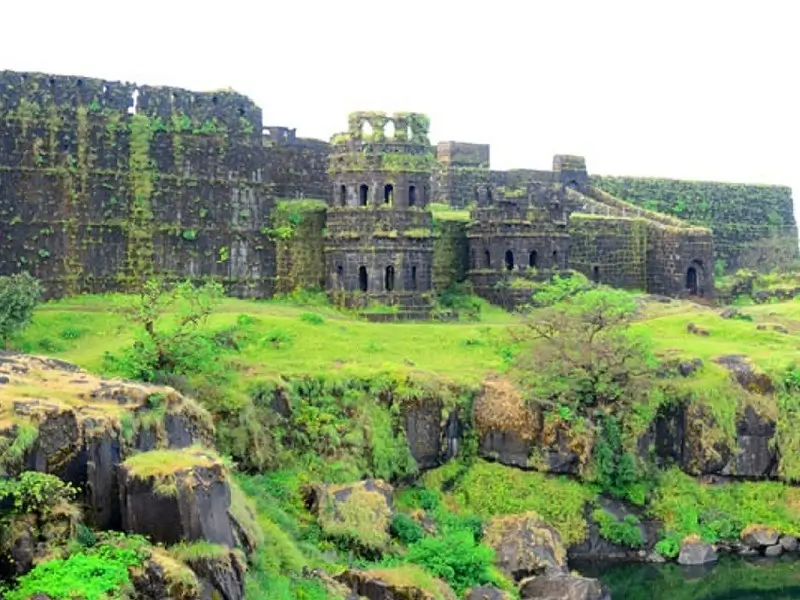
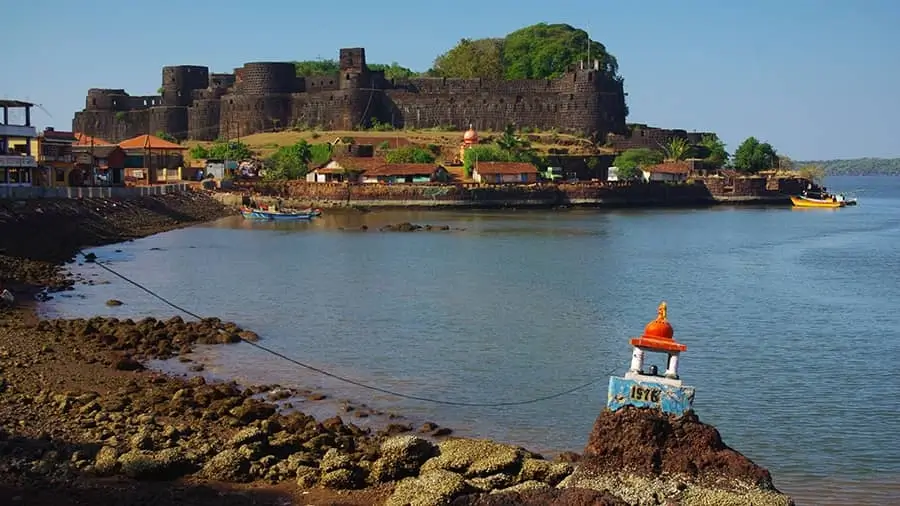
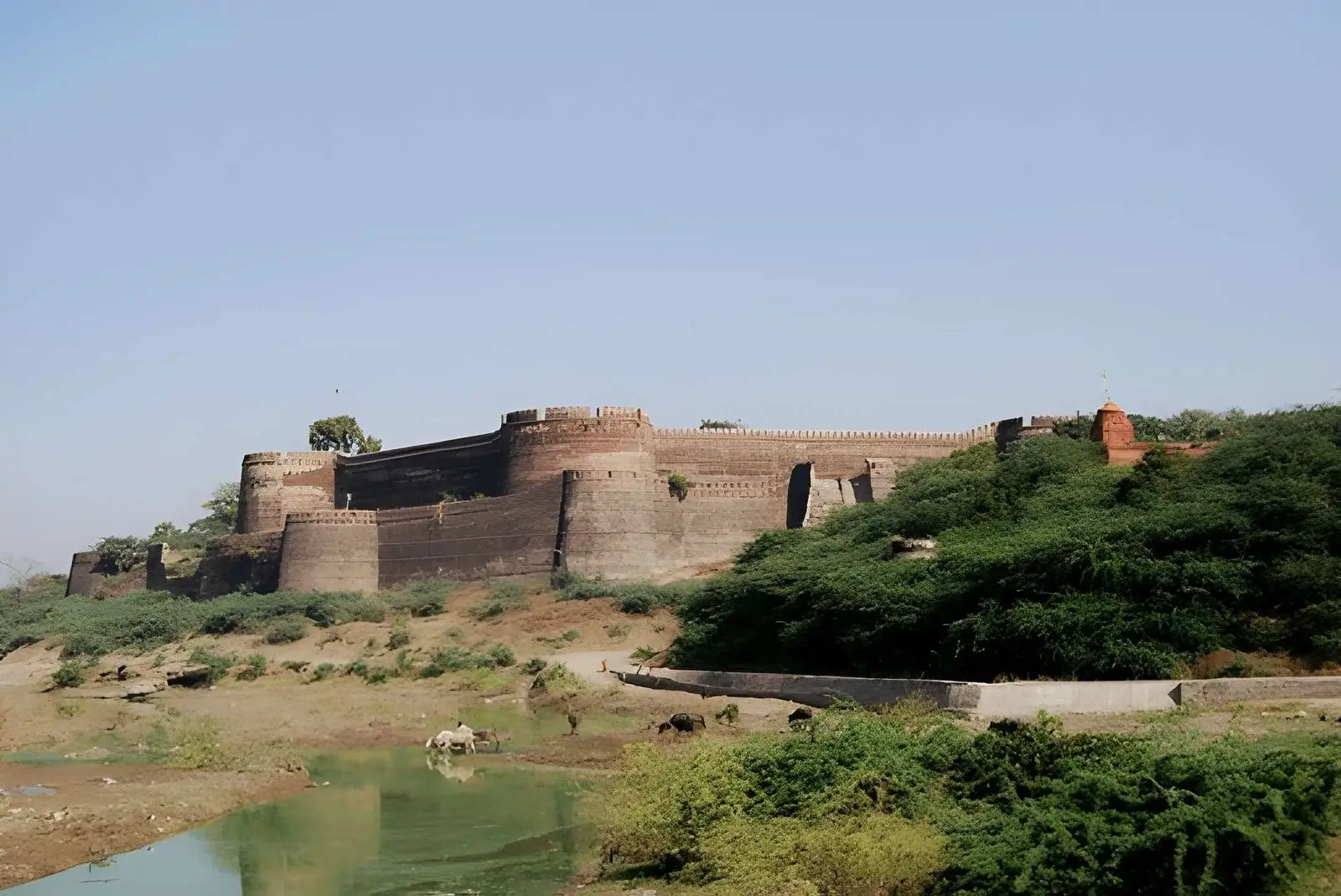
Chandrapur Fort is one of the largest and most significant medieval fortifications in eastern Maharashtra, standing at the center of present-day Chandrapur city at the confluence of the Irai and Zarpat rivers. Built as the fortified capital of the Gond kingdom after the dynasty moved its seat from Ballalpur, the fort's stone walls run approximately 12 km (7.5 miles) around the city at a height of 15 to 20 feet, enclosing what was once the administrative, military, and religious heart of a kingdom that governed central India for over 500 years. Eight gates survive: four main gates (Jatpura on the north, Pathanpura on the south, Binba on the west, and Anchaleshwar on the east) and four smaller khidkis or side gates (Bagad, Hanuman, Vithoba, and Chor).
The fort is located approximately 35 km from Tadoba's Moharli Gate and 3 km from Chandrapur Railway Station, making it the most accessible heritage attraction for Tadoba visitors.
History of Chandrapur Fort
Construction of Chandrapur Fort began under Gond ruler Khandkya Ballal Sah (reigned approximately 1470-1495), who shifted the Gond capital from Ballalpur to this site at the confluence of the Irai and Zarpat rivers. The fort was continued by Babji Ballal Shah and completed by Dhundya Ram Sah in the 16th century. Dhundya Ram Sah also built Mahakali Temple in its current form, making him the most prolific builder of the Gond period. The fort area was divided into four sectors named after their principal gates: Jatpura (north), Vinba (west), Pathanpura (south), and Mahakali/Achaleshwar (east).
Over the following centuries, Chandrapur passed from the Gonds to the Marathas and then to the British, but the fort's core structure survived each transition. The walls, bastions, and gateways standing today are predominantly Gond-period construction in locally quarried black basalt. The 16th-century Anchaleshwar Mahadev Temple sits inside the fort near the eastern gate and remains an active place of worship.
Timings and Entry Fee :
Opening hours : The fort is spread across different parts of the city and is accessible throughout the day. Recommended visiting hours are 8:00 AM to 6:00 PM.
Entry fee: Free Parking - Public parking available near major gates; charges vary by area.
Morning and late afternoon offer the most comfortable conditions for walking the fort walls and photographing the gateways. Much of the fort complex is open and unshaded.
Highlights of Chandrapur Fort
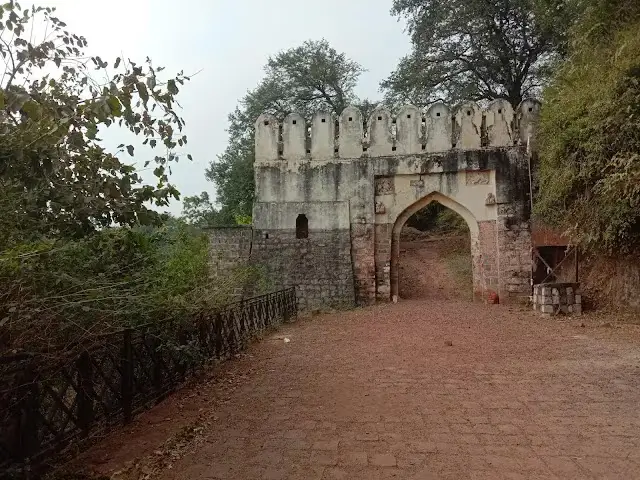
The Jatpura Gate on the north side is the best-preserved and most impressive of the four main gates. The gateway's defensive architecture is immediately visible: thick walls, angled approaches designed to slow attackers, and elevated bastions for surveillance. Walk the surviving wall sections between Jatpura and the Anchaleshwar Gate on the east side; this stretch gives the clearest sense of the fort's original scale.
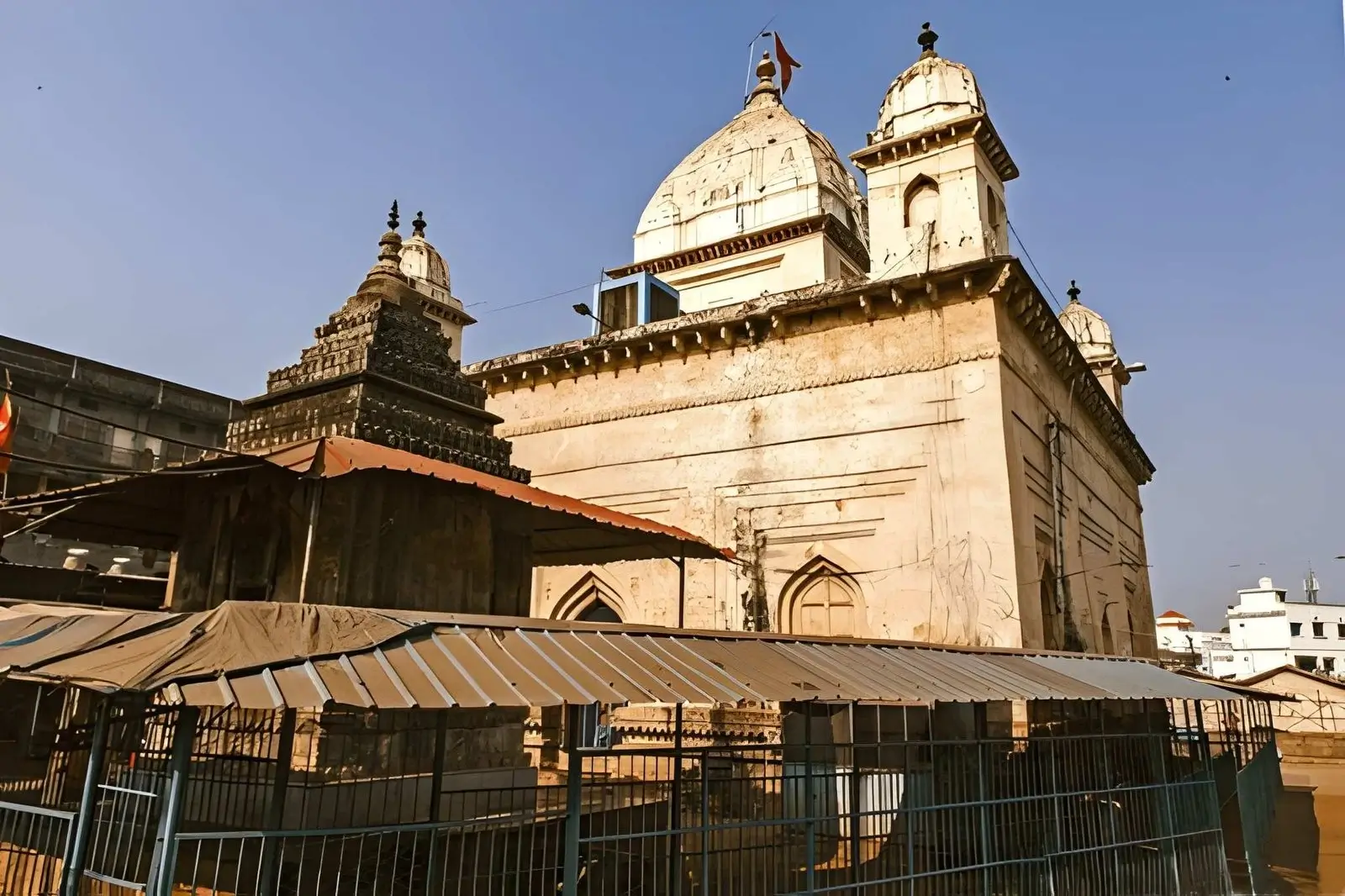
The Anchaleshwar Mahadev Temple inside the fort, near the eastern gate, is a 16th-century Shiva shrine that remains active. It is often overlooked by visitors who focus only on the walls and gates, but the temple's stone carvings and its location within the fortification make it one of the more interesting stops.
The Pathanpura Gate on the south side and the Binba Gate on the west are also accessible, though their surrounding areas are more integrated into the modern city. The four smaller khidkis (Bagad, Hanuman, Vithoba, and Chor) are harder to locate without a local guide but reward exploration for anyone interested in defensive architecture; "Chor Khidki" (thief's gate) is named for its hidden, narrow design meant for covert entry and exit.
The fort is built from locally quarried black basalt, which gives the walls and gates a distinctively dark, heavy appearance that photographs well in morning and late-afternoon light. The contrast between the medieval stonework and the modern city that has grown around it is itself part of the experience.
Allow 1.5 to 2 hours for a general visit covering the major gates and wall sections. History and architecture enthusiasts who want to find all eight gates and walk the full perimeter should plan for 3 hours.
Best Time to Visit Chandrapur Fort
Winter (October to February) - is the most comfortable season for walking the fort, with temperatures between 14°C and 30°C, clear skies, and good photography light.
Summer (March to June) - is extremely hot, with afternoons exceeding 45°C. Visit early morning (before 9:00 AM) or late afternoon (after 4:00 PM). Much of the fort is unshaded.
Monsoon (July to September) - brings cooler temperatures and greenery around the fort walls, but stone pathways and uneven ground can become slippery after rain.
How to Reach?
Chandrapur Fort is in the center of Chandrapur city. From Tadoba's Moharli Gate, the drive is approximately 35 km (45 minutes to an hour). Chandrapur Railway Station is just 3 km from the fort; auto-rickshaws and taxis from the station reach the fort area in 10 to 15 minutes. Dr. Babasaheb Ambedkar International Airport, Nagpur, is approximately 145 km away (3 to 3.5 hours via NH-44).
The fort's gates are spread across the city, so a hired auto-rickshaw or local taxi is the most practical way to cover multiple gates in one visit. If combining with Mahakali Temple (5 km from the fort) and Ballarpur Fort (16 km from Chandrapur), hire a taxi for the half-day circuit covering all three Gond-era sites.
Recommended Travel Tips
Wear comfortable walking shoes with grip; the fort involves walking over uneven stone paths and open ground. Carry drinking water, sunscreen, and a hat because most of the fort complex has little shade.
Start early or visit after 4:00 PM during summer months. The walls and gates are spread across the city rather than in one enclosed compound, so plan your route before starting. Ask locally for directions to the smaller khidkis if you want to see all eight gates.
Do not climb on fragile walls, bastions, or restricted sections. Pair your visit with Mahakali Temple (5 km) for the most efficient heritage half-day from Tadoba.
There are eight gates at Chandrapur Fort. Four main gates: Jatpura (north), Pathanpura (south), Binba (west), and Anchaleshwar (east). Four smaller khidkis (side gates): Bagad, Hanuman, Vithoba, and Chor. The main gates are the easiest to locate and photograph. The khidkis require local guidance to find.
The fort walls run approximately 12 km (7.5 miles) around the city at a height of 15 to 20 feet. This is not a compact hilltop fort but a city-encircling fortification, which is why the gates are spread across different parts of modern Chandrapur rather than clustered in one area.
Construction began under Gond king Khandkya Ballal Sah (reigned approximately 1470-1495) when the Gond capital shifted from Ballalpur. The fort was continued by Babji Ballal Shah and completed by Dhundya Ram Sah in the 16th century. Dhundya Ram Sah also built Mahakali Temple in its current form.
No, there is no entry free to visit Chandrapur Fort.
You will need 1.5 to 2 hours for the major gates and wall sections, 3 hours if you want to locate all eight gates and walk extended wall stretches.
Yes. At 35 km from Moharli Gate (45 minutes to an hour), it fits comfortably into the midday safari break or a dedicated half-day heritage circuit. Combine with Mahakali Temple (5 km from the fort) and optionally Ballarpur Fort (16 km from Chandrapur) for a full Gond-era Heritage Day.
Yes. The Anchaleshwar Mahadev Temple is a 16th-century Shiva shrine located inside the fort near the eastern Anchaleshwar Gate. It remains an active place of worship and is worth visiting as part of the fort exploration.