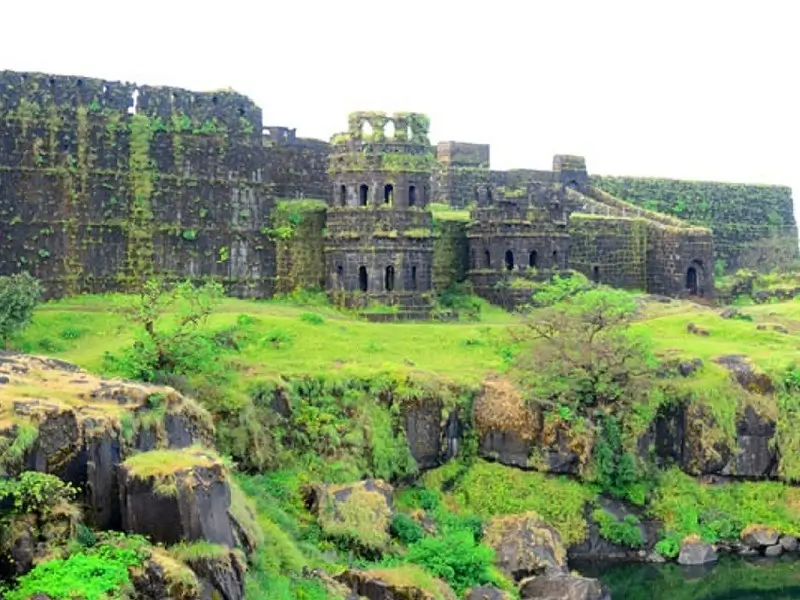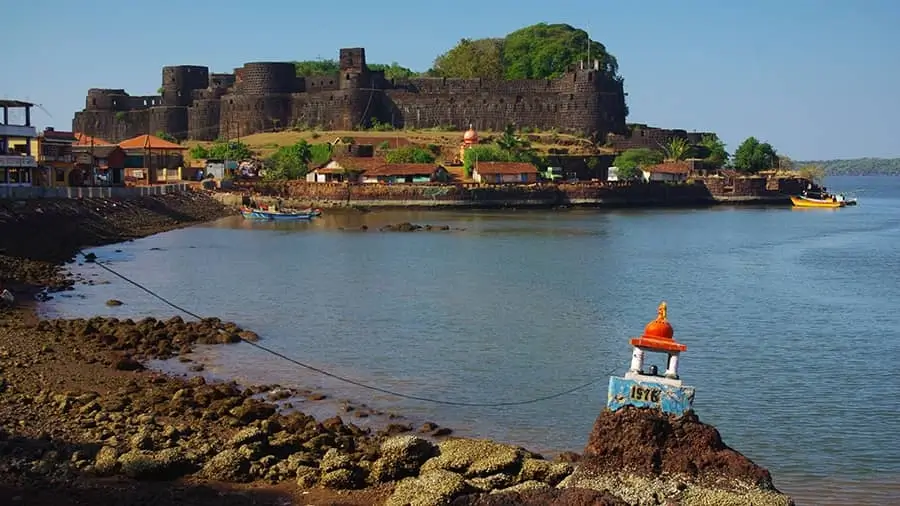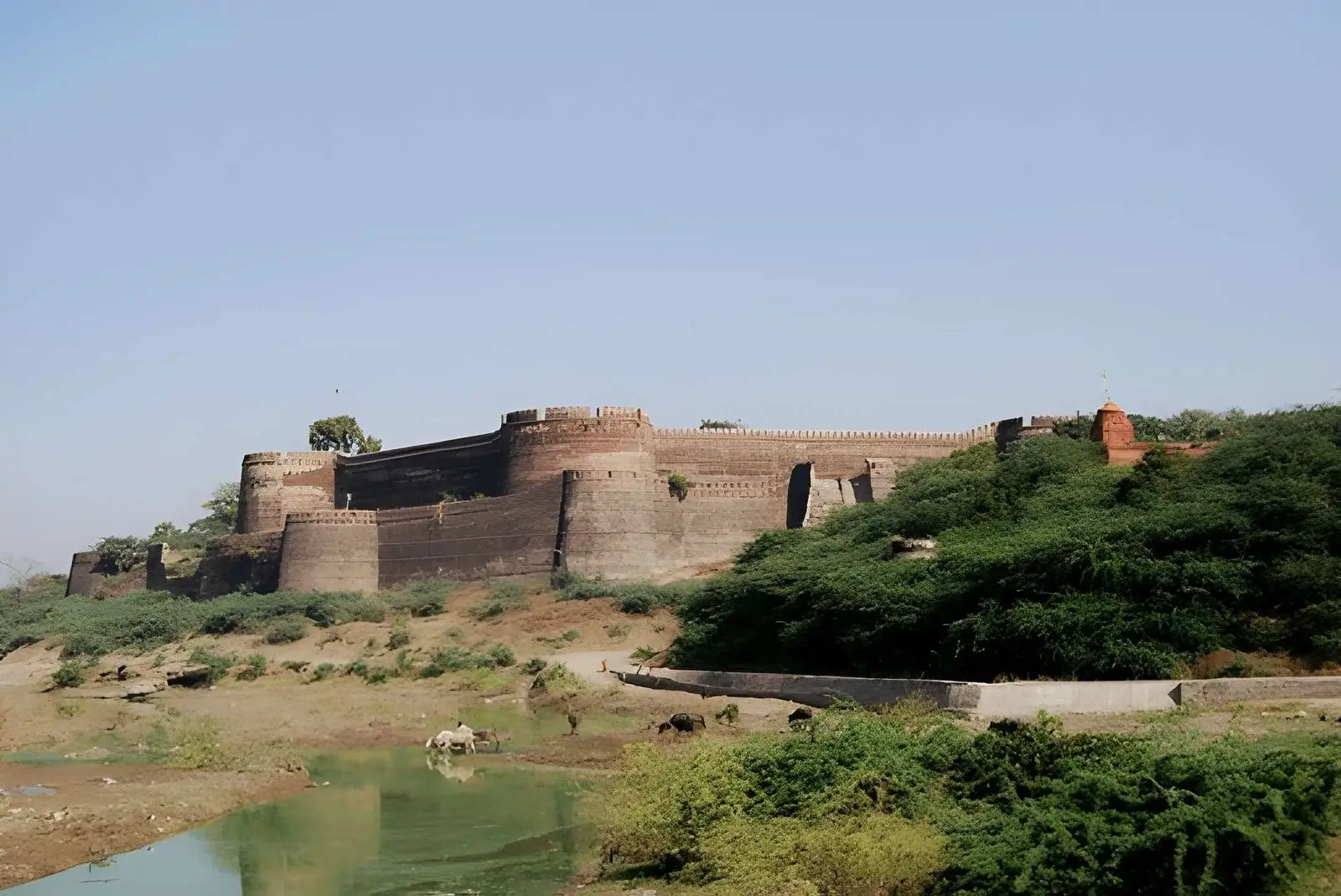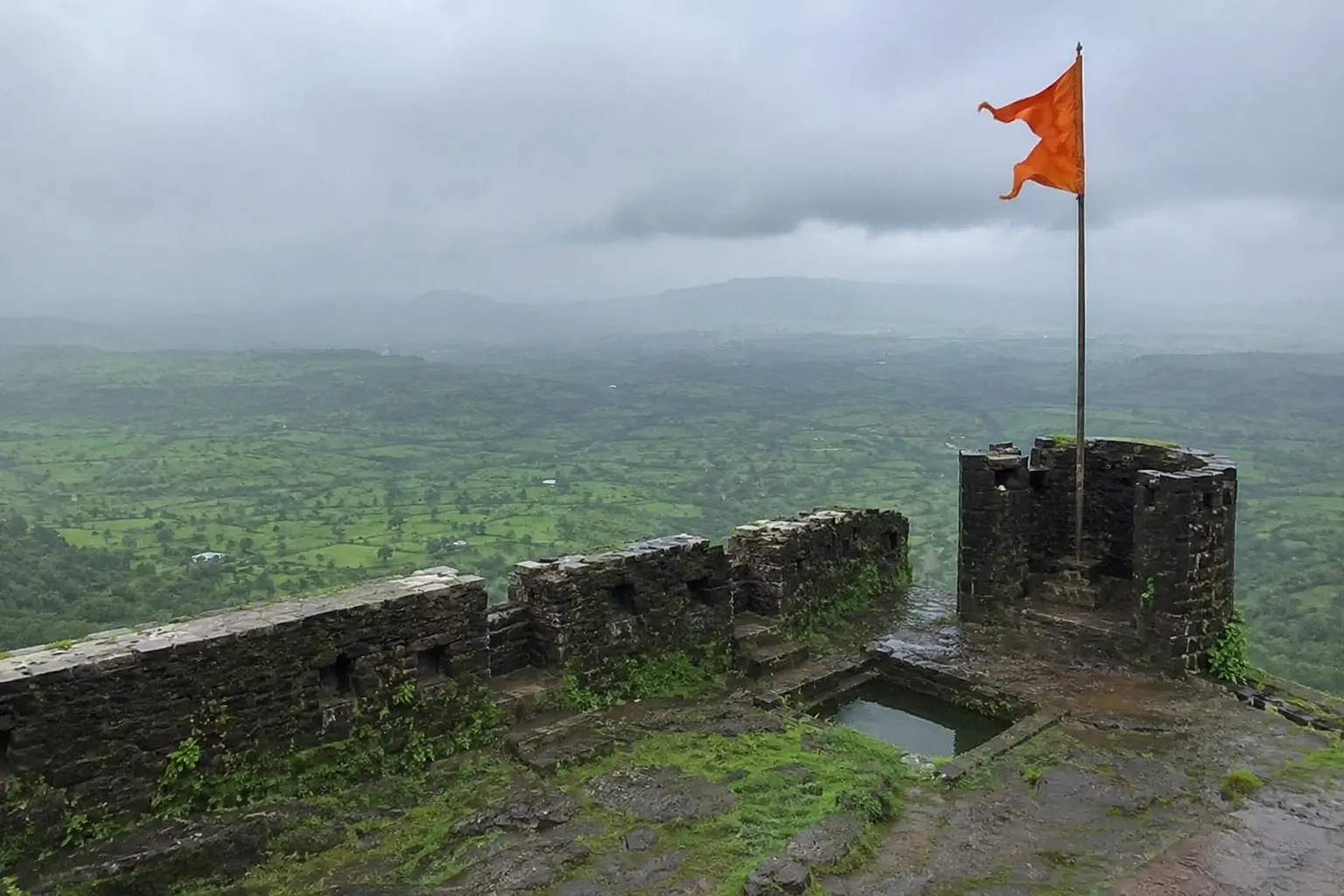
Manikgad Fort, also known as Gadchandur Fort, is a 9th-century hill fortress in the Jiwati tehsil of Chandrapur district, Maharashtra. Standing at an elevation of 507 metres, the fort was built by Gahilu, the last prominent king of the Mana Naga dynasty, and named after Manikadevi, the patron deity of the Mana Nagas.
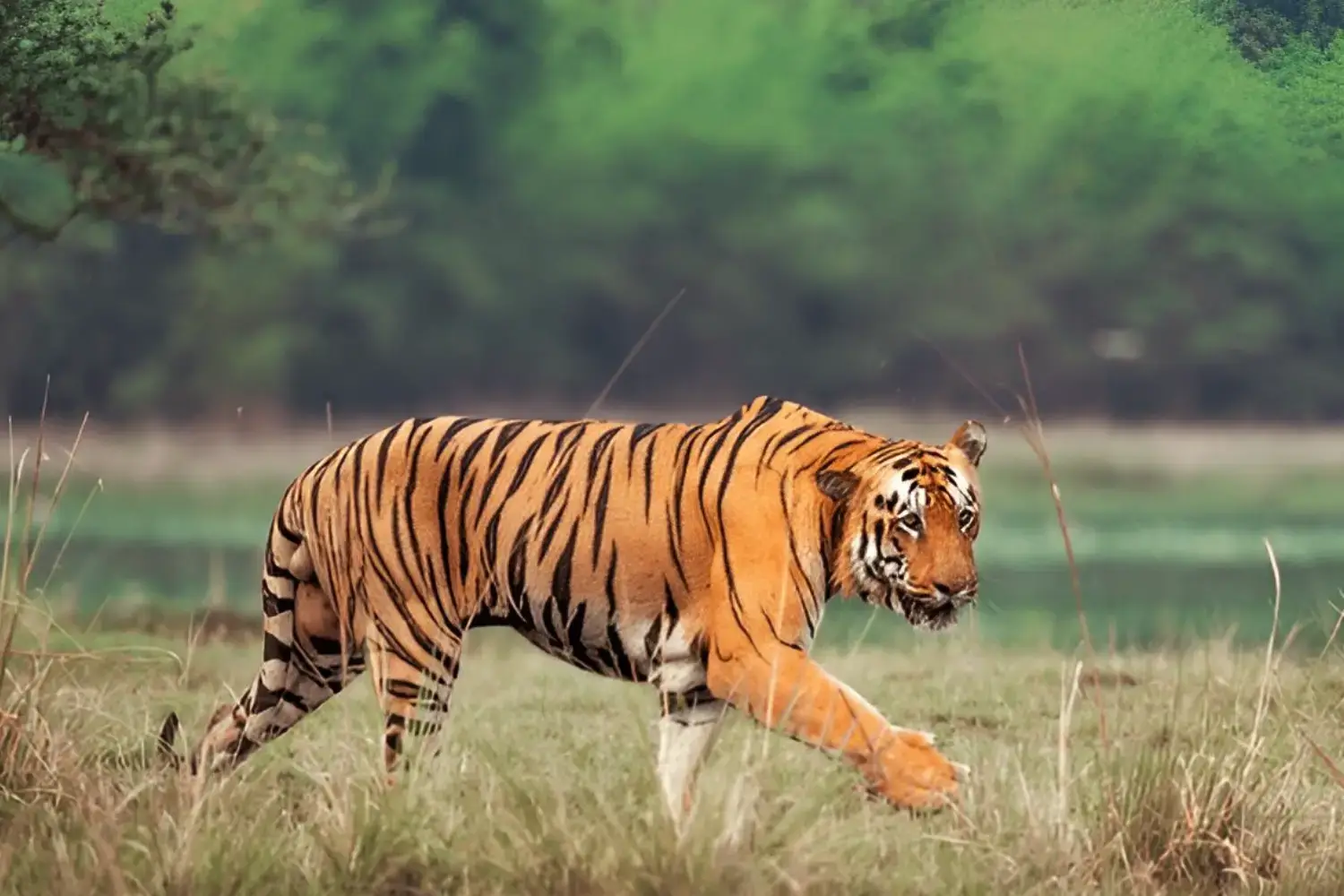
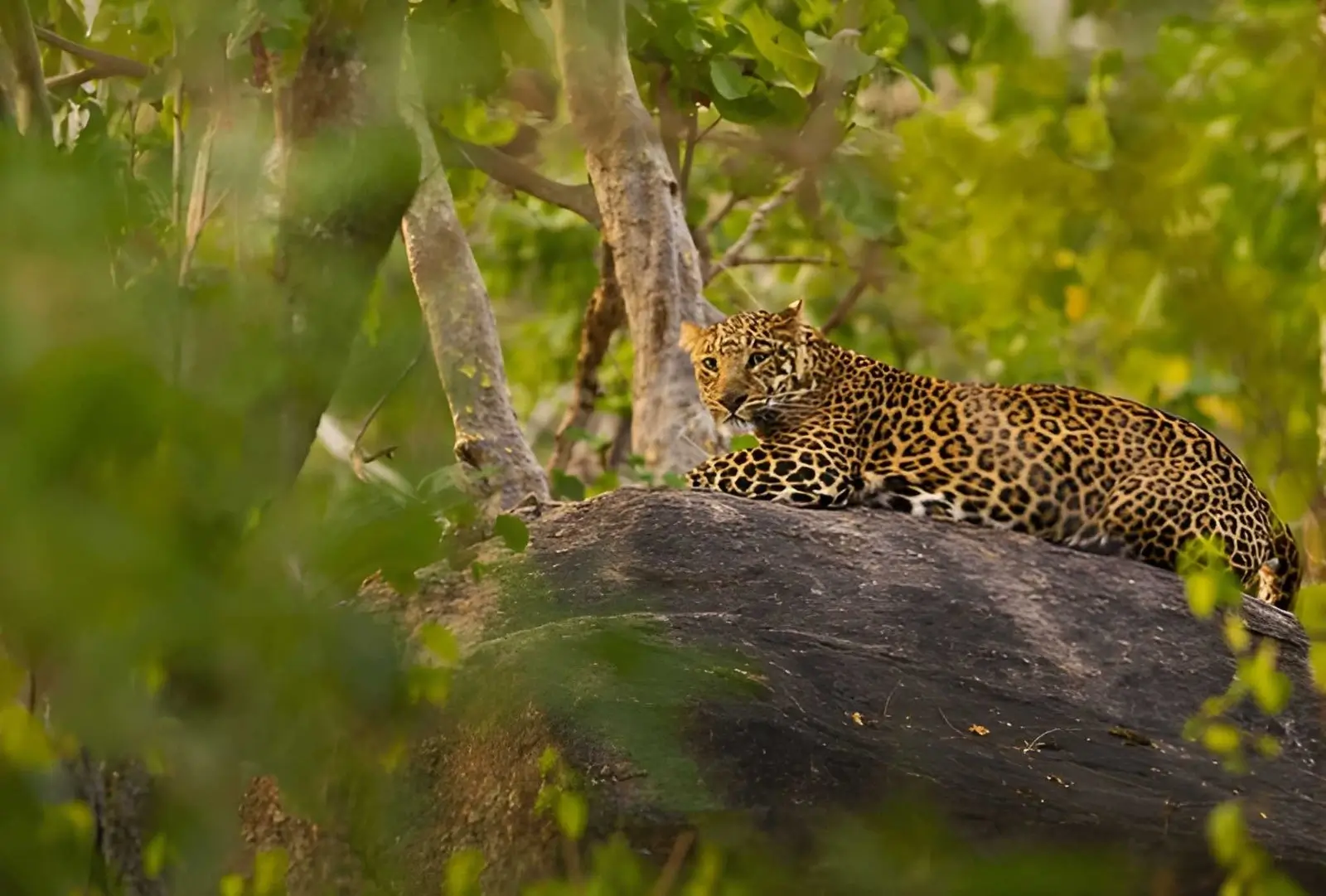
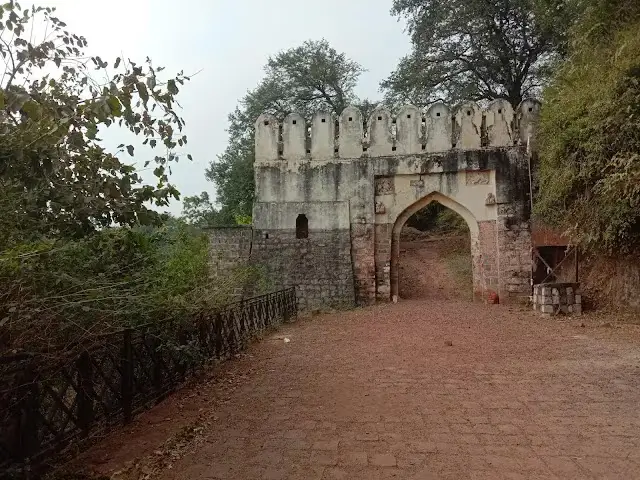
The fort covers approximately 95 acres and sits in dense deciduous forest that is home to leopards and wild boar, which makes it feel more like entering a wildlife zone than visiting a monument. The main entrance gate still carries an intricate Naga (cobra) carving on its lintel, the clearest physical evidence of its Naga origins and the detail that disproves a competing local legend attributing the fort to a Gond king named Mankyal. The Gond emblem of a lion and elephant is absent; the Naga is unmistakable.
Located approximately 75 km from Tadoba's Moharli Gate, Manikgad is the farthest and most physically demanding of the nearby attractions. The fort is largely in ruins, reclaimed by vegetation, and there are no facilities at the site. It is a trek, not a tourist stop, and is best suited to history enthusiasts and trekkers comfortable with isolated forest terrain.
History of Manikgad Fort
The Mana Naga dynasty settled in this part of Vidarbha around the 9th century CE, building a chain of fortresses, including Vairagad, Manikgad, and Surjagad. Manikgad was the most formidable: its rampart walls of cut black stone enclosed a valley containing buildings, warehouses, stone water tanks, and a Vishnu temple. By the 12th century, the Nagas had declined, and political control shifted to the Gond rulers of Chanda. The Gonds expanded the fort's defensive architecture, adding massive rampart walls, bastions, and secure storage houses. The fort served as a primary Gond military base until it fell to the Marathas in 1751 and later passed to the British.
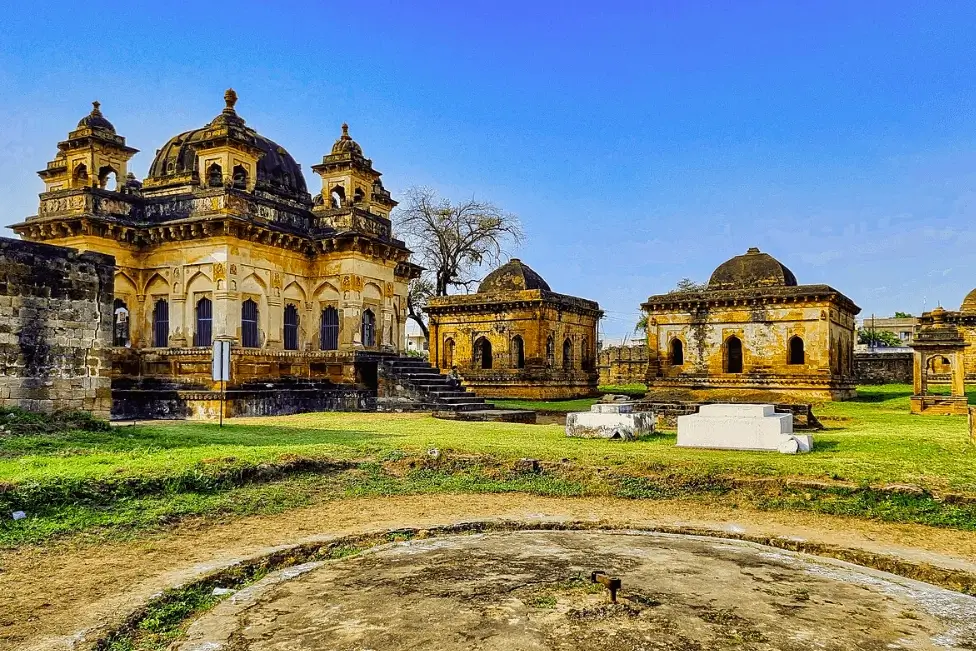
Today the fort is in complete ruins. The southern bastion has entirely collapsed, and a cannon built from welded iron straps (not cast iron, an unusual construction technique) lies in the valley below where it fell. The main entrance gate and portions of the rampart walls remain standing. Outlines of old buildings and warehouses are visible against the inner walls. The ruins of the Vishnu temple sit in the forested interior courtyard.
Timings and Entry Fee
The fort is under Forest Department jurisdiction. Complete your trek and leave before sunset; the area has no artificial lighting and is actively inhabited by leopards and wild boar.
Highlights of Manikgad Fort
Best Time to Visit Manikgad Fort
How to Reach Manikgad Fort?
From Tadoba's Moharli Gate, the drive is approximately 75 km (roughly 1.5 to 2 hours) via Chandrapur and the Gadchandur route. From Chandrapur, the fort is about 35 km southwest. A paved road through dense forest leads to the parking area near the fort base. From there, the 30- to 45-minute uphill trek on foot is the only way to reach the ruins.
Chandrapur Railway Station is the most convenient railhead at approximately 35 to 40 km. Dr Babasaheb Ambedkar International Airport, Nagpur, is roughly 180 km away. A private vehicle or hired taxi from Chandrapur or your Tadoba lodge is the only practical option. There is no public transport to the fort base.
Recommended Travel Tips