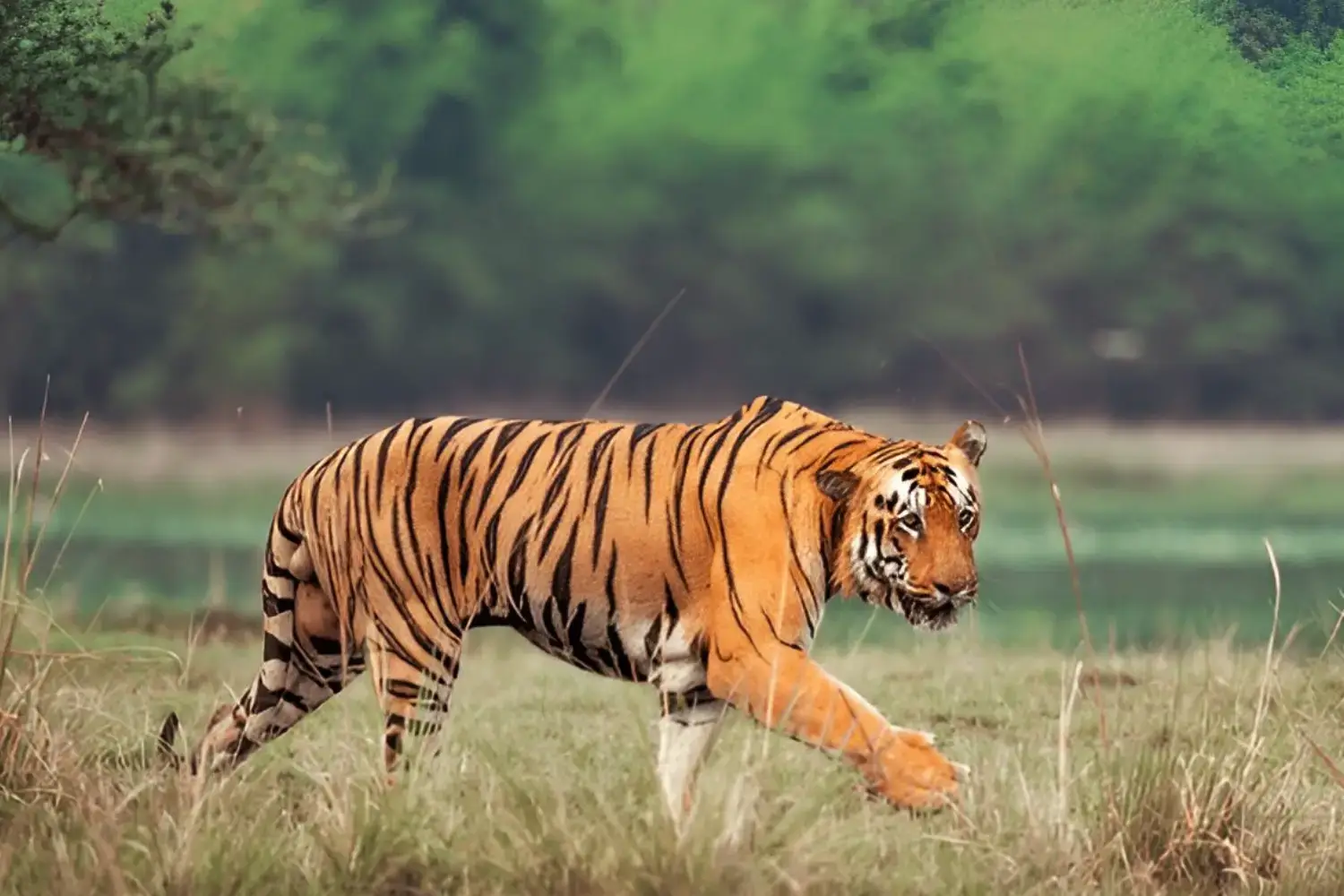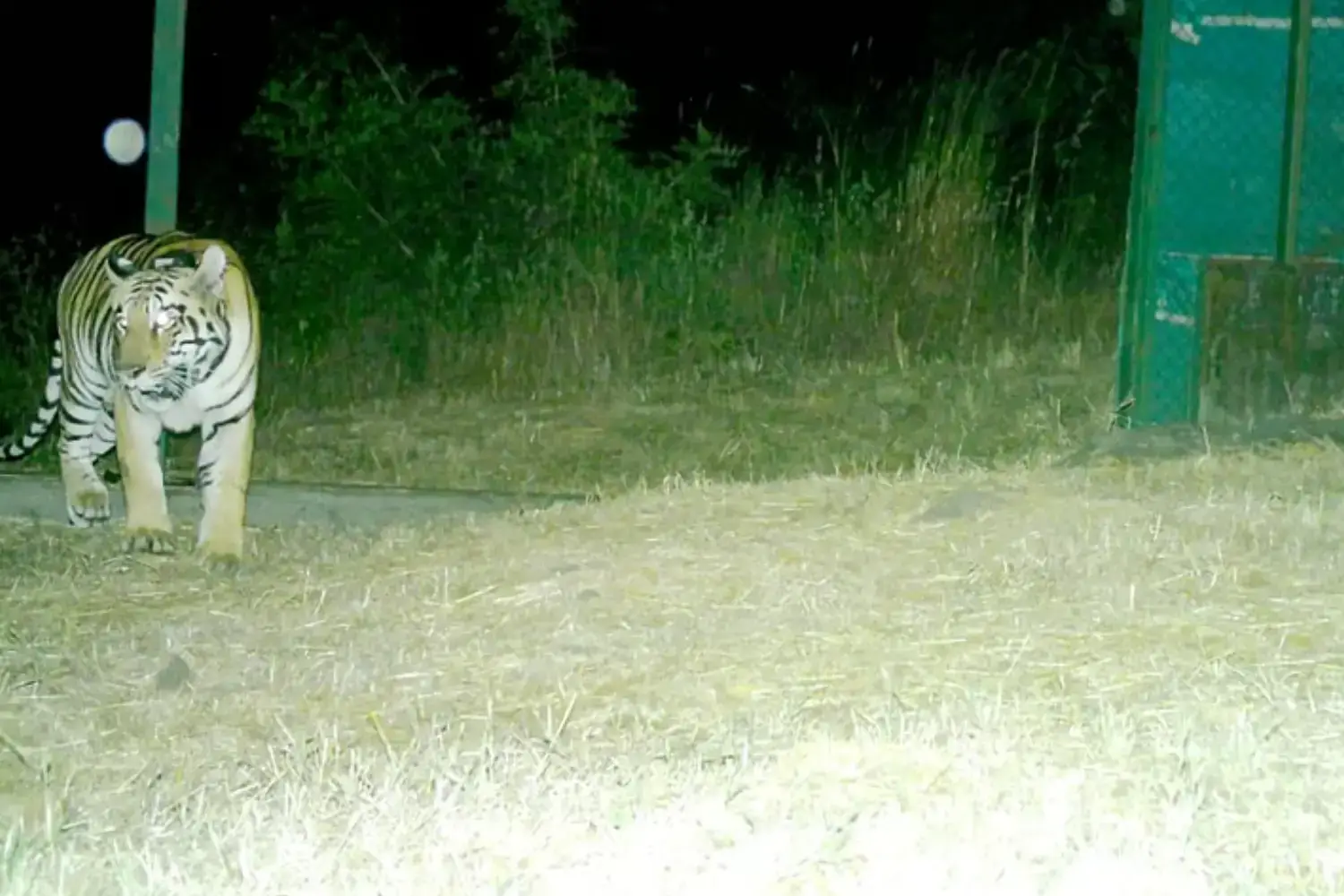
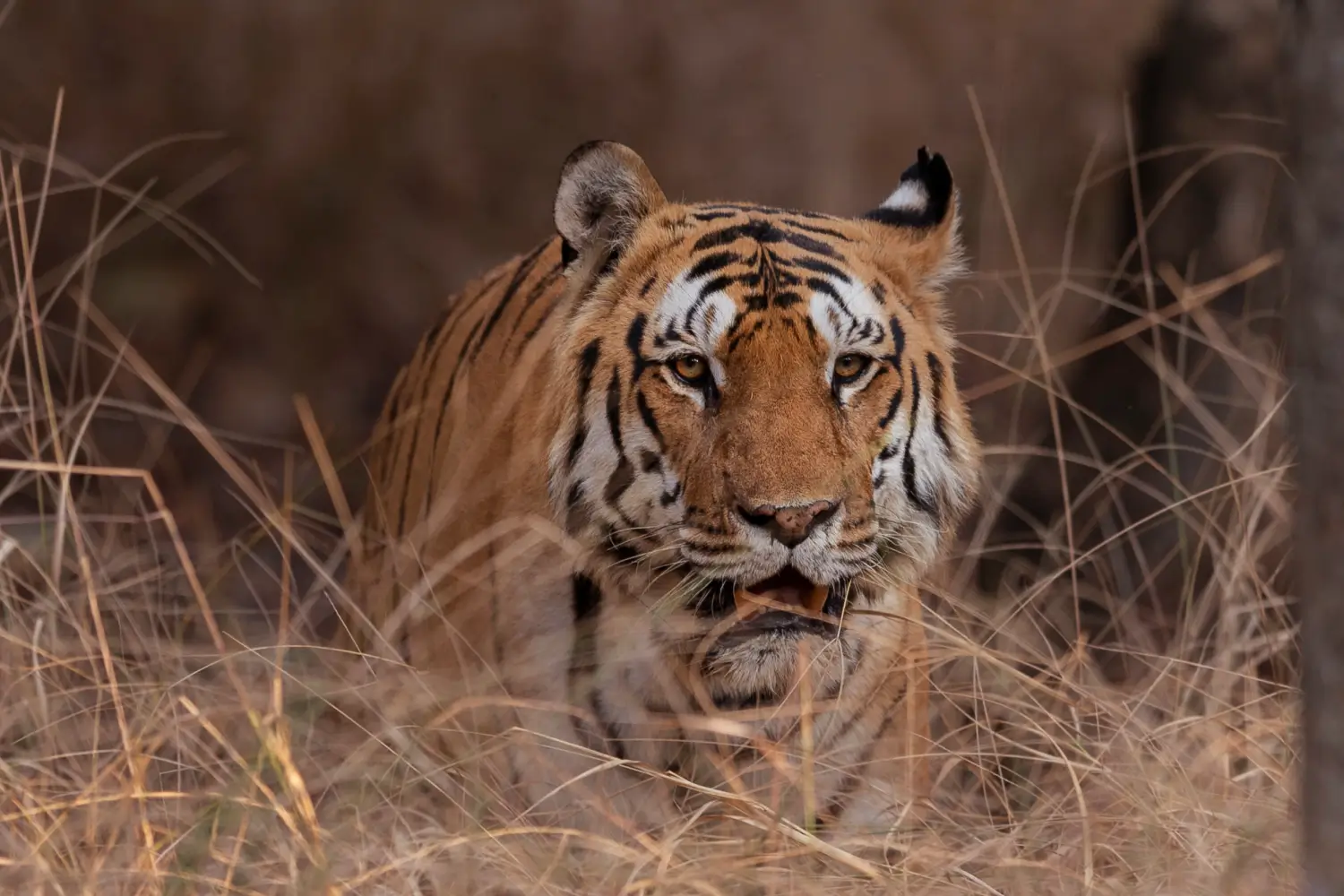
From North to South, East to West, and across Central India, there are numerous national parks, tiger reserves, and wildlife sanctuaries known for their rich biodiversity. Central India, the Tiger Heartland, accounts for the highest concentration of wild tigers in the country and forms the backbone of most India wildlife tour packages built around big-cat sightings.
Rajasthan pairs wildlife with heritage in a way that no other Indian state does, making it a natural fit for travelers who want to combine a wildlife vacation with Rajasthan's forts, palaces, and cultural circuits.
In South India, the Western Ghats are a UNESCO World Heritage biodiversity hotspot and one of the few regions in India where wildlife safaris can be enjoyed during the monsoon. From the Himalayan foothills to Gujarat in western India, some amazing wildlife reserves are waiting to be discovered.
The Northeast is India's rhino country and the wildest of its wildlife regions. Wide floodplain grasslands and dense riverine forest support a different set of species and a different safari format than the central Indian core.
Bandhavgarh National Park, Madhya Pradesh
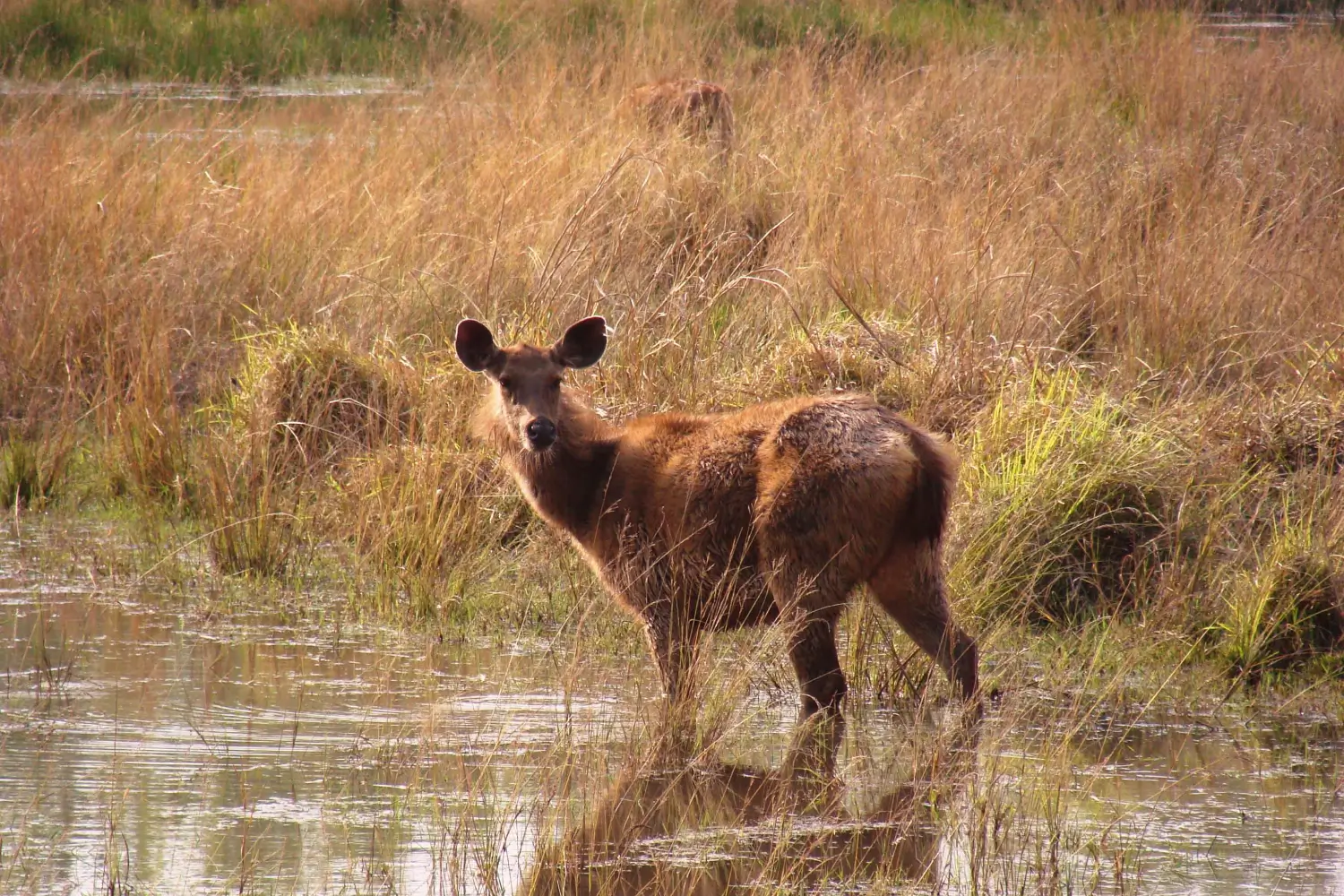
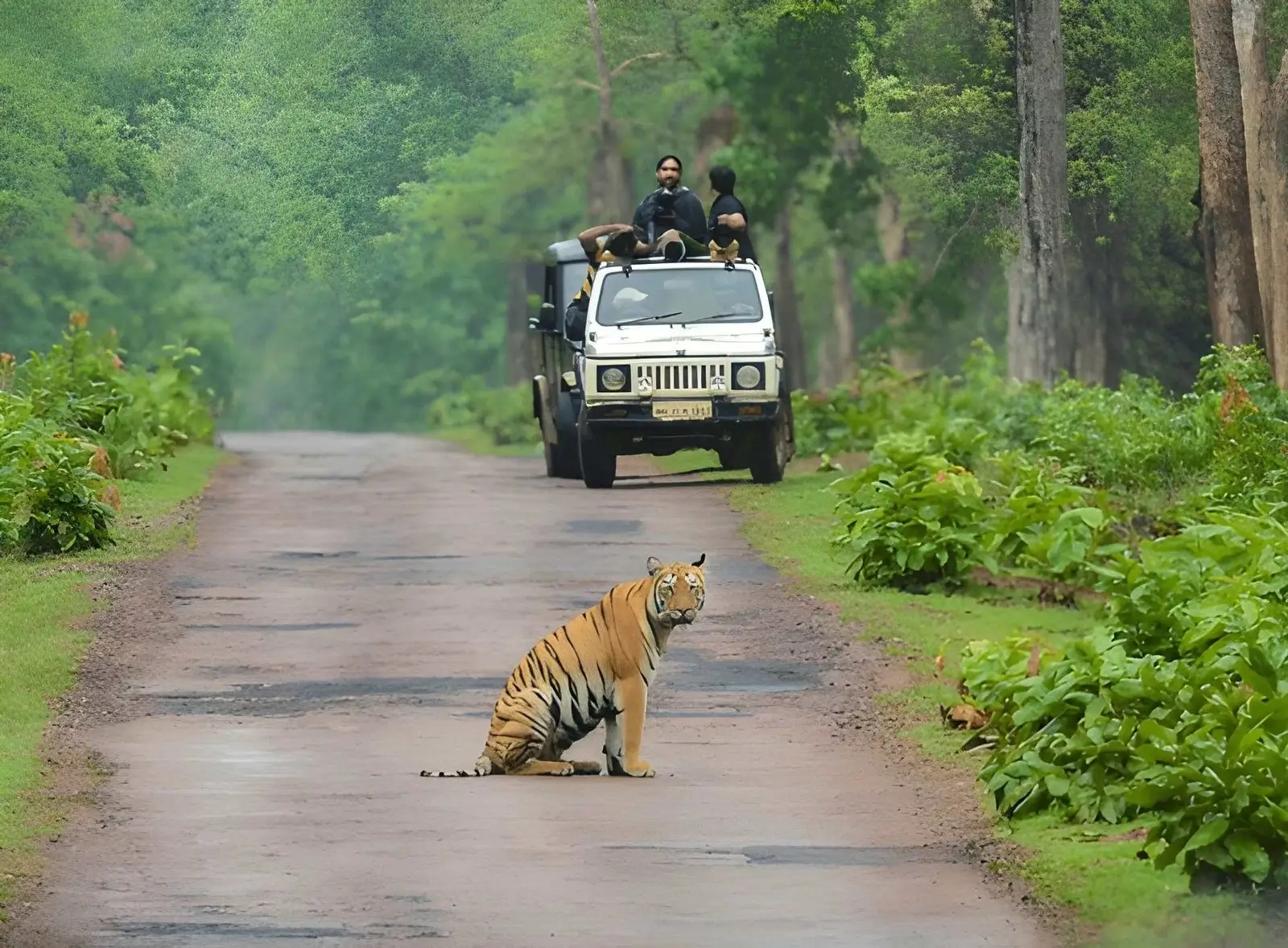
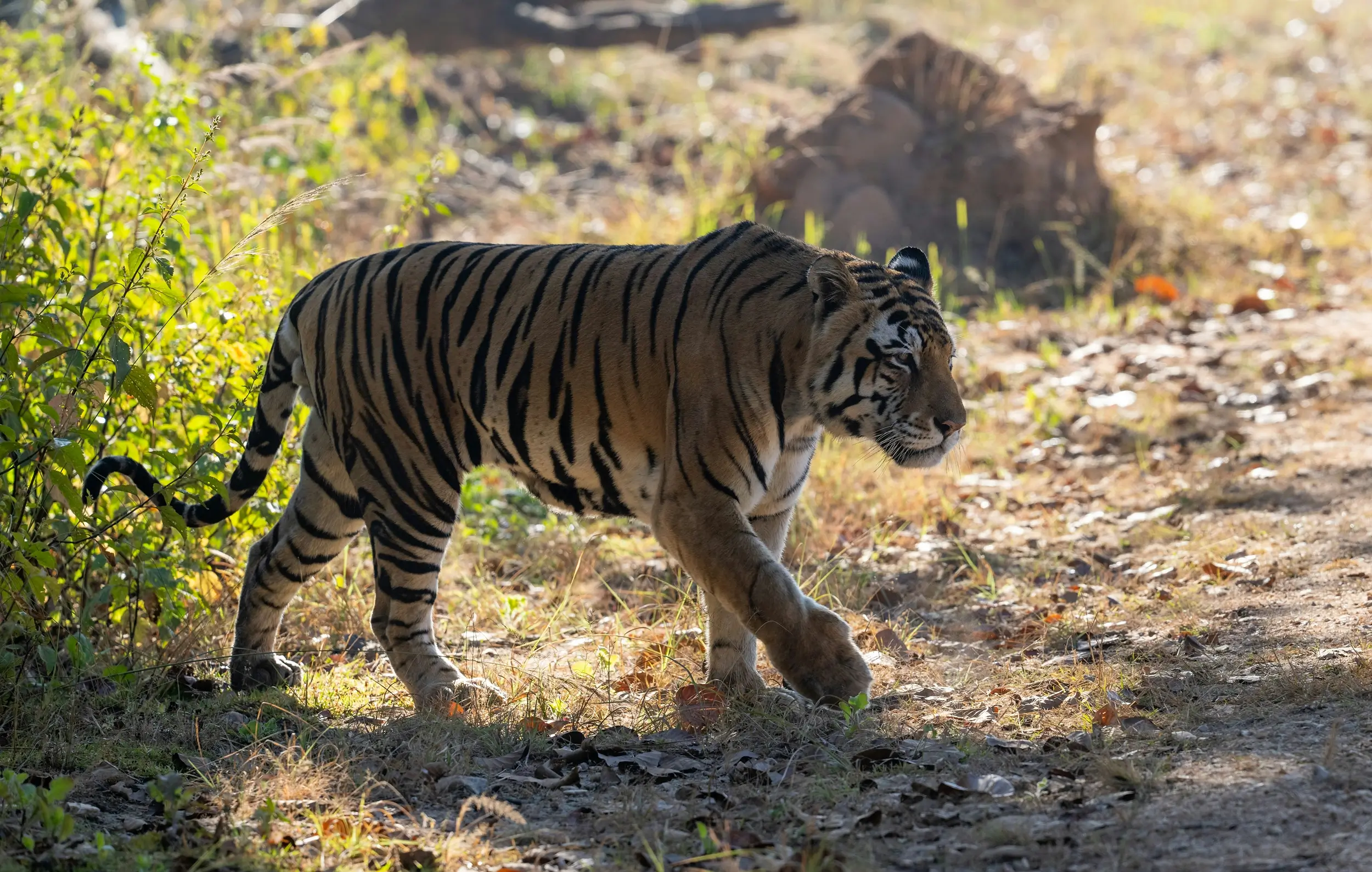
Bandhavgarh, in Madhya Pradesh's Umaria district, holds one of the highest tiger densities of any Indian reserve. Its rocky Vindhyan hills, a two-thousand-year-old hilltop fort, and mixed sal forest add character to the landscape well beyond the sighting itself. For travelers building a shortlist around the best tiger safari tour in India, Bandhavgarh is almost always on it, particularly the Tala zone, which has historically produced the highest sighting frequency in the park.
Kanha National Park, Madhya Pradesh
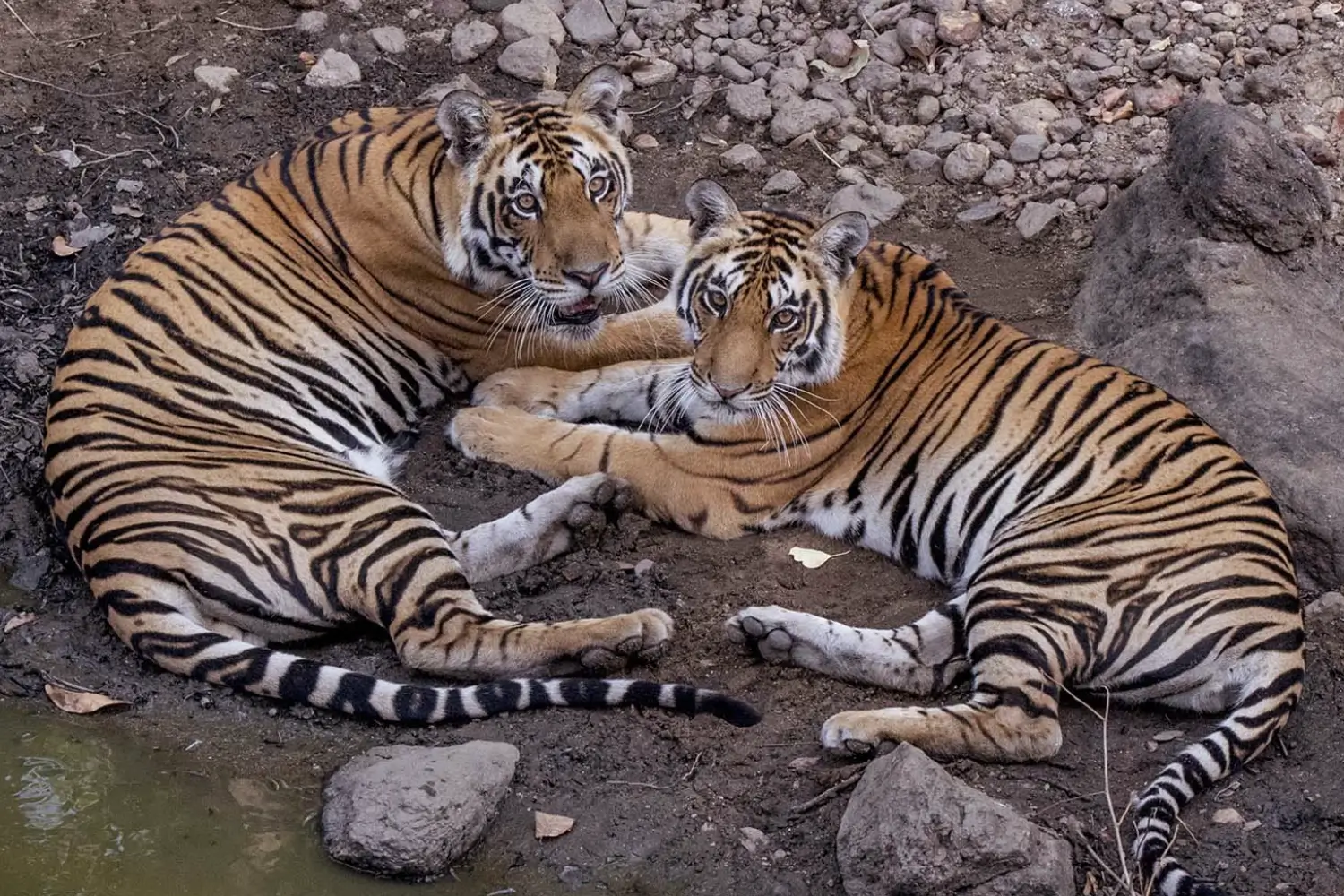
Kanha, spread across Mandla and Balaghat districts, is one of the best-managed reserves in India and the reason the hard-ground barasingha still exists as a species. This swamp deer subspecies fell to fewer than seventy individuals in the 1960s and has since recovered to a stable, self-sustaining population thanks to decades of protection work here. Its sal forests, open meadows, and the Bamni Dadar viewpoint make Kanha as much a landscape experience as a wildlife one.
Pench National Park, Madhya Pradesh/Maharashtra
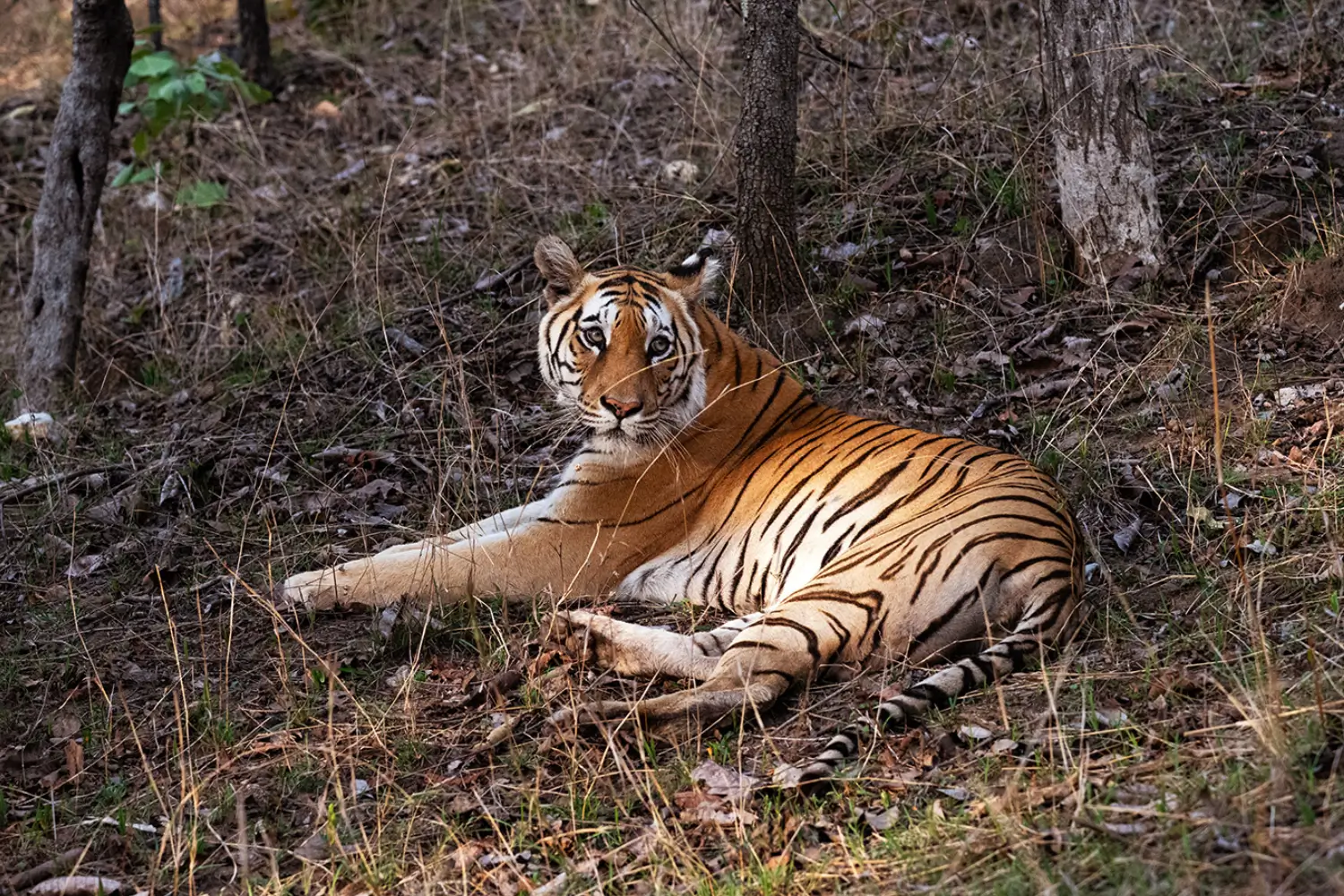
Pench straddles the Madhya Pradesh and Maharashtra border and is the forest that Rudyard Kipling drew on for The Jungle Book. Mowgli's Seoni is the same Seoni district that surrounds the park, and Kipling's descriptions map onto the same teak and sal forests visible from the safari trails today. Pench offers a quieter alternative to its central Indian neighbors without compromising on sightings, and the Pench River cutting through the core zone makes for varied, scenic drives.
Tadoba National Park, Maharashtra
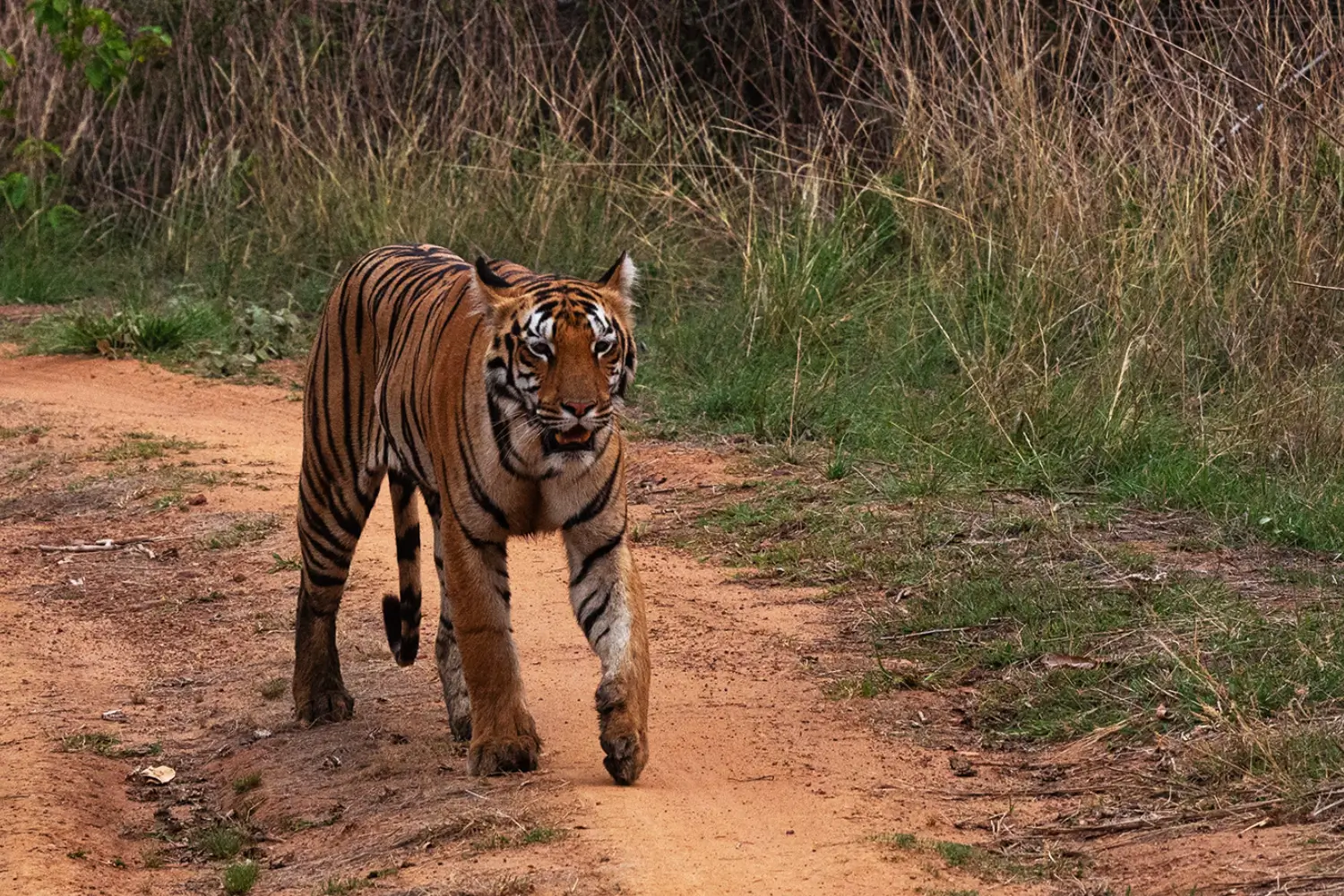
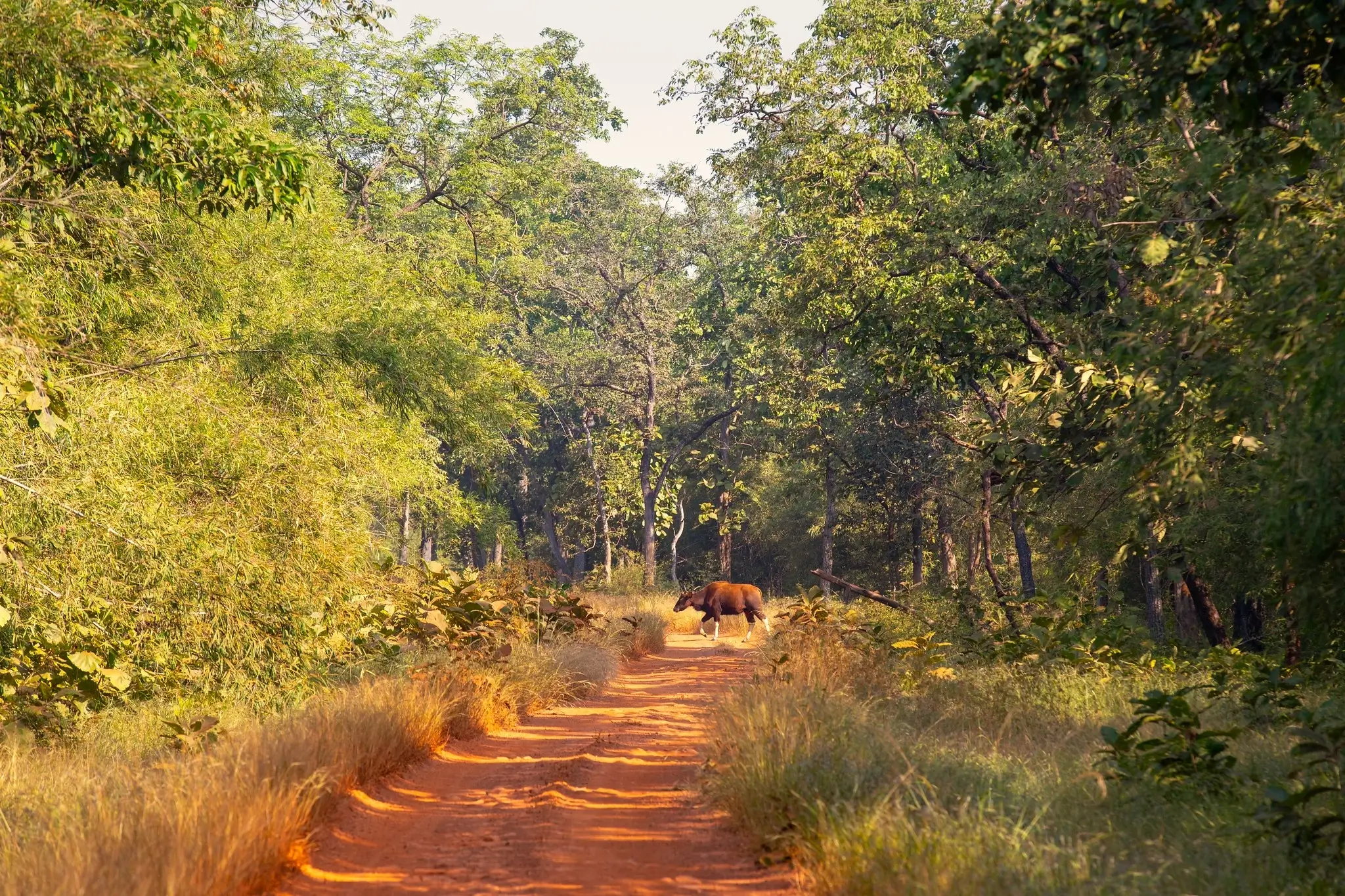
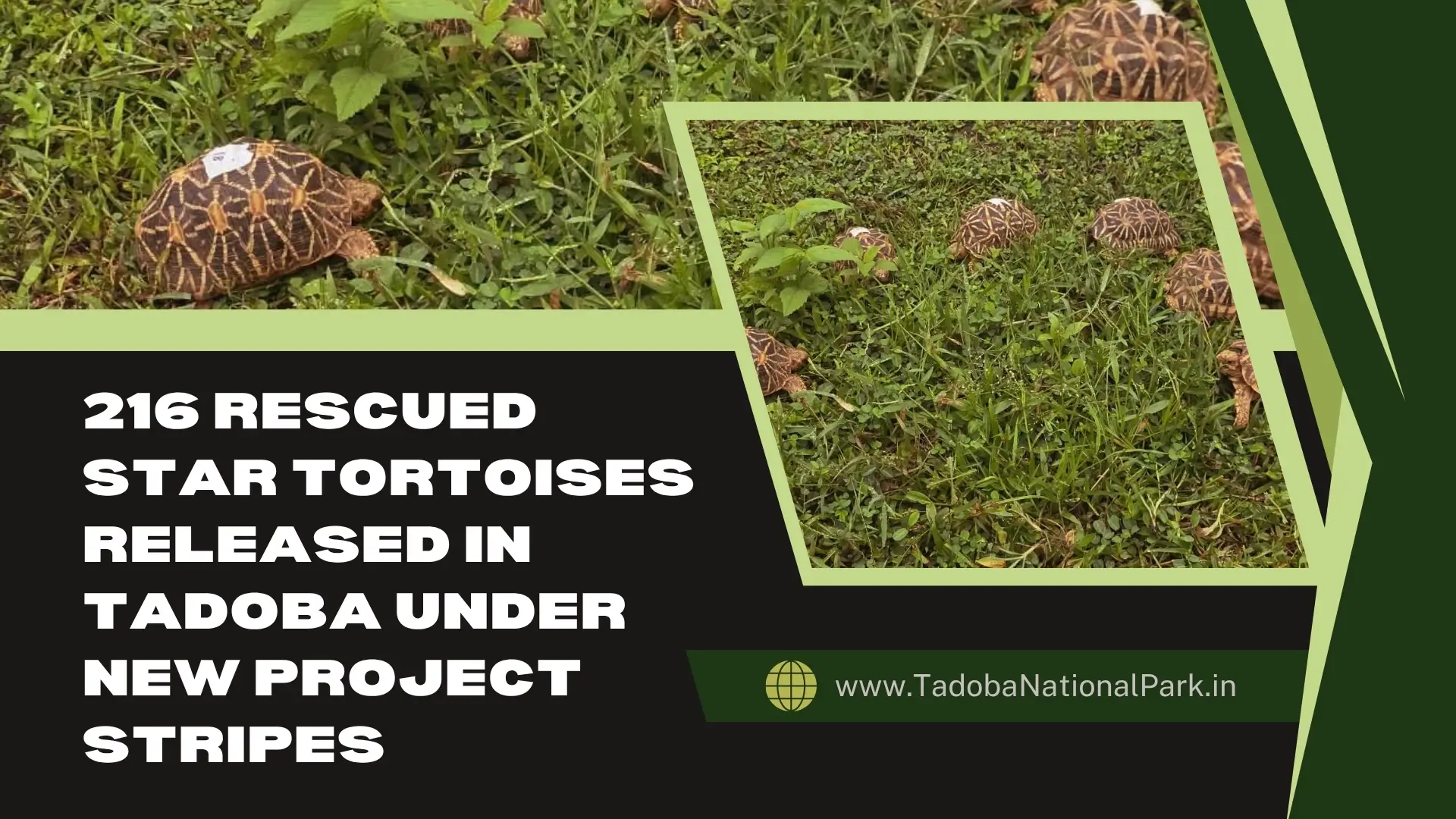
Tadoba, in eastern Maharashtra's Chandrapur district, is the state's oldest and largest national park and one of the most reliable tiger reserves in India. Its mosaic of teak, bamboo, and open grassland supports a healthy tiger density, and resident tigresses raising cubs across the Moharli, Kolara, and Tadoba zones have made it a favorite for repeat safari-goers. Buffer-zone lodges make late-afternoon and early-morning access straightforward when core-zone permits are scarce.
Panna National Park, Madhya Pradesh
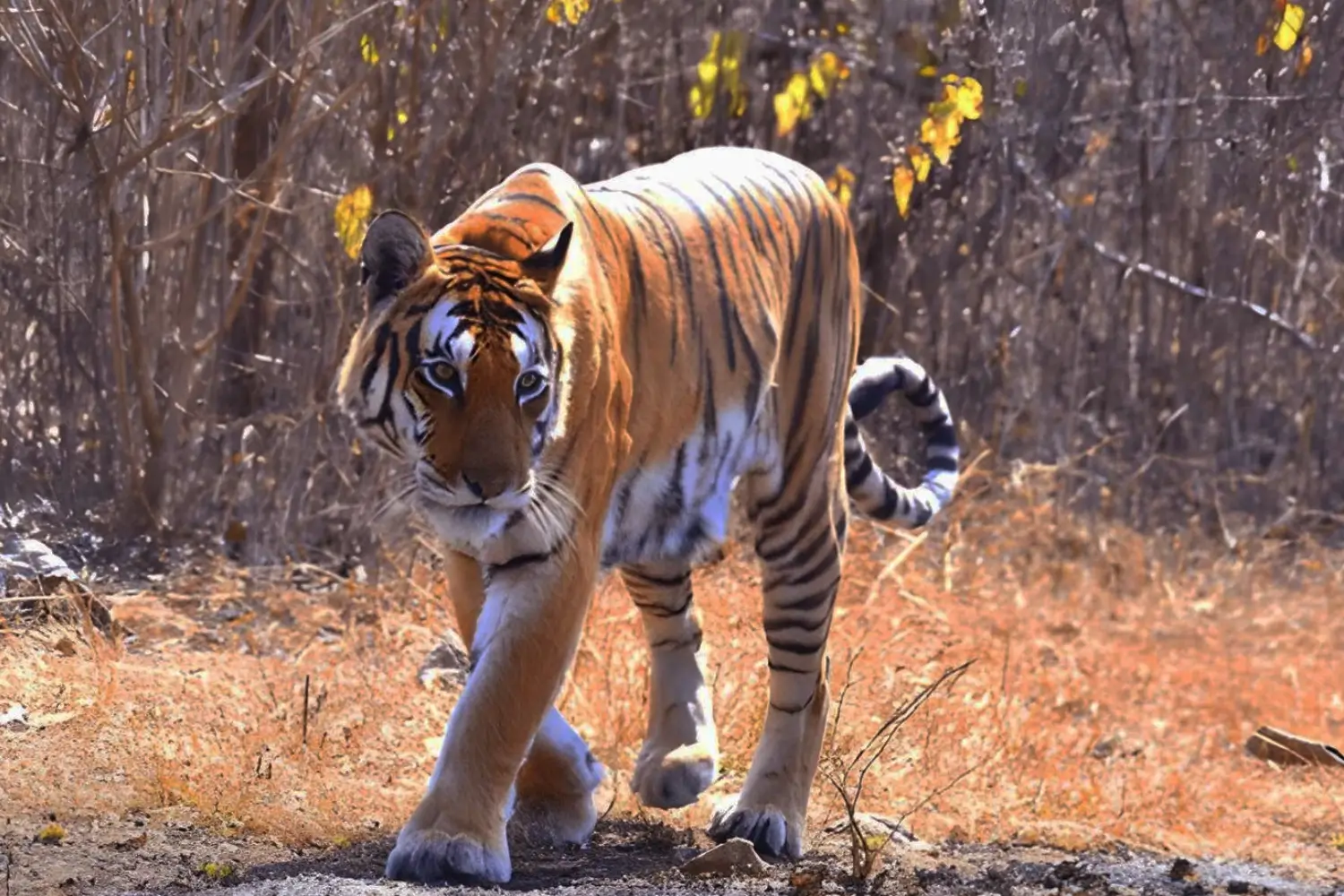
Panna, in northern Madhya Pradesh, is one of India's most cited conservation success stories. Tigers were declared locally extinct here in 2009 following a poaching crisis, and a reintroduction program launched the same year has rebuilt a stable, breeding population that now moves freely across the reserve. Alongside the Ken River and its gorges, this recovery arc makes Panna a compelling stop for travelers interested in how Indian conservation actually works on the ground.
Nagzira Wildlife Sanctuary, Maharashtra
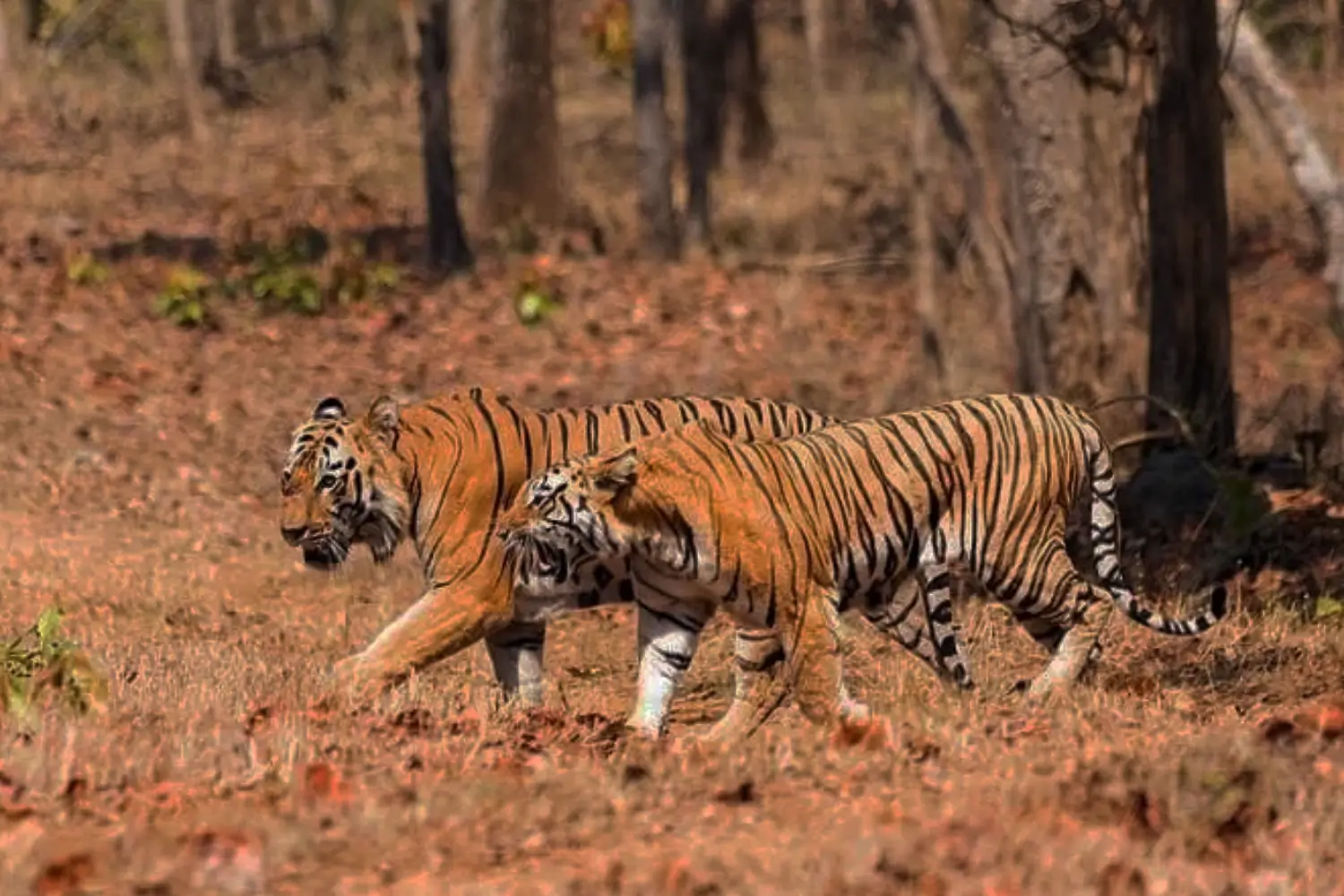
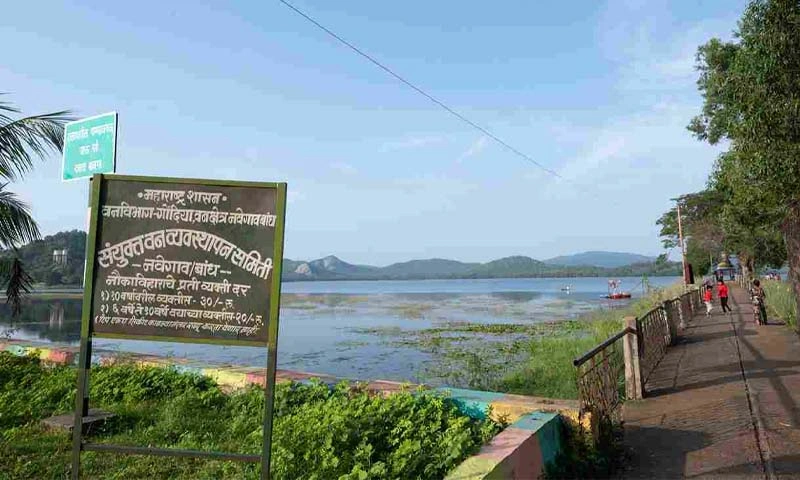
Nagzira, a smaller reserve in eastern Maharashtra's Gondia and Bhandara districts, appeals to travelers looking for private wildlife safari tours away from the crowds of the larger central Indian parks. It supports tigers, leopards, and a strong sloth bear population within a compact forested landscape, and its recent administrative linkage with Navegaon into a combined tiger reserve has expanded the effective range.
Ranthambore National Park, Rajasthan
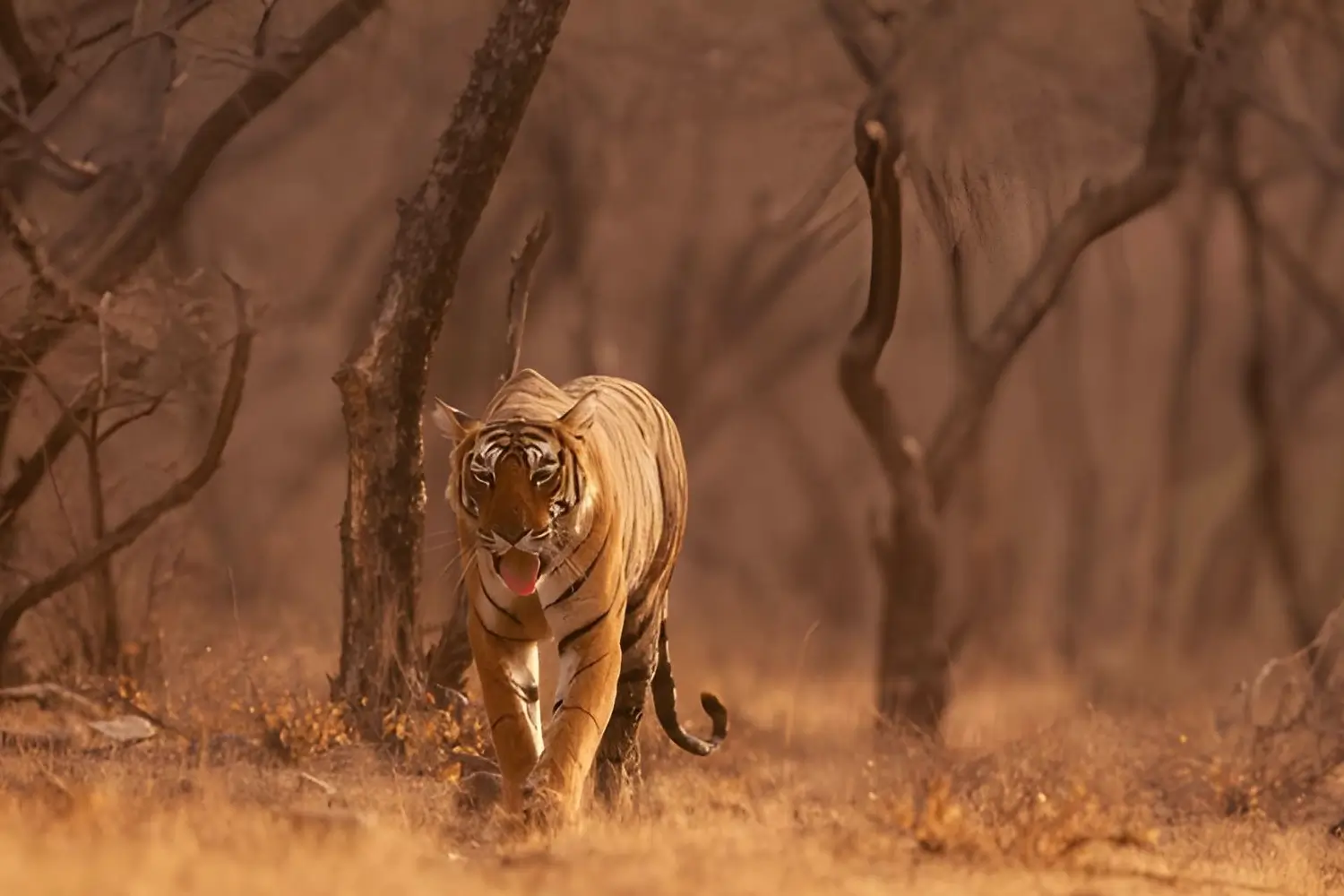
Ranthambore, in Sawai Madhopur district, pairs tiger sightings with the dramatic backdrop of a tenth-century hilltop fort, ancient banyan trees, and stepped lakes where tigers regularly come to drink. It is one of the most photographed reserves in the country and a regular fixture on India wildlife tour packages that combine wildlife with the Rajasthan heritage circuit. Zones 3, 4, and 10 are considered the most productive for both sightings and photography.
Sariska National Park, Rajasthan
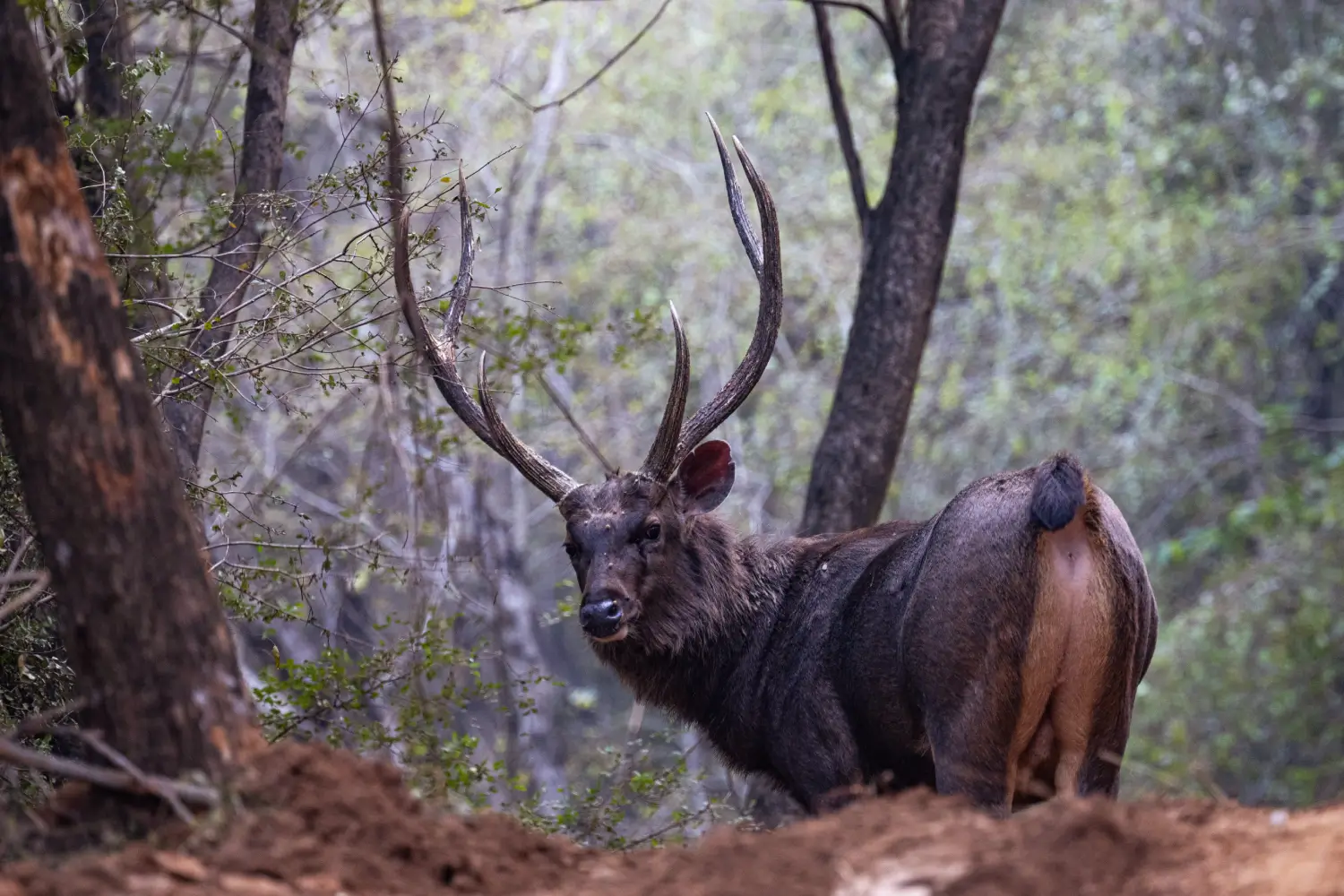
Ranthambore, in Sawai Madhopur district, pairs tiger sightings with the dramatic backdrop of a tenth-century hilltop fort, ancient banyan trees, and stepped lakes where tigers regularly come to drink. It is one of the most photographed reserves in the country and a regular fixture on India wildlife tour packages that combine wildlife with the Rajasthan heritage circuit. Zones 3, 4, and 10 are considered the most productive for both sightings and photography.
Jhalana Leopard Safari, Rajasthan
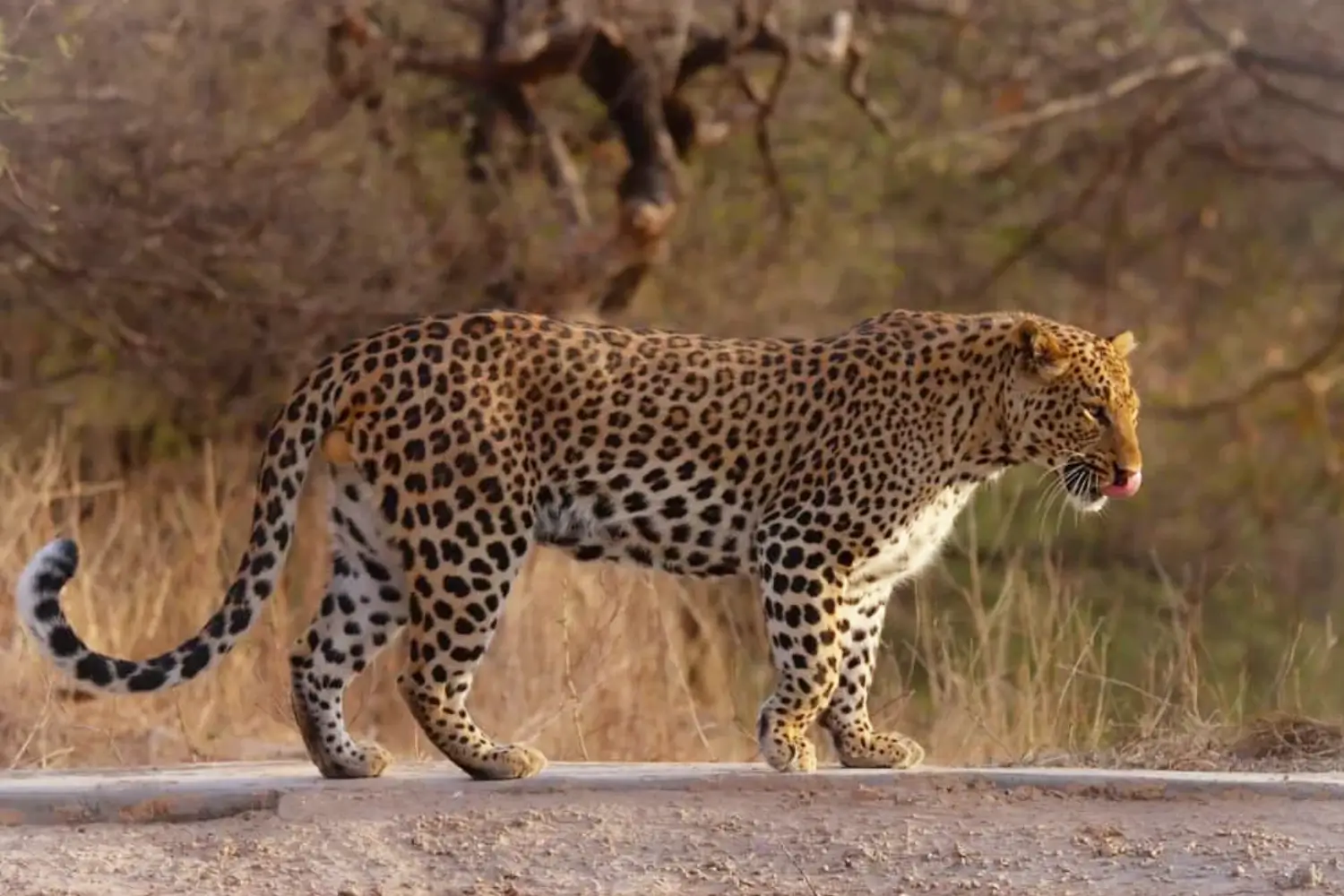
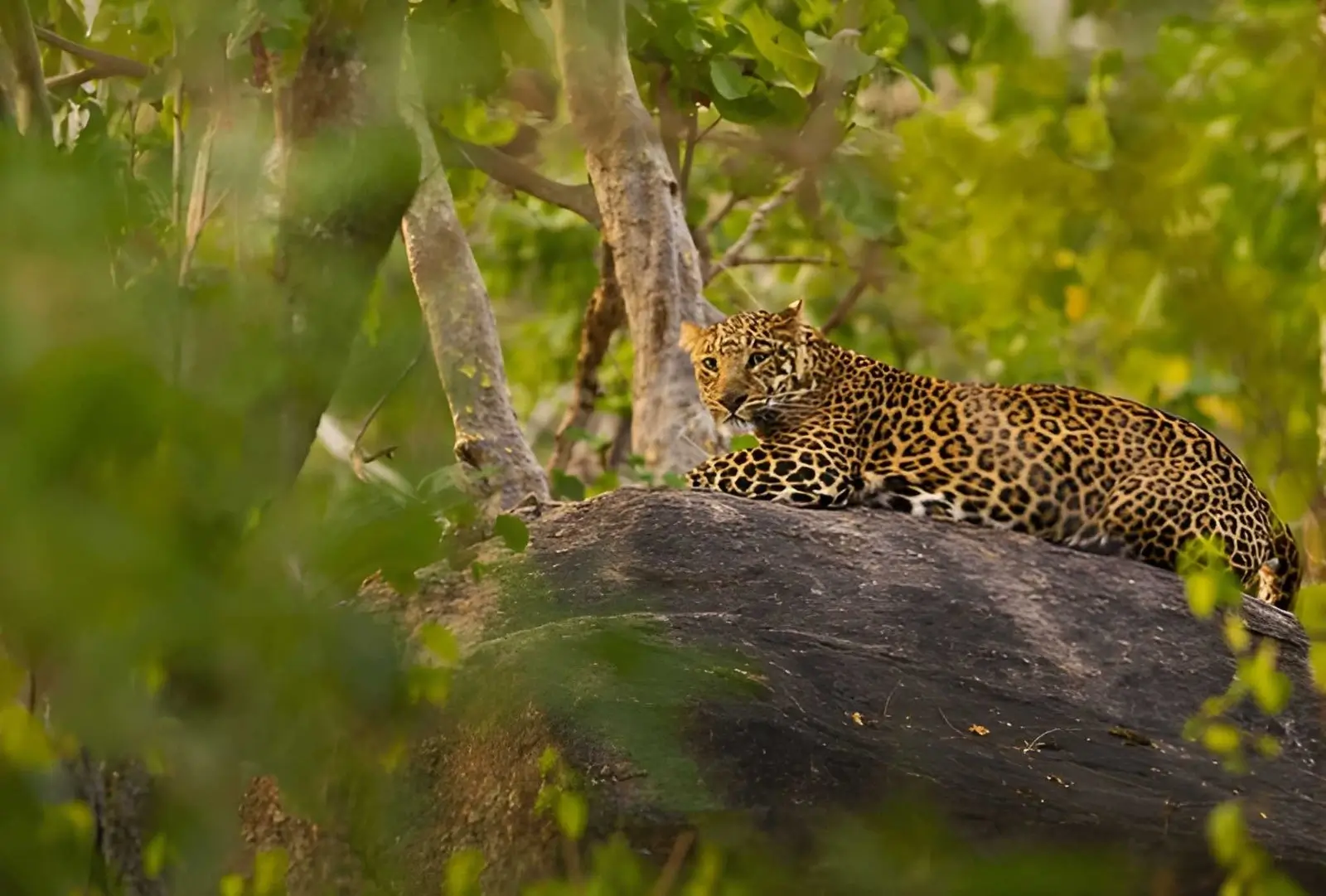
Jhalana Leopard Safari, inside Jaipur city limits, is one of very few places in the world where leopards can be reliably seen so close to a major urban center. Its rocky scrub terrain and unusually high leopard density make it a strong option for travelers short on time or those pairing a leopard-focused morning drive with the rest of a Jaipur city itinerary.
Jawai Leopard Safari, Rajasthan
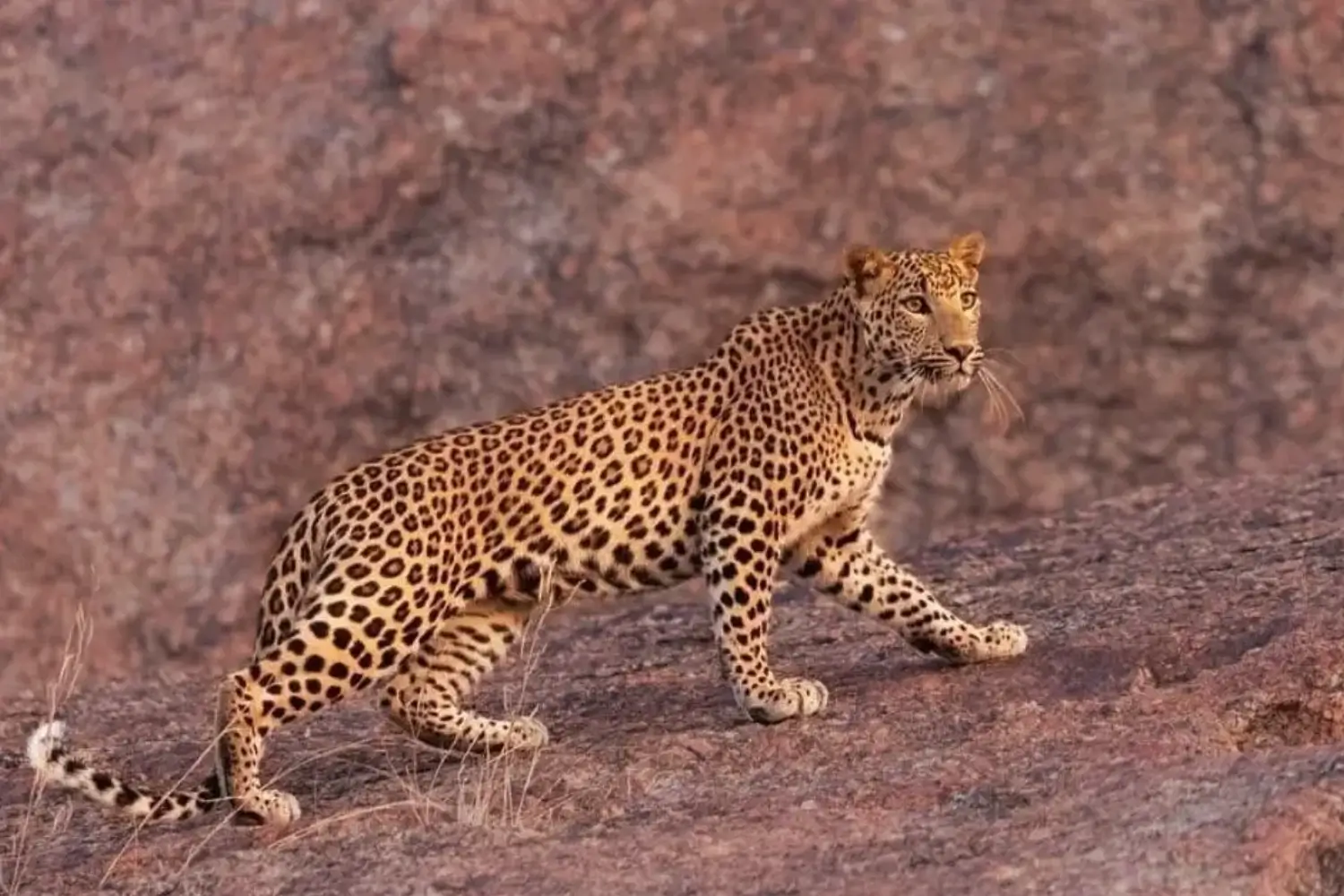
Jawai Leopard Safari, set among the granite hills and Rabari shepherd villages near Jawai Bandh dam in Pali district, is defined by the way leopards share the landscape with local pastoral communities without conflict, a coexistence tradition that goes back generations. The open terrain, dramatic rock outcrops, and low vegetation make Jawai one of the most photograph-friendly wildlife destinations in India, and its cave-dwelling leopards are the reason serious photographers include it on nearly every dedicated leopard itinerary.
Corbett National Park, Uttarakhand
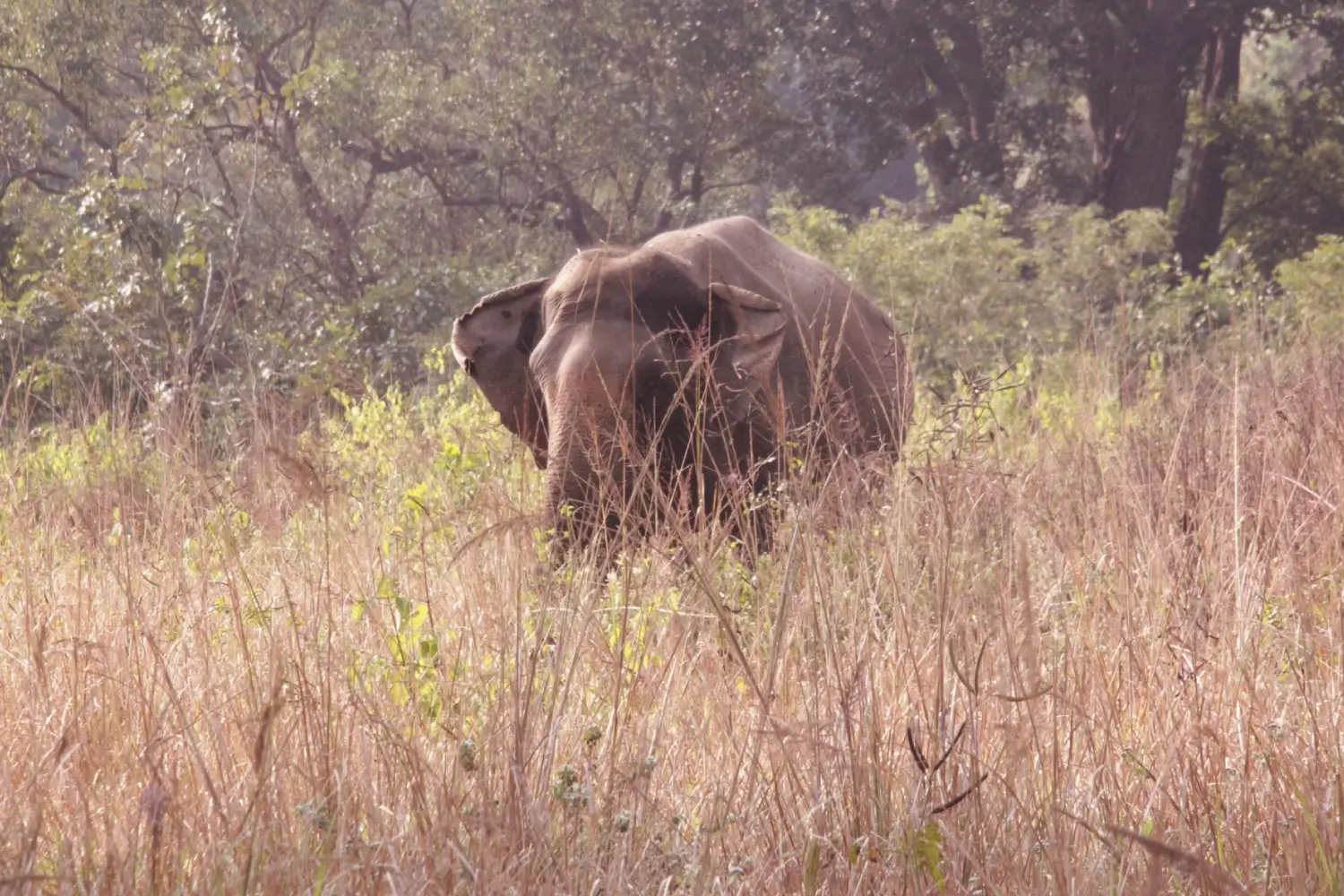
Corbett, in Uttarakhand's Nainital and Pauri Garhwal districts, is India's oldest national park, established in 1936. Beyond its tigers, the reserve is known for large elephant herds, more than six hundred recorded bird species, and the Ramganga River winding through the valley. The Dhikala zone in particular pairs strong wildlife activity with some of the most cinematic landscapes of any Indian park, and the forest rest house stays inside Dhikala remain among the most sought-after forest accommodations in the country.
Kaziranga National Park, Assam
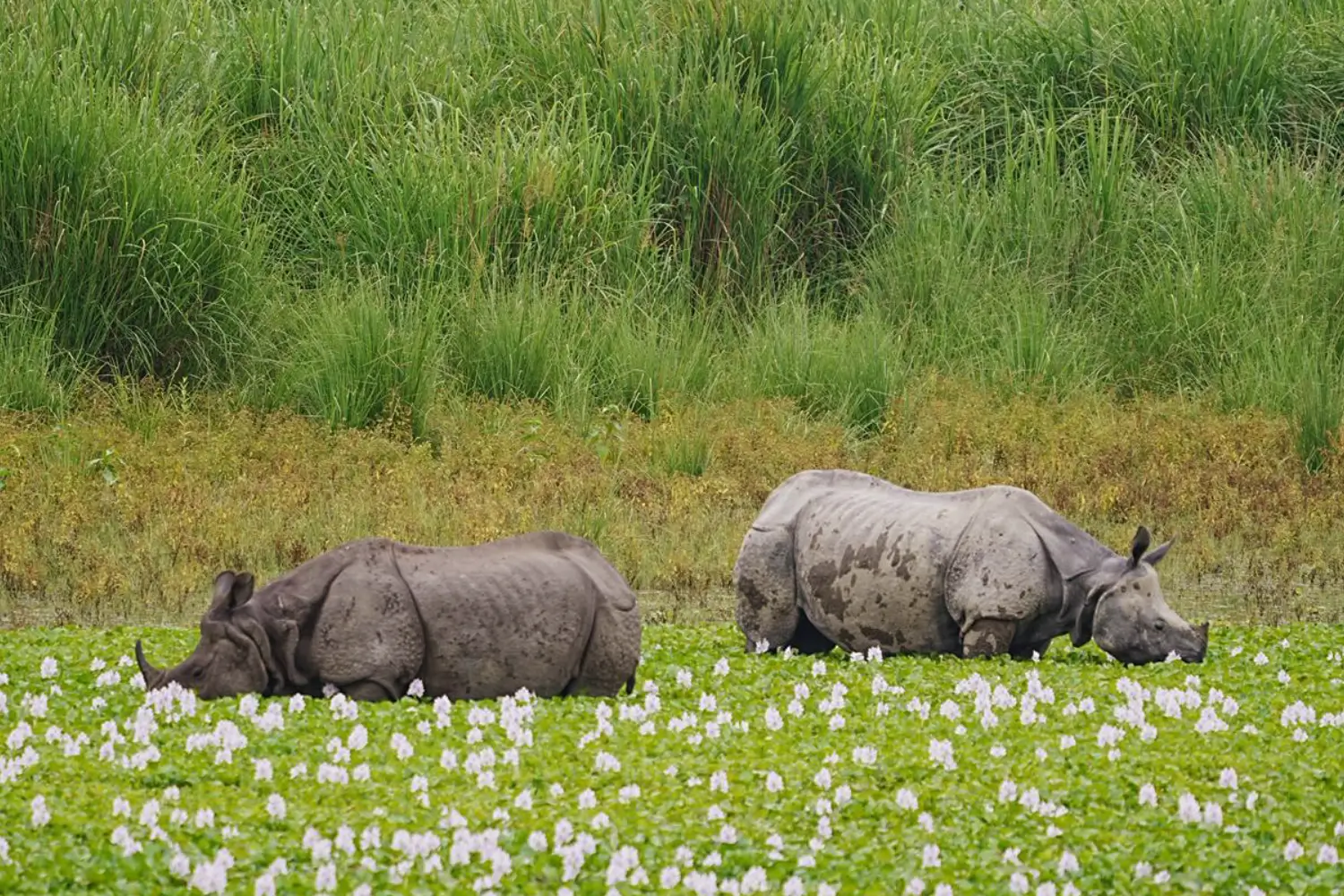
Kaziranga, on the southern bank of the Brahmaputra in Assam's Golaghat and Nagaon districts, is a UNESCO World Heritage Site and home to roughly two-thirds of the world's one-horned rhino population. Jeep safaris through the Kaziranga, Bagori, Agoratoli, and Burapahar ranges deliver reliable sightings of rhino, wild water buffalo, swamp deer, and the Royal Bengal tiger, alongside one of the richest bird populations in India. The park's floodplain landscape and elephant-back safaris in Bagori give Kaziranga a scale and character no other Indian reserve matches.
Manas National Park, Assam
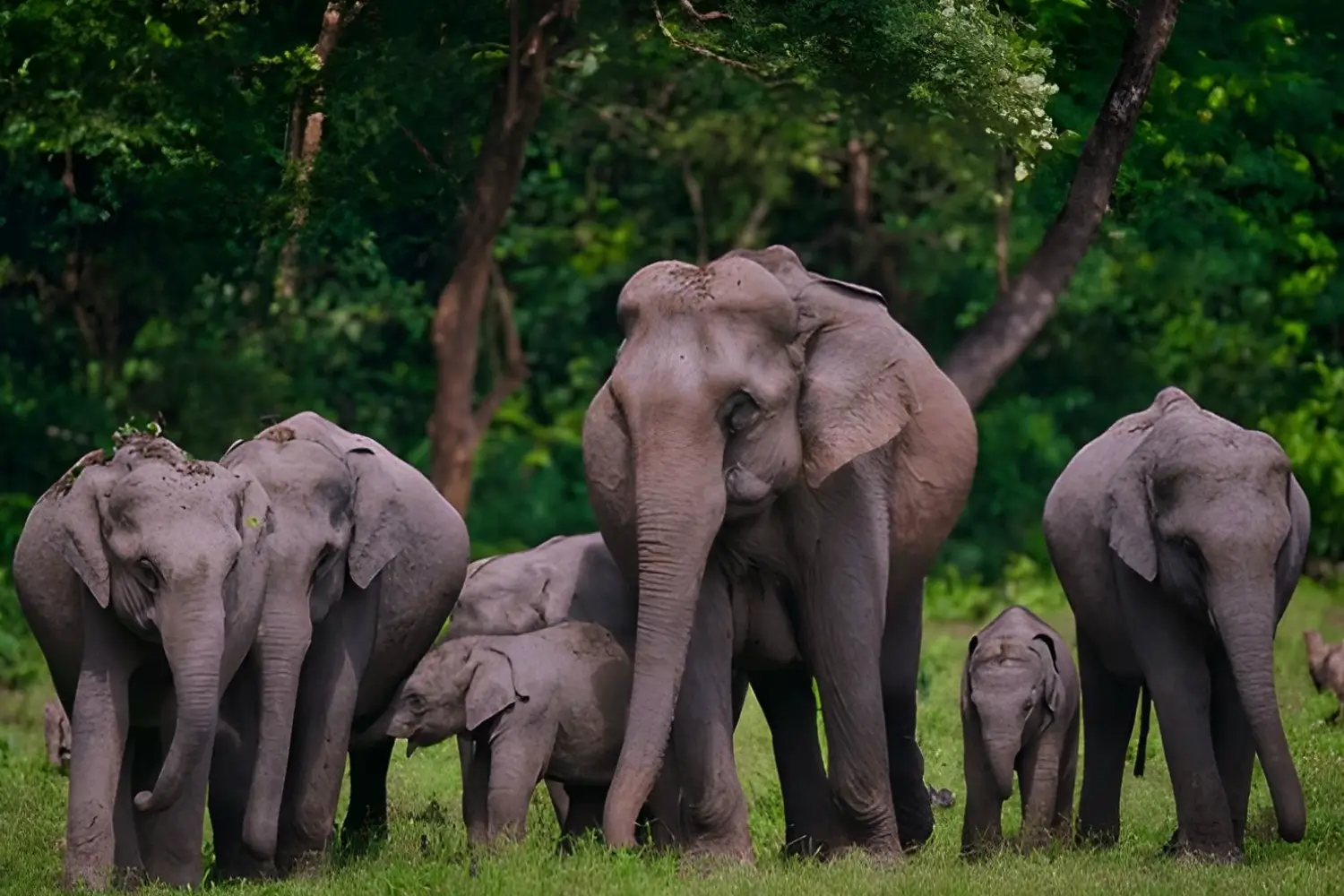
Manas, on the Bhutan border in Assam's Chirang and Baksa districts, is a UNESCO World Heritage Site and a Project Tiger reserve that has recovered from decades of insurgency-related decline. It supports rhinos, tigers, wild elephants, and the endangered pygmy hog and golden langur, all within a landscape that opens onto the Bhutan foothills. Manas suits travelers who want a quieter, wilder Northeast alternative to Kaziranga and pairs naturally with it on longer Assam itineraries.
Sunderban National Park: The Only Mangrove Tiger Habitat on Earth
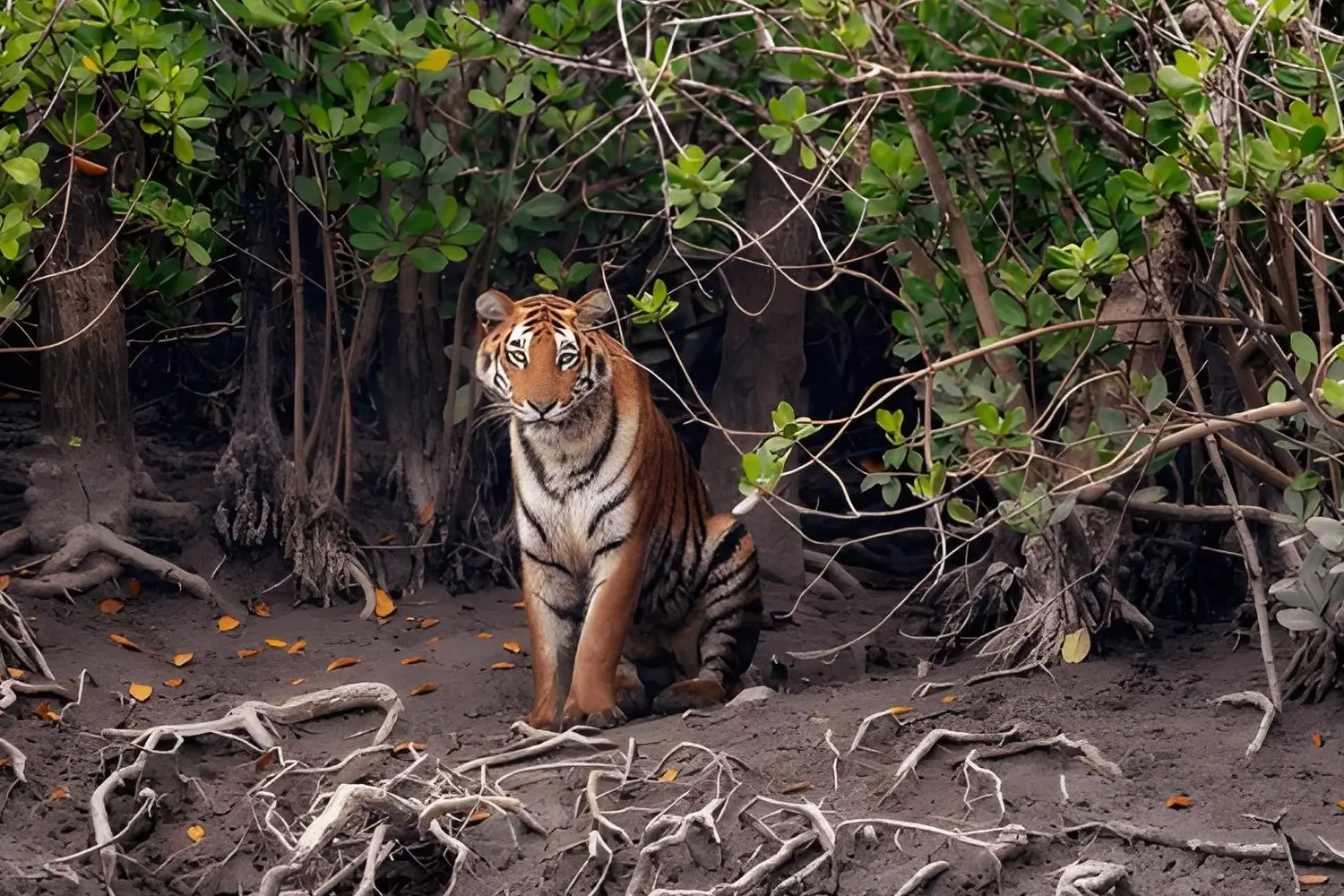
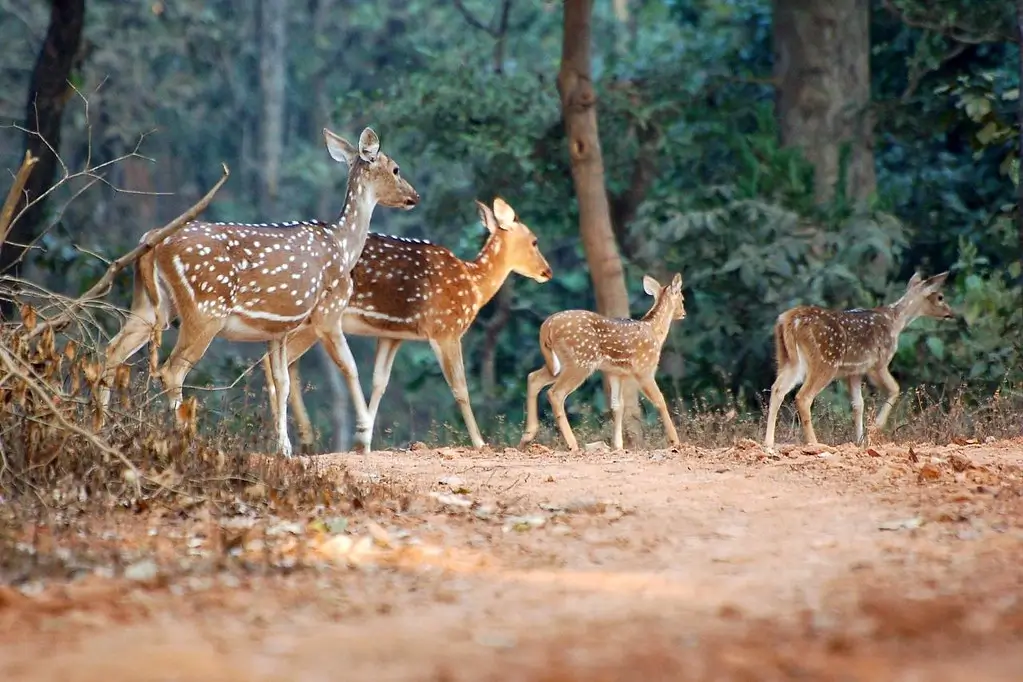
Sundarbans, in West Bengal's South 24 Parganas district, is a UNESCO World Heritage Site and the only mangrove forest in the world that supports a wild tiger population. Safaris here are conducted entirely by boat through a maze of tidal creeks and channels rather than by jeep, which makes the experience fundamentally different from any other Indian park. Beyond the Royal Bengal tiger, the Sundarbans supports saltwater crocodiles, Gangetic dolphins, spotted deer, and a dense estuarine bird population, all set within the world's largest contiguous mangrove ecosystem shared with Bangladesh.
Periyar National Park, Kerala
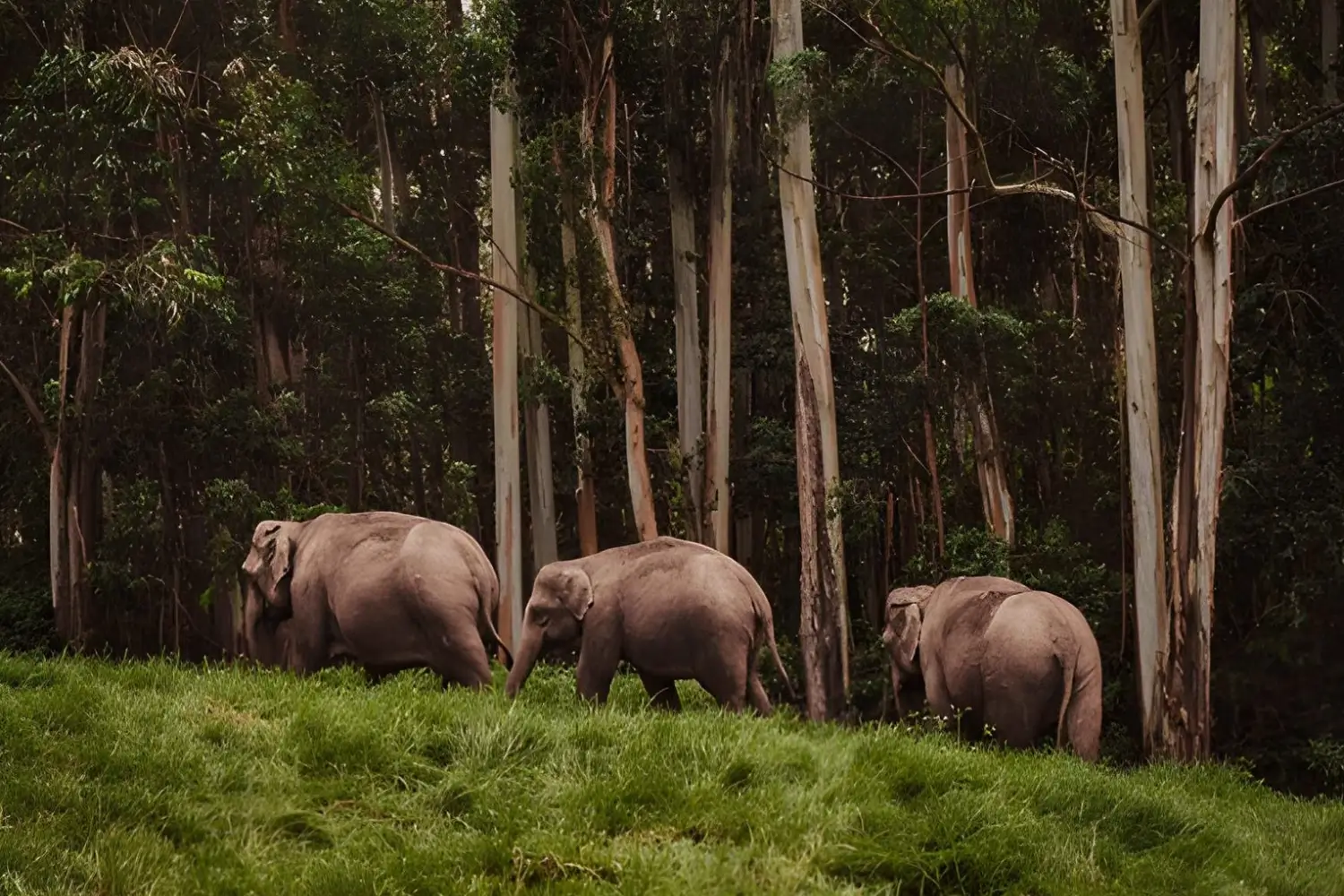
Periyar, in Kerala's Idukki district, is built around a large reservoir at the heart of the reserve, which shapes the safari format itself. Boat cruises on Periyar Lake are the primary way to watch wildlife here, delivering sightings of elephants, gaur, sambar, and wild boar coming down to the water's edge, and this format works reliably through the monsoon months when jeep-safari parks in the north are closed. Bamboo rafting and guided nature walks with tribal trackers extend the experience beyond the boat.
Nagarhole, Bandipur and Mudumalai National Parks
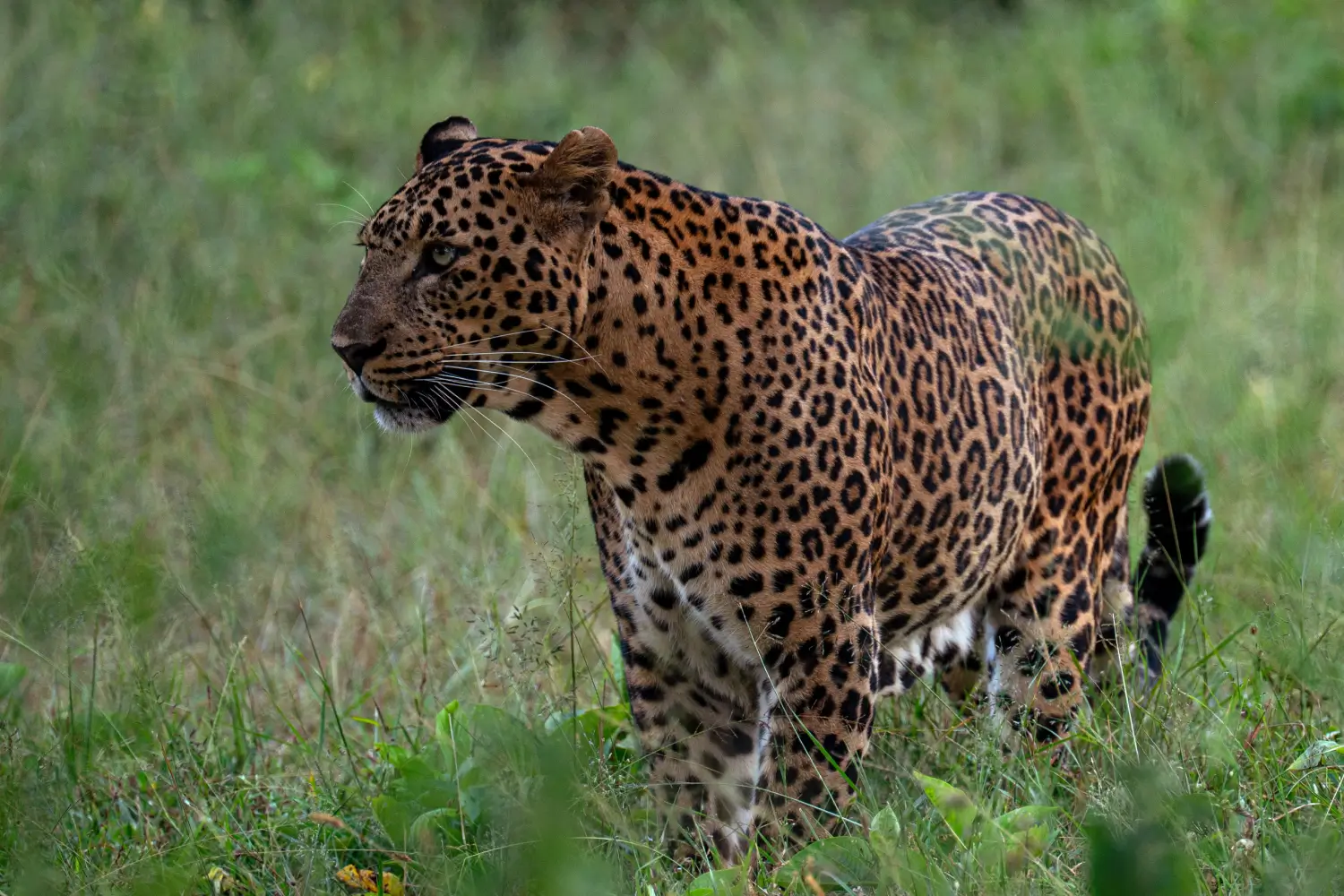
Nagarhole and Bandipur, in Karnataka, form a contiguous protected landscape with Mudumalai in Tamil Nadu and Wayanad in Kerala, together making up one of India's largest tiger and elephant habitats. Jeep safaris here deliver reliable sightings of Indian elephant, gaur, tiger, leopard, and dhole across mixed deciduous forest, and both parks stay open through most of the year with only limited monsoon restrictions.
Gir National Park, Gujarat
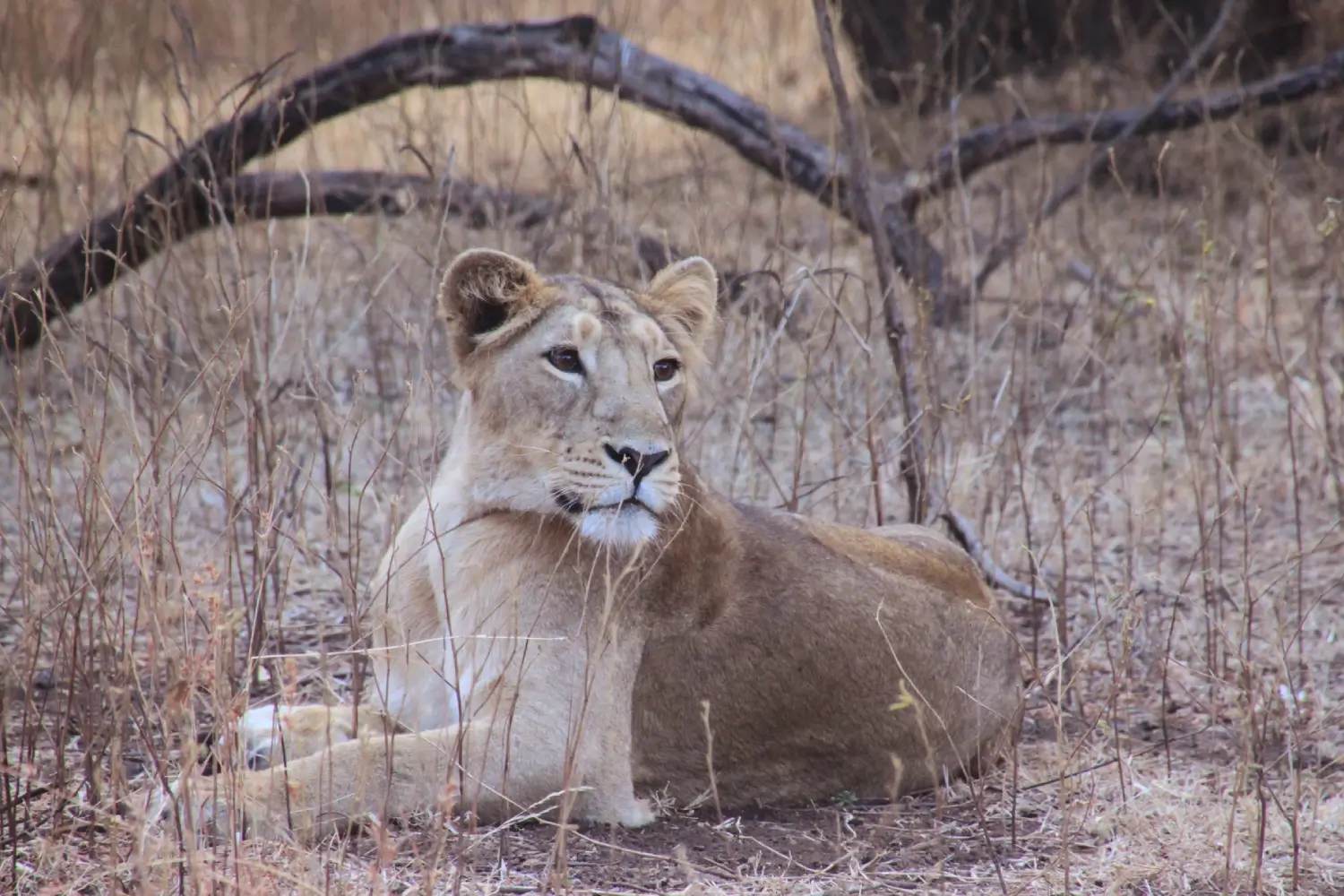
Gir National Park, in Gujarat's Junagadh, Amreli, and Gir Somnath districts, is the only place on earth where the Asiatic lion survives in the wild, with the population having recovered from around twenty individuals in the early twentieth century to over 670 today. Jeep safaris across the Sasan, Devalia, and Kankai zones deliver reliable lion sightings alongside leopards, spotted deer, sambar, and over three hundred bird species. For any traveler serious about seeing the full range of India's big cats, Gir is non-negotiable.
Hemis National Park, Ladakh
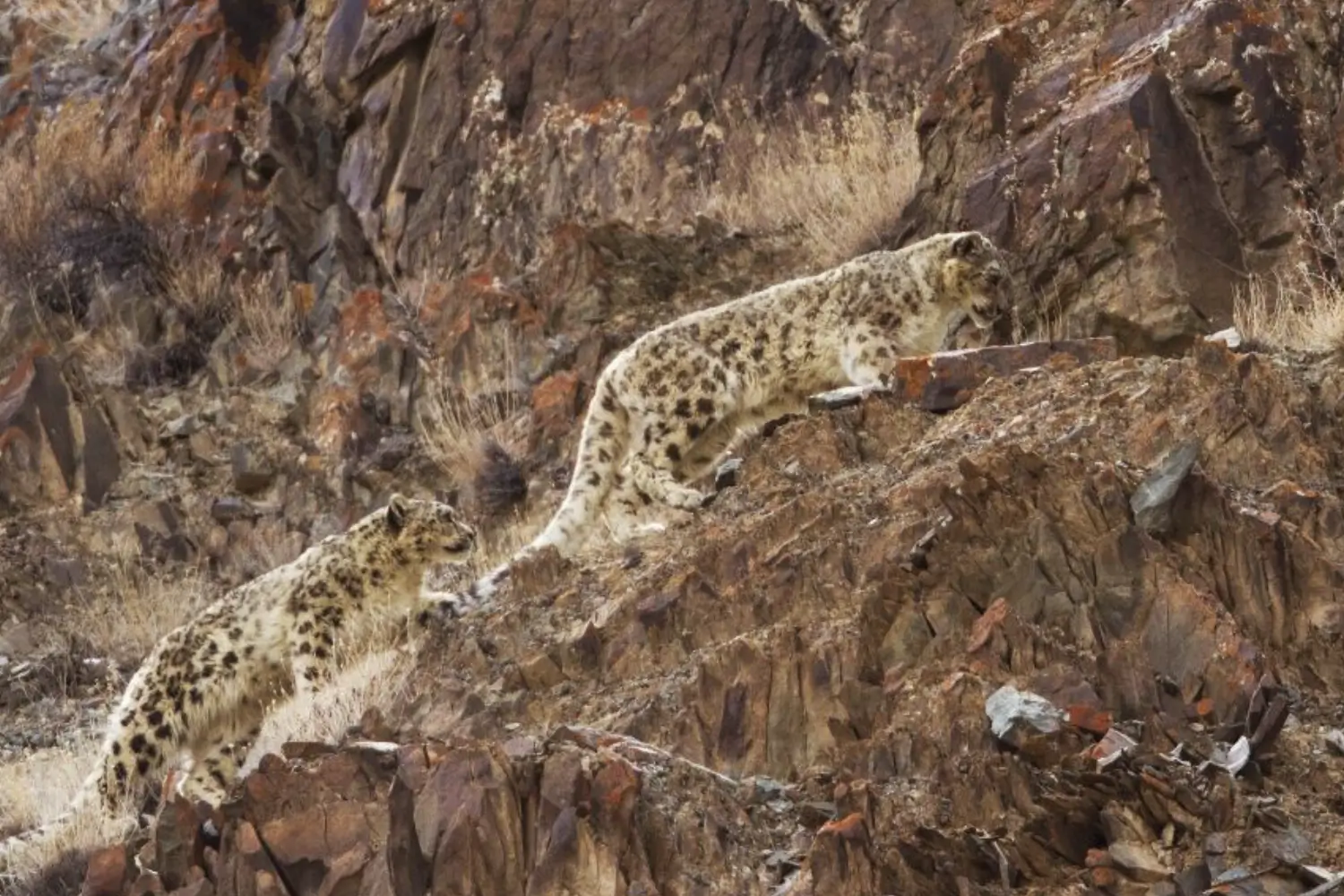
Hemis, in Ladakh's Leh district, is India's largest national park by area and the country's most reliable location for wild snow leopard sightings. The park's high-altitude cold desert terrain supports blue sheep, Tibetan wolves, Eurasian brown bears, and one of the healthiest snow leopard populations on earth. Dedicated snow leopard expeditions run from January to March, when the cats descend from the higher ranges to hunt at accessible altitudes, and require serious cold-weather preparation. Summer trips are a different proposition entirely, built around trekking, high-altitude birding, and blue sheep sightings across the Rumbak and Markha valleys.
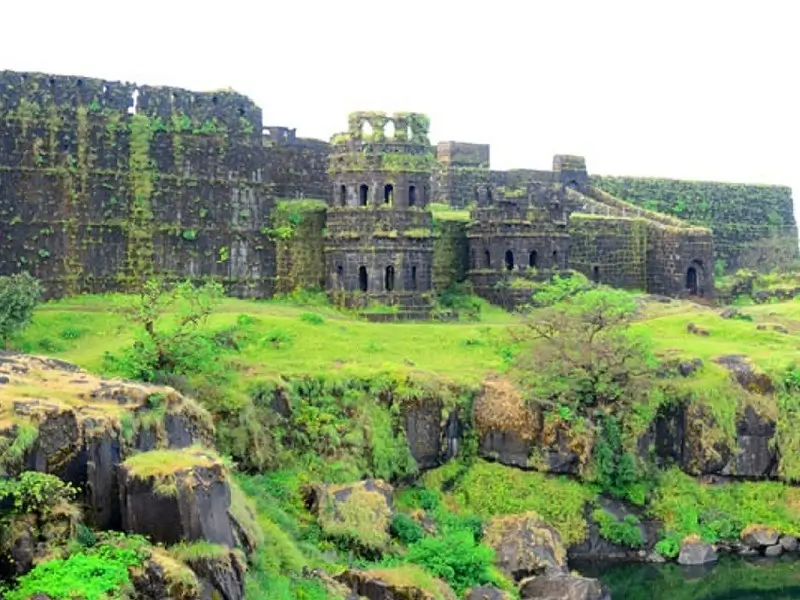
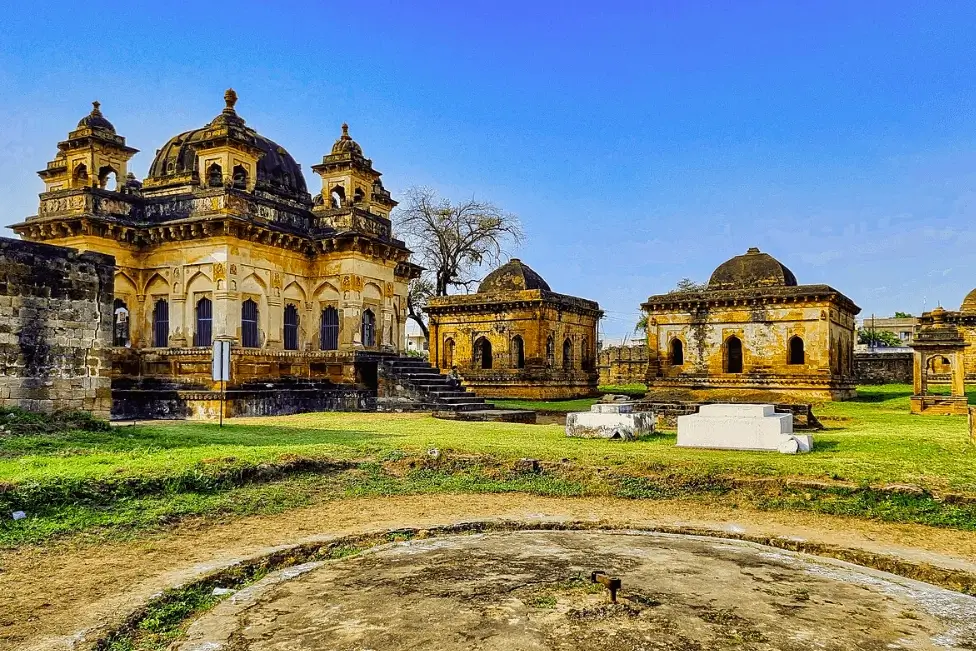
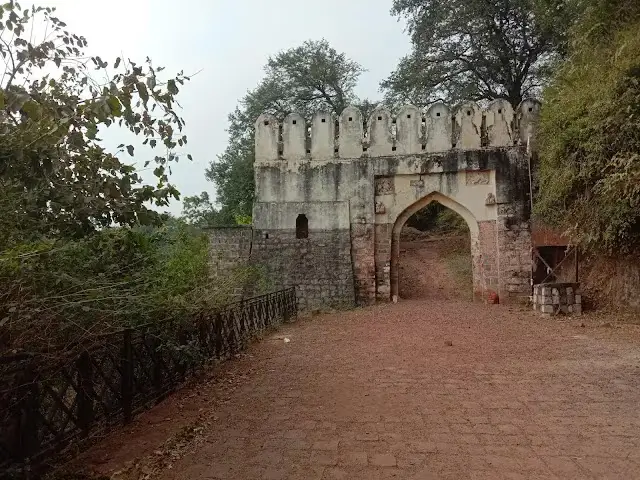
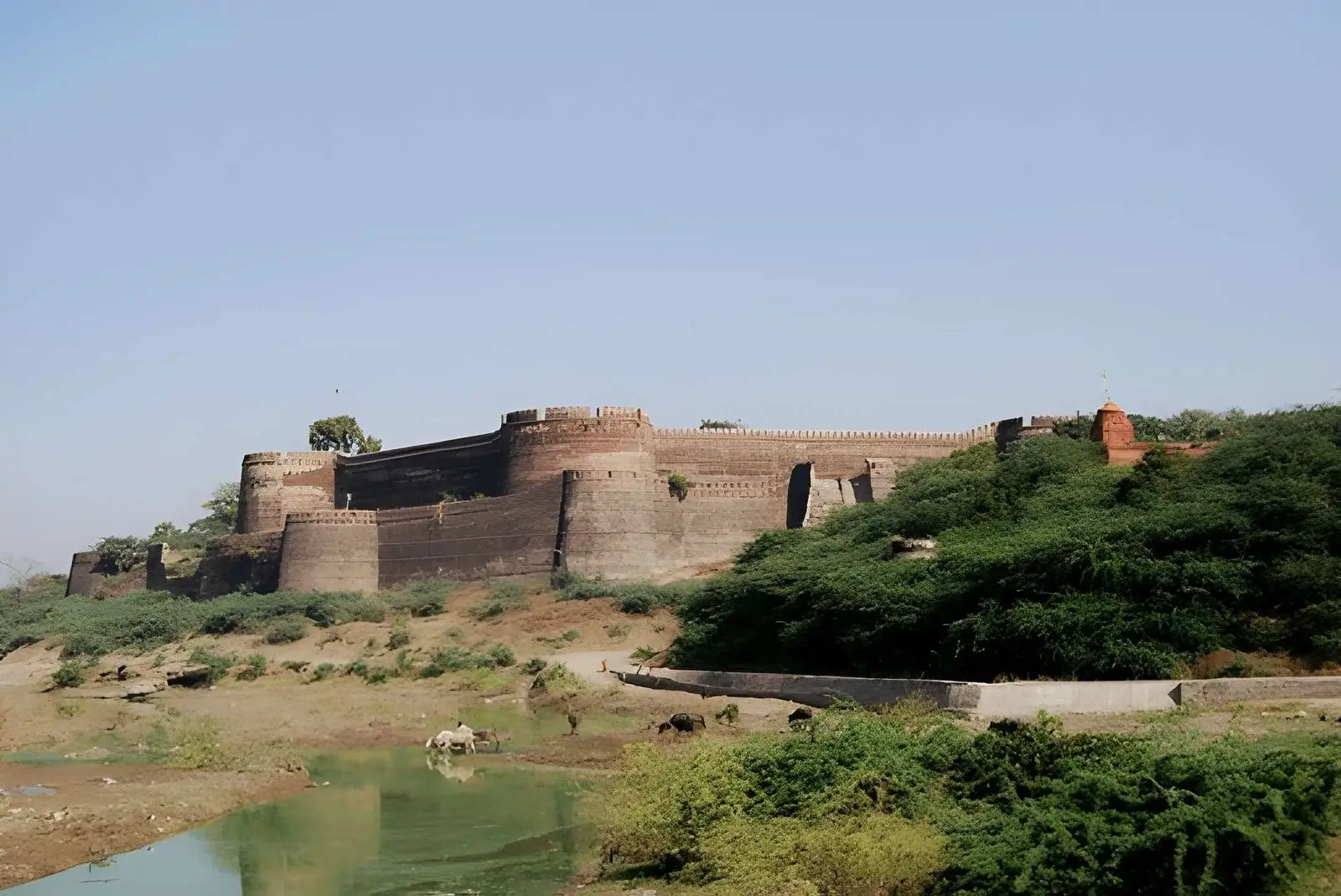
Chandrapur Fort and Ballarpur Fort are accessible for families during daylight hours, though watch for uneven pathways and old masonry. Manikgad Fort requires a trek through isolated terrain with no facilities and is not suitable for young children or elderly visitors.