Ballalpur Fort -  Maharashtra

Ballalpur Fort, Maharashtra

Ballalpur Fort, Maharashtra

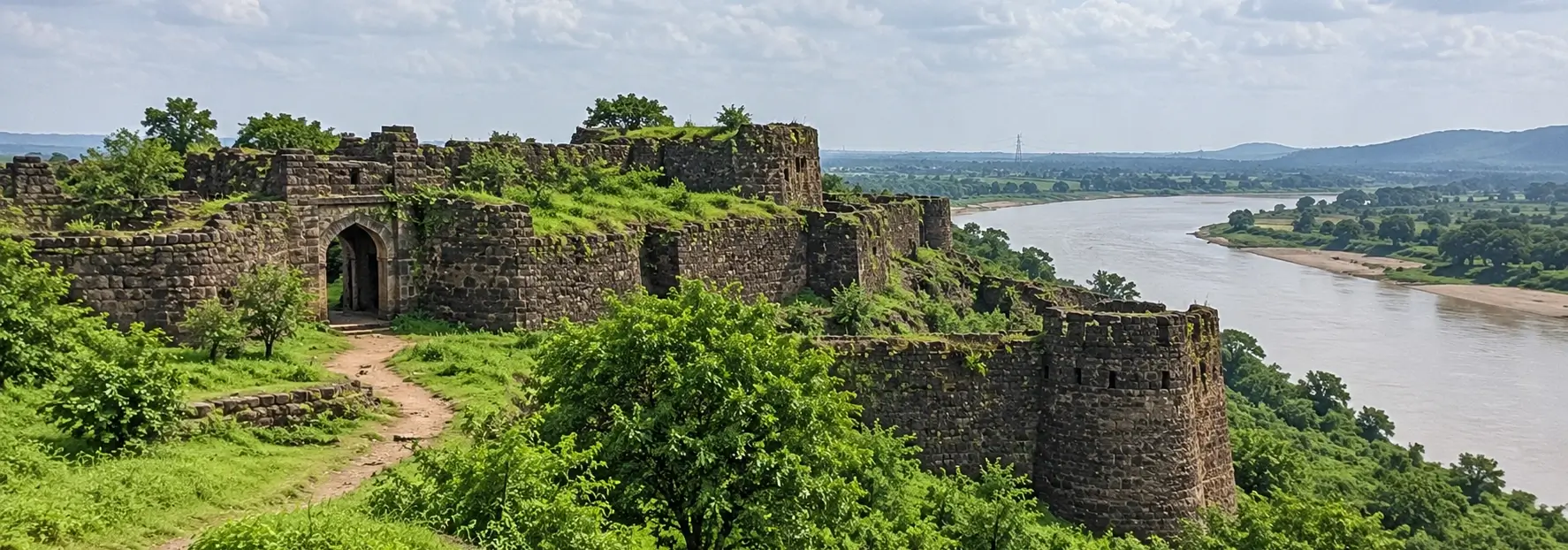
Ballalpur Fort, also known as Ballarshah Fort, stands on the eastern bank of the Wardha River, approximately 16 km from Chandrapur city and 45 to 60 km from the various gates of Tadoba-Andhari Tiger Reserve. This was the original capital of the Gond dynasty before the seat of power moved to Chandrapur under later rulers.

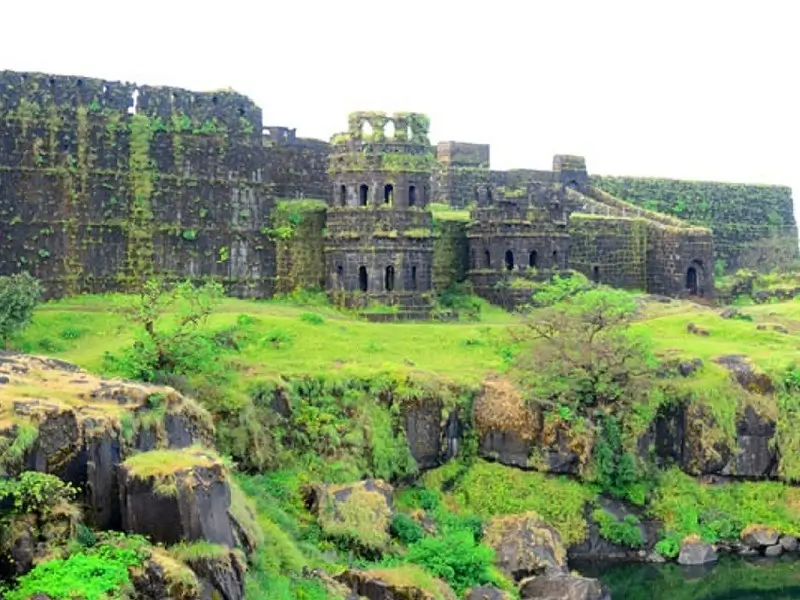
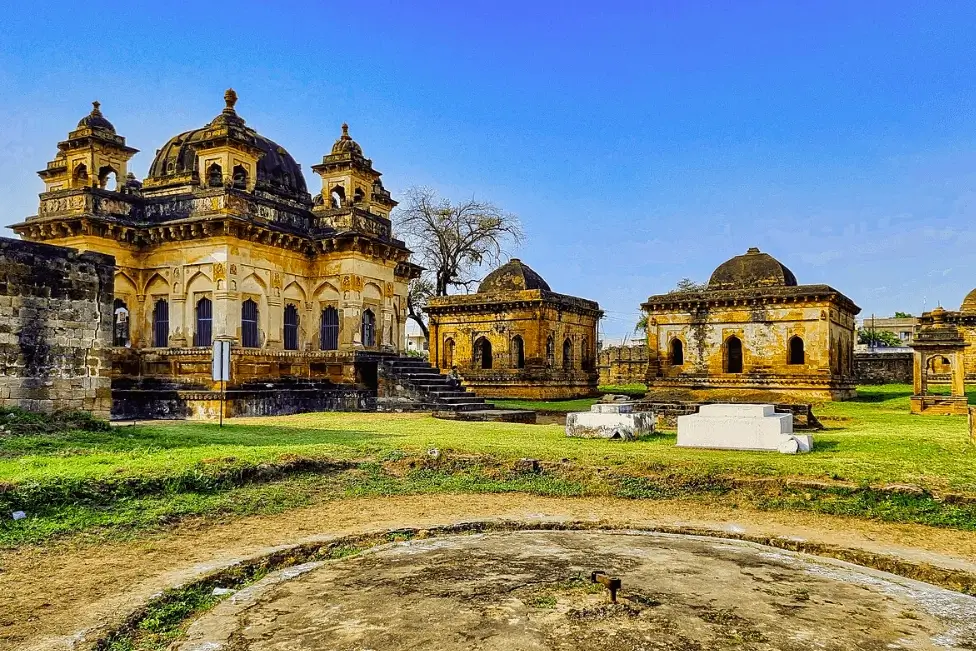
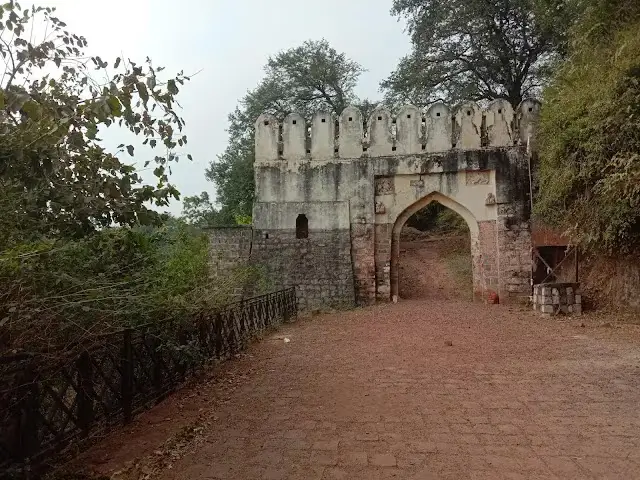
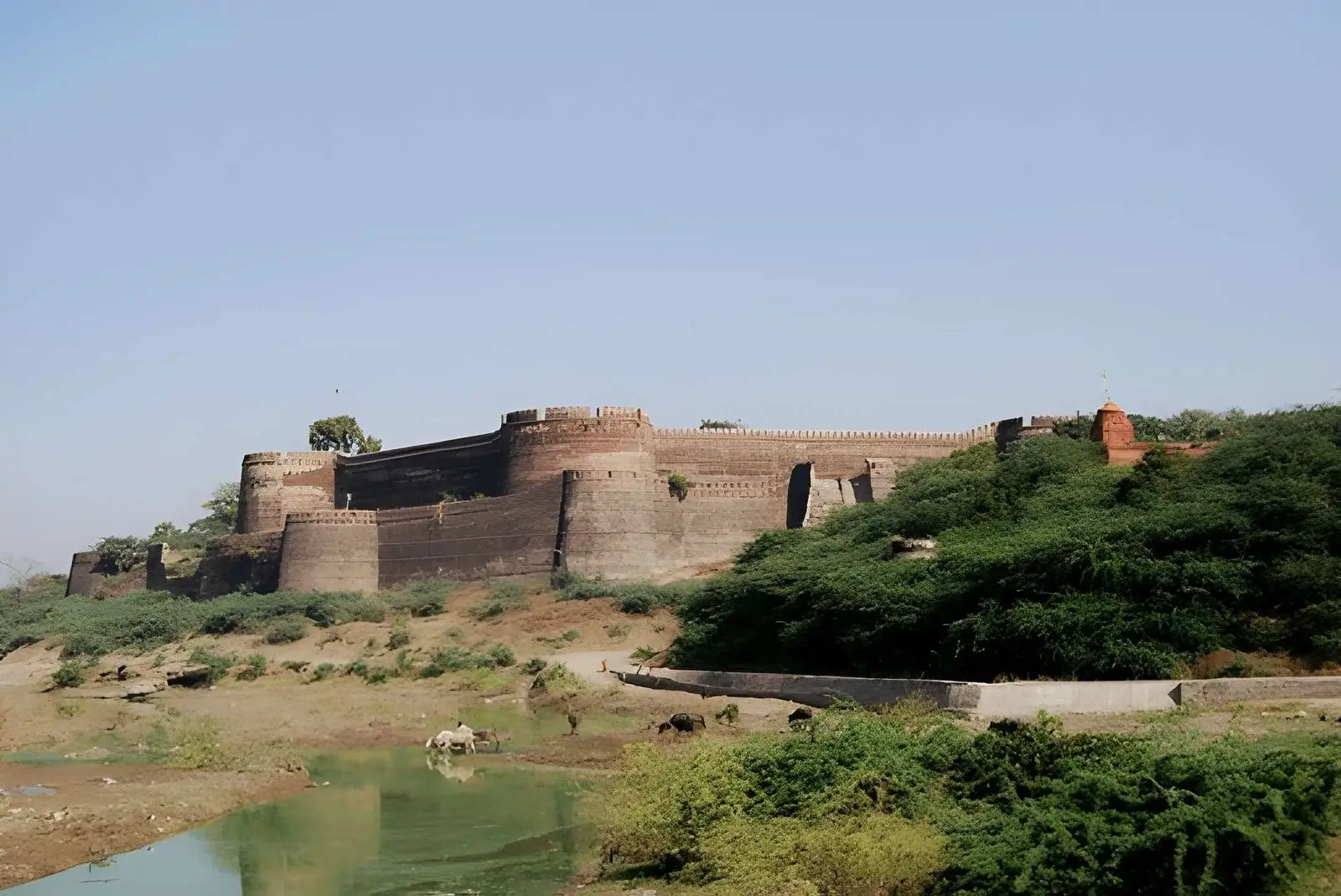
The fort is constructed from large black basalt blocks and uses the Wardha River as a natural defensive moat on one side. Most of the internal structures are now in ruins, but the two most distinctive features survive intact: the two main gates, deliberately set at right angles to each other as a defensive trap designed to slow invading forces, and a smaller postern gate on the riverside used for covert access to the water. Underground passages and hidden chambers beneath the ruins add to the site's atmosphere and its appeal for history enthusiasts.

Balharshah Junction, one of central India's major railway stations, is just 2 to 3 km from the fort, making this the most railway-accessible heritage attraction in the Chandrapur district.

History of Ballalpur Fort

The fort was built by Gond king Khandkya Ballal Sah, who succeeded Ser Sah in the 15th century and established a new fortified capital on the banks of the Wardha. The site was chosen for its natural defences: the river on one side and dense forest surrounding the remaining perimeter. Locally quarried black basalt provided the building material, and the rectangular fort was designed with military defence as its primary function rather than palatial display.

For several generations, Ballalpur served as the strategic and administrative centre of the Gond kingdom. When the capital shifted to Chandrapur under subsequent rulers (where Dhundya Ram Sah built the far larger Chandrapur Fort and Mahakali Temple in the 16th century), Ballalpur gradually declined. The walls and bastions weathered, internal structures collapsed, and vegetation reclaimed the compound. Today the fort's historical value is in what survives: the right-angle gate system, the riverside postern, the underground chambers, and the sheer mass of the basalt walls, which give a clear sense of the fort's original defensive strength.

Timings and Entry Fee

  • Opening hours : 8:00 AM to 5:30 PM daily
  • Entry fee : Free Parking: Free street parking near the entrance

Visit during daylight hours. The ruins have no lighting, and the terrain near the river drops steeply in places.

Highlights of Ballalpur Fort

  • The right-angle alignment is the fort's most distinctive architectural feature: an attacker who breached the first gate would face a sharp turn into a killing zone before reaching the second. This design is visible and immediately understandable even without a guide, though hiring a local guide from Ballarpur town adds the folk history and Gond-era legends that the stones alone cannot tell.
  • Walk the surviving sections of the black basalt ramparts. The walls are thick and built from blocks large enough that their quarrying and transport would have been a significant engineering effort.
  • The postern gate on the riverside is smaller and easy to miss; it faces the Wardha and was designed for discreet movement to and from the water.
  • The underground passages and chambers beneath the main compound are partially accessible and give the site an exploratory feel.
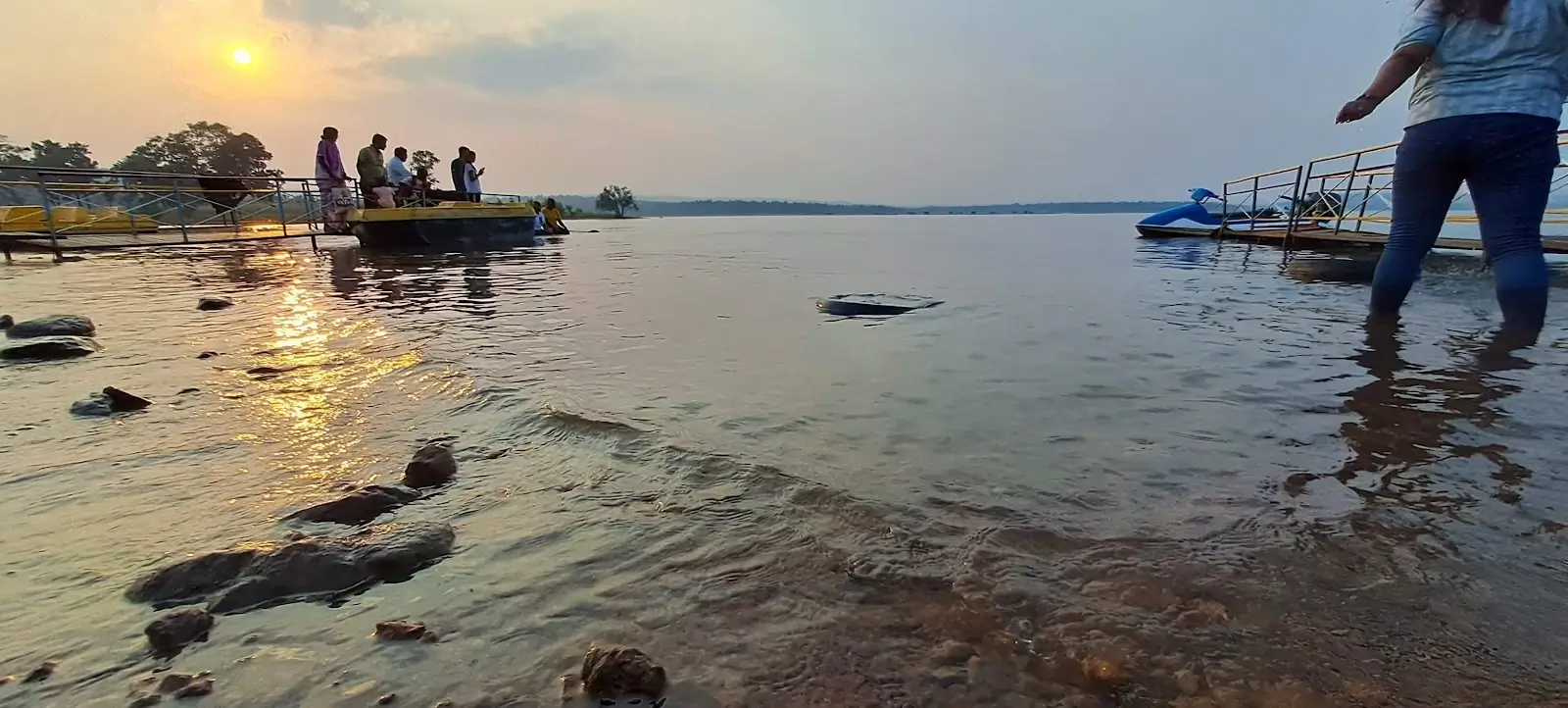
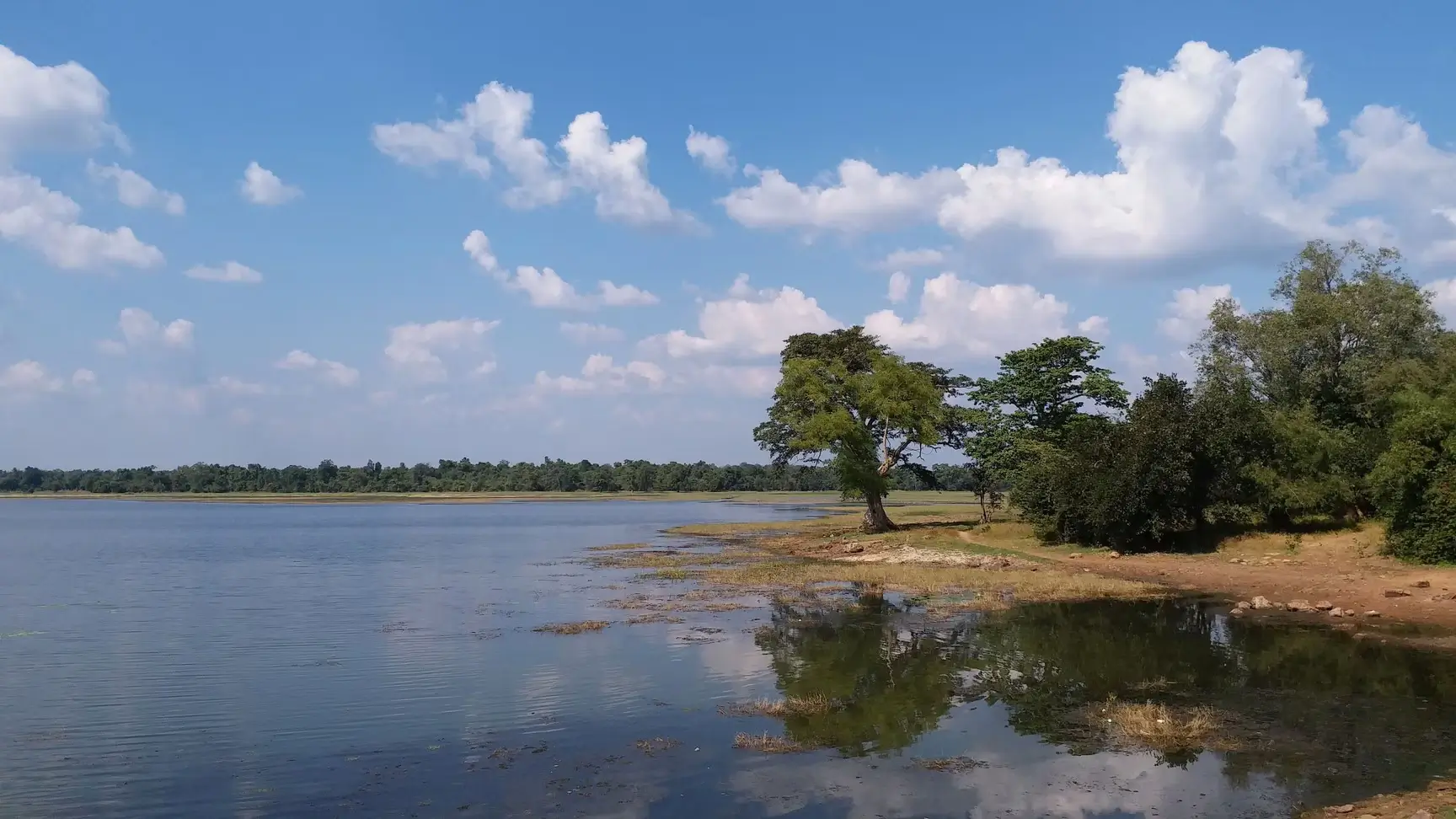
  • The Wardha River bank behind the fort is peaceful and photogenic, particularly in the late afternoon when the light catches the dark basalt against the water.
  • The grassy open areas around the ruins work for a quiet family stop between other heritage visits.

Best Time to Visit Ballalpur Fort

  • Winter (October to February) - is the most comfortable season. Temperatures between 15°C and 28°C and clear skies are pleasant for walking the open ruins and the riverbank.
  • Monsoon (July to September) - turns the surroundings lush and photogenic, but stone pathways become slippery. Approach the river bank and steep edges with caution.
  • Summer (March to May) - is harsh. The open, unshaded basalt ruins absorb and radiate heat, making midday exploration uncomfortable. Visit early morning or late afternoon if summer is your only option.

How to Reach Ballalpur Fort?

Balharshah Junction, one of central India's best-connected railway stations with trains from Mumbai, Delhi, Hyderabad, Chennai, and Kolkata, is just 2 to 3 km from the fort. Auto-rickshaws and taxis from the station reach the fort in under 10 minutes.

From Chandrapur, the drive is 16 km (about 30 minutes) via the Chandrapur-Ballarpur highway. From Tadoba's Moharli Gate, the distance is approximately 45 to 60 km depending on which route you take (1 to 1.5 hours). Dr Babasaheb Ambedkar International Airport, Nagpur, is approximately 165 km away (3.5 hours).

Recommended Travel Tips

  • Wear sturdy, closed-toe walking shoes; the terrain is uneven with loose stones and broken masonry.
  • Carry drinking water and snacks, as there are no food stalls at the fort itself; Ballarpur town is 2 to 3 km away.
  • Watch young children near the ruined walls and steep drops toward the river, as there are no safety railings.
  • Early morning and late afternoon offer the best combination of comfortable temperatures and photography light.
  • If combining with other Gond-era sites, the most efficient circuit is Ballarpur Fort → Chandrapur Fort (16 km) → Mahakali Temple (5 km from Chandrapur Fort), all achievable in a single half-day.

Places to Visit Nearby Tadoba National Park

Our Popular Blogs

Frequently Asked Questions

Yes. At 45 to 60 km from the reserve gates (1 to 1.5 hours), it fits into a half-day heritage excursion. The most efficient approach is combining it with Chandrapur Fort and Mahakali Temple in a single circuit, all three being Gond-era sites within 20 km of each other.
Ballalpur is the older, smaller fort, built as the original Gond capital before the dynasty moved to Chandrapur. Its distinctive features are the right-angle gate system (a defensive trap) and the riverside postern gate. Chandrapur Fort is larger (12 km of walls, eight gates, and city-encircling) and represents the later, more powerful phase of the Gond kingdom. Visiting both in sequence tells the story of how the Gond capital grew.
No, entry is free for all visitors to Ballalpur Fort.
1 to 1.5 hours is needed for a thorough visit to Ballalpur Fort, including the gates, walls, underground chambers, and the Wardha riverbank.
Yes, it is generally safe. The terrain is uneven, and certain sections near the river drop steeply without railings. Keep children close near the walls and the riverbank. The site is open, uncrowded, and suitable for a quiet family outing.
Just 2 to 3 km. Auto-rickshaws from the station reach the fort in under 10 minutes, making this the most railway-accessible heritage site near Tadoba.