Ghodazari Lake, Maharashtra

Ghodazari Lake, Maharashtra

Ghodazari Lake, Maharashtra

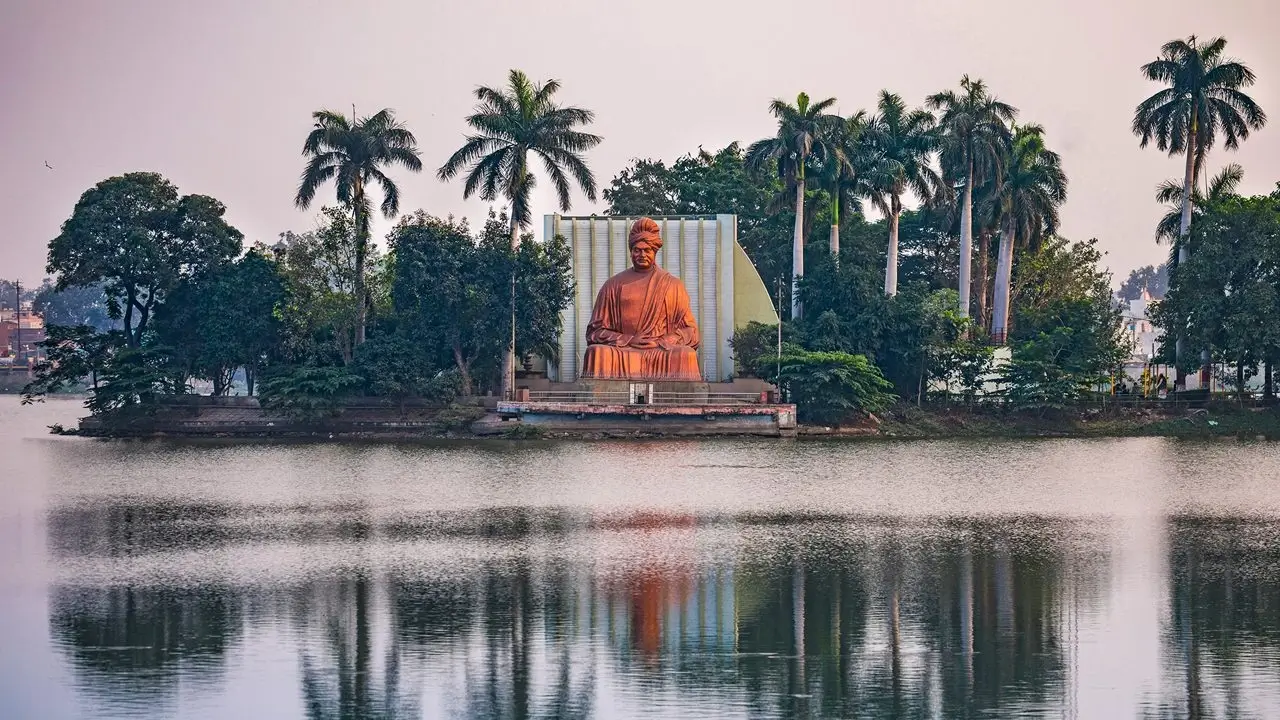
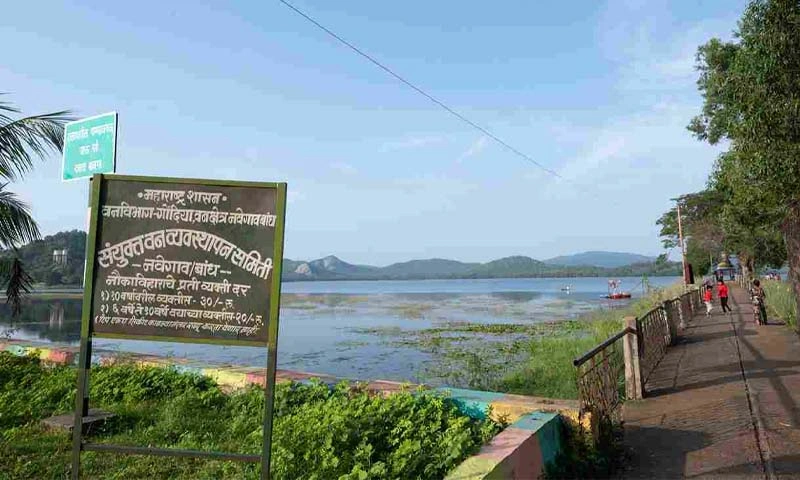
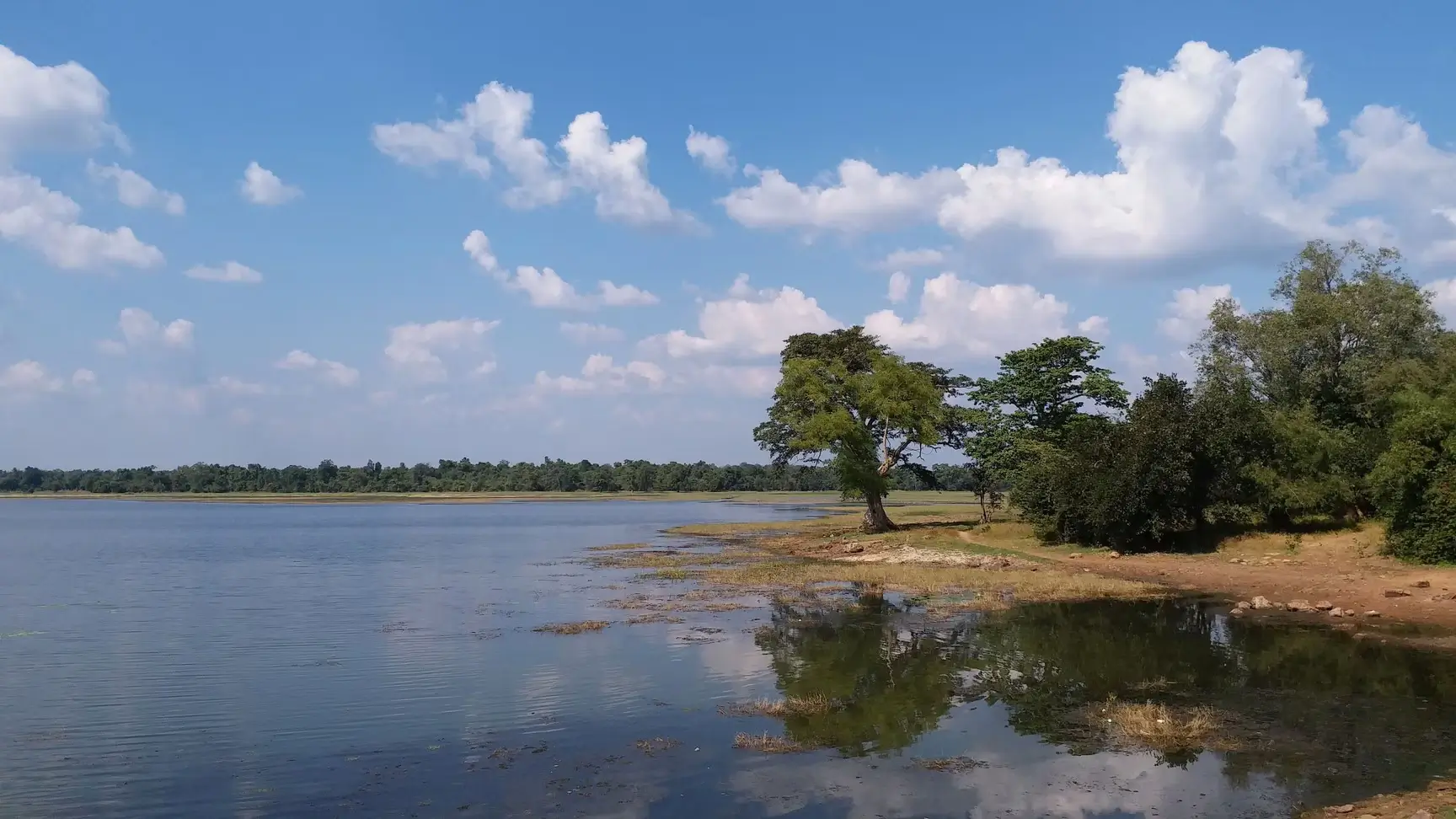
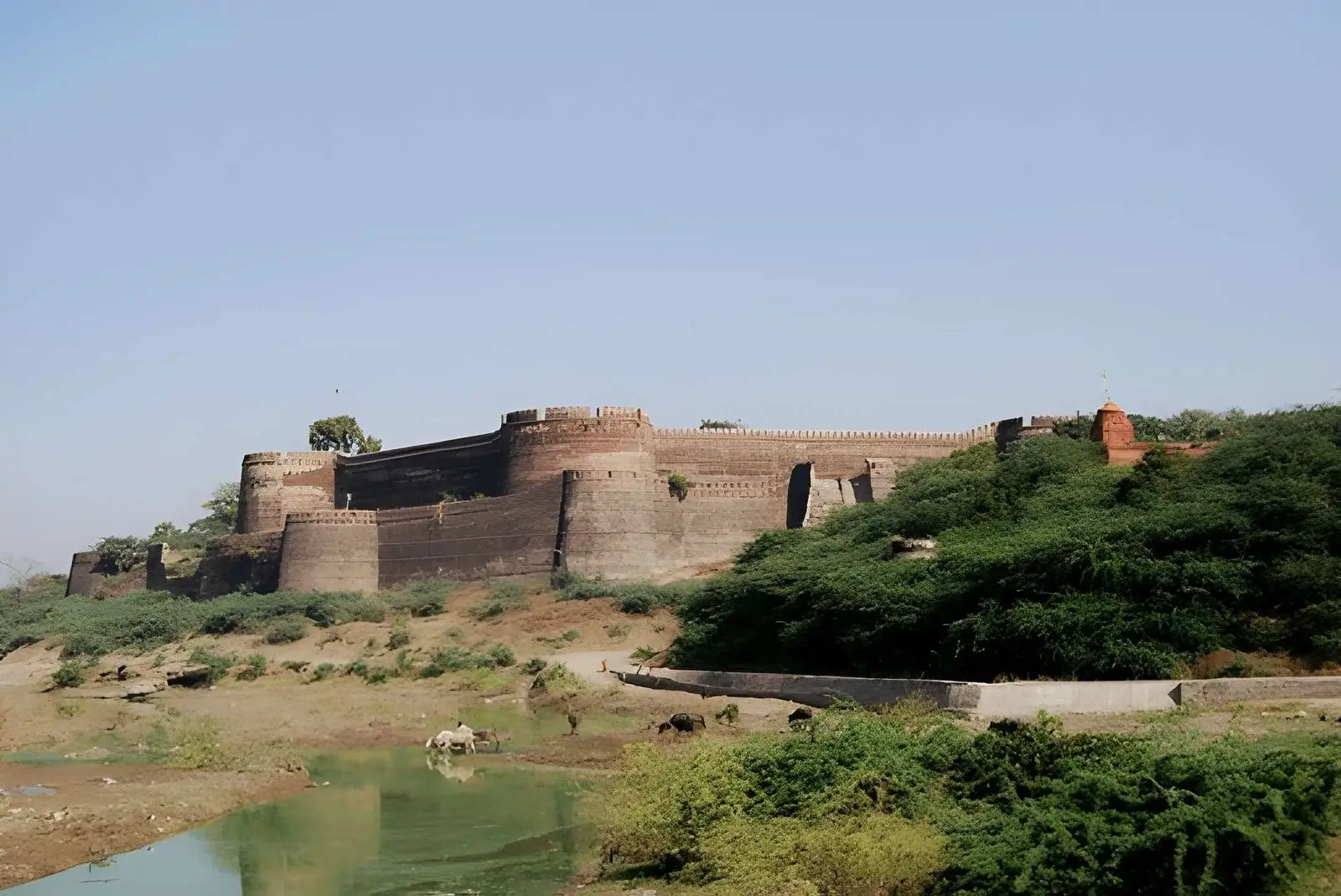
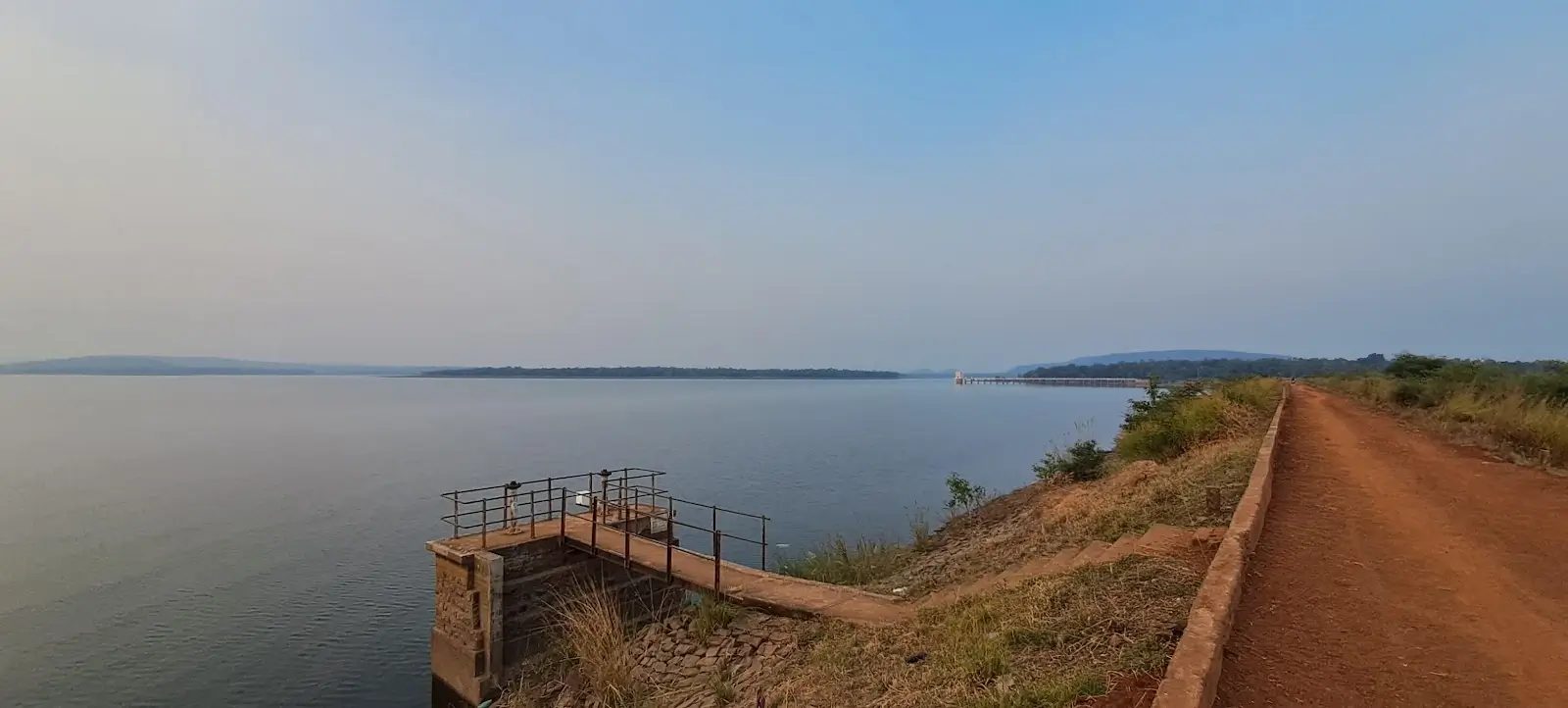
Ghodazari Lake is a large irrigation reservoir built across the Gorazari River in the Nagbhir tehsil of Chandrapur district, Maharashtra. The name comes from the Marathi words "ghoda" (horse) and "zari" (a place with a water spring), a reference to the natural springs that originally fed the site before the dam was constructed. The reservoir is surrounded by the dense southern tropical dry deciduous forests of the Vidarbha region, positioned roughly 110 km from Tadoba's Moharli Gate and 97 km from Nagpur.

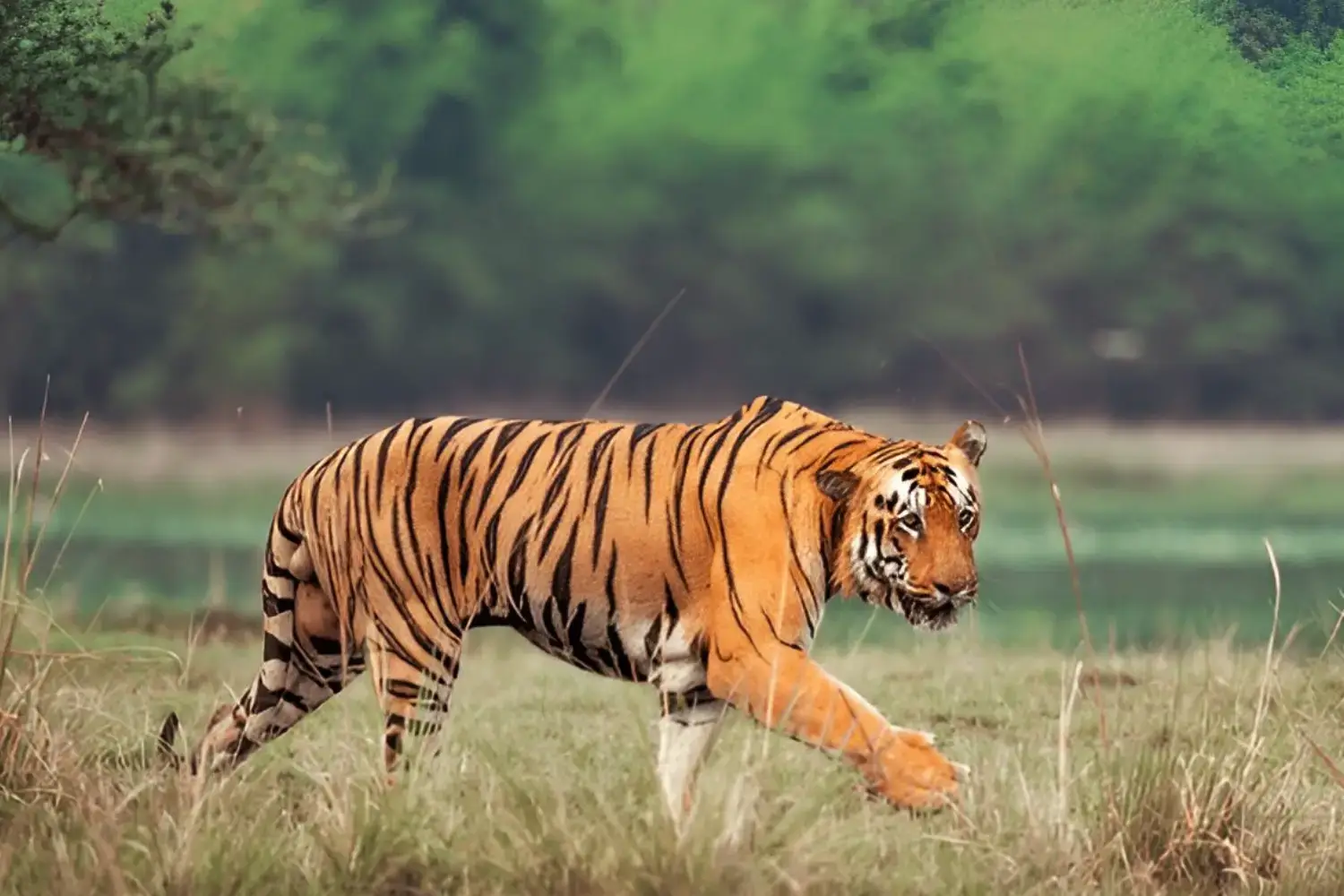
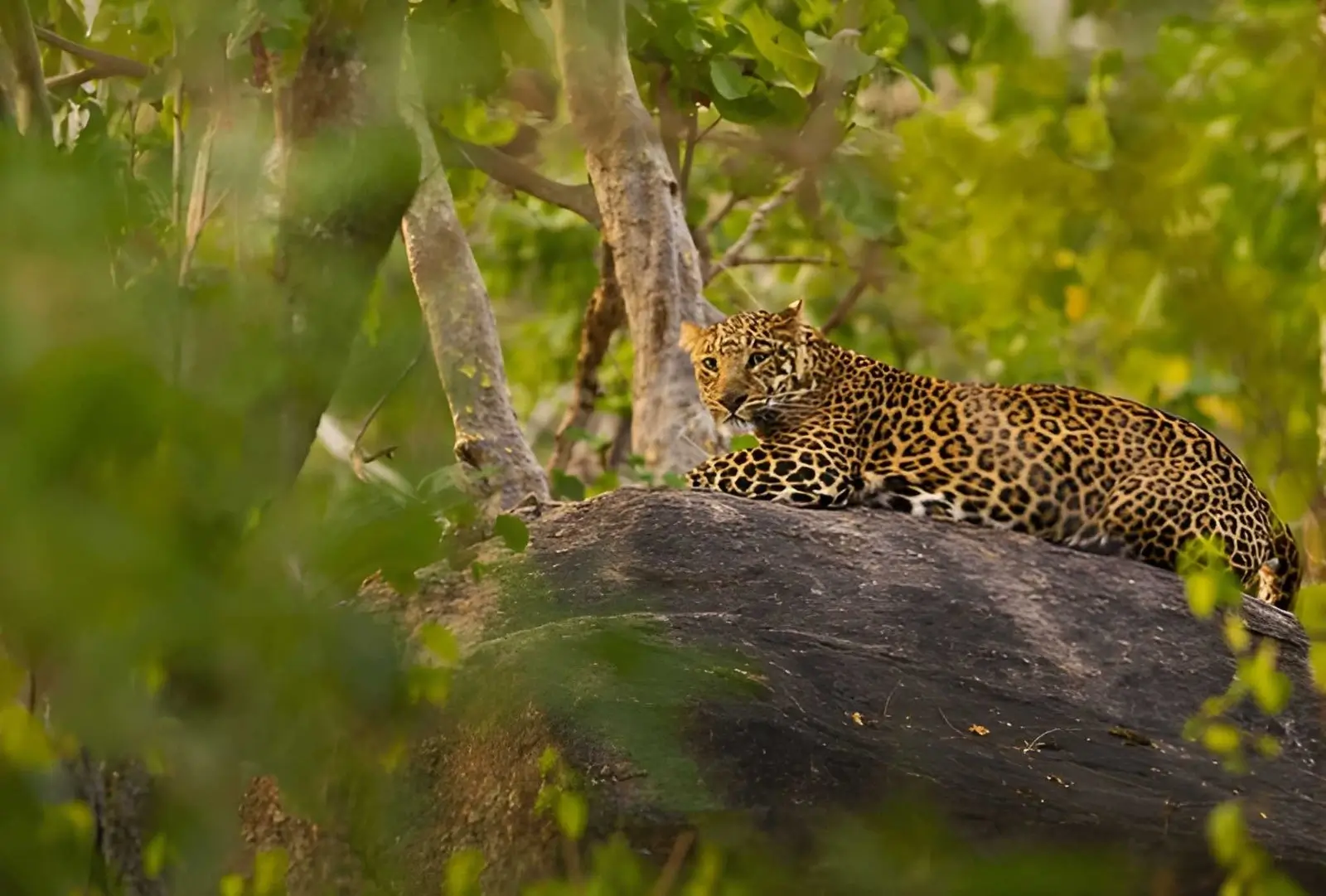
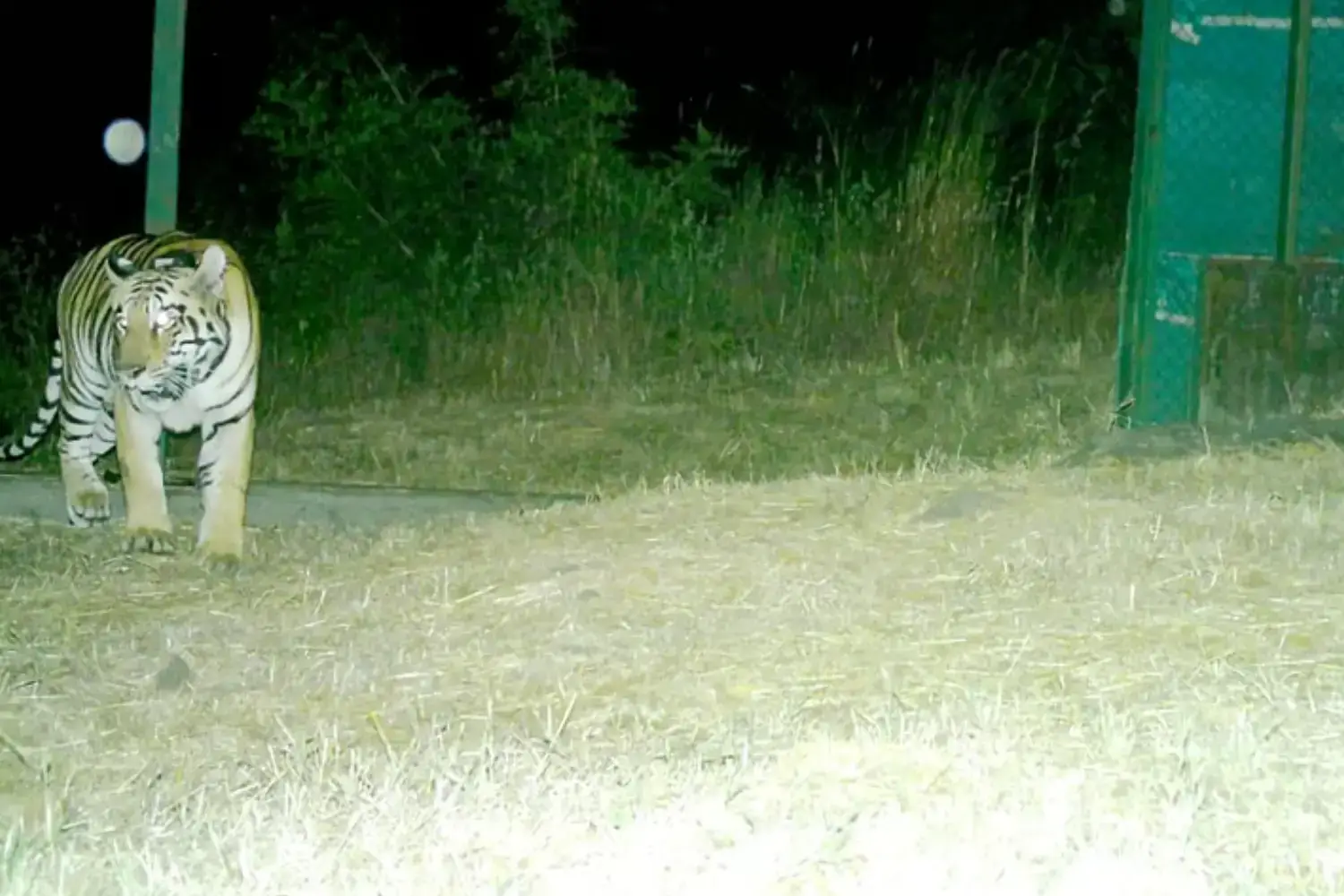
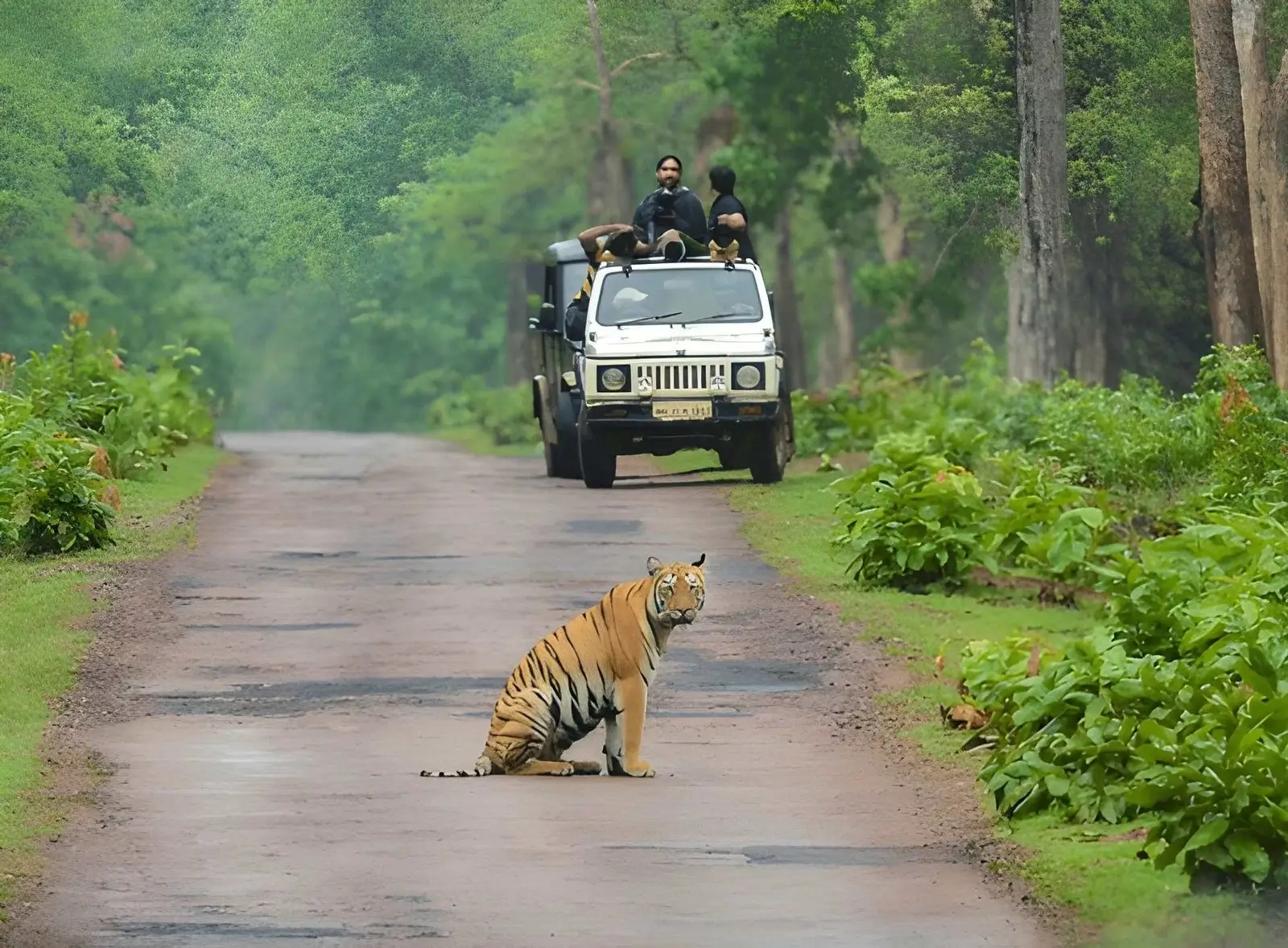
In March 2018, the Government of Maharashtra declared the 159 sq km forest around the lake as the Ghodazari Wildlife Sanctuary, recognizing its role as the primary wildlife corridor connecting Tadoba-Andhari Tiger Reserve to Umred-Karhandla Wildlife Sanctuary. At the time of declaration, the sanctuary held an estimated 10 to 15 tigers and 23 leopards. The protected area covers the Nagbhir, Talodhi, and Chimur forest ranges and includes the Saatbahini hills, the Muktai Deosthan shrine, and the Muktai Waterfall, which flows at full force during the monsoon months.

For Tadoba visitors, Ghodazari is a half-day trip on a rest day or a day without an afternoon safari booked. The 110 km drive from Moharli takes roughly two to two and a half hours. The lake itself is calm, uncrowded, and surrounded by teak, bamboo, and tendu forest that stays shaded even on hot afternoons.

History of Ghodazari Lake

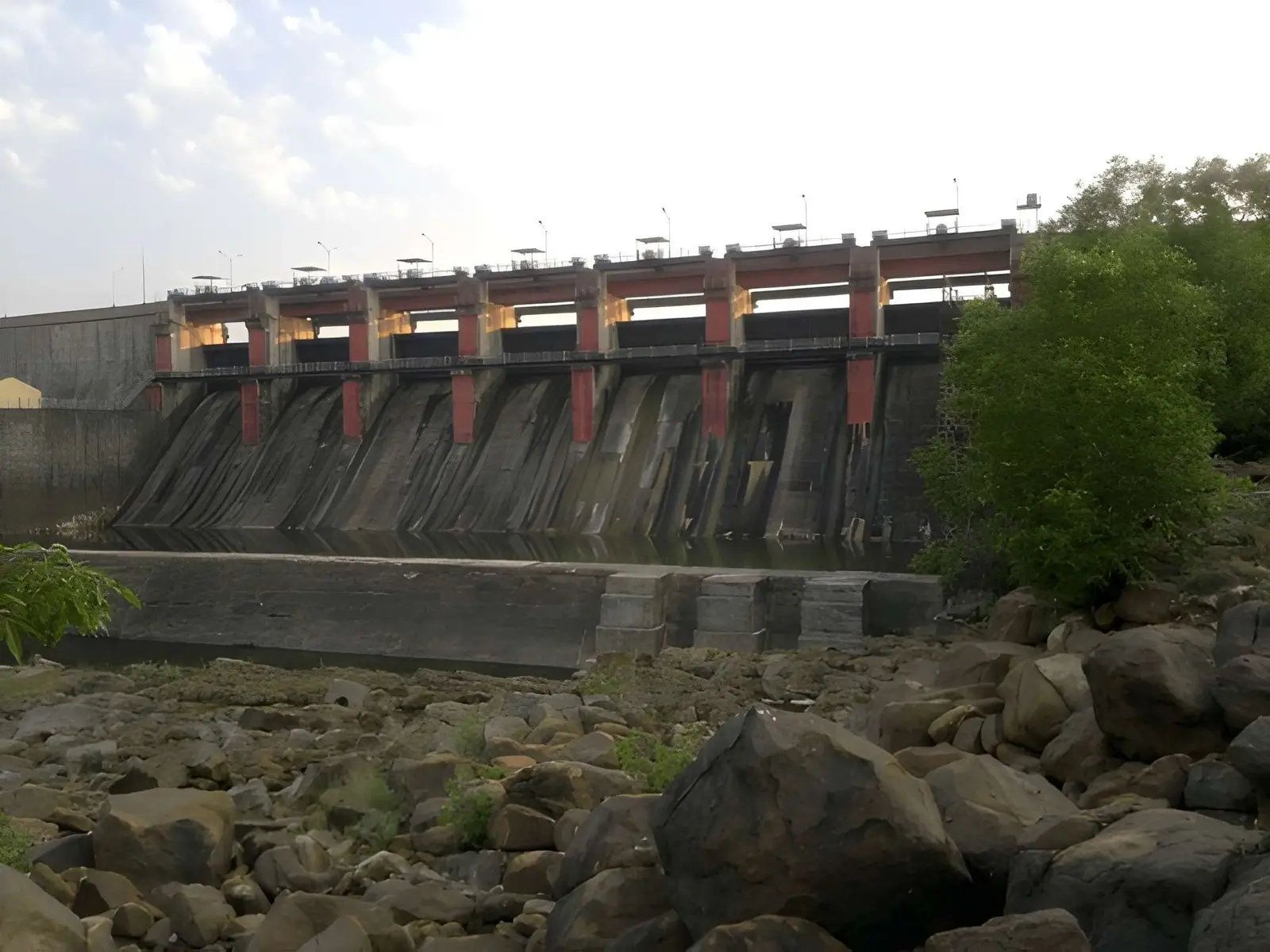
The water body originated as an earthfill dam project constructed to manage regional hydrology and support local agriculture. Over the decades, the surrounding forested landscape proved ecologically critical, functioning as a natural corridor for large carnivores moving between Tadoba and Umred-Karhandla. Camera trap studies documented leopards hunting prey and striped hyenas moving through the landscape, confirming the area's importance for predator-prey dynamics well before formal protection was granted.

Timings and Entry Fee :

  • Opening hours : 6:00 AM to 5:00 PM
  • Entry fee : ₹20 per person (garden and boating area)
  • Parking : ₹50 for four-wheelers, ₹20 for two-wheelers
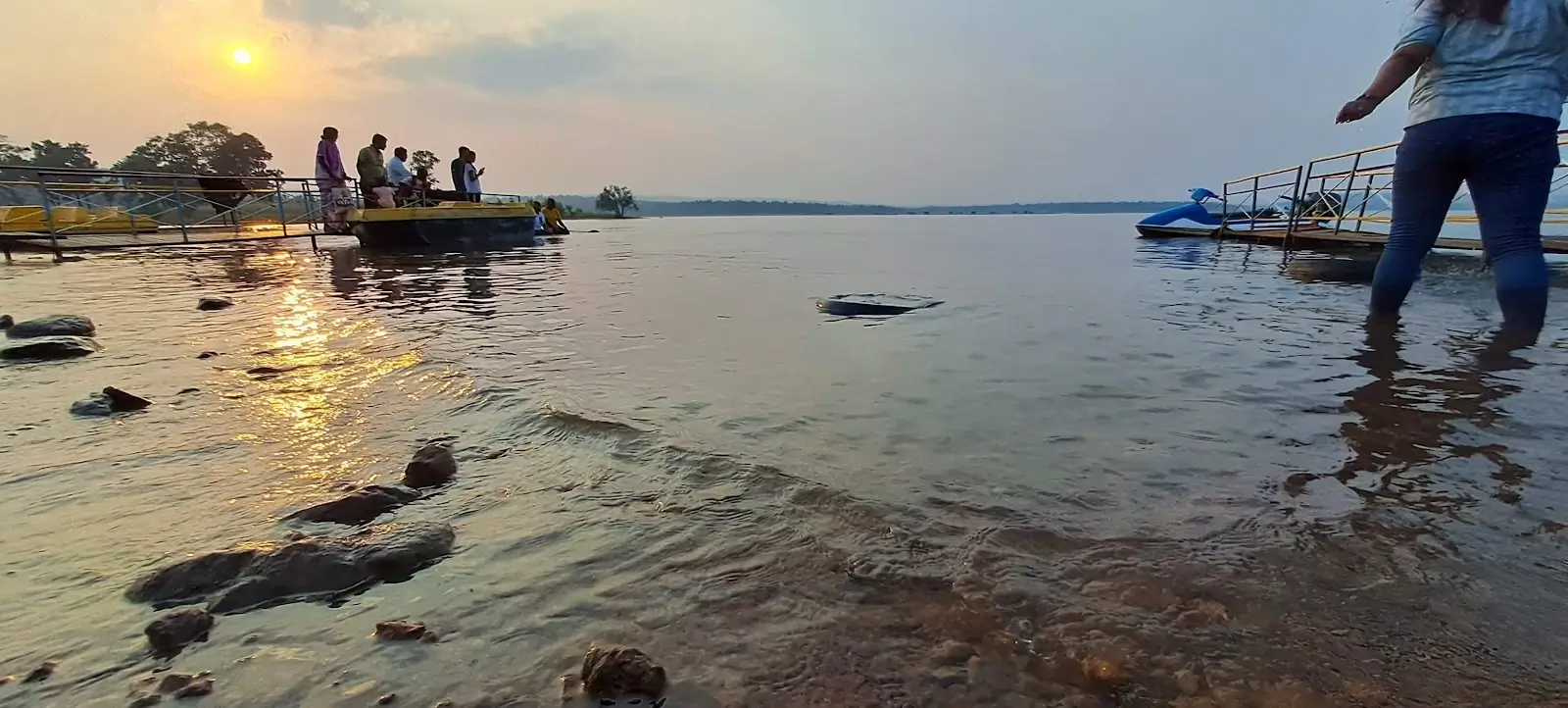
  • Boating : ₹60 to ₹100 per person, subject to water levels and seasonal conditions

Boating and water access may be restricted during the peak monsoon season for safety reasons. Timings may shift slightly by season; confirm locally before making the drive.

Highlights of Ghodazari Lake

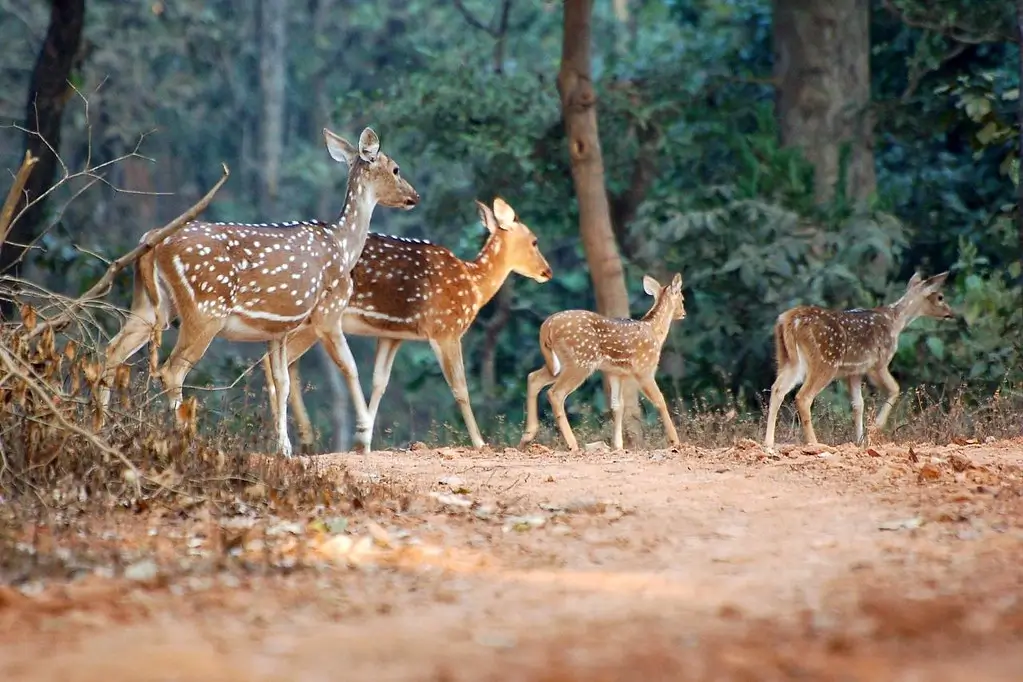
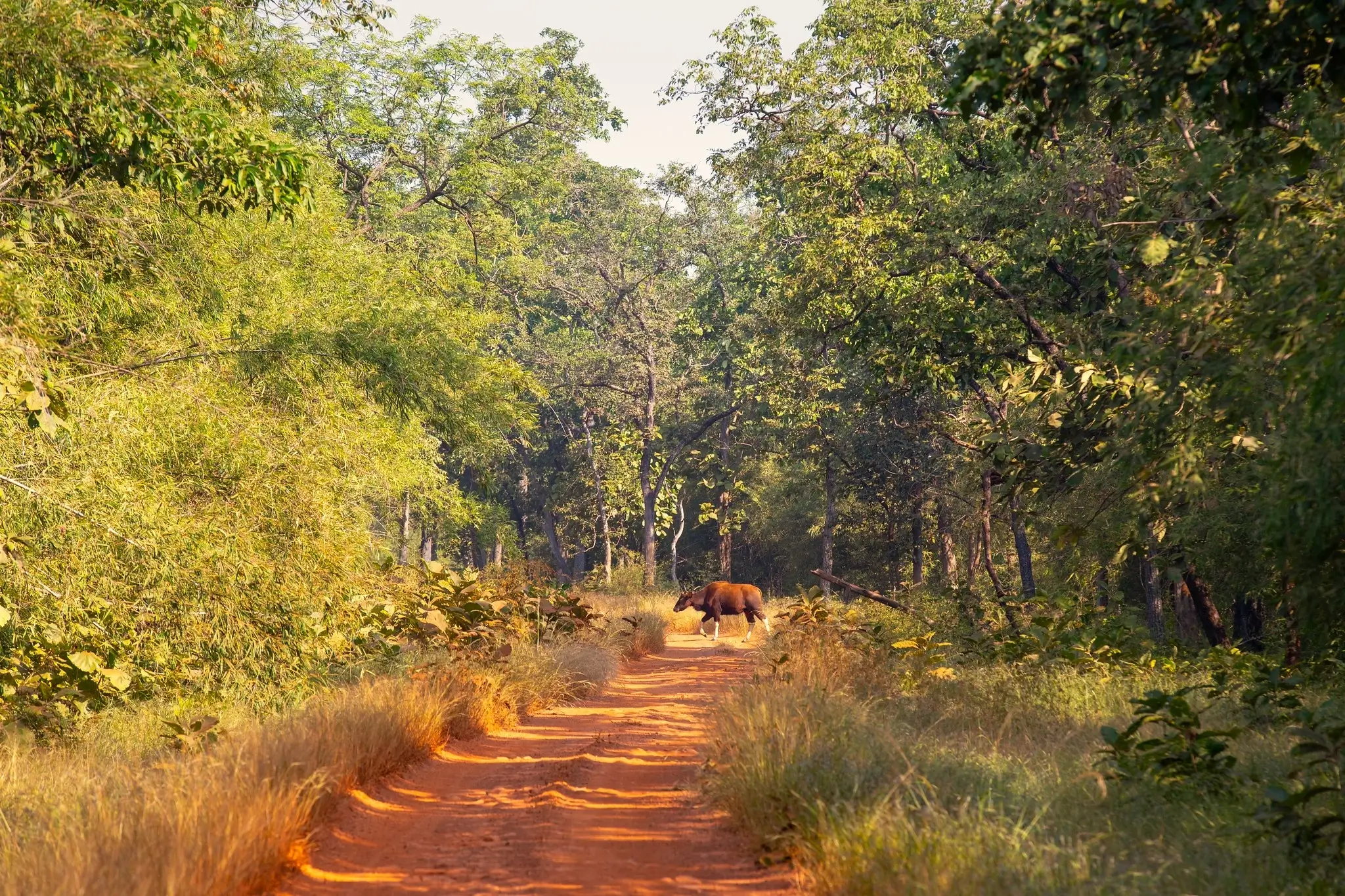
  • The sanctuary functions as a living wildlife corridor. Tigers and leopards pass through these forests moving between Tadoba and Umred-Karhandla. Leopards, sloth bears, wild boar, chital, sambar, nilgai, and gaur are all present in the surrounding forest and occasionally approach the water's edge, particularly during summer when the reservoir becomes one of the few reliable water sources in the area.
  • The water body draws large flocks of native and migratory birds, making it one of the stronger birding spots in the Chandrapur district outside the Tadoba core. Winter (October to February) is the peak birding window, with migratory waterbirds and raptors gathering along the reservoir.
  • The surrounding forest of teak, bamboo, and tendu provides a cool, shaded landscape even on warmer days, and the Muktai Waterfall within the sanctuary runs heavy during the monsoon months, adding a second reason to visit between July and October.
  • For families, the lake has designated picnic areas, maintained open spaces, and calm waters monitored for safe boating. It is a quieter, crowd-free alternative to the more heavily visited spots around Chandrapur.

Best Time to Visit Ghodazari Lake

  • Winter (October to February) - The best season overall. Temperatures range from 13°C to 28°C. Migratory birds arrive at the reservoir, the weather is comfortable for walking and boating, and the forest is pleasant for nature walks.
  • Monsoon (July to September) - Muktai Waterfall is at full flow, the forest is at its greenest, and the landscape is dramatic. Boating and water access may be restricted for safety. Fewer visitors, which adds to the atmosphere.
  • Summer (March to May) - Wildlife approaches the water more frequently as smaller forest sources dry up, improving chances of spotting animals at the lake's edge. Afternoons get very hot (up to 42°C); visit early morning or late afternoon and carry strong sun protection.

How to Reach Ghodazari Lake?

The most practical route from Tadoba is by road. From Moharli Gate, the drive is approximately 110 km (2 to 2.5 hours) via Chandrapur and the Nagpur-Chandrapur highway (MSH-9), with a 6 km diversion from the main highway leading directly to the lake. From Nagpur, the drive is about 97 km (2.5 hours) along the same highway.

Nagbhir Junction is the nearest railway station at just 12 km from the lake. Auto-rickshaws and local taxis from the station reach the lake in under 30 minutes.

Dr. Babasaheb Ambedkar International Airport in Nagpur is the closest airport at approximately 97 km. A cab from the airport takes roughly two and a half to three hours.

Free parking is available at the entry gate.

Top Recommended Travel Tips

  • Carry binoculars and a camera with a zoom lens to observe birds and wildlife without disturbing them.
  • Pack mosquito repellent, strong sunscreen, and a wide-brimmed hat, especially outside the winter months.
  • Food stalls inside the eco-sensitive zone are very limited, so bring your own drinking water and snacks.
  • Maintain a safe distance from the waterfall and dam edges during monsoon when surfaces become slippery.
  • Keep noise down to respect the wildlife habitat; this is an active sanctuary with large carnivores, not a recreational park.

Places to Visit Nearby Tadoba National Park

Our Popular Blogs

Frequently Asked Questions

If you have a rest day or a free afternoon without a safari booked, yes. The 110 km drive from Moharli is not short, so it works best as a dedicated half-day trip rather than something squeezed between morning and afternoon safaris. The combination of the lake, the sanctuary forest, and Muktai Waterfall (in monsoon) makes it a fuller outing than most Tadoba side trips. Birders visiting between October and February will get the most from it.
The sanctuary held an estimated 10 to 15 tigers and 23 leopards at the time of its 2018 declaration, and it functions as a movement corridor between Tadoba and Umred-Karhandla. Tigers pass through but are not reliably seen the way they are inside Tadoba's core zones. Leopards, sloth bears, wild boar, chital, sambar, nilgai, and gaur are more frequently observed along the lake's edge, particularly during summer.
Yes. The lake has designated picnic spots, maintained open areas, and calm waters monitored for safe boating. The terrain is flat and accessible. Avoid the waterfall edges and dam walls during monsoons when surfaces are slippery.
No. Entry and parking tickets are purchased at the gate on arrival. Boating tickets are also available on-site, subject to water levels and seasonal conditions.